
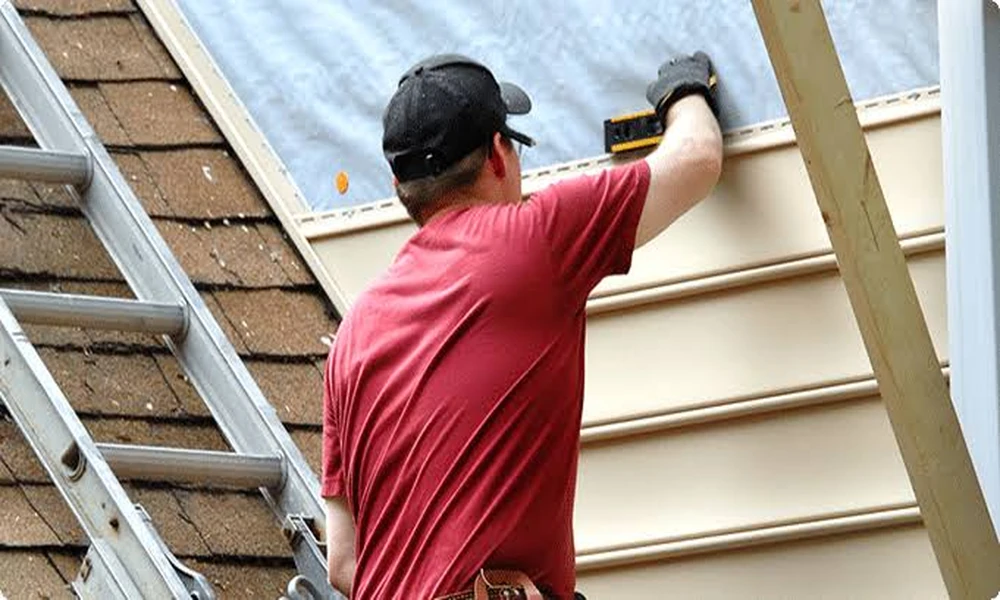
Your home’s siding does much more than create curb appeal. It is an important part of the exterior envelope, helping protect the structure from changing weather conditions while contributing to the home’s appearance and maintenance needs.
Over time, however, siding can deteriorate. Age, moisture, temperature changes, physical impact, improper installation, and ongoing exposure to the elements can all affect its condition.
Some siding problems can be addressed with a relatively small repair, while others may indicate that a larger renovation is appropriate. Knowing the warning signs can help homeowners address problems before they become more extensive.
If you are unsure whether your home’s siding needs repair or complete replacement, a professional inspection can help identify the underlying condition and determine what work may be appropriate.
1. Your Siding Is Cracked, Broken, or Damaged
Visible physical damage is one of the easiest signs to recognize.
Cracks, holes, broken panels, and significant dents can affect the appearance of your home and may create areas where moisture can enter behind the siding. Individual damaged sections can sometimes be replaced, depending on the siding material and the availability of matching products.
However, widespread damage may indicate that repairing individual pieces is no longer the most practical solution.
Walk around your home periodically and inspect areas that are particularly exposed to weather or physical impact. Pay attention to siding around corners, lower wall sections, windows, doors, and areas near decks or landscaping.
If you notice extensive damage, it may be worth having the entire exterior evaluated.
2. You Notice Warping, Buckling, or Bulging
Siding should generally maintain a consistent appearance across the exterior. When panels begin to warp, buckle, or bulge, something may be affecting the siding or the wall assembly behind it.
The cause can vary. Depending on the material and circumstances, possible contributing factors may include moisture, installation problems, heat exposure, or movement in the underlying structure.
Warped siding should not simply be covered up or painted over without determining why it happened.
A professional can examine the affected area and determine whether the problem is isolated or more widespread.
For homeowners researching siding replacement in Bergen County NJ, an inspection can help determine whether visible distortion represents a localized repair or a larger exterior issue.
3. There Are Signs of Moisture or Water Damage
Moisture deserves particular attention during any siding inspection.
Look for signs such as:
- Soft or deteriorated areas
- Staining
- Mold or mildew growth
- Peeling paint around siding
- Rot near windows or doors
- Persistent dampness
- Damage around wall penetrations
Not every moisture-related problem means the siding itself needs to be replaced. Water can enter an exterior assembly through several pathways, including improperly sealed openings, damaged flashing, roof-related issues, or deteriorated materials.
The important step is identifying the source.
Replacing siding without addressing the underlying cause may allow the same problem to return.
4. Your Siding Is Fading or Looks Uneven
Color changes are a common sign of aging exterior materials.
Some degree of fading can occur naturally after years of exposure to sunlight and weather. But severe or uneven fading can make the exterior look worn, especially when different sections have aged at different rates.
Fading may not necessarily indicate a structural problem. It can instead be a visual indication that the siding is reaching the later stages of its useful life or that its finish has deteriorated.
If the siding is otherwise sound, cleaning or repainting may sometimes be considered depending on the material. In other situations, replacement may provide a more consistent long-term solution.
A siding evaluation can help distinguish a cosmetic concern from a more significant exterior problem.
5. You Keep Making Repairs
One isolated repair does not necessarily mean it is time for new siding.
The situation changes when repairs become frequent.
If you are repeatedly replacing damaged panels, repairing deteriorated sections, addressing moisture problems, or trying to match older siding with newer materials, it may be worth comparing the cost and practicality of continued repairs with a comprehensive replacement project.
Repeated repairs can also make the exterior look inconsistent when replacement pieces no longer match the original color or texture.
Homeowners considering siding replacement in Essex County NJ can ask a contractor to evaluate the overall condition of the siding rather than focusing only on the most recently damaged section.
6. Your Siding Requires Increasing Maintenance
Every siding material has its own maintenance requirements. However, an exterior that seems to require significantly more attention than it did in previous years may deserve closer inspection.
Examples might include:
- Frequent painting
- Repeated caulking
- Persistent cleaning issues
- Peeling or deteriorating finishes
- Recurring repairs
- Sections that continue to deteriorate after maintenance
Increasing maintenance needs do not automatically mean replacement is necessary. The age, material, installation quality, and current condition of the siding all matter.
A professional assessment can help you understand whether additional maintenance is reasonable or whether replacing the exterior would make more sense for your goals.
7. You Want to Improve Your Home’s Exterior
Siding does not have to be failing before you consider replacing it.
Homeowners sometimes choose a siding renovation because they want to update an older exterior, change the architectural style, improve curb appeal, or coordinate the siding with new windows, roofing, doors, or other improvements.
An exterior renovation can provide an opportunity to reconsider the home’s overall design.
Depending on the siding material, homeowners may have options involving color, texture, profile, trim, and architectural accents.
For someone researching siding replacement in Morris County NJ, it can be useful to approach the project as an exterior design and maintenance decision rather than simply replacing damaged boards.
Repair or Replace: How Do You Decide?
One of the most important questions is whether the existing siding actually needs to be replaced.
A contractor should evaluate factors such as:
- Overall age and condition
- Extent of visible damage
- Moisture concerns
- Condition of the underlying wall
- Availability of matching replacement materials
- Maintenance requirements
- Installation quality
- Desired appearance
- Long-term plans for the property
If the damage is limited to a small area, repair may be appropriate. If problems are widespread or the material is significantly deteriorated, replacement may deserve consideration.
The decision should be based on the actual condition of the home rather than on a single visible defect.
What Happens During a Siding Replacement Project?
A siding replacement project generally involves more than installing new material.
Depending on the condition of the home, the process may include:
- Inspecting the existing exterior
- Discussing siding materials and design options
- Establishing the scope of work
- Removing existing siding
- Inspecting the exposed wall surfaces
- Addressing necessary repairs
- Preparing the exterior
- Installing the new siding and related components
- Completing trim and detail work
- Cleaning the property and reviewing the finished project
The exact process varies depending on the home, material, and scope of work.
Unexpected conditions can sometimes become visible after old siding is removed. This is why homeowners should discuss how additional repairs will be handled before signing a contract.
Choosing a Contractor for the Project
Replacing siding is a substantial home improvement project, so contractor selection deserves careful attention.
New Jersey’s Division of Consumer Affairs identifies siding among the types of residential work covered by its Home Improvement Contractor Business requirements. The state also provides resources for verifying contractor registration and offers consumer guidance for selecting home improvement contractors.
Homeowners should consider asking prospective contractors about:
- State registration
- Insurance
- Experience with the selected siding material
- Previous projects
- Written estimates
- Project schedule
- Materials and manufacturers
- Warranties
- Preparation and repair work
- Payment terms
New Jersey’s consumer guidance also recommends obtaining multiple bids, researching a contractor’s experience, checking references, and confirming registration before hiring.
If you are searching for siding replacement in Passaic County NJ, these steps can help you compare contractors based on the complete project rather than price alone.
Don’t Ignore Changes to Your Home’s Exterior
Siding problems rarely become easier to understand by simply being ignored. A small cosmetic issue may remain cosmetic, while damage involving moisture or deteriorating materials can require more attention.
That does not mean every crack, faded section, or warped panel requires complete replacement. The best starting point is a careful inspection that considers the condition of the entire exterior.
For homeowners in Bergen, Essex, Morris, and Passaic counties, a professional evaluation can provide a clearer picture of whether the existing siding can be repaired, requires more extensive maintenance, or would benefit from replacement.
KRR General Contractor can help homeowners understand their exterior renovation options and develop a project plan based on the home’s existing condition, desired appearance, and long-term needs.
Before committing to a siding project, take the time to inspect the exterior, ask questions, compare written proposals, and make sure the scope of work is clearly documented. A thoughtful approach can help turn a necessary exterior update into a well-planned home improvement project.

Comments are closed.