
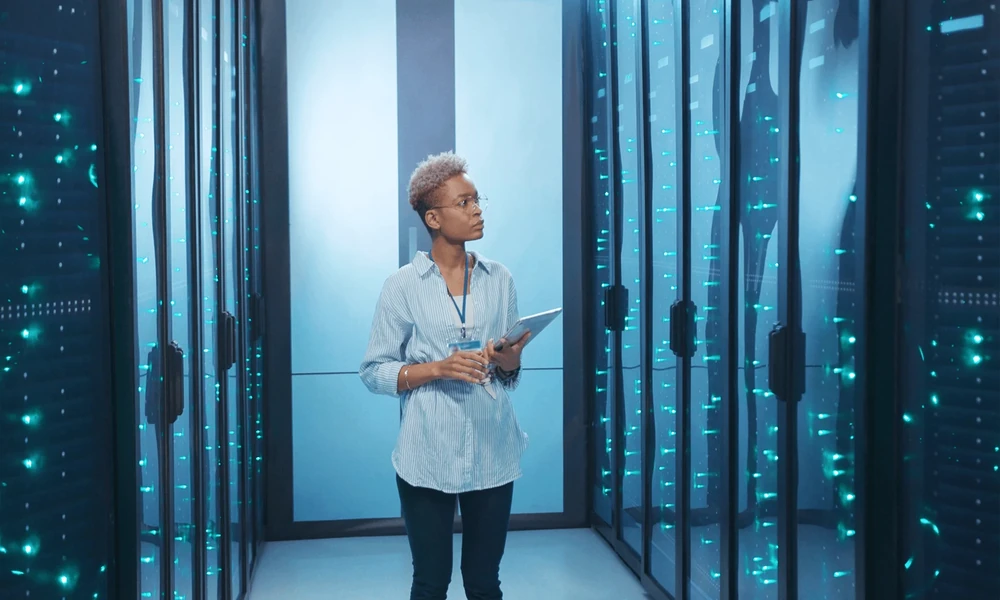
A single hour of downtime at a high-capacity data processing facility can cost millions, disrupt critical services, and erode trust. Yet as more organizations rely on real-time analytics and cloud infrastructure, the challenge of building robust, future-proof data centers only intensifies.
Challenges in Planning High-Capacity Data Processing Facilities
Understanding the Scale and Complexity
Planning a facility that must handle hundreds of thousands of square feet and megawatts of power is not simply a matter of adding more servers. The complexity multiplies at scale: each additional rack impacts not only power and cooling, but also structural requirements, security, and ongoing maintenance. Overlooking a single factor can jeopardize the entire project.
Risks of Downtime and Data Loss
The stakes are high in data processing. Unplanned outages can halt essential operations, trigger contractual penalties, and result in irreplaceable data loss. When every second counts, redundancy is not optional, it is the backbone of business continuity.
Energy and Cooling Demands
A 10 MW facility, such as the one recently completed in the Montréal region, demands sophisticated cooling systems. As heat density climbs, traditional air conditioning falls short; precision engineering is required to manage and dissipate enormous heat loads while keeping efficiency in check.
Designing for Reliability and Performance
Building to Uptime Institute Standards (Class 2 to Class 3)
Industry standards like those from the Uptime Institute set the benchmark for reliability. Facilities designed to Class 2 or Class 3 specifications must ensure simultaneously maintainable infrastructure, robust fault tolerance, and rapid recovery from failures. Achieving these certifications involves far more than just redundancy, it demands rigorous attention to every link in the operational chain.
Modular Design to Support Scalability Over Time
Growth is inevitable, but the pace can be unpredictable. Modular building strategies allow for phased expansion, making it possible to right-size investment while responding to user demand over 20 years or more. This flexibility reduces upfront costs and minimizes the risk of costly overbuilding.
Incorporating Redundant Power Systems and Backup Generators
A sophisticated backup system is the lifeline of any high-capacity data center. In Montréal’s leading facilities, complex generator arrays are engineered to keep operations running for at least 48 hours without a fresh fuel supply. These systems must be seamlessly integrated, regularly tested, and designed to handle both short-term blackouts and extended grid failures.
Optimizing Physical Infrastructure
Space Allocation: Balancing Server Rooms and Support Areas
Beyond the sheer volume of server racks, substantial real estate must be dedicated to mechanical rooms, electrical spaces, and secure infrastructures like clean rooms. For instance, a project featuring a 35,000 square foot clean room within a 109,000 square foot facility illustrates how purposeful space allocation can directly impact system reliability and service quality.
Creating Specialized Environments: Clean Rooms and White Spaces
Not every processing environment is the same. High-efficiency, temperature-controlled clean rooms are essential for sensitive operations, while white space must provide flexible layouts to accommodate evolving hardware needs. Both demand careful airflow management and contamination controls.
Structural Considerations for Load and Security
Server and battery racks are heavy. Facility design must account for extraordinary floor loading, seismic considerations, and rigorous physical security. Every structural decision can influence long-term safety, operational uptime, and insurance costs.
Addressing Power and Energy Efficiency
Planning for High Power Capacity (e.g., 10 MW Systems)
Scaling up power delivery is never trivial. Electrical infrastructure, from transformers to busways, must be sized correctly not just for peak load, but for anticipated growth and redundancy requirements. Failure to plan for this can bottleneck expansion or cause critical vulnerabilities.
Efficient Cooling Solutions to Manage Heat Output
Cooling represents one of the largest ongoing costs for any data center. Innovative solutions, from hot aisle containment to liquid cooling, are increasingly essential to reduce both operating expenses and environmental impact.
Sustainability and Long-Term Energy Strategies
Sustainability is moving from buzzword to requirement. Using renewable energy sources, optimizing for Power Usage Effectiveness (PUE), and designing for efficient future upgrades ensures that a facility remains competitive and responsible for decades.
Ensuring Operational Continuity
Backup Power Systems with Extended Runtime (e.g., 48-hour Generator Capacity)
Outages do not always resolve quickly. Facilities must be prepared with generator solutions capable of running uninterrupted for two days or more, demanding robust fuel storage, automatic transfer switches, and detailed testing protocols.
Emergency Protocols and Disaster Recovery Plans
Plans for disaster recovery go far beyond backup generators. Fire suppression, physical access controls, and remote monitoring create a multi-layered safety net. Routine drills and clearly documented procedures empower teams to respond effectively when the unexpected happens.
Monitoring and Maintenance Best Practices
Continuous monitoring of temperature, humidity, power draw, and component health enables proactive intervention before issues cascade into failures. Preventive maintenance, standardized checklists, and real-time alerts are fundamental to keeping a facility running at peak performance.
Future-Proofing the Facility
Designing for Technology Evolution over 20 Years
Hardware will change, but the facility must endure. Flexible cable management, adaptable power distribution, and open rack designs enable seamless upgrades as technologies and workload demands evolve.
Flexible Infrastructure to Accommodate Growth
From reserve space to scalable cooling, every planning decision should anticipate not only today’s needs, but also tomorrow’s unknowns.
Planning for Emerging Data Processing Needs
The surge in AI and high-density compute is rewriting data center requirements. Smart architecture choices now can unlock the ability to pivot as demands shift in the years ahead.
Actionable Steps for Stakeholders
– Assess current and projected data processing needs in detail
– Engage architectural partners experienced in modular and high-capacity design, such as architecte centres de traitement de données Stendel + Reich
– Prioritize reliability, sustainability, and scalability in early design discussions
– Implement phased deployment plans to align with business growth and evolving technologies
Every decision in the planning phase can shape the next two decades of uptime, efficiency, and profitability. With the right expertise and a forward-looking mindset, building a high-capacity data processing facility becomes less a risk, and more an opportunity for lasting advantage.

Comments are closed.