Tag

experience

Browsing

Choosing the right siding professional can make a major difference in your home’s appearance, protection, and long-term value. Vinyl siding is a popular choice for many homeowners because it is durable, low-maintenance, and available in different colors and styles. However, the quality of the installation matters just as much as the material itself.

Before hiring a local siding expert, it is important to ask the right questions. A reliable contractor should be transparent, experienced, and willing to explain the process clearly. This helps you avoid poor workmanship, unexpected costs, and project delays.

Why Hiring the Right Siding Contractor Matters

Your siding does more than improve curb appeal. It helps protect your home from moisture, wind, heat, and everyday exposure to the elements. If it is installed incorrectly, gaps, warping, water damage, and insulation issues may appear over time.

A qualified siding contractor understands proper installation methods, local weather conditions, and the best materials for your property. Instead of choosing based on price alone, homeowners should look at experience, reputation, communication, and warranty coverage.

Questions to Ask Before Hiring a Local Siding Expert

Are You Licensed and Insured?

One of the first questions to ask is whether the contractor is licensed and insured. Licensing shows that the contractor meets local requirements, while insurance protects you in case of accidents or property damage during the project.

Ask for proof of both before signing any agreement. A professional contractor should have no problem providing this information.

How Much Experience Do You Have With Vinyl Siding?

Not all exterior contractors specialize in vinyl siding. Some may focus on roofing, general repairs, or other home improvement services. Since vinyl siding requires proper measurement, cutting, fastening, and sealing, experience is important.

When comparing vinyl siding contractors near me, ask how long they have been installing vinyl siding and whether they handle both replacement and new installation projects.

What Is Included in the Estimate?

A detailed estimate should explain the cost of materials, labor, removal of old siding, cleanup, disposal, and any additional preparation work. Avoid vague quotes that only provide a total price without itemized details.

A clear estimate helps you understand what you are paying for and reduces the risk of surprise charges later.

What to Know About Materials and Installation

What Type of Vinyl Siding Do You Recommend?

Vinyl siding comes in different thicknesses, finishes, colors, and profiles. Ask the contractor which type they recommend for your home and why. A good siding expert should explain the benefits of each option based on durability, appearance, maintenance, and budget.

They should also help you choose siding that matches your home’s design and improves overall curb appeal.

How Will You Prepare the Home Before Installation?

Proper preparation is a key part of a successful siding project. The contractor may need to inspect the existing exterior, remove damaged materials, check for moisture issues, and prepare the surface before installing new siding.

Asking this question helps you understand whether the contractor takes time to do the job correctly instead of rushing through the process.

Who Will Handle the Installation?

Some companies use in-house teams, while others hire subcontractors. Either option can work, but you should know who will actually be working on your home.

When researching vinyl siding installers near me, ask whether the crew is trained, supervised, and experienced with the specific siding product being installed.

Warranty, Timeline, and Communication

What Warranty Do You Offer?

A siding project should come with clear warranty information. Ask about both the manufacturer’s warranty for the siding material and the workmanship warranty from the contractor.

Make sure the warranty details are written in the contract. This gives you better protection if problems appear after the installation is complete.

How Long Will the Project Take?

The timeline may depend on your home’s size, the condition of the existing siding, weather, and material availability. A reliable contractor should provide a realistic schedule and explain what could affect completion.

Clear timelines help you plan around the project and avoid unnecessary confusion.

How Will You Communicate During the Project?

Good communication is often a sign of professionalism. Ask who your main contact will be, how updates will be shared, and what happens if concerns arise during the installation.

A dependable contractor should keep you informed from the first inspection to the final cleanup.

Final Thoughts

Hiring a local siding expert should never feel rushed. Take time to ask about licensing, insurance, experience, materials, estimates, warranties, and communication. The right contractor will answer your questions clearly and help you feel confident about the project.

Vinyl siding can be a smart investment for improving your home’s exterior, but the results depend heavily on proper installation. By asking the right questions before hiring, you can protect your home, manage your budget, and choose a siding professional who delivers lasting value.

Living in Downers Grove means enjoying tree-lined neighborhoods, vibrant downtown shops, and the comfort of a tight-knit suburban community. But it also means dealing with the realities of Illinois weather-sudden thunderstorms, heavy spring rains, and freeze-thaw cycles that put pressure on aging sewer lines. When disaster strikes inside your home or business, finding a dependable restoration company isn’t just convenient-it’s essential to protecting your property, your finances, and your family’s well-being.

What a Restoration Company Really Does

Many homeowners assume a restoration company only handles cleanup after a flood or fire. In reality, a true restoration company offers a complete recovery solution that bridges the gap between disaster and full repair. From the moment contaminated water enters a basement to the final coat of disinfectant on sanitized walls, every step requires specialized training, equipment, and processes that go far beyond what a general contractor or plumber provides.

At Service Restoration Pros in Downers Grove, our work begins with rapid assessment. Technicians identify the source of damage, contain the affected area, and develop a customized recovery plan. From there, we extract contaminated water, remove unsalvageable materials, dry structural elements, sanitize surfaces, and restore the property to pre-loss condition. It’s a multi-phase process that demands precision-and it’s why hiring a certified restoration company makes such a measurable difference.

Why Certification Matters

Not all restoration providers operate at the same standard. Service Restoration Pros holds certification through the Institute of Inspection Cleaning and Restoration Certification (IICRC), the leading authority for the restoration industry. This credential isn’t a formality-it means our technicians follow strict, science-based protocols for water extraction, structural drying, and biohazard sanitation.

For Downers Grove property owners, that certification translates into real protection. Improper drying can leave hidden moisture inside walls, fueling mold growth weeks or months later. Inadequate sanitation can leave behind bacteria that pose ongoing health risks. A certified restoration company eliminates these dangers by adhering to proven industry standards from start to finish.

Local Response, Comprehensive Service

When sewer backups, basement flooding, or storm damage strikes, response time directly affects how much damage your property sustains. Water and sewage continue spreading every minute they sit, soaking carpets, swelling baseboards, and warping subfloors. That’s why we maintain a 24-hour emergency hotline at (877) 518-6090 for Downers Grove residents and businesses.

Our service menu reflects the full range of challenges Illinois properties face, including sewage extraction, basement sewer backup cleanup, structural drying, water mitigation, sanitation, deodorizing, and commercial restoration. Whether your property is a single-family home near Maple Avenue, a retail shop along Main Street, or a multi-tenant office complex, our team brings the right equipment and expertise to every situation.

Working With Your Insurance Provider

One of the most stressful aspects of any disaster is navigating the insurance claim. Sewer backup coverage, flood policies, and water damage clauses can be confusing-especially during a crisis. As an insurance-approved restoration company, Service Restoration Pros works directly with all major insurers. We document damage thoroughly, photograph affected areas, prepare itemized estimates, and communicate with adjusters on your behalf. This simplifies the process and helps you receive the coverage you’re entitled to without unnecessary delays.

A Partner You Can Rely On

A disaster is more than property damage-it’s a disruption to your daily life. The right restoration company doesn’t just clean up the mess; it restores normalcy, safety, and confidence. With certified technicians, advanced drying technology, and a deep commitment to the Downers Grove community, Service Restoration Pros stands ready around the clock.

When emergencies happen, don’t gamble with inexperienced crews or DIY shortcuts. Call (877) 518-6090 and let our trusted team protect what matters most.

Planning a construction project involves far more than structural design and materials. Heating, ventilation, and air conditioning (HVAC) systems play a crucial role in ensuring long-term comfort, energy efficiency, and building performance. For builders, getting HVAC decisions right from the outset can prevent costly adjustments later and improve overall project value.

Working closely with professionals offering builder HVAC services early in the planning phase allows for better system integration, efficient layouts, and compliance with modern building standards. When HVAC is treated as a core component rather than an afterthought, the entire construction process becomes smoother and more effective.

Understanding HVAC Requirements in Early Planning

One of the most important steps for builders is to consider HVAC requirements during the design stage. This includes evaluating the building’s size, layout, insulation levels, and intended use. Each of these factors influences the type and capacity of the HVAC system required.

Ignoring these considerations early on can lead to undersized or oversized systems. An undersized system may struggle to maintain comfortable temperatures, while an oversized one can result in inefficient energy use and higher operational costs. Builders who collaborate with builder HVAC services providers during planning can ensure the system is correctly matched to the property’s needs.

Energy Efficiency and Building Regulations

Modern construction standards increasingly prioritise energy efficiency. Builders must ensure that HVAC systems align with current regulations and sustainability goals. Energy-efficient systems not only reduce environmental impact but also appeal to buyers and occupants looking to lower utility costs.

This includes selecting systems with high efficiency ratings, incorporating smart thermostats, and ensuring proper insulation and sealing throughout the building. Compliance with local building codes is essential, and failing to meet these standards can delay project completion or require costly revisions.

Proper System Sizing and Load Calculations

Accurate load calculations are essential for determining the right HVAC system size. This process involves assessing heat gain and loss within the building, taking into account factors such as:

  • Window placement and size
  • Insulation quality
  • Orientation of the building
  • Number of occupants
  • Local climate conditions

Builders should avoid relying on estimates or rules of thumb. Instead, professional calculations provide a precise understanding of what the system needs to deliver. This ensures optimal performance, comfort, and efficiency throughout the building’s lifecycle.

Ductwork Design and Installation

Ductwork is often overlooked, yet it is a critical component of any HVAC system. Poorly designed or installed ductwork can lead to uneven airflow, energy loss, and reduced system efficiency.

Builders should ensure that duct layouts are planned alongside structural elements. This avoids conflicts with beams, ceilings, and other installations. Proper sealing and insulation of ducts also help maintain consistent airflow and prevent energy wastage.

Working with experienced teams that specialise in builder HVAC services ensures that ductwork is designed to maximise performance while fitting seamlessly into the building’s structure.

Ventilation and Indoor Air Quality

Indoor air quality is becoming an increasingly important consideration in modern construction. Adequate ventilation helps remove pollutants, control humidity, and maintain a healthy indoor environment.

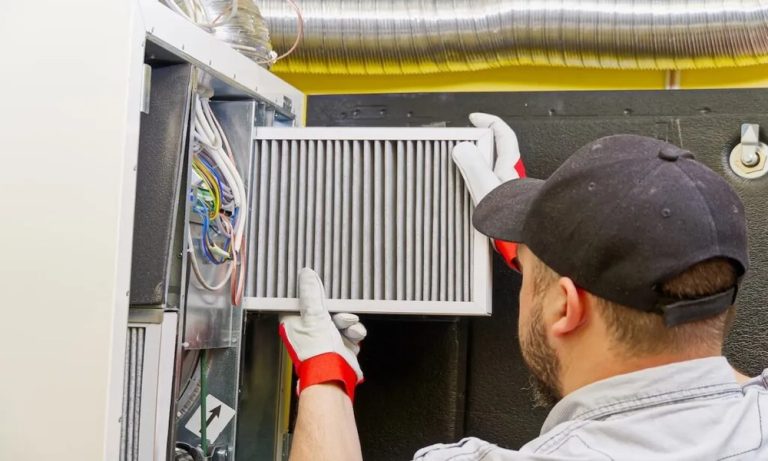
Builders should incorporate ventilation systems that allow for proper air exchange without compromising energy efficiency. This may include mechanical ventilation systems, air filters, or heat recovery units.

Failing to address ventilation can lead to issues such as mould growth, stale air, and occupant discomfort. A well-designed HVAC system balances airflow, filtration, and humidity control to create a healthier living or working space.

Coordination with Other Trades

HVAC installation does not occur in isolation. It must be coordinated with electrical, plumbing, and structural work to ensure everything fits together efficiently.

Clear communication between trades helps prevent delays and rework. For example, electrical wiring must align with HVAC equipment placement, while plumbing systems may interact with heating components.

Builders who prioritise collaboration and planning can avoid common conflicts and keep the project on schedule.

Key HVAC Considerations at a Glance

To simplify planning, builders should keep the following essential points in mind:

  • Plan HVAC systems during the design phase, not after construction begins
  • Ensure accurate load calculations for correct system sizing
  • Prioritise energy efficiency to meet regulations and reduce long-term costs
  • Design ductwork carefully to avoid airflow issues and energy loss
  • Incorporate proper ventilation to maintain indoor air quality
  • Coordinate HVAC installation with other construction trades
  • Choose reliable professionals with experience in construction-focused HVAC work

These steps help create a more efficient, reliable, and future-ready building.

Future-Proofing HVAC Systems

Technology continues to evolve, and HVAC systems are no exception. Builders should consider future-proofing installations by allowing space for upgrades and integrating smart technologies.

Features such as programmable thermostats, zoning systems, and energy monitoring tools can enhance performance and user experience. Planning for these elements during construction is far easier than retrofitting them later.

Future-ready systems not only add value to the property but also ensure adaptability as technology and energy standards continue to advance.

Conclusion

HVAC systems are a fundamental part of any construction project, influencing comfort, efficiency, and long-term performance. Builders who prioritise HVAC planning from the beginning can avoid costly mistakes and deliver higher-quality results.

From accurate system sizing to proper ductwork design and ventilation, every detail matters. By collaborating with experienced professionals and considering both current needs and future possibilities, builders can create spaces that are comfortable, efficient, and built to last.

Trees are strong, but they are not problem-proof. They deal with storms, insects, dry weather, soil pressure, and sometimes even damage from lawn equipment. Most of the time, they recover on their own. But sometimes, a tree starts showing small warning signs that something is wrong.

A few thin branches. Leaves dropping too early. Cracked bark. Mushrooms near the base. These signs may not look serious at first, but they can point to deeper issues.

Knowing when to call a professional for tree restoration can help save the tree, reduce safety risks, and prevent bigger problems later.

The Canopy Looks Thin or Weak

A healthy tree should have a full, balanced canopy during its growing season. If the leaves look sparse, pale, or patchy, the tree may be under stress.

This can happen because of:

  • Drought
  • Poor soil
  • Root damage
  • Soil compaction
  • Pests
  • Disease

A tree care professional can inspect the root zone, soil condition, and canopy health. Tree restoration may include deep watering, soil improvement, careful pruning, or pest treatment.

Dead Branches Are Easy to See

Dead branches are more than an appearance issue. They can become safety hazards, especially during wind or storms.

Look for branches that are dry, brittle, gray, or missing buds. If deadwood appears high in the tree or near walkways, driveways, roofs, or power lines, it is time to call a professional.

Proper crown cleaning removes dead branches while protecting healthy wood. Done correctly, it helps the tree use its energy on living growth.

Suckers or Fast-Growing Shoots Appear

Suckers are quick-growing shoots that may appear around the base, trunk, or large limbs. They often show up when a tree is stressed or trying to replace lost growth.

It may be tempting to cut them all off right away, but that is not always best. Removing too much growth at once can add more stress.

A restoration plan may thin these shoots slowly, train stronger growth, and address the reason they appeared in the first place.

Bark Is Cracked, Bleeding, or Sunken

Cracked bark, oozing sap, or sunken areas on the trunk can be signs of injury, disease, or decay. Sometimes the damage comes from sunscald, equipment impact, pests, or infection.

Small wounds may heal if the tree is healthy. Larger cankers or spreading cracks need professional attention.

Take photos and note the date when you first see the problem. This helps track whether the damage is improving or getting worse.

Mushrooms or Fungi Grow Near the Base

Mushrooms near a tree do not always mean the tree is dying. But fungi growing around the trunk or root flare can be a warning sign of decay.

Shelf-like fungi on the trunk are especially important to inspect. These can point to internal wood decay.

A professional may check the tree’s structure, root stability, and decay level. In some cases, the tree may be restored with pruning, soil care, and weight reduction. In other cases, support or removal may be safer.

The Tree Started Leaning After a Storm

A tree that has leaned for many years may be stable. But a new lean after a storm is different.

Call a professional if you notice:

  • Fresh soil lifting near the roots
  • A sudden lean
  • Cracks in the ground
  • Exposed roots
  • Broken major limbs

This may mean the root plate has shifted. Early inspection gives you more options. Sometimes cabling, bracing, or selective pruning can help. Other times, removal may be the safest choice.

Insect Activity Looks Unusual

A few insects are normal. But heavy pest activity can weaken a tree fast.

Watch for:

  • Small exit holes
  • Sawdust-like material
  • Sticky honeydew
  • Webbing
  • Chewed leaves
  • Tip dieback
  • Sooty mold on leaves

Tree restoration may involve pruning, improving tree health, and using targeted pest control when needed.

The Soil Around the Tree Is Compacted

Roots need air and water. When soil becomes packed down from parking, construction, or heavy foot traffic, roots can struggle.

Signs of compacted soil include small leaves, yellowing leaves, poor growth, and thinning canopy.

A professional may recommend air spading, vertical mulching, compost, or a wider mulch ring. These steps help roots breathe and absorb water better.

The Tree Was Topped or Poorly Pruned

Bad pruning can damage a tree for years. Topping, flush cuts, and large torn wounds can lead to weak growth and decay.

If your tree has stubs, large cuts, or many weak sprouts, it may need structural restoration.

This process takes time. A professional may slowly train new leaders, remove weak attachments, and improve the tree’s shape over several seasons.

Simple Tree Check You Can Do This Week

Walk around your tree and look for:

  • Dead branches
  • Cracked or bleeding bark
  • Mushrooms near the base
  • Soil lifting around roots
  • Insect holes or sawdust
  • Thin canopy
  • Mulch piled against the trunk

Also check that the root flare is visible. Mulch should not touch the trunk. Keep it a few inches away.

Final Thoughts

Tree restoration is about helping a tree recover before the damage becomes too serious. Many problems can be managed if they are found early.

Call a professional when you see dead limbs, sudden leaning, cracked bark, fungi, pest damage, or major canopy thinning. A healthy tree needs good soil, strong structure, clean pruning, and enough space to grow.

A little attention now can help your tree stay safer, stronger, and healthier for years.

This post was written by a professional arborist at Tree Trimming Clearwater Florida. Robert Miller is the owner of Arbor Wise Professional Tree Care, a locally owned and operated tree service company that offers superb lawn care by the most experienced Arborists. Arborwise Tree Services is a tree removal company that offers stump removal, tree pruning, stump grinding, fertilization, and tree restoration. We have an extraordinary lawn care industry notoriety covering the Pinellas county area.

Selecting a new heating system for your property can feel like a daunting task. The market is filled with technical specifications, different brands, and models all vying for attention. Homeowners often face a complex web of decisions around kilowatts, efficiency ratings, and future-proof technology.

This detailed resource cuts through the confusion. It provides a clear, step-by-step roadmap for every critical choice you need to make. From understanding how a combi boiler works to comparing prices and installer recommendations, you will find professional insights here.

Choosing the right appliance is more than just buying a heater. It is a significant investment that affects your energy bills, daily comfort, and even your property’s value for many years. An informed decision leads to long-term efficiency and peace of mind.

This handbook covers everything from basic definitions to advanced considerations like hydrogen-ready solutions and warranty nuances. It draws on current market conditions and expert knowledge to offer impartial, factual guidance for your unique situation.

Key Takeaways

  • This resource provides a structured roadmap through the complex UK boiler market.
  • Informed selection impacts long-term energy costs, comfort levels, and property value.
  • The guide covers everything from technical specifications to installer advice.
  • It offers impartial information based on current industry expertise and real-world installations.
  • Readers will gain clarity on sizing, efficiency ratings, and future-proof technology options.
  • The focus is on helping homeowners make confident, long-term investment decisions.

Introduction and Overview

1. First Sentence Variations & Selection: * Variation 1: “Navigating the UK heating market requires clear, actionable information tailored to modern living.”

* Variation 2: “A well-chosen heating appliance is central to a home’s comfort, efficiency, and running costs.”

* Variation 3: “This resource distills complex technical data into practical advice for property owners.”

* Variation 4: “Understanding your options is the first step towards a reliable and cost-effective heating solution.”

* Variation 5: “Making a significant investment in your home’s infrastructure demands confidence and clarity.”

Choice: Variation 2: “A well-chosen heating appliance is central to a home’s comfort, efficiency, and running costs.” This sentence is chosen because it immediately establishes the core value proposition (comfort, efficiency, costs) in a simple, direct statement. It is fundamentally different from the provided sentence about the task being “daunting,” instead focusing on the outcome. It naturally incorporates the keywords “home” and “efficiency.”

2. Coverage of

: The text will articulate the guide’s purpose (demystifying selection, empowering decisions) and outline key topics for multiple audiences. It will cover the listed considerations: boiler types, sizing, efficiency, costs, warranties, installation, future tech, and professional insights, without simply listing them as bullet points. 3. Brand Voice: The tag is empty, so a default professional, authoritative, and helpful tone will be used, aligning with the “Professional” tone of voice specified. 4. Formatting: Will use `` for key advantages/features. A brief introductory paragraph will be used before the H3 headings, as instructed. Will not use bullet points in the final output; the draft bullet points are for understanding only. 5. Final HTML: Will be structured with H2, introductory paragraph, H3, content paragraph, H3, content paragraph. 6. Keyword Matrix & Density: Target ~180 words. Max repeats per keyword (2% density): (180/100)*2 = ~3.6, so aim for a max of 3 repeats for primary keywords. The prohibited phrase “Complete Guide to Choosing the Right Combi Boiler for UK Homes” must be used no more than twice; it will be avoided entirely in this section to reserve its use for the dedicated H2 heading later. Other keywords (guide, combi boilers, heating, home, boiler, system, efficiency, water) will be placed naturally. * `boiler`: Target 3 uses. * `combi boilers`: Target 2 uses. * `heating`: Target 2 uses. * `home`/`property`: Target 2 uses. * `efficiency`: Target 2 uses. * `system`: Target 2 uses. * `water`: Target 2 uses. * `guide`: Target 2 uses. 7. Readability: Paragraphs will be kept short (2-3 sentences max). Sentence structure will be varied but kept clear for an 8th/9th-grade level, targeting a Flesch score between 60-70. 8. Use of : The tag is empty, so no external data will be integrated. 9. Prohibited Actions: Will avoid keyword stuffing, ensure content is unique vs. Section 1, minimise passive voice, and avoid section references. The user has provided a detailed set of instructions for writing section 2 of an article about combi boilers for UK homeowners. I need to follow these instructions carefully. First, I need to analyze the requirements and plan my content in the

What is a Combi Boiler?

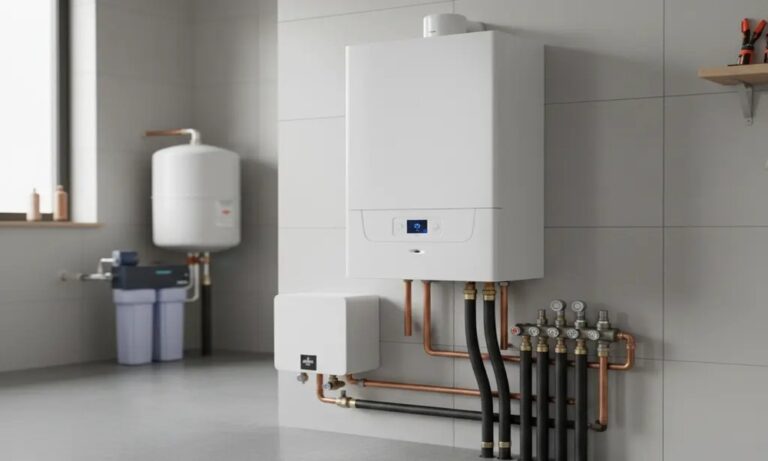
A combi boiler represents a modern, space-saving solution for heating and hot water in many UK properties. It integrates two vital home systems into a single, compact unit.

This design removes the need for separate hot water cylinders or cold water tanks in the loft. It is a popular choice for homes with limited space.

Definition and Essential Components

A combination, or ‘combi’, boiler is a wall-hung appliance. It provides central heating and instant domestic hot water directly from the mains.

Its key components work together within one casing. The main parts include a burner, a primary heat exchanger, a pump, and an expansion vessel.

The table below outlines the core components and their roles:

Component

Primary Function

Key Benefit

Heat Exchanger

Transfers heat from system water to fresh mains water

Enables instant hot water delivery

Burner

Ignites gas to heat the system water

Provides the primary source of heat

Expansion Vessel

Absorbs excess pressure from heated water

Protects the system from damage

Pump

Circulates hot water around the heating system

Ensures even heat distribution to radiators

Control Panel

Allows user adjustment of temperature and timing

Gives homeowners easy management of their system

How It Provides Instant Hot Water

When a hot tap is turned on, cold mains water flows into the boiler. It passes through a dedicated plate heat exchanger.

Inside this component, the cold fresh water is warmed by the separate, hot system water. The two streams never mix.

Heat transfers through metal plates, providing a continuous supply. This process happens on demand, so there is no stored water to run out or lose heat.

It delivers hot water whenever needed, without delay. This makes the system highly efficient for daily use.

Advantages and Disadvantages of Combi Boilers

The popularity of combi boilers stems from distinct advantages, yet certain limitations warrant careful consideration. A balanced view helps homeowners assess if this system aligns with their property’s specific needs.

Key Benefits for UK Homes

Space saving is a major benefit. Removing the bulky hot water cylinder frees up valuable storage areas, like airing cupboards. This is particularly useful in smaller homes.

Maintenance is often simpler and potentially less costly. Both heating and hot water functions are covered under one manufacturer’s warranty. This can streamline servicing and reduce long-term repair costs.

There is no long wait for hot water. The system provides instant hot water on demand whenever a tap is turned on. This daily convenience eliminates the delay of heating a stored cylinder.

Potential Limitations and Considerations

Performance relies heavily on good mains water pressure and flow rate. Properties with poor incoming pressure may experience weak shower flow or slow filling of baths.

Hot water flow is reduced when multiple outlets are used at once. Running two showers simultaneously effectively halves the available flow. This can be a problem in larger homes with several bathrooms.

An oversized combi boiler can be inefficient. Very large models designed for high hot water demand may operate inefficiently for central heating. Most UK homes only need 6-8kW for heating, even on cold days.

Aspect

Key Advantage

Primary Limitation

Space Usage

Eliminates need for water tanks and cylinders, freeing up room.

Not applicable; this is a consistent benefit.

System Maintenance

Single unit simplifies servicing under one warranty.

Complex internal components may require specialist repair.

Hot Water Delivery

Provides instant hot water on demand with no storage.

Flow rate drops if multiple taps or showers run together.

System Efficiency

High efficiency for on-demand hot water in suitable properties.

Oversized combi boilers can be inefficient for heating alone.

Property Suitability

Ideal for homes with good mains pressure and 1-2 bathrooms.

Less effective in properties with low water pressure or high simultaneous demand.

Sizing and Hot Water Requirements

Understanding litres per minute and kilowatts is essential for a proper fit. Selecting the correct appliance involves two distinct technical measurements.

Determining the Appropriate Boiler Size

A combi boiler’s size is defined by its heating output in kilowatts (kW) and its hot water flow rate in litres per minute (LPM). These units are primarily sized to meet domestic hot water demand.

This often means they are oversized for central heating. The average UK home only requires 6-8kW of heat on the coldest days.

An installer must correctly adjust the heating output. Otherwise, the system cycles inefficiently and wastes energy.

Calculating Hot Water Flow Rates

Hot water flow rate indicates how quickly the appliance can heat water for taps and showers. Models offer rates from around 9.8LPM up to 25LPM.

Homeowners should consider their number of bathrooms and simultaneous use. For example, running two showers halves the available flow to each.

A property with one bathroom typically needs a flow rate of about 10LPM. Homes with two or more bathrooms require a higher specification.

Good mains water pressure is critical. Combi boilers need at least 10 LPM incoming flow to operate correctly.

Properties with lower pressure may need a mains pump or accumulator tank. This ensures reliable performance for the household.

Complete Guide to Choosing the Right Combi Boiler for UK Homes

Before committing to a new appliance, a thorough assessment of your home’s infrastructure and usage patterns is crucial. This evaluation ensures the selected model aligns with your property’s specific demands.

Evaluating Home Heating Needs

Start by inspecting your current heating system’s age and condition. Older radiators or pipework buried in screed may leak when pressurised during a conversion to a sealed system.

Your property’s incoming water pressure and internal flow rates are critical. Combi boilers require minimum performance standards to operate effectively. A qualified engineer should test these before installation.

Consider the number of bathrooms and typical usage. While flow rates of 10-25 litres per minute suit most one- or two-bathroom homes, larger properties may need alternative solutions. Simultaneous shower use can halve the available flow.

Boiler size, measured in kilowatts, should match your property. Small apartments often need up to 28kW, mid-sized homes 26-32kW, and larger homes with multiple bathrooms 30-35+kW.

Finally, weigh the costs. Switching from a heat-only or system boiler involves higher installation expenses. Balance these against the benefits of space saving and potential warranty coverage.

Price, Installation Costs and Warranty Considerations

Homeowners must weigh upfront costs against long-term value when investing in a new boiler. This financial assessment covers the purchase price, installation fees, and the critical protection offered by warranties.

Comparing Boiler Prices and Models

Over one hundred combi boiler models are available in the UK market. Prices vary significantly based on brand reputation, build quality, and efficiency ratings.

Budget-friendly options start around £750, while premium models can exceed £2,000. Specialist oil-fired units may cost £3,000 or more.

Choosing solely on the lowest purchase price is often a false economy. Higher-quality, energy-efficient models typically save money on future bills and repairs.

Understanding Warranty Terms

A manufacturer’s warranty is a key indicator of confidence in their product. Standard coverage often ranges from 2 to 5 years for many gas models.

Premium brands frequently offer extended warranties of 10 years or more. These are usually conditional on professional installation by an accredited engineer.

Some manufacturers provide extensions up to 18 years. Always read the terms to understand what is covered and the required maintenance schedule.

Installation and Maintenance Cost Factors

Installation costs depend on job complexity. A straightforward combi replacement is less expensive than converting from a system with a cylinder.

Annual servicing by a Gas Safe engineer is essential. This maintains warranty validity, ensures safety, and preserves the unit’s efficiency.

Budgeting for this ongoing cost is part of responsible ownership. It helps avoid expensive emergency repairs later.

Model Example

Price Range

Typical Warranty Length

Key Consideration

Vokera Evolve C

£750 – £1,070

2-5 years

Budget-friendly entry point

Ideal Logic Max

£1,130 – £1,670

7-10 years

Strong mid-range value

Vaillant ecoTEC Plus

£1,500 – £2,100

5-10 years

Premium brand reliability

Worcester Bosch Greenstar 8000 Style

£1,630 – £1,800

10-12 years

Long warranty & strong support

Combi Boiler Efficiencies and Condensing Technology

Condensing technology represents a significant leap forward in domestic heating efficiency across the UK. This advancement allows modern appliances to convert more fuel into usable warmth for your home.

Efficiency Ratings and Energy Savings Explained

Boilers carry an A to G efficiency rating. An A-rated model operates at 90% efficiency or higher, making it the most economical choice.

Older G-rated units waste substantial energy. Upgrading to a modern combi boiler can save several hundred pounds each year on heating bills.

This higher efficiency directly reduces gas consumption. It benefits both household budgets and the environment.

The Role of Condensing Technology

This technology recovers heat that would otherwise escape via the flue. It condenses water vapour from exhaust gases to preheat cold water entering the system.

For a boiler to operate in this efficient ‘condensing mode’, return water temperatures must be around 54°C or lower. Many systems fail here because they use oversized boilers.

When the boiler output exceeds the property’s actual heat requirement, return temperatures stay too high. This prevents proper condensing and slashes real-world efficiency.

Correct sizing and proper system design are therefore essential. They ensure the boiler can maximise its condensing potential for lasting cost savings.

Comparison of Combi and System Boilers

The decision between these two common heating systems hinges on household water usage and available space. Each offers distinct benefits for different property types and family routines.

Pros and Cons of Each System

Combi boilers provide instant hot water on demand without a storage cylinder. This saves significant space in smaller homes and flats. However, the flow rate can drop if multiple taps are used simultaneously.

System boilers use a separate hot water cylinder to store heated water. They maintain constant pressure for several showers running at once. The trade-off is they require more installation space for the cylinder.

Matching Systems to Home Requirements

Consider your bathroom count and typical usage patterns. A system boiler often suits larger homes with high simultaneous hot water demand. A combi may be ideal for compact properties with one bathroom.

For very high flow needs, a hybrid setup can be effective. A smaller combi boiler works with a compact storage cylinder. This balances space savings with strong performance for busy households.

Aspect

Combi Boiler

System Boiler

Space Required

Minimal; no cylinder needed

More; requires cylinder space

Hot Water Delivery

Instant, but flow shared between outlets

From store, constant pressure for multiple outlets

Ideal Property Size

Small to medium homes, 1-2 bathrooms

Larger homes, 2+ bathrooms, high demand

System Compatibility

Best for newer, sealed systems

Works well with older heating systems

Expert Insights from Abercorn Heating Ltd

Industry expertise reveals the critical factors that separate a satisfactory installation from an exceptional one. Professional guidance helps homeowners navigate technical choices with confidence.

This section shares knowledge from Abercorn Heating Ltd. Their experience highlights best practices often overlooked in standard buying guides.

Industry-Leading Expertise and Trends

Accurate sizing remains the most vital step. An oversized gas boiler wastes energy, while an undersized one struggles to heat your home.

Engineers conduct thorough property surveys. They assess insulation, radiator count, and water pressure before recommending specific combi models.

Current trends focus on future-proofing. Hydrogen-ready boilers and smart controls that adjust output based on weather are gaining popularity.

Real-World Installation Experiences

Proper system preparation is non-negotiable. A full power flush cleans pipes far better than a simple chemical clean.

“A clean system is the best guarantee of efficiency and longevity for any new boiler,” note experienced installers. This step prevents early failures.

Homeowner education is also key. Customers should understand basic controls and the importance of annual servicing for their gas appliance.

Expert Practice

Common Oversight

Impact on Performance

Conducting a full heat loss calculation

Selecting boiler size based on property age alone

Ensures optimal efficiency and comfort

Performing a comprehensive power flush

Using only inhibitor chemicals

Protects the new boiler from sludge damage

Installing smart weather compensation controls

Using basic on/off thermostats

Modulates output for consistent heat and savings

Providing clear homeowner handover and guidance

Assuming users will read the manual

Promotes correct use and early fault detection

Reliability, Maintenance and Aftercare for Long-Lasting Performance

Protecting your investment in a new boiler requires a commitment to regular maintenance. Consistent care ensures the system operates safely and efficiently for many years.

A proactive approach prevents small issues from becoming expensive emergencies. It also preserves the manufacturer’s warranty and your peace of mind.

Routine Servicing Benefits

Annual servicing by a Gas Safe engineer is essential. This visit keeps the warranty valid and checks for safety.

Regular maintenance helps the boiler run at its peak efficiency. This saves money on energy bills over time.

“A well-serviced boiler is a reliable boiler,” experienced engineers often state. It also extends the unit’s operational lifespan significantly.

Troubleshooting Common Issues

Homeowners can address some minor problems. A gradual loss of pressure, for example, often needs a simple top-up via the filling loop.

Intermittent hot water might indicate a flow issue. Unusual noises like gurgling could signal trapped air in the system.

Certain warning signs demand immediate professional help. These include persistent error codes, gas smells, or loud kettling sounds from limescale.

Common Issue

Possible Cause

Homeowner Action

Professional Required?

No heating or hot water

Faulty thermostat, low pressure, or electrical issue

Check thermostat settings and system pressure

Yes, if basic checks fail

Boiler pressure too low

Small system leak or recently bled radiators

Repressurise using the filling loop (if confident)

Yes, if pressure drops repeatedly

Gurgling or banging noises

Air in the system or pump problem

Bleed radiators to release air

Yes, if noises persist

Pilot light keeps going out

Faulty thermocouple or draught

None – do not attempt to relight repeatedly

Yes, immediately

Leaking or dripping water

Failed seal or internal component

Place a container to catch water

Yes, immediately

Innovative Installation and Service Recommendations

Professional installation is the cornerstone of a safe, reliable, and high-performing boiler. The right engineer ensures the system operates at peak efficiency from day one.

Choosing a Qualified Installer

Homeowners must always select a Gas Safe registered installer. This legal requirement guarantees the engineer is qualified to work on gas appliances.

Always verify the current Gas Safe registration before work begins. Look for companies with strong reviews and a proven track record.

Ensuring Safety and Regulatory Compliance

Safety extends beyond registration. Proper flue termination, gas pipe sizing, and condensate drainage are critical.

Installations must follow Building Regulations, regardless of location. Boilers can be fitted in kitchens, utility rooms, or even built-in cupboards if ventilation is adequate.

Professional Recommendations by Abercorn Heating

Experts at Abercorn Heating emphasise never cutting corners. A complete power flush protects the new combi boiler from sludge damage.

“Proper commissioning is what separates a good installation from a great one,” they note. This ensures warranty validity and long-term performance.

Safety Aspect

Regulatory Requirement

Professional Action

Flue gas discharge

Building Regulations Part J

Correct flue termination away from openings

Gas supply adequacy

Gas Safety (Installation & Use) Regulations

Sizing gas pipe to boiler demand

Condensate drainage

Prevent freezing and blockage

Insulating pipework and providing fall

Ventilation for cupboard installs

Adequate airflow for combustion

Ensuring sufficient clearance and vents

Conclusion

Armed with knowledge, homeowners can confidently select a heating solution that fits their life. The right combi boiler is a significant investment in daily comfort and long-term savings.

Selecting the best boiler requires balancing your home size, hot water needs, and efficiency goals. A professional assessment ensures the system matches your property’s specific demands.

Remember, the cheapest option might cost more over time. Investing in a quality, high-efficiency combi boiler from a reputable brand delivers superior value.

Always use a Gas Safe registered installer and understand the warranty terms. Your new heating system will provide reliable warmth and hot water for years to come.

FAQ

How do I know what size combi boiler my property needs?

Selecting the correct size is crucial for efficiency. A qualified heating engineer will calculate your home’s specific heat loss, considering factors like property size, insulation levels, and the number of radiators. They also assess your hot water demands based on bathroom count and typical usage to recommend a unit with adequate output.

What is the typical price range for a new combi boiler and its installation?

The total cost varies significantly. A standard gas combi boiler unit can range from £600 to £2,500. With installation by a Gas Safe registered engineer, total costs often fall between £2,000 and £4,000. The final price depends on the model’s complexity, your home’s layout, and any necessary upgrades to pipework or systems.

What does a boiler’s efficiency rating mean for my bills?

Modern combi boilers are condensing units with high ErP efficiency ratings, typically above 90%. An ‘A’ rated boiler converts over 90% of its fuel into usable heat, minimising waste. This high efficiency directly translates to lower energy consumption and substantial cost savings on your annual heating bills.

Should I choose a combi boiler or a system boiler for my home?

A combi provides instant hot water directly from the mains, saving space as it doesn’t need a tank. It suits smaller homes with one bathroom. A system boiler works with a cylinder, making it better for larger properties with higher simultaneous hot water demand. An engineer can advise on the best heating system for your home needs.

How important is the warranty length when buying a new boiler?

The warranty length is a key indicator of the manufacturer’s confidence in their product. Longer warranties, often up to 10 or 12 years on premium models, provide long-term peace of mind. Always ensure the warranty terms are valid with annual servicing by a Gas Safe engineer.

What regular maintenance does a combi boiler require?

An annual service by a qualified technician is essential. This maintenance includes checking safety devices, cleaning key components like the heat exchanger, and ensuring the system operates safely and efficiently. Regular servicing maintains performance, helps prevent breakdowns, and is usually a requirement of the manufacturer’s warranty.

Why must my boiler installer be Gas Safe registered?

It is a legal requirement in the UK. The Gas Safe register is the official list of engineers legally permitted to work on gas appliances. Using a Gas Safe registered installer ensures the work meets strict safety standards, protects your household, and keeps your boiler’s warranty valid.

Can a combi boiler supply enough hot water for a family showering at the same time?

This depends on the unit’s output and your mains water pressure. A higher-output boiler (e.g., 35kW+) can often supply two outlets at once, like a shower and a tap, if the mains water flow rate is sufficient. For larger families, discussing your typical usage patterns with an expert like Abercorn Heating Ltd is advised to select a model with suitable performance.

What are some common issues I might encounter with a combi boiler?

Common issues include low water pressure, shown on the system’s gauge, which may need repressurising. Other faults can involve the ignition, thermostat, or a frozen condensate pipe in winter. Many modern boilers display error codes to help diagnose problems, but repairs should always be conducted by a professional.

How do I calculate my home’s hot water flow rate?

A simple test involves timing how long it takes to fill a known volume, like a 1-litre jug, at your kitchen cold tap on full flow. You can then calculate litres per minute. For an accurate assessment of your home’s capacity to run a powerful shower, a heating professional will perform a dynamic water pressure test to ensure your new boiler will operate effectively.


Understanding the Core Differences

Purpose and Usage

Commercial and residential pool construction may appear similar at a glance, but their purposes shape every aspect of design and execution. Residential pools are built for private enjoyment, relaxation, and aesthetic appeal. Homeowners often prioritize customization, comfort, and features that reflect personal style.

Commercial pools, on the other hand, are designed for high traffic and public use. Hotels, resorts, fitness centers, and community facilities require pools that can handle continuous usage while maintaining safety and durability. The focus shifts from personalization to functionality, compliance, and long-term performance.

Design and Structural Requirements

Residential pools allow for creative freedom. Shapes, finishes, and features like waterfalls or integrated spas are tailored to complement the home’s architecture and the owner’s vision. Structural demands are less intensive because usage is limited to a smaller group.

Commercial pools require more robust engineering. They must meet strict structural standards to support larger volumes of water and frequent use. Depth markers, accessibility features, and clearly defined entry and exit points are essential components. The design must also ensure smooth circulation and efficient maintenance.

Regulations and Compliance

Safety Standards

One of the most significant differences lies in regulatory requirements. Residential pools must follow local building codes, but these are generally less complex than those governing commercial installations.

Commercial pools must comply with extensive health and safety regulations. These include proper filtration systems, sanitation protocols, and safety equipment. Inspections are more frequent, and adherence to guidelines is critical to avoid operational issues.

Permits and Approvals

Obtaining permits for a residential pool is usually straightforward, involving local authorities and standard documentation. The process is typically quicker and less demanding.

For commercial pools, the approval process is more rigorous. Detailed plans, engineering reports, and compliance documentation are required before construction begins. This ensures the facility meets all public safety and health standards.

Cost and Maintenance Considerations

Initial Investment

Residential pool construction costs vary based on design complexity and materials. While still a significant investment, it is generally more manageable compared to commercial projects.

Commercial pools involve higher upfront costs due to larger scale, advanced systems, and regulatory requirements. The need for durable materials and specialized equipment also contributes to the overall expense.

Ongoing Maintenance

Maintenance for residential pools is relatively simple and can often be managed by homeowners or routine service providers. Cleaning, chemical balancing, and occasional repairs keep the pool in good condition.

Commercial pools demand a more intensive maintenance schedule. Regular monitoring, professional servicing, and strict adherence to sanitation standards are necessary to ensure safety and longevity.

Choosing the Right Approach

Whether building a residential retreat or a commercial facility, understanding these differences is essential. Each type of pool requires a tailored approach to design, construction, and maintenance. Working with experienced professionals ensures that the final result meets expectations, complies with regulations, and delivers lasting value.

This post was written by a professional at https://sunsationpools.com. Sunsation Pools & Spas, Inc. is a full-service pool and deck construction company in Largo, FL, specializing in remodeling and design. As one of the leading pool and deck construction companies near you, we serve clients throughout the Tampa Bay Area. Our experienced team provides expert guidance and reliable solutions, making us a trusted choice for pool and deck construction near you focused on quality, value, and performance.

If a tree grows in according to its own desires it, it follows the light and space. The branches cross. Crowns get thicker. Shade deepens. It appears to be like it’s full from the street, certain, but within the canopy, the air slows down and light struggles reach the lawn, leaves, and the garden beds below. Proper trimming can alter the dynamic, without removing its character. It is not a quest to make the tree the form of a statue. You’re giving it space to breathe and gives it a greater chance of staying fit and healthy.

Why is it that the sun matters more than it appears

Leaves are like solar panels. If the foliage inside is overwhelmed by the outer growth, the inner part of the crown is no longer productive. The shoots thinning. Deadwood appears. If you are careful about thinning, sunlight can get several feet deep into the canopy. This extra light stimulates stronger buds on the inside, supports well-balanced growth, and helps to avoid the “green shell and brown central” pattern that usually precedes more severe failures. The ground the turf and beds receive sufficient sunlight to allow photosynthesizing which means you’ll see fewer empty patches along the dripline.

Airflow can help lower pressure in the body that causes disease.

However, the humid air in a tightly-spaced crown can be a silent invitation to fungal diseases such as powdery mildew, anthracnose and sooty molds. By eliminating rubbing, inward-growing and overcrowded branches you make channels for air to flow through. A slight increase in airflow will help leaves dry out after the rain, or after irrigation. Drying faster means that spores have less time to grow. Also, it discourages insects that thrive in the shaded, stagnant microclimates. It is not necessary to have a wind tunnel. All you need is an area that is no longer the tent that is damp.

The trimming techniques can actually benefit

Every cut doesn’t move the needle. Certain techniques that have been proven to work will do the majority of the work.

  • Crown thinning is the process of selectively removing tiny branches that are competing (often around 1-2 inches) to create a canopy but keeping the its natural shape. The objective is light that diffuses but not the harsh sunlight.
  • Crown cleaning: taking out dead or damaged joints so healthy tissue doesn’t have to take on additional risk.
  • The raising of the crown (when appropriate) (when appropriate): Lifting the canopy’s lower part to allow airflow and light underneath, which may assist with pathways, turf or sight lines.
  • The Structural Pruning (young trees) Choose a sturdy center leader and spacing the scaffold branches and removing stems that are dominant early, so the tree grows well-balanced and less dense.

The most common thread is restriction. A lot of light cuts that are well-placed are superior to a few heavier ones.

Avoid the most costly mistake of under-thinning

The excessive removal of foliage causes sunscald on the bark that was previously shaded and can trigger water sprout explosions and could weaken the tree during wind. It is advisable to limit the removal of live foliage to the amount that the species can tolerate and what the tree’s vigor capacity can allow, typically around 10-20% per time for older trees. If the crown is very dense, you should spread the work out over two seasons. The tree will respond to improve.

The timing helps the tree to recover

Prune when the pressure of disease is less and the tree can close wounds effectively. In the late winter and early spring, pruning is a good time to prune many species, whereas summer touch-ups can slow vigorous growth. Avoid pruning too heavily when you are experiencing drought stress or leaf-out in the event that you’re removing a risk. Clean sharp tools, sharp tools, and the correct cuts that do not extend beyond the collar of the branches let the tree’s natural defenses to close wounds and prevent decay.

Benefits that you can actually see

In the next few weeks, you’ll notice more dappled light under the canopy. The grass will fill in. Garden beds get livelier. After a storm leaves dry out faster and branches move instead of thrashing. In time, you’ll likely notice less dead twigs in the crown, as well as a decrease of minor fungal leaf problems. The tree appears more distinct like someone has removed the mess and the structure has finally revealed.

A quick overview prior to starting

  1. Take a step back and observe how the crown appears constricted versus clear.
  2. Choose dead, crossing or branches that are growing inward–these are simple to win.
  3. Start starting from outside, and then step back frequently to maintain the natural shape.
  4. Cut three steps in the right way on limbs that are larger to avoid the limbs from tearing.
  5. Make sure to stop before it appears “done.” When you think that another run might be helpful you, it’s probably the right time to stop.

The bottom line is that the proper trimming of trees invites airflow and sunlight to the canopy. The one-time change will result in better interior growth as well as cooler, drier leaves and healthier groundcover beneath. Cut the right way at the right time and in the correct quantity, and your tree will be grateful in the best way possible–by being strong and appearing alive.

This post was written by a professional arborist at Tree Removal Largo FL. Robert Miller is the owner of Arbor Wise Professional Tree Care, a locally owned and operated tree service company that offers superb lawn care by the most experienced Arborists. Arborwise Tree Services is a tree removal company that offers stump removal, tree pruning, stump grinding, fertilization, and tree restoration. We have an extraordinary lawn care industry notoriety covering the Pinellas county area.

In a market filled with mid-sized homes and compact layouts, true four-bedroom residences are limited. For buyers seeking space, privacy, and a strong location advantage, Western Marina stands apart. Positioned in Nanakramguda, close to Hyderabad’s Financial District, it offers a residential experience designed for families who want more than just square footage.

4BHK Apartments Near Financial District

The demand for 4BHK apartments near the Financial District has grown as senior professionals and business owners look for homes that reflect both lifestyle and long-term planning. Larger homes allow flexibility for growing children, visiting parents, and dedicated work-from-home spaces. They also offer a level of privacy that smaller configurations often cannot provide.

Western Marina responds to this demand with well-planned four-bedroom residences that focus on proportion and comfort. Each home is designed to ensure that common areas and private bedrooms function independently without overlap. Natural light and ventilation are prioritised, enhancing everyday living. Living close to the Financial District means shorter commutes and better access to corporate hubs, while still enjoying a residential environment that feels composed.

Western Marina Nanakramguda

Western Marina Nanakramguda benefits from one of the most strategic locations in Hyderabad. Nanakramguda has developed into a premium micro market due to its proximity to IT campuses, global companies, and high-end social infrastructure. Connectivity to Gachibowli, the Outer Ring Road, and key commercial zones adds to its appeal.

Within this setting, Western Marina Nanakramguda distinguishes itself through scale and exclusivity. Fewer residences per floor, organised internal planning, and a clear focus on spacious layouts contribute to a more private living experience. This exclusivity appeals to families who value discretion and a quieter residential environment despite being close to a major business district.

For buyers evaluating 4BHK apartments near the Financial District, location and layout must align. Western Marina brings both together in a neighbourhood that continues to strengthen in value and reputation. Its position in Nanakramguda ensures long-term connectivity, while the generous home sizes support evolving family needs.

In a corridor known for rapid growth, Western Marina Nanakramguda offers a rare combination of space, access, and exclusivity, making it one of the most compelling four-bedroom addresses near Hyderabad’s Financial District.

In recent years, the concept of owning a second home has gained immense popularity among urban residents, especially those living in fast-paced metropolitan cities like Bangalore. Many people are now seeking peaceful retreats away from crowded city life, where they can relax, reconnect with nature, and enjoy a slower pace of living. Nandi Hills, located just a short drive from Bangalore, has emerged as one of the most sought-after locations for second homes due to its scenic beauty, pleasant climate, and convenient accessibility.

The demand for Nandi Hills villas has grown significantly as more homebuyers look for properties that offer both comfort and tranquility. These villas often feature spacious layouts, private gardens, and panoramic views of the surrounding hills, making them ideal for weekend getaways or holiday homes.

For many buyers, investing in a 3 bhk villa in Bangalore near Nandi Hills represents the perfect balance between urban convenience and natural serenity. Such properties provide the benefits of living close to the city while still offering the peace and calm of a countryside environment.

The Appeal of Nandi Hills as a Lifestyle Destination

Nandi Hills has long been known as one of the most beautiful hill stations near Bangalore. Famous for its breathtaking sunrise views, cool climate, and lush greenery, the region attracts tourists and nature enthusiasts throughout the year.

In recent times, however, the region has evolved from a tourist destination into a desirable residential location. Improved road connectivity and infrastructure development have made it easier for city residents to access the area, transforming it into a practical option for second-home investments.

The serene environment of the region offers a refreshing escape from the stress and pollution of city life. Residents can enjoy peaceful surroundings, scenic landscapes, and fresh air, making it an ideal place to unwind and rejuvenate.

Proximity to Bangalore and Easy Connectivity

One of the main reasons behind the rising demand for second homes in the region is its proximity to Bangalore. Located approximately 60 kilometers from the city, the region is easily accessible by road.

Major highways and well-maintained roads make travel between Bangalore and Nandi Hills convenient for weekend trips. Many professionals and families prefer locations that allow them to escape the city quickly without spending hours commuting.

The presence of Kempegowda International Airport nearby further enhances the area’s accessibility. This makes it an attractive option not only for local residents but also for investors and travelers who frequently visit Bangalore.

Improved connectivity ensures that second homes in this region remain both convenient and valuable.

Growing Interest in Wellness and Nature-Based Living

Modern lifestyles often involve long working hours, traffic congestion, and limited access to natural spaces. As a result, many people are now prioritizing wellness and mental wellbeing when choosing property investments.

Second homes in this scenic location offer an opportunity to reconnect with nature. Residents can enjoy outdoor activities such as hiking, cycling, and nature walks, which contribute to a healthier and more balanced lifestyle.

The peaceful environment of the hills also encourages relaxation and mindfulness. Spending time in natural surroundings can help reduce stress, improve mood, and promote overall wellbeing.

For many urban residents, owning a second home in a natural setting represents an investment in both lifestyle and health.

Attractive Investment Opportunities

Beyond lifestyle benefits, second homes in the region also offer promising investment opportunities. As demand for vacation homes continues to grow, property values in scenic locations are expected to appreciate over time.

Investors often choose properties in emerging destinations that show strong potential for future development. The region has witnessed increasing interest from real estate developers who are creating residential communities designed for luxury and comfort.

These developments typically feature modern architecture, landscaped surroundings, and high-quality construction. As infrastructure improves and demand increases, property prices in the area are likely to rise.

For investors seeking long-term returns, purchasing a second home in a developing location can be a strategic financial decision.

Modern Amenities and Gated Communities

Another factor contributing to the popularity of second homes in the region is the availability of well-planned residential communities. Developers are building gated villa communities that provide a combination of luxury living and natural surroundings.

These communities often include amenities designed to enhance the living experience for residents. Some common features found in modern villa projects include:

  • Clubhouses and recreational facilities
  • Landscaped gardens and walking trails
  • Swimming pools and fitness centers
  • Security systems and gated access
  • Community spaces for social gatherings

Such amenities ensure that homeowners can enjoy both comfort and convenience while staying close to nature.

Weekend Living and Remote Work Opportunities

The rise of remote work has significantly influenced real estate preferences in recent years. Many professionals now have the flexibility to work from locations outside the city, making second homes more practical than ever before.

A peaceful environment provides an ideal setting for remote work. With reliable internet connectivity and comfortable living spaces, homeowners can work productively while enjoying scenic surroundings.

Weekend homes are also becoming popular among families who want to spend quality time together away from the distractions of city life. A short drive to the hills allows families to relax, explore nature, and create memorable experiences.

The ability to combine work and leisure in a single location has made second homes increasingly attractive.

Tourism and Rental Income Potential

Second homes in popular tourist destinations often provide opportunities for rental income. The region attracts visitors throughout the year, especially during weekends and holidays.

Property owners can rent out their villas to travelers seeking short-term accommodations. This can generate additional income when the property is not being used by the owner.

Vacation rentals are particularly popular among families and groups looking for private and comfortable accommodations near scenic locations.

By offering rental options, homeowners can maximize the financial benefits of their investment while still enjoying the property themselves.

Future Growth of Real Estate in Nandi Hills

The future outlook for real estate in the region appears promising. Continued infrastructure improvements and growing interest in second homes are expected to drive demand in the region.

Developers are increasingly focusing on eco-friendly and sustainable residential projects that blend modern living with natural surroundings. These developments appeal to buyers who value both comfort and environmental responsibility.

As Bangalore continues to expand and urban areas become more crowded, nearby scenic locations are likely to attract even greater interest from property buyers.

Conclusion

The growing demand for second homes in the region reflects a broader shift in lifestyle preferences among urban residents. As people seek balance between work, relaxation, and wellbeing, peaceful destinations close to the city have become increasingly attractive.

With its scenic landscapes, pleasant climate, and convenient connectivity to Bangalore, Nandi Hills offers an ideal setting for vacation homes and weekend retreats. The region also provides promising investment opportunities as property values continue to rise.

Whether purchased for personal use, remote work, or rental income, second homes in the region represent a unique opportunity to combine lifestyle benefits with long-term financial potential. As interest in nature-focused living continues to grow, this picturesque hill destination is likely to remain a sought-after choice for property buyers in the years ahead.

The right bathroom faucet does more than deliver water. It transforms the entire look and feel of your space, while impacting function every day. Deciding which faucet to buy, and how to install it, can seem intimidating for first-timers. With the right know-how, however, you can upgrade your bathroom quickly and confidently, no plumbing degree required.

What Types of Bathroom Faucets Are Available and Which One Is Right for You?

Choosing a faucet style is your starting point. But what styles are out there, and what do they mean for your installation process?

What Are the Most Common Faucet Styles?

Single-hole faucets are compact and minimalist. They combine spout and handle in one unit, perfect for smaller sinks or a streamlined look. Widespread faucets come as three separate pieces (spout plus two handles), offering a classic, customizable appearance, but require more counter space. Centerset faucets combine all parts on a single base, fitting standard pre-drilled sinks and making installation a breeze. Wall-mounted faucets, as the name suggests, are installed on the wall above the sink, often lending a spa-like feel, but these require precise plumbing placement.

How Do Different Faucet Types Affect Installation?

Single-hole and centerset faucets typically install into one or three holes respectively, making them beginner-friendly. Widespread models need more measuring and alignment but provide design flexibility. Wall-mounted versions are the trickiest, as they require running plumbing lines inside the wall, usually best left to professionals unless your bathroom is already under renovation.

Which Faucet Materials and Finishes Should You Consider?

Brass is prized for durability, while stainless steel resists corrosion and fingerprints. Chrome is easy to clean, affordable, and versatile, making it a default choice for many. Matte black, brushed nickel, and trendy gold tones can elevate the look but may require more attentive cleaning to keep them looking fresh.

What Tools and Materials Do You Need Before Starting?

Preparation saves time and headaches. Having everything on hand helps your project go smoothly from the first bolt to the last water test.

Essential Tools for Faucet Installation

– Adjustable wrench

– Basin wrench (for tight spaces)

– Plumber’s tape

– Screwdriver set

– Bucket or towels (to catch drips)

Additional Supplies to Keep on Hand

Consider picking up flexible supply lines and replacement shut-off valves if your existing ones are dated or corroded. Silicone caulk helps seal and prevent leaks around the faucet base.

How to Prepare Your Workspace for Success

Clear out everything from under the sink. Place a towel or shallow pan to catch residual water. Shut off both hot and cold water valves under the sink and turn on the faucet to drain any remaining water.

How Do You Remove Your Old Bathroom Faucet Safely?

With tools and workspace ready, it’s time to say goodbye to your old faucet.

What Steps Ensure a Smooth Removal Process?

First, disconnect supply lines at the shut-off valves. Use your wrench to loosen and remove mounting nuts holding the faucet in place. Gently lift out the old faucet, taking care not to scratch your sink.

How to Handle Common Removal Challenges

Rusty or stuck nuts are a common headache. Apply penetrating oil and wait a few minutes, then try again. For tight spaces, a basin wrench is invaluable. If you discover damaged plumbing or suspect hidden leaks, pause the project.

When to Call a Professional Instead

Major corrosion, damaged shut-off valves, or leaking pipes are signs you should consult a plumber rather than risk bigger issues.

How Do You Install a New Bathroom Faucet Step-by-Step?

A fresh faucet can be installed in under an hour with patience and attention to detail.

How to Assemble the Faucet Components

Follow the manufacturer’s instructions for pre-assembly. This often involves attaching gaskets or sealing rings to the base and possibly pre-connecting parts under the sink.

What Are the Key Steps for Proper Placement and Mounting?

Lower the faucet into the sink holes, making sure everything aligns. Secure from underneath with mounting nuts, tightening evenly to avoid shifting.

How to Connect the Water Supply Lines Correctly

Attach new or cleaned supply lines to the faucet shanks, then to the shut-off valves. Use plumber’s tape for a watertight seal.

How to Test for Leaks and Proper Function

Turn the water supply back on, then open the faucet handles. Check all connections for leaks and tighten as needed. Let the water run a minute to clear debris.

How Do You Troubleshoot Common Faucet Installation Problems?

Even a careful job can run into surprises.

What to Do If Water Is Leaking

Check all connections for tightness. If leaks persist, remove and reapply plumber’s tape to threads, or check that gaskets are seated correctly.

How to Fix Low Water Pressure Issues

Make sure the supply valves are fully open. Remove and rinse the aerator at the faucet tip to clear sediment.

How to Address Alignment or Fit Problems

If the faucet feels loose or crooked, loosen the mounting nuts, straighten the faucet, and retighten evenly.

How Do You Maintain Your New Faucet for Longevity?

A little care keeps your investment looking sharp and working smoothly.

What Cleaning Methods Preserve Finish and Function?

Wipe with a soft cloth and mild soap. Avoid harsh cleaners, which can dull finishes like matte black or brass.

How Often Should You Inspect and Tighten Fixtures?

Every few months, check under the sink for leaks and retighten any loose mounting hardware.

When to Replace Parts or Schedule Professional Maintenance?

Replace washers, aerators, or cartridges if you notice drips or inconsistent flow. For persistent leaks or wobbly faucets, a quick call to a plumber may save money in the long run.

Where Can You Find Quality Faucets and Installation Support?

Choosing the right product and support ensures installation is just the start of a positive experience.

What to Look for in a Faucet Supplier?

Seek out suppliers known for both design and reliability. Brands offering solid warranties and customer support are preferable. For a blend of modern design and solid craftsmanship, Vasca alt faucets are a helpful resource to explore.

How to Use Showrooms and Online Resources Effectively?

Visit showrooms to see finishes and styles firsthand. Online guides, videos, and customer reviews provide valuable installation tips and product feedback.

When to Hire a Licensed Plumber for Installation Assistance?

If your project involves unusual plumbing, wall-mounts, or you simply want peace of mind, a licensed plumber is well worth the investment. Your bathroom’s fresh new look will be trouble-free for years to come.