
Category

Home Improvement

Category

Choosing the right siding professional can make a major difference in your home’s appearance, protection, and long-term value. Vinyl siding is a popular choice for many homeowners because it is durable, low-maintenance, and available in different colors and styles. However, the quality of the installation matters just as much as the material itself.

Before hiring a local siding expert, it is important to ask the right questions. A reliable contractor should be transparent, experienced, and willing to explain the process clearly. This helps you avoid poor workmanship, unexpected costs, and project delays.

Why Hiring the Right Siding Contractor Matters

Your siding does more than improve curb appeal. It helps protect your home from moisture, wind, heat, and everyday exposure to the elements. If it is installed incorrectly, gaps, warping, water damage, and insulation issues may appear over time.

A qualified siding contractor understands proper installation methods, local weather conditions, and the best materials for your property. Instead of choosing based on price alone, homeowners should look at experience, reputation, communication, and warranty coverage.

Questions to Ask Before Hiring a Local Siding Expert

Are You Licensed and Insured?

One of the first questions to ask is whether the contractor is licensed and insured. Licensing shows that the contractor meets local requirements, while insurance protects you in case of accidents or property damage during the project.

Ask for proof of both before signing any agreement. A professional contractor should have no problem providing this information.

How Much Experience Do You Have With Vinyl Siding?

Not all exterior contractors specialize in vinyl siding. Some may focus on roofing, general repairs, or other home improvement services. Since vinyl siding requires proper measurement, cutting, fastening, and sealing, experience is important.

When comparing vinyl siding contractors near me, ask how long they have been installing vinyl siding and whether they handle both replacement and new installation projects.

What Is Included in the Estimate?

A detailed estimate should explain the cost of materials, labor, removal of old siding, cleanup, disposal, and any additional preparation work. Avoid vague quotes that only provide a total price without itemized details.

A clear estimate helps you understand what you are paying for and reduces the risk of surprise charges later.

What to Know About Materials and Installation

What Type of Vinyl Siding Do You Recommend?

Vinyl siding comes in different thicknesses, finishes, colors, and profiles. Ask the contractor which type they recommend for your home and why. A good siding expert should explain the benefits of each option based on durability, appearance, maintenance, and budget.

They should also help you choose siding that matches your home’s design and improves overall curb appeal.

How Will You Prepare the Home Before Installation?

Proper preparation is a key part of a successful siding project. The contractor may need to inspect the existing exterior, remove damaged materials, check for moisture issues, and prepare the surface before installing new siding.

Asking this question helps you understand whether the contractor takes time to do the job correctly instead of rushing through the process.

Who Will Handle the Installation?

Some companies use in-house teams, while others hire subcontractors. Either option can work, but you should know who will actually be working on your home.

When researching vinyl siding installers near me, ask whether the crew is trained, supervised, and experienced with the specific siding product being installed.

Warranty, Timeline, and Communication

What Warranty Do You Offer?

A siding project should come with clear warranty information. Ask about both the manufacturer’s warranty for the siding material and the workmanship warranty from the contractor.

Make sure the warranty details are written in the contract. This gives you better protection if problems appear after the installation is complete.

How Long Will the Project Take?

The timeline may depend on your home’s size, the condition of the existing siding, weather, and material availability. A reliable contractor should provide a realistic schedule and explain what could affect completion.

Clear timelines help you plan around the project and avoid unnecessary confusion.

How Will You Communicate During the Project?

Good communication is often a sign of professionalism. Ask who your main contact will be, how updates will be shared, and what happens if concerns arise during the installation.

A dependable contractor should keep you informed from the first inspection to the final cleanup.

Final Thoughts

Hiring a local siding expert should never feel rushed. Take time to ask about licensing, insurance, experience, materials, estimates, warranties, and communication. The right contractor will answer your questions clearly and help you feel confident about the project.

Vinyl siding can be a smart investment for improving your home’s exterior, but the results depend heavily on proper installation. By asking the right questions before hiring, you can protect your home, manage your budget, and choose a siding professional who delivers lasting value.

Trees are strong, but they are not problem-proof. They deal with storms, insects, dry weather, soil pressure, and sometimes even damage from lawn equipment. Most of the time, they recover on their own. But sometimes, a tree starts showing small warning signs that something is wrong.

A few thin branches. Leaves dropping too early. Cracked bark. Mushrooms near the base. These signs may not look serious at first, but they can point to deeper issues.

Knowing when to call a professional for tree restoration can help save the tree, reduce safety risks, and prevent bigger problems later.

The Canopy Looks Thin or Weak

A healthy tree should have a full, balanced canopy during its growing season. If the leaves look sparse, pale, or patchy, the tree may be under stress.

This can happen because of:

  • Drought
  • Poor soil
  • Root damage
  • Soil compaction
  • Pests
  • Disease

A tree care professional can inspect the root zone, soil condition, and canopy health. Tree restoration may include deep watering, soil improvement, careful pruning, or pest treatment.

Dead Branches Are Easy to See

Dead branches are more than an appearance issue. They can become safety hazards, especially during wind or storms.

Look for branches that are dry, brittle, gray, or missing buds. If deadwood appears high in the tree or near walkways, driveways, roofs, or power lines, it is time to call a professional.

Proper crown cleaning removes dead branches while protecting healthy wood. Done correctly, it helps the tree use its energy on living growth.

Suckers or Fast-Growing Shoots Appear

Suckers are quick-growing shoots that may appear around the base, trunk, or large limbs. They often show up when a tree is stressed or trying to replace lost growth.

It may be tempting to cut them all off right away, but that is not always best. Removing too much growth at once can add more stress.

A restoration plan may thin these shoots slowly, train stronger growth, and address the reason they appeared in the first place.

Bark Is Cracked, Bleeding, or Sunken

Cracked bark, oozing sap, or sunken areas on the trunk can be signs of injury, disease, or decay. Sometimes the damage comes from sunscald, equipment impact, pests, or infection.

Small wounds may heal if the tree is healthy. Larger cankers or spreading cracks need professional attention.

Take photos and note the date when you first see the problem. This helps track whether the damage is improving or getting worse.

Mushrooms or Fungi Grow Near the Base

Mushrooms near a tree do not always mean the tree is dying. But fungi growing around the trunk or root flare can be a warning sign of decay.

Shelf-like fungi on the trunk are especially important to inspect. These can point to internal wood decay.

A professional may check the tree’s structure, root stability, and decay level. In some cases, the tree may be restored with pruning, soil care, and weight reduction. In other cases, support or removal may be safer.

The Tree Started Leaning After a Storm

A tree that has leaned for many years may be stable. But a new lean after a storm is different.

Call a professional if you notice:

  • Fresh soil lifting near the roots
  • A sudden lean
  • Cracks in the ground
  • Exposed roots
  • Broken major limbs

This may mean the root plate has shifted. Early inspection gives you more options. Sometimes cabling, bracing, or selective pruning can help. Other times, removal may be the safest choice.

Insect Activity Looks Unusual

A few insects are normal. But heavy pest activity can weaken a tree fast.

Watch for:

  • Small exit holes
  • Sawdust-like material
  • Sticky honeydew
  • Webbing
  • Chewed leaves
  • Tip dieback
  • Sooty mold on leaves

Tree restoration may involve pruning, improving tree health, and using targeted pest control when needed.

The Soil Around the Tree Is Compacted

Roots need air and water. When soil becomes packed down from parking, construction, or heavy foot traffic, roots can struggle.

Signs of compacted soil include small leaves, yellowing leaves, poor growth, and thinning canopy.

A professional may recommend air spading, vertical mulching, compost, or a wider mulch ring. These steps help roots breathe and absorb water better.

The Tree Was Topped or Poorly Pruned

Bad pruning can damage a tree for years. Topping, flush cuts, and large torn wounds can lead to weak growth and decay.

If your tree has stubs, large cuts, or many weak sprouts, it may need structural restoration.

This process takes time. A professional may slowly train new leaders, remove weak attachments, and improve the tree’s shape over several seasons.

Simple Tree Check You Can Do This Week

Walk around your tree and look for:

  • Dead branches
  • Cracked or bleeding bark
  • Mushrooms near the base
  • Soil lifting around roots
  • Insect holes or sawdust
  • Thin canopy
  • Mulch piled against the trunk

Also check that the root flare is visible. Mulch should not touch the trunk. Keep it a few inches away.

Final Thoughts

Tree restoration is about helping a tree recover before the damage becomes too serious. Many problems can be managed if they are found early.

Call a professional when you see dead limbs, sudden leaning, cracked bark, fungi, pest damage, or major canopy thinning. A healthy tree needs good soil, strong structure, clean pruning, and enough space to grow.

A little attention now can help your tree stay safer, stronger, and healthier for years.

This post was written by a professional arborist at Tree Trimming Clearwater Florida. Robert Miller is the owner of Arbor Wise Professional Tree Care, a locally owned and operated tree service company that offers superb lawn care by the most experienced Arborists. Arborwise Tree Services is a tree removal company that offers stump removal, tree pruning, stump grinding, fertilization, and tree restoration. We have an extraordinary lawn care industry notoriety covering the Pinellas county area.

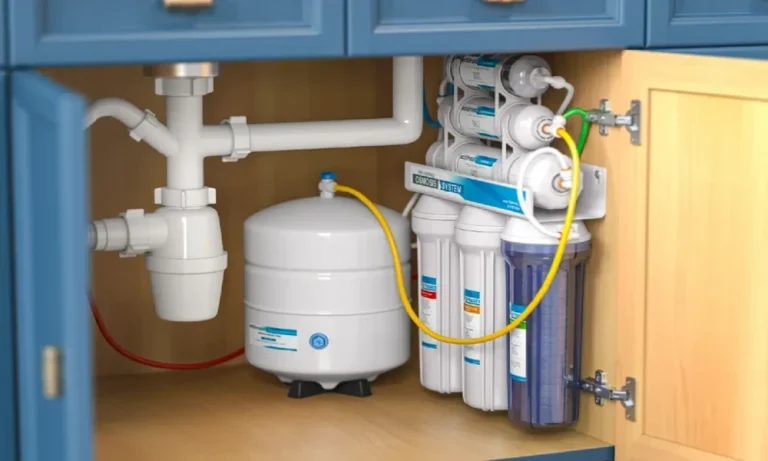
I keep circling back to this question, honestly, how much does it actually cost to install a whole-home water filtration system in Miami? At first, it feels simple enough. You buy a system, get it installed, and that is all, right? But then you start looking into it a bit more, and things get complicated fast.

Different types of systems, different home setups, water quality issues, and it all starts adding up. Prices are not fixed, not even close. One house might cost way less, another way more. And as I kept reading, I started noticing it actually depends on several factors I had not considered earlier.

Getting Help

At some point, you realize this is not exactly a DIY weekend thing. That is when people start looking for water filtration system experts. I mean, it makes sense, you are dealing with your home’s entire water supply. One can deal with Dovis Plumbing in such a situation to get useful support.

They handle different types of systems and installations, and from what I have seen, they don’t just install; they guide you on what actually fits your home, which is reassuring, because guessing your way through plumbing does not sound like a great idea.

So, What Actually Affects the Cost?

This is where things get a bit messy. There is no fixed number. It shifts based on a few things:

  • Type of system – Basic filters cost less, obviously. Advanced systems? Way more.
  • Home size and plumbing setup – bigger homes or older pipes can increase installation complexity.
  • Water quality in Miami – Hard water, chlorine, sediments, it all affects what system you need.
  • Brand and technology – Some systems are just expensive. Better filtration, longer life, etc.

I have seen estimates ranging from a few hundred dollars to several thousand. And yes, that range is kind of wild.

Installation Is Not Just “Plug and Play”

Article image

This part surprised me the most. Whole house water filtration system installation is not just attaching a device somewhere and calling it a day.

It usually involves:

  • Connecting to the main water line
  • Adjusting pressure levels
  • Ensuring proper sealing and flow

And if something goes wrong? That is a headache you don’t want. So yes, professional installation adds to the cost, but probably saves money later.

Don’t Forget the Ongoing Costs

This is the part people tend to ignore.

So, the cost is not just upfront; it continues. Not crazy expensive every month, but still, something to think about.

Final Thoughts

I am still kind of undecided about it, to be honest. It is not a small expense; it is definitely an investment. But then again, the idea of having clean water, better taste, and just less worry overall is pretty appealing.

Maybe it is one of those things you don’t fully value until it is already there, part of your daily life. Or, honestly, until something feels off, like when your water suddenly does not taste quite right. Yes, that is usually when it hits.Top of Form

Bottom of Form

The right bathroom faucet does more than deliver water. It transforms the entire look and feel of your space, while impacting function every day. Deciding which faucet to buy, and how to install it, can seem intimidating for first-timers. With the right know-how, however, you can upgrade your bathroom quickly and confidently, no plumbing degree required.

What Types of Bathroom Faucets Are Available and Which One Is Right for You?

Choosing a faucet style is your starting point. But what styles are out there, and what do they mean for your installation process?

What Are the Most Common Faucet Styles?

Single-hole faucets are compact and minimalist. They combine spout and handle in one unit, perfect for smaller sinks or a streamlined look. Widespread faucets come as three separate pieces (spout plus two handles), offering a classic, customizable appearance, but require more counter space. Centerset faucets combine all parts on a single base, fitting standard pre-drilled sinks and making installation a breeze. Wall-mounted faucets, as the name suggests, are installed on the wall above the sink, often lending a spa-like feel, but these require precise plumbing placement.

How Do Different Faucet Types Affect Installation?

Single-hole and centerset faucets typically install into one or three holes respectively, making them beginner-friendly. Widespread models need more measuring and alignment but provide design flexibility. Wall-mounted versions are the trickiest, as they require running plumbing lines inside the wall, usually best left to professionals unless your bathroom is already under renovation.

Which Faucet Materials and Finishes Should You Consider?

Brass is prized for durability, while stainless steel resists corrosion and fingerprints. Chrome is easy to clean, affordable, and versatile, making it a default choice for many. Matte black, brushed nickel, and trendy gold tones can elevate the look but may require more attentive cleaning to keep them looking fresh.

What Tools and Materials Do You Need Before Starting?

Preparation saves time and headaches. Having everything on hand helps your project go smoothly from the first bolt to the last water test.

Essential Tools for Faucet Installation

– Adjustable wrench

– Basin wrench (for tight spaces)

– Plumber’s tape

– Screwdriver set

– Bucket or towels (to catch drips)

Additional Supplies to Keep on Hand

Consider picking up flexible supply lines and replacement shut-off valves if your existing ones are dated or corroded. Silicone caulk helps seal and prevent leaks around the faucet base.

How to Prepare Your Workspace for Success

Clear out everything from under the sink. Place a towel or shallow pan to catch residual water. Shut off both hot and cold water valves under the sink and turn on the faucet to drain any remaining water.

How Do You Remove Your Old Bathroom Faucet Safely?

With tools and workspace ready, it’s time to say goodbye to your old faucet.

What Steps Ensure a Smooth Removal Process?

First, disconnect supply lines at the shut-off valves. Use your wrench to loosen and remove mounting nuts holding the faucet in place. Gently lift out the old faucet, taking care not to scratch your sink.

How to Handle Common Removal Challenges

Rusty or stuck nuts are a common headache. Apply penetrating oil and wait a few minutes, then try again. For tight spaces, a basin wrench is invaluable. If you discover damaged plumbing or suspect hidden leaks, pause the project.

When to Call a Professional Instead

Major corrosion, damaged shut-off valves, or leaking pipes are signs you should consult a plumber rather than risk bigger issues.

How Do You Install a New Bathroom Faucet Step-by-Step?

A fresh faucet can be installed in under an hour with patience and attention to detail.

How to Assemble the Faucet Components

Follow the manufacturer’s instructions for pre-assembly. This often involves attaching gaskets or sealing rings to the base and possibly pre-connecting parts under the sink.

What Are the Key Steps for Proper Placement and Mounting?

Lower the faucet into the sink holes, making sure everything aligns. Secure from underneath with mounting nuts, tightening evenly to avoid shifting.

How to Connect the Water Supply Lines Correctly

Attach new or cleaned supply lines to the faucet shanks, then to the shut-off valves. Use plumber’s tape for a watertight seal.

How to Test for Leaks and Proper Function

Turn the water supply back on, then open the faucet handles. Check all connections for leaks and tighten as needed. Let the water run a minute to clear debris.

How Do You Troubleshoot Common Faucet Installation Problems?

Even a careful job can run into surprises.

What to Do If Water Is Leaking

Check all connections for tightness. If leaks persist, remove and reapply plumber’s tape to threads, or check that gaskets are seated correctly.

How to Fix Low Water Pressure Issues

Make sure the supply valves are fully open. Remove and rinse the aerator at the faucet tip to clear sediment.

How to Address Alignment or Fit Problems

If the faucet feels loose or crooked, loosen the mounting nuts, straighten the faucet, and retighten evenly.

How Do You Maintain Your New Faucet for Longevity?

A little care keeps your investment looking sharp and working smoothly.

What Cleaning Methods Preserve Finish and Function?

Wipe with a soft cloth and mild soap. Avoid harsh cleaners, which can dull finishes like matte black or brass.

How Often Should You Inspect and Tighten Fixtures?

Every few months, check under the sink for leaks and retighten any loose mounting hardware.

When to Replace Parts or Schedule Professional Maintenance?

Replace washers, aerators, or cartridges if you notice drips or inconsistent flow. For persistent leaks or wobbly faucets, a quick call to a plumber may save money in the long run.

Where Can You Find Quality Faucets and Installation Support?

Choosing the right product and support ensures installation is just the start of a positive experience.

What to Look for in a Faucet Supplier?

Seek out suppliers known for both design and reliability. Brands offering solid warranties and customer support are preferable. For a blend of modern design and solid craftsmanship, Vasca alt faucets are a helpful resource to explore.

How to Use Showrooms and Online Resources Effectively?

Visit showrooms to see finishes and styles firsthand. Online guides, videos, and customer reviews provide valuable installation tips and product feedback.

When to Hire a Licensed Plumber for Installation Assistance?

If your project involves unusual plumbing, wall-mounts, or you simply want peace of mind, a licensed plumber is well worth the investment. Your bathroom’s fresh new look will be trouble-free for years to come.

The open layout of many homes now demands that kitchens be designed and built in an aesthetically pleasing manner, while enabling the homeowners to maintain a high level of organisation, and connect seamlessly to other areas of the home such as the dining area or living room. The best way to achieve this design is by employing the L-shape kitchen configuration. The unique layout of this kitchen configuration allows for a balance of functionality with a high degree of flexibility in terms of space. An L-shaped kitchen is highly functional, as it utilises both the existing wall space within the kitchen and all available floor space. The rest of the home can seamlessly flow from the kitchen, and vice versa, due to the fact that this type of layout does not interrupt the rest of the family’s activities.

Benefits of the L-Shaped Kitchen for Open-Concept Houses

  • Optimally Utilises all Available Corner and Wall Space

  • Creates a Streamlined Kitchen Work-flow

  • Increased Interaction with the Living and Dining Areas

  • Provides Flexibility for Future Kitchen Improvements (such as the addition of countertop and/or seating) Without Affecting the Flow of Traffic within the Home

Layout Planning for Open-Concept Homes

The way in which the kitchen is laid out, with respect to how it affects the home’s overall appearance, is very important when designing an open-concept home; thus, care should be taken when laying out the elements that will comprise your kitchen. Ideally, the hob and sink should be located on two different wall sections, as this is the most efficient way to create an ideal work-flow within the kitchen. If there are any corners in your kitchen layout, these areas should be taken advantage of by utilizing the appropriate storage devices.

Strategies for Kitchen Planning

Designing an attractive and functional kitchen in an open concept space can be accomplished using multiple planning strategies, which will allow the kitchen and adjoining spaces to flow freely with no interruption. Below is a list of the planning strategies to think about when designing an open-concept kitchen layout:

  • Tall cabinets are a great way to create a defined visual line between the kitchen area and the adjoining space.

  • Long counters that are continuously available for food preparation ensure that the food-preparation zone remains uninterrupted.

  • Ample space should be provided between the cooking zone and food-preparation zone.

  • Cooking appliances should be positioned in such a way as to prevent the need to cross paths while preparing food.

  • Breakfast counters/peninsulas can add a visual break for the kitchen while also adding informal seating for guests and extra work surface. They can also help to transition the kitchen visually into the other areas of the house without creating an enclosed space.

Open Kitchen Design With Storage Efficiency

To maintain an open and cohesive design for the kitchen, storage must be efficient and strategically placed out of sight. Deep storage drawers, concealed cabinets, and corner pull-outs will keep your cooking supplies in an organized way without creating clutter.

Some common types of storage items in open kitchens are:

  • Tall pantry cabinets that are designed to blend in with the layout of the kitchen.

  • Deep base drawers above the counter to store cookware and kitchen tools.

  • Overhead cabinets that match the height of the kitchen walls.

  • Corner cabinets with easy access mechanisms for the contents.

By keeping the countertop clean and organized, the kitchen can naturally flow into the rest of the area.

Selecting Finishes That Provide a Continuous Visual Journey

Finishes play a significant role in establishing an open kitchen design. Light or neutral finishes can create a light and airy environment in the kitchen, while matte finishes will avoid glare. The use of the same type of finishes throughout the kitchen and other furniture will tie the kitchen area visually together.

Royale Touche offers an extensive line of the highest quality laminate products designed to create a consistent and seamless appearance throughout the home’s various areas.

Layered Lighting For Comfort and Definition

Creating an inviting environment in the kitchen and providing ample light for the cooking areas are two key factors in designing a comfortable, safe, and productive kitchen. Layered lighting can provide warmth and comfort throughout the home as well as define and distinguish different areas within the kitchen. Consider the task lighting and warm ambient lighting; the task lighting will illuminate the cooking area and provide an attractive and generous feeling of hospitality. Additionally, consider the use of pendant lights for specific areas such as the countertops; the pendants will create a definition of the kitchen area, while at the same time will not obstruct views from the other areas of the home.

Conclusion

One of the most efficient and functional kitchen layouts is an L-shaped kitchen. An L-shaped kitchen will provide a smooth transition from the kitchen to the other areas of the home. By carefully planning, creating organized storage areas, using consistent finishes, and balancing the locations of the task and ambient lighting, you can create a functional and inviting kitchen.

Most commercial roof failures don’t begin with a dramatic leak. They start with small changes-an air pocket in the membrane, a seam that loosens a fraction of an inch, sealant that dries out around a penetration, or a low spot where water lingers after rain. If you manage a property in North Jersey, learning to recognize these early warning signs can save you from costly interior damage, tenant disruption, and emergency service calls.

This guide explains what to look for during routine walk-throughs, why these issues happen, and when it’s time to involve a professional.

Why early detection matters for North Jersey buildings

North Jersey weather is demanding: heavy rain events test drainage systems, winter freeze-thaw cycles can open gaps in flashing and seams, and wind can loosen edge metal and rooftop accessories. On top of that, commercial roofs often face frequent foot traffic from HVAC servicing, telecom work, and general building maintenance.

Catching early signs helps you:

  • Reduce the chance of sudden leaks
  • Preserve insulation and structural components
  • Maintain warranty compliance through proper documentation
  • Plan repairs instead of paying for emergencies

Safety first: what property teams can (and can’t) do

A quick roof observation can be helpful, but only when it’s safe. Avoid rooftop inspections during rain, snow, ice, or high winds. If your roof has limited access, steep edges, or uncertain walking surfaces, keep inspections to safe vantage points and schedule a licensed professional to evaluate conditions.

What you can do safely:

  • Observe drainage points and obvious debris
  • Look for visible membrane changes and open seams
  • Note damaged edge metal or flashing shifts
  • Document anything unusual with photos and dates

What you should leave to professionals:

  • Repairs involving heat welding, adhesives, or torching
  • Work near roof edges or fragile skylights
  • Anything requiring removal of membrane or flashing

Problem #1: Blisters (bubbles) in the membrane

What blisters look like

Blisters appear as raised bubbles or “pillows” on the roof surface. They may be small and firm, or larger and soft.

Why they happen

Blisters can form when air or moisture becomes trapped under the membrane or within layers of the roof assembly. Temperature swings and sun exposure can expand trapped air, making the blister more visible over time.

What to do

  • Don’t puncture it. This often turns a manageable issue into a leak.
  • Photograph the area and track whether it grows.
  • If blisters are increasing in number or size, schedule a professional inspection-especially if the roof is newer and may be under warranty.

Problem #2: Seam issues (the “slow leak” starter)

What to look for

Seams are where many flat-roof problems begin. Watch for:

  • Slight lifting along overlaps
  • Cracked or missing seam tape
  • Debris embedded along seam lines
  • Areas where water seems to “follow” a seam path

Why seams fail

Seams can weaken due to age, thermal movement, foot traffic, poor initial welding/adhesion, or prolonged ponding that stresses edges.

What to do

A small separation can often be addressed quickly-if caught early. If you see seam lifting, treat it as a priority item and get a qualified roofer on-site before the next major rain.

Problem #3: Flashing failures (most common leak entry point)

Where flashing fails

Flashing protects transitions and penetrations, such as:

  • Parapet walls and roof-to-wall transitions
  • HVAC curbs and equipment bases
  • Pipes, vents, and conduits
  • Roof edges and termination points

Signs of flashing trouble

  • Sealant pulling away or cracking
  • Visible gaps at termination bars
  • Loose metal or wrinkled membrane at transitions
  • Water staining on nearby walls or interior perimeter ceilings

What to do

Flashing issues should be repaired with the correct materials and methods-patchwork can cause more damage or jeopardize warranties. Document and schedule a professional evaluation if any gaps or separation are visible.

Problem #4: Ponding water (a drainage warning sign)

What ponding looks like

If water remains on a roof long after rainfall-especially in the same spots-it’s ponding. Even “shallow” ponding can accelerate deterioration and increase leak risk.

Why it happens

  • Clogged drains or scuppers
  • Low spots in the deck or insulation
  • Insulation compression from age or moisture
  • Poor slope design during installation

What to do

Start with the basics: clear debris from drainage points. If ponding persists, you may need a professional solution such as tapered insulation or drainage modifications. Persistent ponding is also a clue that insulation may be compromised beneath the surface.

Interior clues that point to roof problems

Some roof issues show up inside first. Pay attention to:

  • Stained ceiling tiles or recurring discoloration
  • Musty odors (possible moisture in insulation)
  • Bubbling paint on exterior/interior walls near roof lines
  • Leaks that appear only during wind-driven rain (often flashing-related)

If interior signs appear, a roof evaluation should be scheduled promptly-moisture can spread beyond the visible spot.

When it’s time to call a professional

If you notice any of the following, it’s smart to bring in an expert:

  • Seams lifting or separating
  • Repeated ponding in the same areas
  • Cracked flashing/sealant at penetrations
  • New blisters appearing across multiple zones
  • Interior staining or recurring leak patterns

Many facility teams search for commercial roof repair near me when the situation is already urgent. A better approach is to schedule an assessment as soon as early signs appear-repairs are typically simpler, less disruptive, and more cost-effective at that stage.

For managers maintaining portfolios across the region, consistent inspection habits help whether you’re coordinating commercial roof maintenance in bergen county nj, commercial roof maintenance in essex county nj, commercial roof maintenance in morris county nj, or commercial roof maintenance in passaic county nj. The warning signs are similar-the difference is how quickly they’re documented and addressed.

A practical routine for spotting issues early

Use this simple workflow:

  1. Walk the roof perimeter (or observe from safe access points) every quarter
  2. Check drains and scuppers after storms
  3. Photograph changes-blisters, seam shifts, flashing cracks
  4. Log dates and weather to identify patterns
  5. Schedule proactive service for anything that repeats or expands

Property managers who build this habit typically reduce emergency calls and extend the service life of their roof systems-without overcomplicating building operations.

Modern homes often seek simplicity that reflects neat design and strong visual appeal. Aluminium balustrades offer this essence by blending elegance with functionality. They provide safety while improving the entire structure’s charm. Their smooth finish suits open spaces or compact areas equally. These structures, like aluminium balustrades newcastle, adapt easily to various home settings and maintain a timeless appearance with minimal upkeep. The growing trend of clean interior design highlights its worth among new homeowners.

Elegant Frameless Glass Touch

Combining glass with aluminium enhances the visual lightness of any area. The clear panels deliver a sophisticated effect that complements simple walls or bright interiors. Aluminium frames give lasting strength without overshadowing the clean glass finish. This balance creates a modern yet welcoming look suitable for every household.

Slim Vertical Rail Patterns

Slim vertical lines offer both stability and a stylish appearance. Their uniform spacing supports safety while presenting a tall and graceful impression. The aluminium used provides corrosion resistance and requires only mild care. Homes benefit from this structure as it brings a polished effect without crowding the space.

Horizontal Panel Alignment

Horizontal panels paired with aluminium rails give a broader visual flow. These alignments expand the look of balconies and open decks efficiently. They are simple to clean and resist fading over time. Many owners prefer this pattern for its calm rhythm and soft structural definition.

Textured Matte Surface Finish

A matte finish introduces a quiet luxury to the overall setting. The texture prevents glare while offering a refined appearance suitable for contemporary interiors. Aluminium framing supports the surface perfectly, keeping it firm through changing weather. This finish remains one of the most preferred for long-term charm.

Distinctive Mixed Material Design

Combining materials adds depth and uniqueness to rail systems. Wood grains or composite inserts paired with aluminium form stylish contrasts. The mix allows each element to stand out while keeping strength and function intact. Many modern builders use this idea to create character and diversity.

Functional Balcony Enhancements

Balcony barriers designed with aluminium balustrades improve safety and style together. They maintain an airy outlook while giving strong protection to every edge. Their subtle color range easily merges with modern building tones. Many homeowners trust these for reliable elegance and practical value within daily living.

  • Brings lasting shine without frequent cleaning needs
  • Supports fresh air flow through open arrangements
  • Matches light wall shades for wider-looking spaces
  • Keeps a strong hold even with a narrow frame structure
  • Adds subtle class through balanced design lines

Homes today often prefer designs that reduce clutter while ensuring solid form. An aluminium balustrades newcastle fit that vision through their smooth structure and long-lasting polish, offering a stylish and durable choice for modern living. Their flexible nature makes them suitable for both compact and large homes. Every design mentioned above blends appearance with endurance, offering neat charm that stands the years.

FAQs

What makes aluminium balustrades suitable for home designs today?

They merge visual simplicity with strength, keeping homes attractive and secure.

How long do aluminium balustrades last without heavy upkeep?

They stay strong for many years, requiring just simple cleaning sometimes.

Termites are a serious threat to homes in Missouri. These pests work quietly within walls, floors, and wooden structures. The level of destruction they cause can rival that of fires or storms if left untreated. Thus, people should understand how termites operate and the types of damage they produce. This helps them take termite control near me to protect their investment and maintain a safe environment.

Termites Target Structural Wood

Missouri homes contain abundant wood in framing, flooring, and furniture. Subterranean termites feed on cellulose found in wood. They often enter through soil near foundations, small cracks, or plumbing gaps and move upward into the structure. They hollow out wood from the inside, leaving a thin exterior layer. This makes damage hard to detect until walls or beams show sagging or warping. 

Damage Extends Beyond Wood

Insulation, drywall, and cardboard products inside homes can also suffer damage due to termites. Termites occasionally chew through non-structural materials while traveling between wood sources. Stored items in basements, attics, or closets can show signs of nibbling.

Termites create tunnels and mud tubes along walls and foundations. These tubes protect them from exposure and allow constant movement. They can worsen moisture problems because mud tubes trap water and increase decay risks. 

Termite Damage Accumulates Quickly

Missouri’s warm, humid climate allows termites to remain active for most of the year. A colony can consume several pounds of wood annually. Termites reproduce rapidly, producing multiple swarms each year that expand their reach. Without intervention, damage can spread across multiple areas of the home, including flooring, roof structures, and outdoor decks or fences.

Repairing termite damage becomes more complicated as the infestation grows. Structural beams replaced after years of termite activity often require additional reinforcement. 

Termites Reduce Home Value

Termite damage shows up in home inspections and can delay sales. Visible damage, combined with the risk of unseen infestation, lowers market appeal. Buyers may request termite treatments, documentation of repairs, or price reductions.

Even if damage appears minor, lenders may require proof of termite management before approving a mortgage. Preventive measures and early detection are essential to preserving the home’s value and avoiding costly negotiations during sales.

Hidden Nature Increases Risk

Termites thrive where homeowners cannot see them. Subterranean species create extensive tunnel systems underground, while drywood termites live within wooden structures. This hidden activity makes damage more severe than what is immediately visible. Inspections must reach inside walls, beneath floors, and into crawl spaces. Professionals often use moisture meters, infrared cameras, or probes to detect active colonies before surface damage worsens.

Outdoor Structures Also Suffer

Termites feed on exposed wood and structures in contact with soil. In Missouri, wet spring and summer seasons accelerate termite activity, allowing damage to accumulate quickly. Homeowners may notice loose boards, sagging railings, or small piles of frass near outdoor structures.

Left untreated, termite damage outdoors can affect safety and usability. A weakened deck or fence may collapse under weight or during storms, creating hazards for children, pets, and adults. 

Termites Cause Hidden Moisture Problems

Moisture attracts termites and increases the rate of damage. Leaks under sinks, around plumbing, or near foundations make structures more inviting. Termites prefer damp wood and are more likely to attack areas where water accumulates. Moisture helps termites and promotes mold and rot. Missouri homeowners who notice staining, soft wood, or minor leaks should check for termite activity. 

Pest control professionals can locate colonies and determine the type of termite. They can implement targeted treatments. Subterranean termites may require soil treatments or baiting systems, while drywood species need specialized approaches. Regular professional inspections also catch early infestations. 

Life in Pompano Beach is easy to fall in love with — sunshine almost every day, ocean breeze in the evenings, and neighbourhoods that balance coastal calm with city energy. However, when it comes to buying a home here, comfort depends on more than a good view. With the median home price hovering around $384,000 and listings spending about four months on the market, buyers are becoming more selective. Homes that combine smart design with coastal practicality tend to stand out.

If a property already includes air conditioning and a garage, it’s halfway there. The next step is knowing which extra features make daily living smoother and long-term value stronger.

What Are the Key Amenities That Elevate a Pompano Beach Home?

1. A Cooling System Designed for Florida Heat

In Pompano Beach, air conditioning isn’t a luxury; it’s what makes the summer months bearable. It’s important to note that the real difference lies in how well it works. Homes with modern, energy-efficient systems cool faster and control humidity better. Zoned cooling is another plus; it lets you chill the rooms you use most and ease off in the rest. That balance saves energy, keeps humidity in check, and makes the home feel consistently comfortable even in July.

A newer AC unit isn’t just about comfort; it also signals lower maintenance costs, which matters when the market’s pace gives buyers time to be choosy.

👉 Looking for homes with energy-efficient AC system? Explore homes with AC for sale in Pompano Beach on Houzeo, America’s best home buying and selling website. View detailed listings, save your favorites, and share the homes you love with the people you love.

2. A Garage Built to Withstand Coastal Living

A garage near the coast faces tougher conditions than most. Salt in the air, bursts of rain, and humidity all take their toll. The best garages here have sealed or epoxy-coated floors that resist corrosion, elevated thresholds to manage flooding, and rust-proof fixtures. Ventilation helps too as it prevents trapped moisture that can spread into the home.

In neighbourhoods closer to the water, these small details make a big difference. A sturdy, dry garage means fewer repairs and a much longer lifespan for both the car and the home.

👉Looking for the perfect home with a garage in Pompano Beach? Check out homes with garage for sale in Pompano Beach, on Houzeo, America’s best real estate app. Compare trends, shortlist top picks, and submit offers on your favorite properties from your phone.

3. Storm-Ready Features That Protect the Home

Florida’s beauty comes with a side of unpredictability. That’s why impact-resistant windows, hurricane shutters, and reinforced roofs are high on the priority list. These upgrades protect against strong winds and flying debris, but they also bring quieter interiors and lower insurance costs.

Some newer builds even elevate electrical panels and AC condensers to keep them clear of floodwater. It’s the kind of preparedness that never feels urgent until the forecast changes and that’s exactly why it’s worth paying attention to before buying.

4. Humidity Control That Keeps the Indoors Healthy

Anyone who’s lived by the coast knows that humidity is a constant companion. The best homes manage it quietly, through good insulation, ventilated attics, and built-in dehumidifiers. Radiant-barrier roofing and sealed ducts help too, reducing heat gain and energy waste.

These touches don’t just keep the air fresh; they protect wood floors, furniture, and wall paint from the slow wear that humidity brings. In a market where home prices have eased slightly, energy-efficient, low-maintenance living has become an unexpected luxury — one that future buyers will notice.

5. A Location That Balances Lifestyle and Practicality

Even the most well-equipped home won’t feel complete if it’s poorly placed. In Pompano Beach, the best addresses blend coastal access with everyday practicality. Being close to the beach, the pier, and the marinas certainly adds to lifestyle appeal — but so does easy reach to grocery stores, schools, and healthcare.

Neighbourhoods like Palm Aire, Old Pompano, and areas near Atlantic Boulevard strike that sweet spot: close enough to the coast for sea breezes, but far enough inland to avoid the harshest weather. Over time, those location advantages tend to hold property value better than flashier upgrades.

How Do I Choose My Perfect Home in Pompano Beach in 2025?

In Pompano Beach, finding the right home isn’t just about ticking boxes like “AC” and “garage.” It’s about discovering a place built for the climate and lifestyle that define this city. The current inventory of Pompano Beach homes for sale that truly stand out are the ones that stay cool, resist the elements, and manage humidity.

Besides, neighbourhoods here feel relaxed yet practical. As the market continues to shift and buyers look for lasting comfort, these five amenities will separate a good find from a great one. The kind that keeps life breezy long after the move-in day.

Restaurants must maintain impeccable hygiene and safety standards to protect their customers and business. Pests present a significant threat in this setting by contaminating food, spreading harmful bacteria, and damaging the establishment’s reputation. Without proper pest control, these uninvited guests can quickly disrupt operations and compromise food safety.

Kent Pest Control services play a critical role in helping restaurants maintain a pest-free environment. Regular inspections and preventive measures ensure early detection and eradication of pests, protecting both customer health and legal compliance for restaurants throughout Kent. Effective pest management is essential to sustaining a successful food business in the region.

Understanding Pest Control

Pest control involves managing unwanted insects, rodents, and other creatures that harm health, property, or crops. Key methods include physical approaches like traps and barriers, chemical pesticides for quick elimination, biological agents such as natural predators, and integrated pest management (IPM) that combines them for sustainable results. Regular monitoring and prevention keep infestations low, protecting homes and businesses effectively.

Why Regular Pest Checks Are Important in Kent Restaurants

Regular pest checks in Kent are crucial due to the following reasons:

Health Risks from Pests in Restaurants

Pests like rodents, cockroaches, ants, and flies carry bacteria, viruses, and parasites that contaminate food and surfaces, leading to foodborne illnesses. They can also cause allergic reactions and respiratory issues in staff and customers. These pests spread diseases such as salmonella and E. coli through their droppings and skin sheds, posing a direct hazard to public health. Regular pest checks ensure early detection and removal of pests to maintain a safe dining environment in Kent restaurants.

Compliance with Legal and Safety Regulations

Kent restaurants must adhere to strict health and safety regulations that mandate pest-free premises. Health inspectors conduct routine checks and may shut down businesses if pests are found or signs of infestation exist. Failure to control pests can lead to heavy fines, penalties, or permanent closure. Regular pest inspections and professional management are essential to comply with laws and avoid costly legal consequences while safeguarding public health.

Protection of Reputation and Customer Confidence

Even a single sighting of a pest in a restaurant can damage its reputation indefinitely. Word-of-mouth, online reviews, and viral social media posts about pest problems can deter potential customers, resulting in loss of revenue. Regular pest control demonstrates a restaurant’s commitment to hygiene and customer well-being, building trust and loyalty among diners in Kent. Proactive pest management is vital to preserving the restaurant brand and maintaining a successful business.

Operational and Financial Benefits

Pests cause food contamination leading to wastage of ingredients and emergency pest treatments that can be expensive. Infestations can also cause structural damage to facilities, increasing repair costs. Preventive pest checks reduce the likelihood of infestations becoming severe, enabling restaurants to run smoothly and profitably. By investing in pest control, businesses in Kent minimize health risks, avoid interruptions, and protect long-term financial stability.

Best Practices for Pest Prevention in Kent Restaurants

Restaurants should implement comprehensive pest management plans involving:

  • Regular inspections to spot early signs of infestation in kitchens, storage, and dining areas.
  • Effective sanitation protocols including cleaning surfaces, utensils, and proper waste disposal.
  • Sealing entry points like cracks and gaps to block pest access.
  • Monitoring deliveries for pest contamination.
  • Staff training on pest awareness and hygiene practices.

Partnering with professional pest control services ensures tailored strategies using traps, baits, exclusion methods, and safe treatments suited for the restaurant environment in Kent.

Bottom Line 

In Kent’s bustling restaurant scene, regular pest checks stand as an essential safeguard for hygiene, safety, and success. These proactive measures prevent contamination risks, protect customer health, and ensure compliance with strict food regulations. By partnering with local pest control experts, restaurant owners in Kent can maintain spotless environments, boost reputations, and thrive amid competition. Prioritizing pest management isn’t just smart; it’s vital for sustainable operations and loyal patronage in Kent.