
Understanding the Core Differences
Purpose and Usage
Commercial and residential pool construction may appear similar at a glance, but their purposes shape every aspect of design and execution. Residential pools are built for private enjoyment, relaxation, and aesthetic appeal. Homeowners often prioritize customization, comfort, and features that reflect personal style.
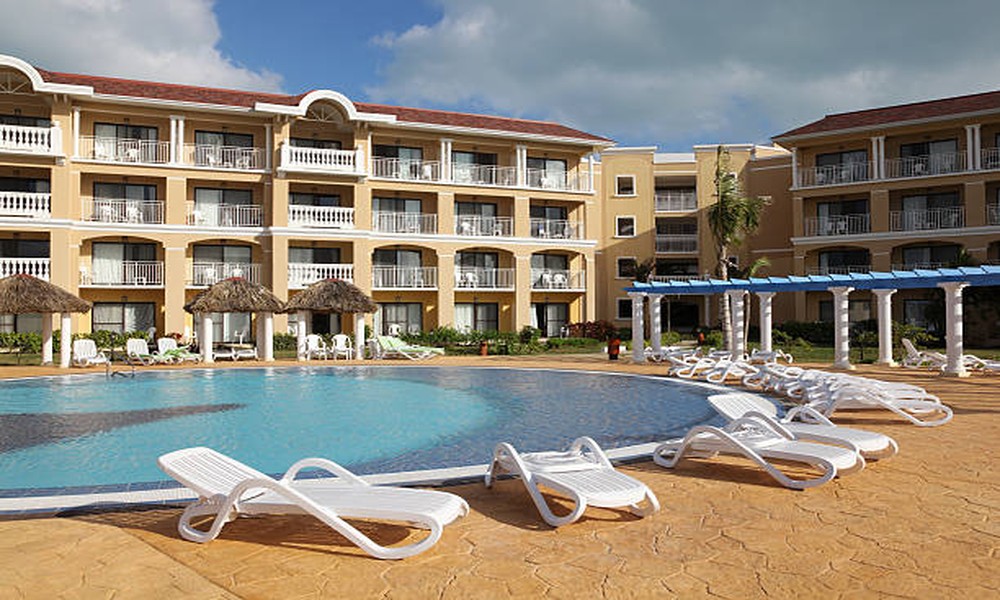
Commercial pools, on the other hand, are designed for high traffic and public use. Hotels, resorts, fitness centers, and community facilities require pools that can handle continuous usage while maintaining safety and durability. The focus shifts from personalization to functionality, compliance, and long-term performance.
Design and Structural Requirements
Residential pools allow for creative freedom. Shapes, finishes, and features like waterfalls or integrated spas are tailored to complement the home’s architecture and the owner’s vision. Structural demands are less intensive because usage is limited to a smaller group.
Commercial pools require more robust engineering. They must meet strict structural standards to support larger volumes of water and frequent use. Depth markers, accessibility features, and clearly defined entry and exit points are essential components. The design must also ensure smooth circulation and efficient maintenance.
Regulations and Compliance
Safety Standards
One of the most significant differences lies in regulatory requirements. Residential pools must follow local building codes, but these are generally less complex than those governing commercial installations.
Commercial pools must comply with extensive health and safety regulations. These include proper filtration systems, sanitation protocols, and safety equipment. Inspections are more frequent, and adherence to guidelines is critical to avoid operational issues.
Permits and Approvals
Obtaining permits for a residential pool is usually straightforward, involving local authorities and standard documentation. The process is typically quicker and less demanding.
For commercial pools, the approval process is more rigorous. Detailed plans, engineering reports, and compliance documentation are required before construction begins. This ensures the facility meets all public safety and health standards.
Cost and Maintenance Considerations
Initial Investment
Residential pool construction costs vary based on design complexity and materials. While still a significant investment, it is generally more manageable compared to commercial projects.
Commercial pools involve higher upfront costs due to larger scale, advanced systems, and regulatory requirements. The need for durable materials and specialized equipment also contributes to the overall expense.
Ongoing Maintenance
Maintenance for residential pools is relatively simple and can often be managed by homeowners or routine service providers. Cleaning, chemical balancing, and occasional repairs keep the pool in good condition.
Commercial pools demand a more intensive maintenance schedule. Regular monitoring, professional servicing, and strict adherence to sanitation standards are necessary to ensure safety and longevity.
Choosing the Right Approach
Whether building a residential retreat or a commercial facility, understanding these differences is essential. Each type of pool requires a tailored approach to design, construction, and maintenance. Working with experienced professionals ensures that the final result meets expectations, complies with regulations, and delivers lasting value.
This post was written by a professional at https://sunsationpools.com. Sunsation Pools & Spas, Inc. is a full-service pool and deck construction company in Largo, FL, specializing in remodeling and design. As one of the leading pool and deck construction companies near you, we serve clients throughout the Tampa Bay Area. Our experienced team provides expert guidance and reliable solutions, making us a trusted choice for pool and deck construction near you focused on quality, value, and performance.

Comments are closed.