Tag

Home Improvement

Browsing

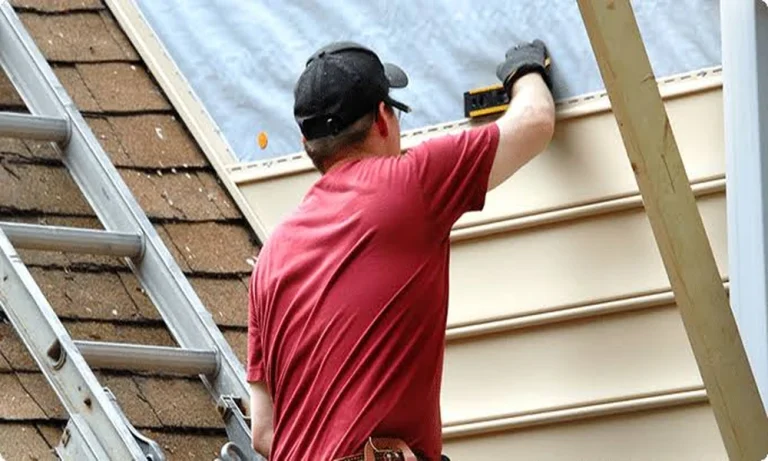
Your home’s siding does much more than create curb appeal. It is an important part of the exterior envelope, helping protect the structure from changing weather conditions while contributing to the home’s appearance and maintenance needs.

Over time, however, siding can deteriorate. Age, moisture, temperature changes, physical impact, improper installation, and ongoing exposure to the elements can all affect its condition.

Some siding problems can be addressed with a relatively small repair, while others may indicate that a larger renovation is appropriate. Knowing the warning signs can help homeowners address problems before they become more extensive.

If you are unsure whether your home’s siding needs repair or complete replacement, a professional inspection can help identify the underlying condition and determine what work may be appropriate.

1. Your Siding Is Cracked, Broken, or Damaged

Visible physical damage is one of the easiest signs to recognize.

Cracks, holes, broken panels, and significant dents can affect the appearance of your home and may create areas where moisture can enter behind the siding. Individual damaged sections can sometimes be replaced, depending on the siding material and the availability of matching products.

However, widespread damage may indicate that repairing individual pieces is no longer the most practical solution.

Walk around your home periodically and inspect areas that are particularly exposed to weather or physical impact. Pay attention to siding around corners, lower wall sections, windows, doors, and areas near decks or landscaping.

If you notice extensive damage, it may be worth having the entire exterior evaluated.

2. You Notice Warping, Buckling, or Bulging

Siding should generally maintain a consistent appearance across the exterior. When panels begin to warp, buckle, or bulge, something may be affecting the siding or the wall assembly behind it.

The cause can vary. Depending on the material and circumstances, possible contributing factors may include moisture, installation problems, heat exposure, or movement in the underlying structure.

Warped siding should not simply be covered up or painted over without determining why it happened.

A professional can examine the affected area and determine whether the problem is isolated or more widespread.

For homeowners researching siding replacement in Bergen County NJ, an inspection can help determine whether visible distortion represents a localized repair or a larger exterior issue.

3. There Are Signs of Moisture or Water Damage

Moisture deserves particular attention during any siding inspection.

Look for signs such as:

  • Soft or deteriorated areas
  • Staining
  • Mold or mildew growth
  • Peeling paint around siding
  • Rot near windows or doors
  • Persistent dampness
  • Damage around wall penetrations

Not every moisture-related problem means the siding itself needs to be replaced. Water can enter an exterior assembly through several pathways, including improperly sealed openings, damaged flashing, roof-related issues, or deteriorated materials.

The important step is identifying the source.

Replacing siding without addressing the underlying cause may allow the same problem to return.

4. Your Siding Is Fading or Looks Uneven

Color changes are a common sign of aging exterior materials.

Some degree of fading can occur naturally after years of exposure to sunlight and weather. But severe or uneven fading can make the exterior look worn, especially when different sections have aged at different rates.

Fading may not necessarily indicate a structural problem. It can instead be a visual indication that the siding is reaching the later stages of its useful life or that its finish has deteriorated.

If the siding is otherwise sound, cleaning or repainting may sometimes be considered depending on the material. In other situations, replacement may provide a more consistent long-term solution.

A siding evaluation can help distinguish a cosmetic concern from a more significant exterior problem.

5. You Keep Making Repairs

One isolated repair does not necessarily mean it is time for new siding.

The situation changes when repairs become frequent.

If you are repeatedly replacing damaged panels, repairing deteriorated sections, addressing moisture problems, or trying to match older siding with newer materials, it may be worth comparing the cost and practicality of continued repairs with a comprehensive replacement project.

Repeated repairs can also make the exterior look inconsistent when replacement pieces no longer match the original color or texture.

Homeowners considering siding replacement in Essex County NJ can ask a contractor to evaluate the overall condition of the siding rather than focusing only on the most recently damaged section.

6. Your Siding Requires Increasing Maintenance

Every siding material has its own maintenance requirements. However, an exterior that seems to require significantly more attention than it did in previous years may deserve closer inspection.

Examples might include:

  • Frequent painting
  • Repeated caulking
  • Persistent cleaning issues
  • Peeling or deteriorating finishes
  • Recurring repairs
  • Sections that continue to deteriorate after maintenance

Increasing maintenance needs do not automatically mean replacement is necessary. The age, material, installation quality, and current condition of the siding all matter.

A professional assessment can help you understand whether additional maintenance is reasonable or whether replacing the exterior would make more sense for your goals.

7. You Want to Improve Your Home’s Exterior

Siding does not have to be failing before you consider replacing it.

Homeowners sometimes choose a siding renovation because they want to update an older exterior, change the architectural style, improve curb appeal, or coordinate the siding with new windows, roofing, doors, or other improvements.

An exterior renovation can provide an opportunity to reconsider the home’s overall design.

Depending on the siding material, homeowners may have options involving color, texture, profile, trim, and architectural accents.

For someone researching siding replacement in Morris County NJ, it can be useful to approach the project as an exterior design and maintenance decision rather than simply replacing damaged boards.

Repair or Replace: How Do You Decide?

One of the most important questions is whether the existing siding actually needs to be replaced.

A contractor should evaluate factors such as:

  • Overall age and condition
  • Extent of visible damage
  • Moisture concerns
  • Condition of the underlying wall
  • Availability of matching replacement materials
  • Maintenance requirements
  • Installation quality
  • Desired appearance
  • Long-term plans for the property

If the damage is limited to a small area, repair may be appropriate. If problems are widespread or the material is significantly deteriorated, replacement may deserve consideration.

The decision should be based on the actual condition of the home rather than on a single visible defect.

What Happens During a Siding Replacement Project?

A siding replacement project generally involves more than installing new material.

Depending on the condition of the home, the process may include:

  1. Inspecting the existing exterior
  2. Discussing siding materials and design options
  3. Establishing the scope of work
  4. Removing existing siding
  5. Inspecting the exposed wall surfaces
  6. Addressing necessary repairs
  7. Preparing the exterior
  8. Installing the new siding and related components
  9. Completing trim and detail work
  10. Cleaning the property and reviewing the finished project

The exact process varies depending on the home, material, and scope of work.

Unexpected conditions can sometimes become visible after old siding is removed. This is why homeowners should discuss how additional repairs will be handled before signing a contract.

Choosing a Contractor for the Project

Replacing siding is a substantial home improvement project, so contractor selection deserves careful attention.

New Jersey’s Division of Consumer Affairs identifies siding among the types of residential work covered by its Home Improvement Contractor Business requirements. The state also provides resources for verifying contractor registration and offers consumer guidance for selecting home improvement contractors.

Homeowners should consider asking prospective contractors about:

  • State registration
  • Insurance
  • Experience with the selected siding material
  • Previous projects
  • Written estimates
  • Project schedule
  • Materials and manufacturers
  • Warranties
  • Preparation and repair work
  • Payment terms

New Jersey’s consumer guidance also recommends obtaining multiple bids, researching a contractor’s experience, checking references, and confirming registration before hiring.

If you are searching for siding replacement in Passaic County NJ, these steps can help you compare contractors based on the complete project rather than price alone.

Don’t Ignore Changes to Your Home’s Exterior

Siding problems rarely become easier to understand by simply being ignored. A small cosmetic issue may remain cosmetic, while damage involving moisture or deteriorating materials can require more attention.

That does not mean every crack, faded section, or warped panel requires complete replacement. The best starting point is a careful inspection that considers the condition of the entire exterior.

For homeowners in Bergen, Essex, Morris, and Passaic counties, a professional evaluation can provide a clearer picture of whether the existing siding can be repaired, requires more extensive maintenance, or would benefit from replacement.

KRR General Contractor can help homeowners understand their exterior renovation options and develop a project plan based on the home’s existing condition, desired appearance, and long-term needs.

Before committing to a siding project, take the time to inspect the exterior, ask questions, compare written proposals, and make sure the scope of work is clearly documented. A thoughtful approach can help turn a necessary exterior update into a well-planned home improvement project.

Choosing the right siding professional can make a major difference in your home’s appearance, protection, and long-term value. Vinyl siding is a popular choice for many homeowners because it is durable, low-maintenance, and available in different colors and styles. However, the quality of the installation matters just as much as the material itself.

Before hiring a local siding expert, it is important to ask the right questions. A reliable contractor should be transparent, experienced, and willing to explain the process clearly. This helps you avoid poor workmanship, unexpected costs, and project delays.

Why Hiring the Right Siding Contractor Matters

Your siding does more than improve curb appeal. It helps protect your home from moisture, wind, heat, and everyday exposure to the elements. If it is installed incorrectly, gaps, warping, water damage, and insulation issues may appear over time.

A qualified siding contractor understands proper installation methods, local weather conditions, and the best materials for your property. Instead of choosing based on price alone, homeowners should look at experience, reputation, communication, and warranty coverage.

Questions to Ask Before Hiring a Local Siding Expert

Are You Licensed and Insured?

One of the first questions to ask is whether the contractor is licensed and insured. Licensing shows that the contractor meets local requirements, while insurance protects you in case of accidents or property damage during the project.

Ask for proof of both before signing any agreement. A professional contractor should have no problem providing this information.

How Much Experience Do You Have With Vinyl Siding?

Not all exterior contractors specialize in vinyl siding. Some may focus on roofing, general repairs, or other home improvement services. Since vinyl siding requires proper measurement, cutting, fastening, and sealing, experience is important.

When comparing vinyl siding contractors near me, ask how long they have been installing vinyl siding and whether they handle both replacement and new installation projects.

What Is Included in the Estimate?

A detailed estimate should explain the cost of materials, labor, removal of old siding, cleanup, disposal, and any additional preparation work. Avoid vague quotes that only provide a total price without itemized details.

A clear estimate helps you understand what you are paying for and reduces the risk of surprise charges later.

What to Know About Materials and Installation

What Type of Vinyl Siding Do You Recommend?

Vinyl siding comes in different thicknesses, finishes, colors, and profiles. Ask the contractor which type they recommend for your home and why. A good siding expert should explain the benefits of each option based on durability, appearance, maintenance, and budget.

They should also help you choose siding that matches your home’s design and improves overall curb appeal.

How Will You Prepare the Home Before Installation?

Proper preparation is a key part of a successful siding project. The contractor may need to inspect the existing exterior, remove damaged materials, check for moisture issues, and prepare the surface before installing new siding.

Asking this question helps you understand whether the contractor takes time to do the job correctly instead of rushing through the process.

Who Will Handle the Installation?

Some companies use in-house teams, while others hire subcontractors. Either option can work, but you should know who will actually be working on your home.

When researching vinyl siding installers near me, ask whether the crew is trained, supervised, and experienced with the specific siding product being installed.

Warranty, Timeline, and Communication

What Warranty Do You Offer?

A siding project should come with clear warranty information. Ask about both the manufacturer’s warranty for the siding material and the workmanship warranty from the contractor.

Make sure the warranty details are written in the contract. This gives you better protection if problems appear after the installation is complete.

How Long Will the Project Take?

The timeline may depend on your home’s size, the condition of the existing siding, weather, and material availability. A reliable contractor should provide a realistic schedule and explain what could affect completion.

Clear timelines help you plan around the project and avoid unnecessary confusion.

How Will You Communicate During the Project?

Good communication is often a sign of professionalism. Ask who your main contact will be, how updates will be shared, and what happens if concerns arise during the installation.

A dependable contractor should keep you informed from the first inspection to the final cleanup.

Final Thoughts

Hiring a local siding expert should never feel rushed. Take time to ask about licensing, insurance, experience, materials, estimates, warranties, and communication. The right contractor will answer your questions clearly and help you feel confident about the project.

Vinyl siding can be a smart investment for improving your home’s exterior, but the results depend heavily on proper installation. By asking the right questions before hiring, you can protect your home, manage your budget, and choose a siding professional who delivers lasting value.

Swan Toilets is leading the charge in redefining bathroom solutions, placing a strong emphasis on convenience and comfort in today’s modern lifestyle. Our heated toilet seat is poised to revolutionize the market, bringing exceptional comfort and luxury to households everywhere.

Experience Unmatched Warmth and Comfort

The advantages of a heated toilet seat are evident, yet the concept itself may appear straightforward. Imagine entering your bathroom early in the morning, welcomed by the gentle warmth of a heated seat. Our objective is to create an experience that transcends simple warmth, aiming to enhance your overall comfort and well-being right from the start of your day.

User-Centric Design

At Swan Toilets, our commitment to user-centric design is fundamental. Our heated toilet seats are engineered with meticulous attention to detail, ensuring that every feature is tailored to meet your needs. With adjustable temperature settings, users can effortlessly find their preferred level of warmth. This commitment exemplifies Swan Toilets’ dedication to providing optimal comfort and personalizing experiences to suit individual preferences.

Core Principles: Safety and Efficiency

Our design philosophy emphasizes both safety and efficiency. Swan Toilets’ heated toilet seats are designed to be budget-friendly for every household, equipped with built-in safety features and energy-saving options. The streamlined design not only delivers warmth upon demand but also conserves energy when not in use.

Effortless Installation for Enhanced Convenience

Swan Toilets’ heated seats are crafted for easy installation, ensuring compatibility with existing bathroom fixtures. We understand that home improvement should enhance your living space without introducing unnecessary difficulties or requiring extensive renovations.

Discover the Health Benefits of Our Heated Toilet Seats

Beyond immediate comfort, Swan Toilets’ heated toilet seats present significant health advantages. The soothing warmth promotes relaxation and alleviates tension in muscles and joints, making them particularly beneficial for individuals whose conditions worsen in cold environments. This feature provides essential warmth and relief, contributing to a comfortable living space.

Embracing the Future of Home Comfort Technology

At Swan Toilets, our mission is to innovate and improve the quality of everyday living. By incorporating modern technologies, we are transforming the notion of bathroom luxury and comfort, setting new benchmarks for households globally.

Seamless Integration with Smart Home Systems

Swan Toilets offers a sophisticated solution for contemporary homes that extends beyond traditional comfort. Our heated toilet seats are thoughtfully designed to integrate seamlessly with smart home systems, allowing for effortless control through an intuitive smartphone app or voice commands. This level of integration fosters a convenient and personalized living environment, where each aspect—including the temperature of your toilet seat—can be tailored to your preferences and daily routine.

Enhancing the Quality of Daily Living

The introduction of Swan Toilets’ heated toilet seat marks a substantial advancement in home comfort technology. We are dedicated to delivering premium products that enhance comfort, safety, efficiency, and health benefits, thereby improving the quality of life for our customers. Looking ahead, we are excited to anticipate further innovations and advancements from Swan Toilets that will progressively transform our bathrooms and enrich our daily experiences.

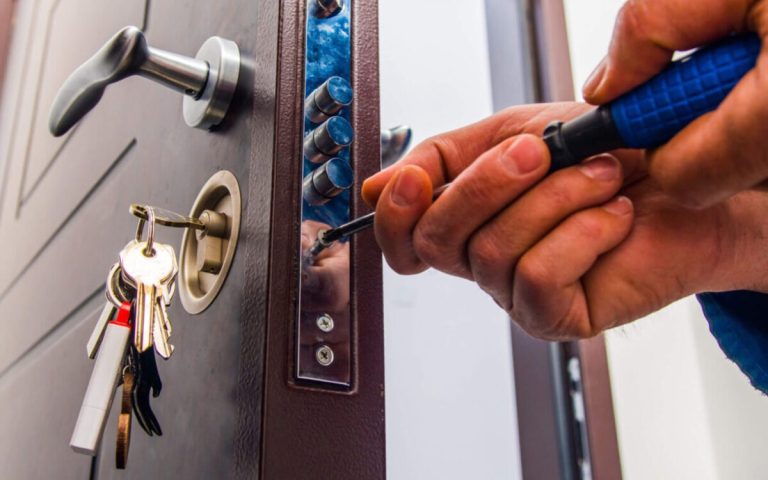
A break-in can completely ruin your peace of mind in addition to your home’s physical security. In these times, a locksmith can be an essential ally, restoring both your property and your sense of safety. It’s a vulnerable and unsettling period following such an incident, but a skilled locksmith Leeds can quickly secure your home and help you regain confidence in your surroundings. We acknowledge the profound emotional and security impact such an event can have on you, and our locksmith services are designed to bring you peace of mind.

In this comprehensive guide, we emphasise the critical need to address security vulnerabilities immediately after a break-in. Our purpose is clear: to provide a step-by-step process for replacing door locks, focusing on UK-specific security standards and solutions.

First Steps Following a Break-in

When the unthinkable happens, act fast. You need to contact the police and submit a thorough report. This not only initiates the investigation but also creates a record for insurance purposes.

Avoid touching or moving anything in the area affected by the break-in. Preserving the scene is crucial for the police investigation. Make a note of any things that are broken or missing. Both your insurance claim and the police report will benefit from this information.

Choosing the Right Replacement Locks

Selecting new locks is a pivotal step in regaining security. You need to consider several factors when choosing replacement locks.

First, determine whether the lock is needed for an interior door, a front door, or another type of entry point. Security is a key factor – external doors need high-security locks. The next step is to choose the locking mechanism. While mortice locks are frequently installed on wooden doors, cylinder locks are typically found on uPVC doors. Especially for outdoor locks, durability and weather resistance are key. Enhance your security by getting a lock with anti-drill and anti-pick features. Lastly, make sure your replacement lock meets any relevant security standards or insurance requirements.

How Door Locks Influence Your Home Insurance Policy

Navigating insurance and legal waters is essential. Your home insurance policy might be affected if you replace your locks, and it’s important to know how.

Insurance companies often give you discounts if you have good locks. Find out if your home insurance policy has any requirements or recommendations. In the case of a break-in, insurance agents evaluate security. You’ll be able to make a stronger insurance claim if you have strong, secure locks, while outdated, inadequate locks might raise questions. Some insurance policies require security upgrades to be done by qualified professionals.

Enhancing Door Security Post-Installation

Locks, while essential, are not the only answer. Protect the door against forced entry by installing high-security locks. Secure door frames with metal plates or strike plates so intruders can’t kick them in. Use long screws on the strike plates so they can reach the wall framing. You can add a layer of protection with security bars or grilles, especially for sliding doors. This will significantly improve the security of your doors and, therefore, your house.

DIY vs Professional Locksmith Services

The path to restoring security is not one-size-fits-all. You can replace locks yourself or hire a professional locksmith.

It’s usually cheaper to replace your locks since you won’t have to pay labour. Nevertheless, you’ll have to consider the cost of the new lock and any tools you’ll need. You may be able to do it if you’ve done home improvement jobs before and are comfortable following instructions. If you’re not experienced in lock replacement, DIY projects take time. It’s up to you to do your research, understand the installation process, and replace the lock.

Professional locksmiths are trained and experienced to handle all types of locks and security systems. If you let them know what you need, they can help you choose the right lock. Quick and precise installations are the speciality of professional locksmiths. When you hire a professional, it’s easier to finish the task correctly the first time. Professional locksmith services are typically guaranteed or covered by warranties. Locksmiths have specialised tools depending on the type of lock and how it is installed. So, installation is done precisely without damaging the door or lock. Moreover, you might have to get your security upgraded by a pro to keep your insurance policy valid. You better get a certified locksmith to replace your locks.

Preventative Measures: Avoiding Future Break-ins

A comprehensive approach to security is paramount. Prevent future break-ins by implementing these preventative measures:

  • Upgrade your locks. Install high-quality locks on all your doors and windows. Get smart locks that allow keyless entry and remote monitoring.
  • Ensure that door and window frames are strengthened with metal plates or strike plates. Put security films on windows to make them more resistant to breakage.
  • Use motion-activated lights to illuminate your home’s exterior. An area that’s well-lit can deter intruders.
  • Install visible security cameras around your house. Remote monitoring is common in modern CCTV systems.
  • Put money into a home security system that monitors and alarms. Put up signs indicating security systems.
  • Perform regular maintenance on your security features. Fix or replace any damaged locks, lights, or other security components.

You can improve your home’s security and significantly lower the likelihood of break-ins by taking these preventative steps.

The Emotional Impact Of A Break-in

After a break-in, there are often deep emotional scars. The psychological toll that burglary takes can be quite high. Among them are isolation, fear, and mistrust, as well as panic attacks, anxiety, depression, and restless nights.

Since break-ins are uncommon, they can be startling when they do occur. To feel afraid, frustrated, or angry is quite normal. Break-in victims need to acknowledge their feelings and process them. You can regain a sense of security and well-being by talking to friends, family, or mental health professionals.

Conclusion

After a break-in, regaining security becomes paramount. It’s not just about replacing door locks. The guide gives homeowners the knowledge and steps to rebuild their castles. Enhancing the overall safety and protection of a property requires comprehensive security measures beyond traditional locks. Security requires not only locks but also a variety of strategies and smart home technologies.

Painting a room can transform its look and feel, but choosing the right paint finish can be just as important as selecting the color. Different paint finishes have distinct characteristics that can impact the appearance, durability, and maintenance of your walls. In this article, we will explore the various types of paint finishes and guide you on how to choose the right one for each room in your house.

Flat Finish

Flat finish, also known as matte finish, is a popular choice for ceilings and low traffic areas such as bedrooms and dining rooms. It has a smooth and velvety texture with no shine, making it ideal for hiding imperfections on walls. However, flat finish is not very durable and can be difficult to clean. It is not recommended for high traffic areas or rooms with moisture such as bathrooms.

Eggshell Finish

Eggshell Finish

Eggshell finish has a slight sheen that gives walls a soft and subtle glow. It is a versatile finish that is suitable for most rooms in the house, including living rooms, bedrooms, and hallways. Eggshell finish is more durable than flat finish and can withstand light scrubbing, making it a good choice for families with children and pets. However, it may not be the best option for high humidity areas such as bathrooms and kitchens.

Satin Finish

Satin finish has a smooth and glossy appearance that reflects light, giving walls a luxurious and sophisticated look. It is a popular choice for high traffic areas such as hallways, staircases, and living rooms, as it is durable and easy to clean. Satin finish is also resistant to moisture and mildew, making it suitable for bathrooms and kitchens. However, it may highlight imperfections on walls, so it is important to prepare surfaces properly before painting.

Semi-Gloss Finish

Semi-gloss finish has a shiny and reflective surface that creates a sleek and modern look. It is a great option for trim, doors, and cabinets, as it is very durable and easy to wipe clean. Semi-gloss finish is also resistant to moisture and mildew, making it suitable for bathrooms and kitchens. However, it may be too shiny for large walls and may require several coats to achieve a smooth finish.

Glossy Finish

Glossy finish has the highest shine and reflectivity of all paint finishes, creating a bold and dramatic effect on walls. It is a rare choice for walls, as it is generally reserved for accent features such as furniture and decorative elements. Glossy finish is very durable and easy to clean, but it can highlight imperfections and unevenness on walls, so proper preparation is crucial.

Choosing the right paint finish for each room in your house can have a significant impact on its appearance and functionality. Flat finish is ideal for ceilings and low traffic areas, while eggshell finish is versatile and suitable for most rooms. Satin finish is durable and moisture-resistant, making it a good choice for bathrooms and kitchens, while semi-gloss finish is perfect for trim and doors. Finally, glossy finish is a bold and dramatic option for accent features. By considering the characteristics of each paint finish, you can choose the right one for your needs and create a beautiful and functional space.