
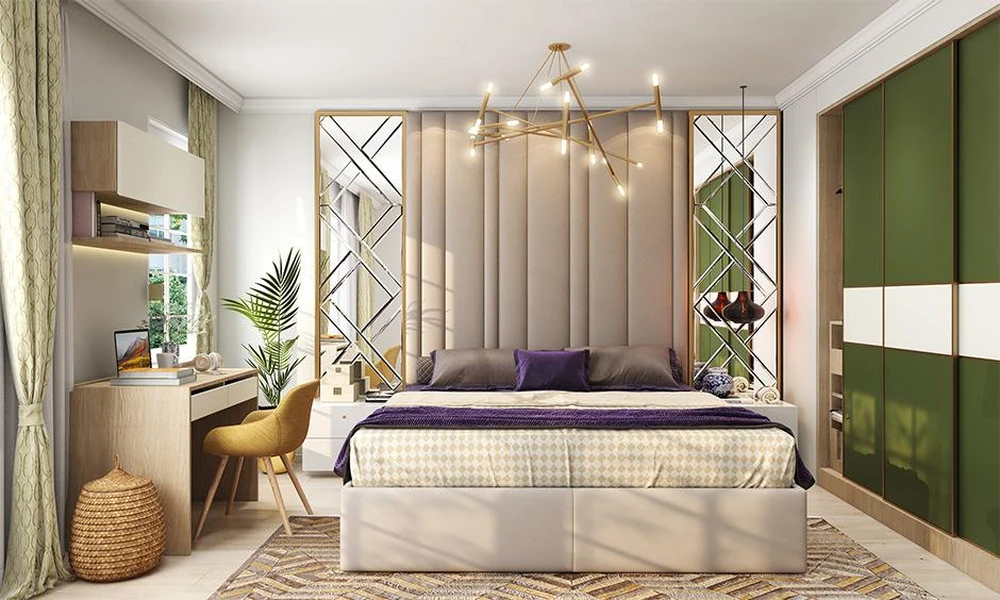
Turn the page on the tired debate between form and function. In the world of bedroom furniture, the best designs accomplish what seems impossible at first glance: creating an inviting sanctuary that’s as easy to live with as it is easy on the eyes.
Defining Style and Practicality in Bedroom Furniture
Style in bedroom furniture isn’t about chasing trends, but rather about cultivating a space that feels personal, inviting, and reflective of individual taste. Whether it’s the timeless lines of a sleigh bed or the bold simplicity of a low-profile platform, design choices shape the ambiance of the room. Materials, colors, and the silhouette of each piece work together to set the mood, calm, luxurious, playful, or serene.
Practicality, however, is the unsung hero in bedroom design. It’s about incorporating function at every turn: storage that hides clutter, nightstands that offer both display and concealment, and seating that serves more than one purpose. A beautiful piece loses its appeal if it doesn’t fit the needs of daily life. Ergonomics, durability, and adaptability are the cornerstones of practical furniture.
The intersection of these qualities is where the magic happens. A bedroom that’s styled to perfection but lacks storage quickly becomes chaotic, while a room that’s all utility and no personality feels more like a hotel than a home.
Traditional vs. Contemporary Design Approaches
Traditional bedroom furniture brings ornate carvings, rich woods, and classic forms. Think canopy beds with intricate headboards or dressers with elegant drawer pulls. The emphasis is on craftsmanship and visual weight, often resulting in pieces that command attention but may not maximize space or adapt easily to modern needs.
Contemporary furniture, by contrast, relies on clean lines, unobtrusive hardware, and multifunctional elements. Low-profile beds with built-in storage, floating nightstands, and modular wardrobes epitomize this style. Here, functionality is designed into the aesthetic from the start, often making contemporary choices more adaptable for small spaces or evolving lifestyles.
While traditional designs excel in character and warmth, contemporary options frequently offer more flexibility and efficiency. Both styles can be practical if carefully chosen, but the path to balance often lies in blending elements from each.
Materials and Finishes: Impact on Style and Function
Materials set the tone for both look and longevity. Solid woods like oak and walnut bring gravitas but can be heavy and costly. Engineered woods and metal frames offer lighter, often more affordable solutions. Upholstered pieces introduce softness and warmth but may require more maintenance.
Finishes play a pivotal role as well. High-gloss lacquers radiate modernity but can reveal fingerprints and scratches, while matte finishes are more forgiving. Sustainable materials, like FSC-certified woods, recycled metals, and natural fabrics, not only support environmental goals but often introduce unique textures and stories to the space.
When evaluating options, consider how each material will age and what level of upkeep you’re willing to commit to. The right balance means surfaces that stand up to daily use while elevating the room’s aesthetic.
Storage Solutions: Elegance or Efficiency?
Traditional storage leans toward armoires, chests, and dressers with decorative flourishes. These pieces often function as statement items, sometimes at the expense of maximizing every inch. Modern solutions take a modular approach, with wardrobes that can be customized, storage beds, and even nightstands with built-in charging stations.
Accessibility and space utilization are critical factors. Deep drawers are great for bulky sweaters, while adjustable shelves offer flexibility. The question becomes: Is your furniture serving your storage needs, or is it forcing you to compromise?
Comfort and Ergonomics in Design
A bedroom must be a haven, so comfort cannot play second fiddle. Stylish beds now feature slatted bases for support and ventilation, while ergonomic seating, like benches with supportive cushions, makes daily routines easier. Adjustable headboards and integrated reading lights bridge the gap between good looks and good sense.
Health is another consideration. The right mattress height, supportive frames, and thoughtfully placed handles reduce strain and make furniture more usable for everyone.
Lighting and Accessories: Enhancing Both Style and Practicality
Lighting sets the tone and supports function. Statement pendants or sculptural bedside lamps inject personality, but task lighting, like directional sconces, ensures that reading in bed doesn’t strain your eyes. Accessories, from mirrors with hidden storage to layered rugs, add comfort while serving a function.
The best designers use accents to marry beauty and usefulness, never letting one overpower the other.
Custom vs. Ready-Made Furniture: Trade-offs and Decisions
Custom pieces allow for perfect fit and tailored function, ideal in awkward spaces or when seeking something truly unique. However, they require more time and often a higher investment. Ready-made items are typically more accessible and can still offer style when chosen thoughtfully, but may not address every practical need.
Consideration of cost, lead time, and the specific demands of your room will guide this decision. The ideal solution might be a mix: a custom headboard paired with off-the-shelf nightstands, for instance.
Case Studies: Successful Balances of Style and Practicality
Some of the strongest examples of this balance come from contemporary design houses, such as Avant-Scene designer furniture. Their collections illustrate how inventive use of materials, modular storage, and adaptable designs blend form and function seamlessly. From beds with concealed drawers to nightstands that double as charging stations, their work inspires both consumers and professionals to demand more from their spaces.
Ultimately, the lesson is clear: with a thoughtful approach, the bedroom can become a place where style and practicality coexist, elevating everyday living without compromise. For those looking to refine their own spaces, prioritizing adaptability and durability in every stylish choice may be the smartest, and most satisfying, move of all.

Comments are closed.