
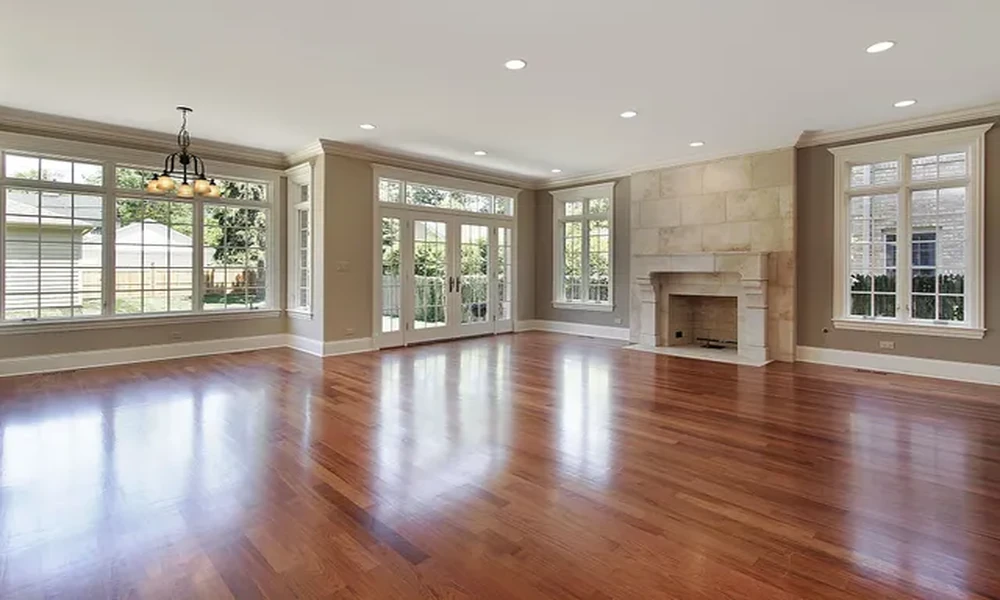
Wooden floors introduce warmth, a natural feel, and timeless value to both commercial and residential spaces. In saying this, it should be noted that the change of season, including temperature and humidity levels, can affect them. Autumn is especially important when it comes to wooden flooring maintenance, as the environment will change together with moisture levels in the atmosphere.
Regular maintenance of wooden floors allows one to protect them efficiently, minimise damage and maintain their natural beauty. It’s essential to monitor the environmental conditions, as knowing how they affect flooring types can help prevent serious issues before they appear.
Wooden Floor Autumn Humidity Care
Despite the fact that wood naturally reacts to moisture, the change of humidity levels in the air can cause some movements in wooden flooring. If the humidity level goes up, wood will absorb water and start to expand, whereas drying conditions will lead to the release of moisture and shrinkage. As a result of such changes, there may be gaps between the planks,s or the edges of wooden flooring may move.
Therefore, good care of a wooden floor during the autumn season implies the observation of all changes in the state of the floor. It is necessary to assess whether there are any unusual gaps between the planks, elevated edges,and other imperfections that can be felt underfoot. This will help identify whether the problem is related to the moisture level in the air, installation, or something else.
Post Monsoon Wood Floor Maintenance
After the rains, wooden floors can require extra care, especially if they have been exposed to rain, wet conditions indoors, or rainwater entering the premises through the doors and windows. Post-monsoon wood floor maintenance would first require identifying any visible water marks, changes in finish, swelling, or discoloration of surfaces, especially at the entry points, balconies, and the areas where there are high chances of moisture accumulation.
The cleaning might require the use of soft brooms, specific vacuum attachments, or a cleaning solution recommended by a flooring company. Any cleaning that makes use of water should be limited to prevent the moisture from entering the joints. If any section appears to be swollen, discoloured or damp, then it is essential to identify where the moisture is coming from before commencing any repair work. Just cleaning the surface would not do any good as long as the moisture problem is still there.
Preventing Wooden Floor Gaps and Seasonal Movement
Wooden boards of low quality may not be able to adjust to environmental conditions, leading to gaps and spaces forming. However, gaps may also indicate issues with installation, a poor subfloor, or not leaving enough space for expansion. Preventing wooden floor gaps means paying attention to both how the floors are laid out and the environmental conditions inside.
If the gaps get wider than normal or look like they spring up next to higher edges, seek advice from a professional and find out the underlying cause instead of closing the gaps yourself.
Seasonal Engineered Wood Care
Compared to solid wood flooring, engineered wood flooring has a layered structure that makes it more stable as well as effective against environmental changes. Nevertheless, engineered wood flooring is still vulnerable to moisture as well as changes that occur in the surrounding environment. Appropriate seasonal engineered wood care helps to keep the surface finish and the functioning of joints in good condition.
Use cleaning agents that are suitable for your type of engineered wood flooring, and clean up spills without delay. Avoid using a steam mop or wet mop unless such methods are allowed by the producer. Check the joints, edges, as well as transitions between rooms for any changes or effects from moisture damage. Selection of the right maintenance regime depends on the type, coating, as well as installation method of this type of flooring.
Maintaining Stable Indoor Conditions
Indoor conditions play an important role in maintaining wooden flooring throughout seasonal transitions. Ventilation can help manage the problems arising from humidity after the monsoon, while a hygrometer can be used to measure the humidity. In case the conditions become too dry, then it may be reasonable to use a humidifier as long as the recommendations provided by the manufacturer about humidity are kept.
Do not put engineered wooden flooring in areas that are constantly wet and do not expose it to direct heat from radiators and heaters. Using pads and rugs may help protect different surfaces that are used frequently, while they should be dry and appropriate to the flooring finish.
Conclusion
The issue with maintaining wooden flooring during the autumn season and other seasonal transitions can be resolved by keeping track of humidity levels, checking for moisture damage, and following all cleaning rules and recommendations required for different types of flooring. Regular inspections can help identify gaps, movement, and changes early. Keeping the indoor conditions under control and following the advice and recommendations provided by the producer allows homeowners to keep their flooring in good condition throughout the year.

Comments are closed.