Category

Home

Category

In the bustling city of Leeds, the Leeds Fencing Company has built a reputation for excellence in both the traditional and contemporary fencing realms, reflecting the same prestige and elegance that polished stone paving brings to gardens. Recognising the importance of a well-defined outdoor space, this fencing company in Leeds specialises in fence repairs, ensuring that every fencing panel reflects the durability and aesthetic appeal homeowners desire.

Their fence installation process is thorough and meticulous, fitting into the refined charm of a Leeds garden as seamlessly as polished stone. As a leading Leeds fencing contractor, they take pride in providing a wide selection of garden fencing options, from sturdy fencing panels that stand the test of British weather to the sleek lines of contemporary fencing that complement a modern patio’s polished stone.

Their commitment to quality and service as a fencing contractor is evident in every new fence they erect, offering customers the opportunity to express their personal style with a variety of designs. Whether the project calls for the restoration of an existing barrier or the crafting of a new one, their expertise ensures that each garden fencing project is handled with the utmost attention to detail and craftsmanship. This blend of tradition and innovation makes Leeds Fencing Company a trusted partner for transforming any garden into a personal haven of outdoor luxury.

There are three reasons why paved areas made from natural, smooth stone are so popular:

Superior Quality Final Product

A superb polish that will endure the test of time has been painstakingly applied to each stone.

Stunning Design and Color Choices, Available in a Huge Variety

Drawing from a wide palette of colors and styles, you may create a one-of-a-kind appearance that’s uniquely you.

All Circumstances Have Their Charm

Your outdoor space will look great all year round because to the ability of the smooth sandstone paving to preserve its beauty during all four seasons (sun, rain, snow, and ice).

Paving your outdoor area with smooth sandstone, which is available in a wide variety of beautiful natural hues, is a certain way to make it seem entirely different. These one-of-a-kind tones have evolved naturally over many generations, and they are now available to spruce up your own outdoor retreat. If you’re going for a modern look, smooth-finished outdoor porcelain tiles are the way to go. There is an abundance of choice, and the final decision is yours to make.

Paving laid with polished, high-quality sandstone

These flawlessly straight and smooth edges did not appear naturally. Stone is processed in factories to make it smooth, which also improves the quality and uniformity of the finish compared to a naturally occurring riven pavement slab.

It is easy to see that the finish on concrete slabs is of high quality when all of the exposed sides and edges are smooth. When it comes to style, a patio may be surpassed by nothing.

Non-riven pavement is safer for walking on than smooth pavement.

All of the paving options we provide for outdoor usage were made specifically with that environment in mind. This proves that they are a dependable option for paved patios and that they are suitable for the wet climate of the United Kingdom. Inherent slip resistance is included in the sawn sandstone we utilize for smooth sandstone paving 900 x 600. The slick natural stone walkway will continue to serve its purpose as a safe walking surface so long as it is properly cared for.

Although the polished slabs are not notoriously dangerously slippery, extra care should be exercised when traversing wet pavement.

If you want to make sure that this never happens, outdoor porcelain tile is your best option. These tiles’ slip resistance comes from the application of a “R-Rating System” during production that applies a minimum amount of anti-slip to the surface.

Smooth paving comes in a wide variety of colors and designs that are sure to wow.

If you want your yard to look great after you’re done landscaping, paving it with smooth sandstone might be the way to go. Paving constructed of polished natural stone is available in a wide variety of hues, and it can instantly elevate the look of any space. If you want your garden’s paved area to have a modern and minimalist look, polished sandstone pavers are a great alternative. Sandstone’s natural hues give it a rustic look while also helping to define its geometric shapes.

If you’re searching for something even more cutting-edge, outdoor porcelain pavement is also an option. These manufactured tiles are in pristine condition and are available in a wide variety of surface treatments.

If you need to pave an outside location that must be quiet, go with a smooth finish. They’re built to last, and as long as you give them a good scrub down every so often, they’ll be OK against the elements.

How to Choose the Perfect Paving Material for Your Yard

A wide variety of smooth paving materials are available for you to choose from when designing your garden. This is because there are so many variations in terms of kind, color, shade, texture, and finish. Despite this reality, selecting the ideal smooth pavement for your yard should not be a time-consuming ordeal.

Selecting the color of the natural stone pavement you wish to utilize in your garden is the first and easiest step. Pick a shade that works well with your garden’s aesthetic and the general ambiance of your outdoor space. It is important to choose a color scheme that complements the overall theme or aesthetic you have in mind for your garden.

We offer paving in both light and dark shades of gray if you’re interested in creating a more muted and polished patio area. These are really up-to-date looking, with a wonderful, streamlined design. If you want your patio to have a smooth paved surface and are feeling particularly brave, you may think of creating a mosaic pattern using a variety of smooth sandstone paving slabs.

Is It a Good Idea to Use Smooth Paving?

There is a wide variety of smooth paving slabs to choose from, so it should be easy to find something you like. Limestone is a great option if you’re searching for a material that’s as easy to clean as porcelain tile. Limestone, on the other hand, is a touch more natural while still being great and smooth, so it may be what you’re after.

Conclusion

When going for a modern, on-trend look, smooth pavement will always win out over naturally polished stone. If you need help deciding which option is best for you or which kind of paving slabs in general is the best option to go with, please contact us and we will be pleased to advise you.

In the ever-evolving landscape of interior design, where innovation meets functionality, ottoman beds stand out as a symbol of smart living. These versatile pieces of furniture have quietly revolutionized the way we perceive and utilize space in our homes. Gone are the days when a bed was merely a place to sleep; the modern ottoman bed naturally combines comfort, style, and intelligence, making it an indispensable asset for any contemporary home.

Maximizing Space with Ottoman Beds:

One of the key challenges in modern urban living is space management. As our homes shrink in size, the need for intelligent storage solutions becomes paramount. Ottoman beds address this challenge ingeniously. Beyond their primary function as a comfortable sleeping space, they offer an abundance of hidden storage underneath the mattress. This previously wasted space now transforms into a treasure trove for storing everything from spare linens and pillows to seasonal clothing, shoes, and even luggage. By utilizing the often-unnoticed area beneath the bed, ottoman beds empower homeowners to declutter their living spaces.

Style Meets Substance:

Beyond their practicality, ottoman beds contribute significantly to the aesthetic appeal of a room. Available in a myriad of designs, materials, and colors, these beds effortlessly blend with various interior styles, from minimalist and Scandinavian to eclectic and traditional. The choice is no longer between functionality and style; ottoman beds embody both, elevating the ambiance of any bedroom. Whether you prefer a sleek faux leather finish, a cozy fabric upholstery, or a rustic wooden frame, there’s an ottoman bed to suit every taste and preference.

Enhancing Bedroom Flexibility:

The versatility of ottoman beds extends beyond their storage capabilities. Many designs feature a gas-lift mechanism that allows for effortless lifting of the mattress. This ease of use transforms the bed into a practical multipurpose space. During the day, the room can function as an office, a play area for children, or even a cozy reading nook. With a simple lift, the bed seamlessly reverts to its nighttime purpose. This flexibility is especially invaluable for those living in studio apartments or smaller homes, where every square foot is precious.

Eco-Friendly Living:

In an era marked by environmental consciousness, ottoman beds also align with the principles of eco-friendly living. Many manufacturers prioritize sustainable materials and responsible production practices, ensuring that your furniture choices have a minimal impact on the planet. By investing in an ottoman bed crafted from eco-conscious materials, you not only enhance your living space but also contribute to a more sustainable future.

Conclusion:

In the grand tapestry of contemporary living, ottoman beds emerge as a shining thread, weaving together comfort, functionality, and style. They embody the essence of smart living, catering to the needs of modern homeowners who seek intelligent solutions for their space-related challenges. By choosing an ottoman bed, you not only optimize your living space but also enhance the visual appeal of your home. Moreover, you make a statement in favor of sustainable living, embracing furniture that aligns with eco-friendly practices.

In conclusion, ottoman beds have redefined the concept of smart living. They are not merely pieces of furniture; they are statements of practicality, style, and environmental awareness. By investing in an ottoman bed from Better Bed Company, you are making a choice that enhances your living space, promotes organization, and supports eco-friendly practices. Embrace the elegance and functionality of ottoman beds and experience the transformative power they bring to your home, making every square foot count in the most stylish and intelligent way possible.

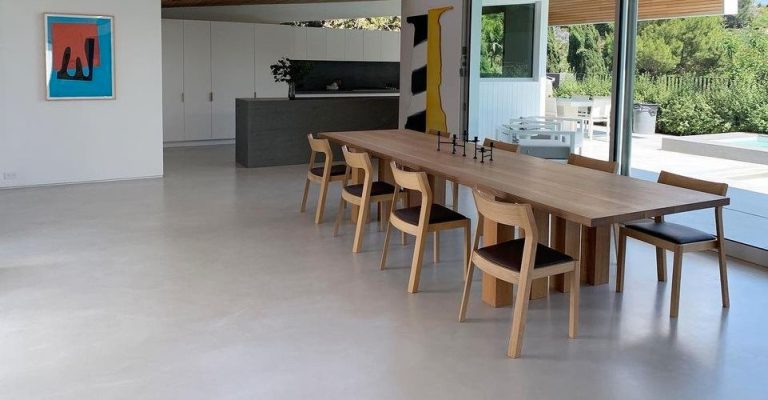
Concrete flooring has come a long way from its utilitarian origins. Once primarily associated with industrial spaces and basements, modern concrete floors have evolved into a versatile and stylish flooring option for both residential and commercial properties. In this article, we will explore the advantages and aesthetics of modern concrete flooring, shedding light on why it has gained immense popularity in recent years.

1. Durability and Longevity

One of the most significant advantages of modern concrete flooring is its exceptional durability and longevity. When properly installed and maintained, concrete floors can last for decades, making them a cost-effective choice in the long run. They can withstand heavy foot traffic, resist stains, and are highly resistant to wear and tear.

2. Easy Maintenance

Maintaining a concrete floor is relatively straightforward, making it an attractive option for busy homeowners and businesses. Regular sweeping and occasional mopping are usually all that’s required to keep concrete floors looking pristine. Unlike some other flooring materials, concrete doesn’t require frequent polishing, waxing, or refinishing.

3. Design Versatility

Modern concrete flooring offers a wide range of design possibilities. It can be stained, dyed, or stamped to achieve a variety of colors, patterns, and textures. This versatility allows homeowners and designers to create unique and personalized spaces that suit their aesthetic preferences. Whether you prefer a sleek, minimalist look or a rustic, industrial feel, concrete flooring can accommodate your vision.

4. Environmentally Friendly

Concrete is an environmentally friendly flooring choice. It is made from abundant natural materials, such as limestone, clay, and water. Additionally, the energy consumption during the production of concrete is lower compared to some other flooring materials. Moreover, concrete floors can be paired with energy-efficient radiant heating systems, further enhancing their sustainability.

5. Indoor Air Quality

Concrete floors contribute to better indoor air quality. They do not trap allergens like carpets can, and they don’t emit harmful chemicals into the air as some other flooring materials might. This makes them an excellent choice for those with allergies or sensitivities.

6. Cost-Effective

Concrete flooring can be a cost-effective choice when you consider its long lifespan and minimal maintenance requirements. While the upfront installation costs may vary depending on factors like design complexity and surface preparation, the overall cost of ownership is often lower compared to other flooring options.

7. Seamless and Contemporary Aesthetics

Modern concrete floors offer a seamless and contemporary aesthetic that complements a variety of interior styles. They can create a sense of spaciousness and openness, making them an excellent choice for smaller spaces or areas where you want to maintain a clean, uncluttered look.

8. Customization Possibilities

Concrete floors can be customized to fit your specific design preferences. They can be polished to a high sheen for a glossy and reflective surface or left with a matte finish for a more subdued appearance. You can also incorporate decorative elements like inlays, aggregates, or scoring to add character to your concrete floor.

Modern concrete flooring offers a host of advantages, ranging from durability and easy maintenance to design versatility and environmental benefits. Its seamless and contemporary aesthetics make it a popular choice among homeowners and businesses looking for a stylish and practical flooring solution.

Whether you’re renovating your home or designing a commercial space, consider the many advantages and aesthetics of modern concrete flooring. Its blend of functionality and beauty may be the perfect fit for your next project.

For London homeowners, selecting the ideal heating system is more than just a matter of comfort; it’s about efficiency, style, and space utilization. In recent times, the debate between the traditional radiator system and contemporary underfloor heating has intensified, with homeowners weighing the pros and cons of each system. Drawing insights from Source, let’s embark on a detailed exploration to ascertain the best fit for your home.

The Radiators: Standing the Test of Time

Understanding the Mechanism: Radiators have been the cornerstone of home heating for well over a century. Operating via a central heating system, they circulate hot water through metal units, which then release heat into individual rooms predominantly through the process of convection.

Benefits of Radiators:

  • Versatility: Suitable for both vintage houses and modern builds, radiators offer flexibility in installation.
  • Rapid Heat: Radiators are adept at quickly raising the temperature of a room.
  • Design Variety: From Victorian-style columns to sleek modern designs, radiators can be an aesthetic addition.

Drawbacks:

  • Space: They consume wall space, often dictating room layouts.
  • Maintenance Needs: Radiators can occasionally need bleeding to remove trapped air.

Underfloor Heating: Modern Comfort Underfoot

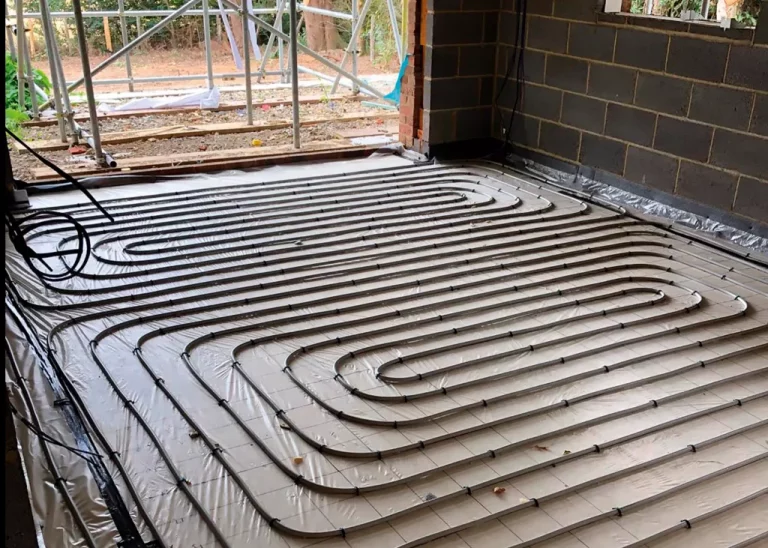
Understanding the Mechanism: There are two primary underfloor heating systems – electric and water-based. While the electric variant employs heating mats beneath the floor surface, the water-based system circulates warm water through a network of pipes.

Benefits:

  • Efficiency: Notably, underfloor systems can be up to 25% more energy-efficient than radiators when combined with conducive flooring.
  • Aesthetic Appeal: No visible components mean no hindrance to interior design aspirations.
  • Uniform Heating: The entire floor becomes a heat source, ensuring even temperature distribution.

Drawbacks:

  • Installation: Especially for water-based systems, the installation can be disruptive.
  • Repair Complexity: Any malfunction requires dealing with the flooring, making repairs more cumbersome.

Considerations When Choosing:

  1. Flooring Compatibility: While stone and ceramic tiles complement underfloor heating due to their heat conduction and retention capabilities, carpets require a specific underlay to be effective.
  2. Frequency of Room Usage: Radiators might be a fit for less-frequented rooms due to rapid heat delivery. In contrast, main living areas, like lounges or bathrooms, might benefit from the luxury of underfloor warmth.
  3. Budgetary Constraints: Initial setup costs for underfloor heating can be higher, but they often lead to longer-term savings due to better energy efficiency.
  4. Health Benefits: Reduced air circulation with underfloor systems can mean fewer airborne particles, a boon for allergy sufferers.

The London Perspective:

Historic row houses, modern apartments, expansive townhouses – London’s architectural landscape is diverse. As space becomes an ever-premium asset in the bustling capital, the efficiency of every square foot becomes paramount. Given the unique construction aspects of many London homes, expert guidance is crucial. Heating engineers in London and other locales across the city can offer tailor-made solutions based on individual home specifications.

Conclusion:

Choosing between radiators and underfloor heating isn’t a one-size-fits-all decision. For some London homeowners, the charm and immediacy of radiators might appeal, while others may prefer the modern comfort and efficiency of underfloor systems. But one thing’s for sure: as winter descends upon the city, every home deserves a heating solution that’s both effective and efficient. By weighing the benefits, considering the drawbacks, and seeking expert advice, homeowners can make an informed choice that serves them best.

Before you hire someone to fix your roof, it’s important to know whether they have the proper credentials.

In this article, we will explore the state licensing requirements for roofing contractors and show you how to verify their license.

By hiring a licensed roofing contractor, you can ensure that you are getting a qualified professional who meets industry standards.

Don’t take the risk of hiring an unlicensed contractor – protect your investment and your peace of mind.

State Licensing Requirements for Roofing Contractors

You should check the state licensing requirements for roofing contractors before hiring one. State regulations play a crucial role in ensuring that contractors are qualified and capable of delivering quality work. The licensing process varies from state to state, but it generally involves certain criteria that contractors must meet. These criteria may include a certain level of experience, passing an exam, or obtaining a specific type of insurance coverage.

How to Verify a Roofing Contractor’s License

Before hiring a roofing contractor, it’s important to verify their license by checking with the state licensing board. This ensures that the contractor has met the necessary requirements and is legally allowed to perform roofing work.

In addition to a license, it’s also crucial for roofing contractors to have insurance. Insurance provides protection for both the contractor and the homeowner in the event of accidents, property damage, or injuries that may occur during the roofing process.

To become a licensed roofing contractor, individuals must typically complete educational courses, pass an exam, and meet specific experience requirements. Some states may also require contractors to obtain a surety bond, which provides financial protection to customers if the contractor fails to fulfill their obligations.

Benefits of Hiring a Licensed Roofing Contractor

Hiring a licensed roofing contractor can provide you with the assurance that your roofing project will be handled by a qualified professional. There are several benefits to hiring a licensed contractor.

Firstly, a licensed contractor has met the necessary qualifications and requirements set by their state or local licensing board. This ensures that they have the knowledge and skills needed to perform the job correctly and safely.

Additionally, hiring a licensed contractor gives you access to certain protections and guarantees. For example, many licensing boards require contractors to carry liability insurance, which can protect you in the event of any damages or accidents during the project.

Overall, hiring a licensed roofing contractor provides peace of mind and the confidence that your project will be completed to a high standard.

Risks of Hiring an Unlicensed Roofing Contractor

An unlicensed roofing contractor may pose significant risks and can potentially lead to poor workmanship or legal complications. When hiring a contractor, it’s crucial to consider the risks associated with hiring an inexperienced individual.

Inexperienced contractors may lack the necessary skills and knowledge to properly install or repair a roof, which can result in subpar workmanship and costly repairs down the line.

Additionally, unlicensed contractors may not have proper insurance coverage, leaving homeowners liable for any accidents or damages that occur during the project.

To mitigate these risks, it’s essential to thoroughly research and check a contractor’s credentials, including their licensing status and insurance coverage. By doing so, homeowners can ensure they hire a reputable professional who can deliver quality work and provide the necessary protection in case of any unforeseen events.

Conclusion

In conclusion, hiring a licensed roofing contractor is like having a sturdy umbrella in a storm. They’ve met state licensing requirements, ensuring their expertise and reliability. By verifying their license, you can trust that they’ll provide quality workmanship and adhere to safety regulations.

On the other hand, hiring an unlicensed contractor is like walking in the rain without protection. It poses risks such as poor workmanship, potential legal issues, and lack of accountability.

Choose wisely for a secure and stress-free roofing experience.

When it comes to enhancing the aesthetics and functionality of your bathroom, one of the most important elements to consider is the bathroom vanity with a sink. This essential piece of bathroom furniture not only adds style but also provides valuable storage space and functionality. In this comprehensive guide, we will delve deep into the world of bathroom vanities with sinks, helping you make an informed decision for your bathroom remodeling project.

Understanding the Importance of a Bathroom Vanity

1. Elevating Your Bathroom’s Aesthetics

A bathroom vanity with a sink is more than just a practical addition; it’s a design statement. It serves as the focal point of the bathroom and sets the tone for the entire space. Whether you prefer a sleek, modern look or a classic, traditional style, the right vanity can transform your bathroom into a luxurious oasis.

2. Maximizing Storage Space

Storage is often at a premium in bathrooms, and a well-chosen vanity can help you make the most of the available space. From drawers and cabinets to open shelving, bathroom vanities come in various configurations to accommodate your storage needs. Say goodbye to cluttered countertops with a vanity that keeps everything organized.

Types of Bathroom Vanities with Sinks

When it comes to choosing a bathroom vanity with a sink, you’ll be spoiled for choice. Here are some popular types to consider:

1. Single Sink Vanities

Ideal for smaller bathrooms or guest bathrooms, single sink vanities offer a compact yet stylish solution. They are available in various sizes and styles, making it easy to find one that complements your bathroom’s design.

2. Double Sink Vanities

For larger bathrooms or shared spaces, double sink vanities are a game-changer. They provide ample countertop space and storage, making mornings less hectic for couples or families.

3. Wall-Mounted Vanities

If you want to create a sense of space in a smaller bathroom, wall-mounted vanities are an excellent choice. They free up floor space, creating a more open and airy atmosphere.

4. Freestanding Vanities

Freestanding vanities are versatile and can be easily customized to suit your style preferences. They come in various materials, from wood to glass, and can be paired with different sink options, such as under-mount or vessel sinks.

Choosing the Right Material

The material of your bathroom vanity can significantly impact its durability and aesthetics. Here are some common materials to consider:

1. Wood

Wooden vanities exude warmth and elegance. They are available in various wood types, including oak, maple, and walnut. Ensure the wood is properly sealed to withstand moisture in the bathroom.

2. MDF (Medium Density Fiberboard)

MDF vanities are budget-friendly and offer a smooth, consistent finish. They are also less prone to warping due to humidity.

3. Glass

Glass vanities lend a modern, sleek look to your bathroom. They are easy to clean and maintain, making them an excellent choice for contemporary spaces.

4. Stone

Stone vanities, such as marble or granite, add a touch of luxury to your bathroom. They are durable and resistant to moisture, but they may require more maintenance to prevent staining.

Sink Styles and Configurations

The sink is an integral part of your bathroom vanity, and there are various styles and configurations to choose from:

1. Under-Mount Sinks

Under-mount sinks are installed beneath the countertop, creating a seamless and easy-to-clean surface. They work well with stone or solid surface countertops.

2. Vessel Sinks

Vessel sinks sit on top of the countertop, adding a unique and eye-catching element to your vanity. They are available in various shapes and materials, allowing for creative customization.

3. Integrated Sinks

Integrated sinks are part of the countertop itself, creating a sleek and streamlined look. They are easy to clean and maintain, making them a practical choice for busy households.

Faucet and Hardware Selection

To complete your bathroom vanity with a sink, you’ll need to choose the right faucets and hardware. Consider the following factors:

1. Faucet Styles

Faucets come in various styles, including single-handle, double-handle, wall-mounted, and waterfall. Choose a style that complements your vanity and bathroom design.

2. Finish

The finish of your faucet and hardware should coordinate with the overall color scheme of your bathroom. Popular finishes include chrome, brushed nickel, and oil-rubbed bronze.

Installation and Maintenance Tips

Proper installation and maintenance are crucial to ensure your bathroom vanity with a sink remains functional and beautiful for years to come. Here are some tips:

  • Hire a professional plumber or contractor for installation to prevent leaks and ensure a secure fit.
  • Regularly clean and wipe down your vanity to prevent water spots and stains.
  • Avoid using abrasive cleaners on the vanity surface, as they can damage the finish.

Conclusion

Choosing the perfect bathroom vanity with a sink is a significant decision that can elevate the overall look and functionality of your bathroom. By considering factors such as vanity type, material, sink style, and hardware, you can create a space that reflects your style while meeting your practical needs. Don’t rush the decision; take your time to explore options and envision the bathroom of your dreams.

Tidying up a property is it your residence, a rental unit, or a newly inherited estate, can often seem like an overwhelming endeavour. The process of categorizing belongings, determining what to retain, and figuring out how to get rid of things you no longer can make you feel swamped before you’ve even begun. Fear not, though; we’re here to help. In the following article, we will delve into proven methods for property and estate cleanouts, offering you insightful tips, useful tricks, and essential tools to streamline the process and make it as hassle-free as possible.

Why Property Cleanouts Are Necessary

The first step is to discuss the elephant in the room: why do property cleanings are necessary? In the first place, they can dramatically increase the value of the home. A clean, tidy area is attractive to prospective buyers and renters. Furthermore, clean-ups are necessary in order to protect your health and the environment. The accumulation of junk could become an ideal breeding ground for insects and bacteria. Therefore, let’s learn the steps to take it as a professional.

Planning: The First Step in Property Cleanouts

  • Make an Inventory: The first task you have to complete is to create an inventory of the items. Sort them into categories like ‘Keep and dispose of or Donate.’
  • Create a Timeline: Based on the dimensions of the building, you can set a reasonable timeframe. The timeline could span between a few days to several weeks.
  • Get the Right Tools: Gather necessary tools like heavy-duty trash bags, boxes, and labelling materials.

Tips for a Smooth Estate Cleanout

Estate cleanouts can be emotionally and physically draining. Not only do you have to deal with the logistics, but also potentially delicate family matters. Here are some tips to keep in mind:

  • Involve Family Members: Make it a family affair. Invite siblings or close relatives to help you with the sorting process.
  • Appraise Valuables: If you come across items that seem valuable, get them appraised. They could be auctioned off to cover estate costs.
  • Document Everything: Keep a detailed record of what you decide to keep, donate, or dispose of for future reference or estate settlement processes.

Tricks to Speed up the Process

  • Use Technology: There are numerous apps to help you categorize items and even find places where you can recycle or donate them.
  • Hire Professionals for Specialized Tasks: For certain items like electronics, paints, or large furniture, it’s best to get professionals involved. You can look for services that specialize in junk removal in Huntington Beach or your local area to handle complicated tasks safely and efficiently.

Tools You’ll Need

  • Dumpster: If the property has a significant amount of waste, consider renting a dumpster.
  • Hand Truck: A hand truck can help in moving heavy items.
  • Cleaning Supplies: Don’t forget brooms, mops, and cleaning agents to give the place a final clean-up after the items have been removed.

Wrapping Up

Property and estate cleanouts don’t have to be a gruelling experience. By utilizing the best techniques and suggestions and appropriate equipment, you’ll be able to take on the job like a professional. Therefore, get rolling on your sleeves and restore that home to its former glory.

Following these rules and guidelines, you’ll have a better experience, but you may also find it satisfying.

A crucial step in preventing water damage to your house and personal belongings is waterproofing the basement or garage. Applying waterproof paint to the exterior walls and flooring is one method for achieving this goal. There are numerous varieties of waterproofing paint (สีทาหลังคา กันรั่วซึม, which is the term in Thai) available, each with a different level of endurance and cost.

Masonry Paint

The external surfaces of your home are significantly easier to maintain because masonry paints are simple to rinse off and clean with water and soap. Masonry coatings may last for ten years or longer if they are correctly done.

Acrylic Paint

Creative homeowners adore acrylic paint. Both latex and non-latex acrylic paints are available. The application of acrylic paints is simple when using typical brushstrokes and roller. Additionally, acrylic painting comes in a variety of finish options, such as matte, shiny, and slick. The best approach to personalise a wide range of surfaces, for example, wood, brick, tiles, and brick, is with paint made from acrylics.

 Epoxy Paint

Only skilled painters should use this paint because it is made of a rigid plastic resin and is challenging to apply. Epoxy paints are also suitable for use on surfaces like garage floorboards due to their susceptibility to damage from chemicals like petrol and oil from automobiles.

Benefits Of Water Poof Paints

The majority of the surfaces in the building can be effectively painted with waterproofing paint. Fortunately, as was already indicated, pay close attention to what kind of paint’s type. In addition, waterproof paint may be the solution if you value a well-maintained workplace.

Waterproof paint is designed to withstand the damp environments that we mentioned before. You incur the genuine risk of a number of significant health problems when moisture penetrates your walls or the traditional paint behind them. Think about the damage that moisture that accumulates inside your walls might cause. The accumulation of mildew and possible mould can have detrimental and ugly effects on one’s health.

Strong And Reliable

In conclusion, areas with a great deal of foot activity frequently utilise waterproof paint. Think about the corridor beside your front door as an example. There, they frequently brush up on and bump into the walls. Whether you are taking off your footwear while holding it against the wall using one hand or your child is scurrying ahead with a hand tracing the paint. The reliability and durability of the weatherproof paint allow it to withstand damage.

Beautifying or repairing a home can provide a great result when proper materials are introduced. From looks to performance, everyone tries to get the best for their home. While choosing tiles to cover the walls or floor of various rooms. Choosing the right tile is essential. With the following tips, it would be much easier to find what will be perfect for your setting.

Begin with the fundamentals

Decide what you want to find before you begin your tile search. Look through the publications to learn about the newest fashions and styles. You’ll have a clear picture of how your room will look if you can visualize it.

Recognize the forms of tiles

You need to select the ideal solution for your home out of the many tile kinds that are available in a range of forms, styles, and finishes. Therefore, educate yourself on the many varieties of tiles before choosing the first one you lay eyes on. This will assist you in selecting the ideal wall and floor tiles for your area.

Ceramic: Ceramic tiles are a good option if you’re seeking reasonably priced, long-lasting tiles. These tiles provide a plethora of alternatives to improve the interior design of your house.

Porcelain tiles: Denser in composition, stain, scratch, and heat resistant, porcelain tiles are elegant, robust, and low maintenance. These characteristics make them ideal for your house.

Vitrified tiles: Known for their seamless appearance, extreme resilience, and longevity, vitrified tiles are another formidable competitor in the tile market. You can use vitrified tiles both indoors and outdoors.

Where would you like the tiles to be laid?

There are several uses for tiles. For example, some tiles are made only for walls, while others are put on both walls and floors. While some tiles can be used both indoors and outdoors, some are more suited for one or the other.

Not knowing where you want to install your tiles can make it difficult to choose the correct ones for your home. Therefore, decide where you want your tiles to go and the theme you want to create before you start choosing floor tiles.

These days, tiles are not limited to backsplashes and kitchens; they can be installed anywhere. The options are unlimited and extend to the balcony, patio, and parking lot in addition to the living room, bedroom, and bathroom. Choosing the appropriate tiles for your home will be made easier if you decide where and how to put them.

Select the style of design

Consider the aesthetics you hope to accomplish for your area. You might desire a serene and calming atmosphere for your space. Muted tiles are ideal for the style you want to go for, whether they have patterns or not. Adding ceramic tile stone pattern (กระเบื้องลายหิน, term in Thai) to your tiles can be a terrific way to give your living room or children’s playroom that extra something special. You can choose glossy or matt-finished tiles. You can wish to go with light colors like beige, white, grey, or off-white for an elegant and suave look. You can mix and match colors, patterns, and motifs for a fun and dramatic theme. Two-tone tiles or a combination of light and dark hues will look amazing.

Winter’s chill can wreak havoc on your plumbing. You’re not alone if you’ve dealt with frozen pipes and nasty leaks. But don’t fret! We’ve got a handy guide to help you prepare for the cold season.

You’ll learn essential pre-winter checks, proactive measures to prevent leaks, and how to deal with common plumbing issues. With our expert advice, you’ll be navigating winter’s plumbing challenges like a pro. Let’s get your system winter-ready!

Understanding the Impact of Winter on Your Plumbing System

You mightn’t realize it, but the winter months can wreak havoc on your plumbing system if you’re not prepared.

As temperatures drop, the water in your pipes can freeze, leading to cracks or even bursts. That’s why it’s essential to insulate your pipes before winter hits.

By doing so, you’ll prevent cold air from freezing the water inside. Even your hot water system isn’t safe. Cold weather can reduce its effectiveness, leaving you with lukewarm showers on chilly mornings. Furthermore, your outdoor plumbing fixtures are vulnerable too. Frost can damage your external faucets and irrigation systems.

Essential Pre-Winter Plumbing Checks

Before the cold weather hits, it’s crucial to check your pipes and fixtures to ensure they’re in good shape. You don’t want to deal with frozen or burst pipes during the frosty winter months.

Start by inspecting your pipes for any signs of wear or damage. If you notice any issues, don’t hesitate to call a professional plumber. They’ll be able to assess the situation and provide a solution.

Next, make sure to insulate your pipes, especially if they’re located in unheated areas like the garage or basement. This helps prevent freezing. Lastly, don’t forget to drain your outdoor faucets and disconnect any hoses. If water is left inside, it can freeze and cause damage.

Proactive Measures to Prevent Winter Plumbing Leaks

It’s vital to take proactive steps in order to avoid any unwanted surprises with your home’s pipes during the cold months. Start by insulating your pipes. It’s a simple task that can save you a lot of trouble. You can use foam insulation tubes that you’ll easily find at any hardware store. They’ll keep your pipes warm and prevent them from freezing.

Next, disconnect your garden hoses. Any water left in them can freeze and cause the hose bibs to burst. Lastly, keep your house warm. Don’t let the temperature drop below 55 degrees, even if you’re out of town. Keeping the heat on will prevent your pipes from freezing and bursting.

Dealing With Common Winter Plumbing Issues

Despite your best efforts, sometimes those pesky pipe problems do pop up in the colder months, and that’s when you’ve got to know how to tackle them. First, don’t panic. Turn off your water supply to prevent further damage.

Your next step should be to identify the problem. Is it a leak or a frozen pipe? If it’s a leak, you’ll need to patch it up temporarily and then call a professional. If it’s a frozen pipe, you can try to thaw it slowly with warm clothes or a hairdryer. Remember, don’t use open flame devices as they can cause more harm.

Lastly, be patient. Plumbing issues can be frustrating but rushing won’t make it better. Keep a cool head and you’ll navigate through this winter challenge.

Expert Advice for Maintaining Your Plumbing System During Winter

You’re going to want to hear from the experts on this one, because keeping your pipes in top shape during the cold months is no easy task.

They’ll tell you the first step is to insulate your pipes. Without insulation, your pipes are vulnerable to freezing, and frozen pipes can burst, causing significant damage. Next, they recommend keeping your house warm, even if you’re not home. A cold house can lead to frozen pipes.

Don’t ignore leaks, either. Small leaks can become big problems when the temperature drops. Finally, know where your home’s main water valve is. If a pipe does burst, you’ll want to shut off the water quickly to minimize damage.