
Tag

experience

Browsing

As homes in Australia become more future-focused, accessible living is no longer a luxury — it’s a necessity. Whether you’re building a forever home, renovating for aging-in-place, or simply aiming for better accessibility, two major contenders usually come up: home elevators and stair lifts.

So, which one suits your needs better?

While both serve the same core purpose — helping you move between floors safely and comfortably — they differ in function, experience, cost, and aesthetics. This blog explores both options from an Australian perspective, breaking down the pros, cons, and considerations that can help you make the best choice for your home.

Why Are Aussies Investing in Vertical Mobility?

Before we dive into the comparison, let’s talk about the why. Australia’s aging population is growing. According to the Australian Bureau of Statistics, nearly 1 in 6 people are now over the age of 65. But aging doesn’t mean downsizing has to be the only option.

Instead, many Australians are modifying their existing homes or building with accessible features — and both residential elevators and stair lifts are top picks. These solutions help residents maintain independence, improve safety, and make multi-level homes more livable.

So, what sets them apart?

Understanding Stair Lifts

Stair lifts, also known as chair lifts, are mechanical chairs that glide along a rail mounted to your staircase. They’re ideal for users with limited mobility who need a simple way to travel up and down the stairs.

Pros:

  • Quick installation: Often installed within a few hours to a couple of days.
  • Minimal renovation: No structural changes needed; works with your existing staircase.
  • Cost-effective: Typically cheaper than installing a lift.
  • Compact: Folds away when not in use.

Cons:

  • One person at a time: Not ideal for moving groceries, luggage, or assisting others.
  • Visible equipment: Aesthetically intrusive in some interior designs.
  • Limited long-term value: Better as a temporary fix rather than a permanent accessibility solution.

For those who want a fast, budget-conscious solution without major renovations, stair lifts are worth considering — especially when stairs become a daily challenge.

Home Elevators Explained

On the other side, home elevators are modern lift systems designed for private residences. They come in various forms — hydraulic, traction, pneumatic, or cog-belt — and can be customised to match your home’s architecture and design.

Pros:

  • Stylish and modern: Can blend seamlessly with home interiors.
  • Highly functional: Transport people, groceries, pets, or luggage between floors.
  • Future-proof: Adds long-term value and convenience to your property.
  • Multiple users: Accommodates more than one person, or a wheelchair, depending on size.

Cons:

  • Higher initial cost: More expensive than stair-based alternatives.
  • Installation time: Takes several weeks to install.
  • Space requirements: Requires planning and space allocation, especially for retrofits.

If you’re building new or doing major renovations, incorporating a house elevator may be the smarter long-term decision.

Comparing Cost and Investment

Let’s talk numbers. It’s no secret that stair lifts are more affordable upfront. Prices in Australia can start around AUD $4,000 and go up depending on staircase complexity and brand.

In contrast, installing a home lift can cost anywhere from AUD $35,000 to $60,000 or more, depending on the type, number of stops, and customisations.

But here’s the thing: domestic lifts add value to your property, while stair lifts usually do not. Buyers often see home elevators as premium features, which can be a selling point in competitive real estate markets like Sydney or Melbourne.

So, if you’re thinking of your home’s resale value or long-term comfort, elevators may be worth the higher price tag.

Aesthetic Appeal & Space Planning

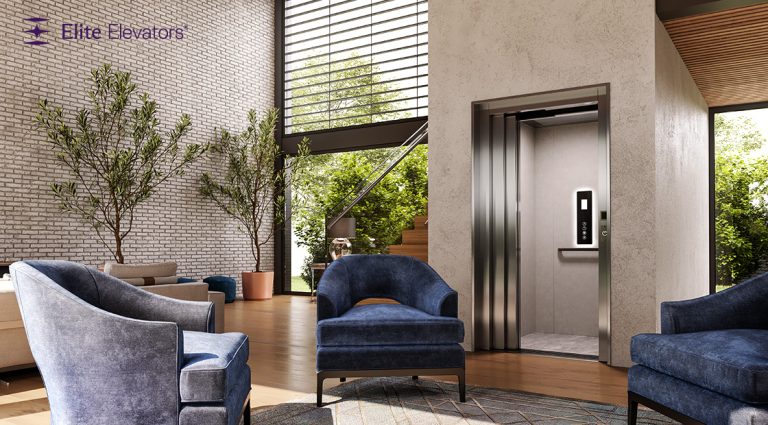
This is where home elevators truly shine. Today’s models are sleek, space-efficient, and can be designed to match your interior decor. From glass walls to timber finishes, elevators can look as luxurious as they feel.

In contrast, stair lifts are utilitarian. While newer models are more compact and less obtrusive, they still follow the contour of your stairs and are always visible. For some homeowners, this may not align with modern or minimalist home design.

If the visual impression of your space matters to you, an elevator is often the more harmonious choice.

Speed & Comfort

In terms of speed, stair lifts tend to be slower and take about a minute or more per floor. Plus, users need to sit down, strap in, and wait for the ride to complete before getting off.

By comparison, residential lifts are faster, more private, and offer a smoother ride. You simply walk in, press a button, and move between floors effortlessly — with no need for assistance or waiting.

For daily use, especially in larger homes, elevators win in comfort and efficiency.

Accessibility and Mobility Needs

Your current and future mobility needs should play a major role in your decision. Residential lifts provide full accessibility for wheelchair users, parents with prams, and individuals recovering from surgery or injury.

Stair lifts are more limited in this regard. They generally do not support wheelchairs and can be tricky to use for people who need assistance with transfers or balance.

If you’re planning ahead for aging in place or multigenerational living, investing in a residential lift may offer better peace of mind.

Installation Time & Flexibility

One of the main advantages of stair lifts is how quickly they can be installed. In urgent situations — such as after an injury or diagnosis — this can be a lifesaver.

However, for those with time to plan, house lifts offer far more flexibility. Whether you want a lift that serves 2 floors or 5, or one that blends with your timber staircase, the options are nearly endless.

Just make sure to involve professionals early in the process to design the lift space efficiently — especially in retrofits.

A Note on Safety

Safety is crucial, no matter which option you choose. Both elevators and stair lifts must comply with Australian safety standards and be installed by licensed professionals.

Features to look for include:

  • Emergency stop buttons
  • Battery backup
  • Safety sensors
  • Smooth braking systems
  • Non-slip flooring

Well-maintained residential lifts and stair lifts are both very safe — but always ask about service agreements and maintenance schedules.

Long-Term Considerations: Thinking Beyond 2025

Trends show that more Australians are choosing to age in place. This means your choice today needs to serve you for years, even decades. While stair lifts are excellent short-term fixes, residential lifts are future-ready.

They support a range of mobility levels, family structures, and lifestyle changes. From carrying groceries to supporting aging parents or even just avoiding the hassle of stairs — a home lift evolves with your needs.

Meanwhile, house lifts are also more adaptable to multi-floor homes, smart home integration, and architectural upgrades — making them the better long-term choice for many.

Final Verdict: Which One Is Right for You?

Here’s a quick recap:

Feature Stair Lifts Home Elevators
Cost Lower upfront cost Higher, but better ROI
Installation Time Quick (days) Longer (weeks)
Aesthetics Visible on stairs Stylish and customisable
Mobility Support Limited Full accessibility
Capacity 1 person Multiple users/items
Long-Term Value Temporary aid Future-proof home upgrade

So, what’s best for you?

If you’re after a quick solution with a modest budget, stair lifts are a practical choice. But if you’re building for the future, prioritising aesthetics, comfort, and value, home elevators clearly take the lead.

 

Interior design for commercial spaces has undergone a profound metamorphosis in recent years, evolving from mere aesthetic arrangement into a sophisticated dialogue between human psychology, brand identity, and architectural possibility. Like medicine—my usual domain of inquiry—commercial design operates at the intersection of science and art, of measurable outcomes and ineffable experience. The spaces where we work, shop, and gather are not neutral containers but rather active participants in our cognitive and emotional lives, influencing everything from productivity to purchasing decisions in ways both subtle and profound.

The Architecture of Decision

Consider the modern retail environment. Each element—from the width of aisles to the temperature of lighting—exists within a carefully orchestrated system designed to guide behaviour. An interior design consultant might explain that reducing cognitive load through thoughtful wayfinding doesn’t merely prevent frustration; it creates the psychological space necessary for desire to flourish.

“In Singapore’s commercial interior design landscape, we’re seeing a shift away from overwhelming stimulation toward what we call ‘decisive minimalism’,” notes Wong Chen Hui, principal designer at a leading Singapore firm. “The goal is to create environments where the mind feels simultaneously at ease and engaged—a delicate neurological balance.”

This balance manifests through:

  • Strategic negative space that allows products or services to command focused attention
  • Material palettes limited to three primary textures to prevent sensory overload
  • Lighting schemes that subtly direct visual pathways through commercial environments
  • Acoustic engineering that creates zones of sound without visible barriers

The most successful commercial spaces achieve what neurologists might call “optimal arousal”—stimulating enough to maintain interest while sufficiently calm to enable decision-making. This is not manipulation but rather acknowledgement of our cognitive architecture.

Workplaces as Living Organisms

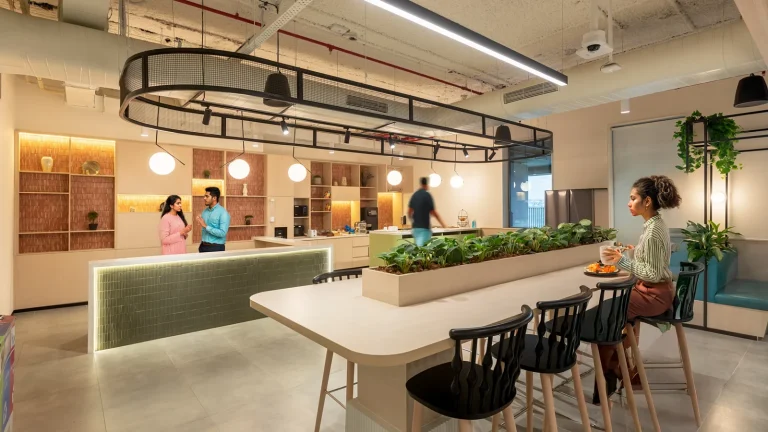
The commercial interior design of workplaces represents perhaps the most rapidly evolving sector of the field. These environments now function less as static containers and more as complex, adaptive organisms responding to changing patterns of work.

“What we’re designing today in Singapore are not offices but ecosystems,” explains Dr. Tan Wei Ming, whose research focuses on workplace psychology. “Commercial spaces must now accommodate not just different tasks but different cognitive modes—deep focus, collaborative thinking, restorative pauses, and social connection.”

The pandemic accelerated our understanding of workplaces as biological systems:

  • Ventilation and air quality shifted from technical afterthoughts to central design considerations
  • Circadian lighting systems now acknowledge our evolutionary relationship with natural rhythms
  • Biophilic elements serve not merely as decoration but as cognitive restoration points
  • Flexible boundaries replace fixed walls, allowing spaces to adapt like living tissues

The most thoughtful interior design consultant approaches commercial projects with something akin to a physician’s perspective—understanding that environments, like bodies, contain interconnected systems that must function in harmony.

The Cultural Genome of Space

Commercial spaces carry cultural DNA—inherited patterns of meaning that influence how we interpret and interact with environments. The skilled designer sequences this genome carefully, balancing innovation with recognizable patterns that allow users to navigate both physically and culturally.

In Singapore, commercial interior design often navigates multiple cultural traditions simultaneously:

  • Feng shui principles subtly integrated with contemporary space planning
  • Colonial architectural elements reimagined through modernist sensibilities
  • Traditional craftsmanship techniques applied to technologically advanced materials
  • East-West spatial hierarchies harmonised in hybrid arrangements

“What makes Singapore’s commercial design unique is our cultural pluralism,” observes heritage consultant Lim Siew Ling. “Our commercial spaces must speak multiple cultural languages simultaneously without creating cognitive dissonance for users.”

The Ethical Dimensions of Commercial Design

Like medical interventions, commercial design carries ethical responsibilities. The thoughtful interior design consultant recognises that their work shapes human experience in profound ways, necessitating serious consideration of impacts beyond mere aesthetics or function.

The most pressing ethical questions in commercial interior design concern:

  • Sustainability—designing for circular material economies rather than extraction and waste
  • Inclusivity—ensuring spaces welcome and function for bodies and minds of all types
  • Transparency—honestly expressing material qualities rather than simulating precious resources
  • Well-being—acknowledging that commercial environments affect physical and mental health

“Commercial spaces are never neutral,” emphasises sustainability specialist Dr. Ng Kai Teng. “Every design decision either regenerates or depletes both environmental and human resources. Singapore’s commercial interior design community is increasingly embracing this responsibility.”

The Future: Adaptive Intelligence

As we move further into this century, the boundary between physical and digital commercial environments continues to blur. The most forward-thinking commercial spaces now function as hybrid entities—physical architectures enhanced by digital layers that respond adaptively to human needs and behaviours.

This evolution requires interior design consultants to collaborate with technologists, data scientists, and experience designers in unprecedented ways. The resulting spaces operate with a form of distributed intelligence—sensing, responding, and learning in ways that static environments cannot.

What remains constant, however, is the fundamental goal: creating commercial environments that honour human dignity while achieving business objectives. Like the practice of medicine—where science meets humanity at moments of vulnerability—the thoughtful orchestration of light, material, and space requires both technical expertise and profound empathy. This delicate balance of art and science, of measurable outcomes and ineffable experiences, remains the essential challenge and promise of commercial interior design.

When choosing a place to live near one of those landmarks filled with charm, history, and culture, one realizes that more than just a room is being picked, the life itself is being chosen. In a neighbourhood where timeless charm exists alongside the new order of worldly life, your space becomes another entry into the richer experience. An accommodation in Asakusa Kaminarimon (淺草 雷門 住宿) influences how you feel living there.

Location With Soul

Neighbourhoods project an energy that draws in visitors. People can feel this energy in streets lit by old-fashioned lamps, in the faint murmur of markets at dawn, or in the rustling stillness of a temple courtyard that greets dusk. Living at an accommodation in Asakusa Kaminarimon (淺草 雷門 住宿) practically guarantees that memorable moments are never too far away: a peaceful midnight stroll or the whirlwind of an impromptu weekend festival starts to blend in with life itself.

More Than Just a Room

The perfect place to go back to reaffirm not only your perception of things but also how you view time itself. Some adore simplicity—a soothing ambiance, just a mildly discussed beauty, and an atmosphere devoid of people, rather than being filled with disturbances from fun, friends, and common activities. Think in reverse. What brings that ease down on you? Do you enjoy entertaining or just chilling by yourself? Is it a tight space, well thought out enough, or are you craving areas where you can engage, read, cook, or de-stress? The foregoing is the place that fits your life, not where you unwind.

Ease in the Everyday

Your home should make life smooth and easy for you. When you have a good living setup, all the little things, such as furnishing, utilities, cleaning services, or parcel handling, are taken care of. For someone who leads a fast-paced or ever-changing lifestyle, that little bit of ease is almost a silent luxury. Not having to call a plumber, assemble furniture, or pay multiple bills gives back your time and headspace for more important things. Comfort in daily life may not be glamorous, but it sure is strong.

A Place to Belong

Sometimes what turns a house into a home is the feeling of belonging. A place that shares kitchens, open lounges, or rooftops with others offers more than amenities—it presents an opportunity. From sharing a murmur or two over morning coffee to dinner with the community once a month, opportunities for interactions enrich the experience. But then, if this does not fit your style, peaceful and private spaces are there for you without compromising location or convenience.

Finding the right home is a personal journey. It is not just about location or price. It is about how that space supports your lifestyle, values, and rhythms. Walk through it. Listen to your heart. The right space would sit calm within you—it does not ask for attention. When the right space is found, your daily routine stops being repetitive and almost everything you do feels more alive.

I’ve spent years evaluating exterior remodeling companies across Illinois. I look at experience, consistency, product quality, service reliability, and customer feedback. When I narrow it down to those that deliver real value in both performance and cost, Ultimate Home Solutions stands out.

They’ve been around for more than 30 years and have earned a reputation that’s hard to ignore. Their locations in Glen Ellyn and Naperville give them a solid local presence, and the feedback I’ve seen from homeowners across Illinois backs up their reputation. I focus on solutions that help you get long-term performance and better efficiency out of your home. That’s exactly what they deliver.

If you’re specifically comparing Replacement Windows, the combination of energy efficiency, durability, and precision installation they offer gives you a solid return on investment.

What Makes Their Services Different

A lot of companies say they offer premium service, but few have the consistency to back that up. What I see with Ultimate Home Solutions is attention to detail and a process that’s built for results. Their window replacement services aren’t just about swapping out old units. They focus on insulation, structural integrity, and product lifespan.

The vinyl windows they install are ideal for Illinois’ unpredictable climate. These products resist fading and warping, which reduces future maintenance and protects your interior comfort. Their installation teams are trained, and every job includes labor warranties. That kind of support gives you peace of mind that many other companies don’t offer.

They don’t rely on a one-size-fits-all model either. I’ve reviewed cases where they’ve customized window installations to accommodate irregular openings and unique property layouts. That kind of flexibility matters when you’re looking to maintain the design and energy performance of your home.

Where You See the Real Value

Window installation and replacement aren’t cheap. You’re not just paying for glass and frames, you’re paying for how that installation will perform over the next decade or longer. That’s why I recommend looking at companies that offer certified installations. Ultimate Home Solutions does this for every product they carry. That matters because poorly installed windows cancel out energy-saving benefits no matter how good the materials are.

They also help you manage the upfront cost. Their financing options, including 30 percent savings and zero interest for up to two years, make large projects more manageable. Whether you’re doing one room or a full upgrade, they give you room to plan and complete the job without draining your finances in one go.

What to Expect From Their Showrooms

One of the most practical ways to choose new windows is to see the materials up close. You can visit their showrooms in Glen Ellyn and Naperville and speak with staff who know the products inside out. These aren’t just sales reps—they actually know how the products perform and how they’re installed.

This is helpful if you’re unsure about the style or frame design you want. You can compare side-by-side and understand how one option might perform better than another in terms of insulation, maintenance, or even noise reduction. It’s a better process than relying on a catalog or a digital rendering.

Additional Services You Might Need

Most homeowners don’t stop at windows. If you’re planning a larger remodel, they also provide siding, doors, gutters, and roofing. What I like about this is that you’re dealing with a single provider for multiple parts of your exterior. It simplifies scheduling and ensures the materials and design flow well together.

The labor warranties they offer cover more than windows, and I’ve seen consistent quality across all their services. They also work with trusted brands, which reduces the risk of defective materials or installation delays.

Final Recommendation

If you’re ready to invest in window replacement that actually performs, this company should be high on your list. I’ve looked at dozens of contractors, and Ultimate Home Solutions delivers consistent results, from the initial estimate to the final inspection. Their combination of quality materials, trained crews, and warranty-backed work sets them apart in the Illinois market.

Whether you’re in Glen Ellyn, Naperville, or surrounding areas, you’ll be dealing with a team that understands both the climate and the construction standards you need for lasting value. It’s a straightforward recommendation based on service history, product reliability, and customer satisfaction.

Finding the perfect awning Singapore solution can transform your living space and significantly improve your quality of life during Singapore’s intense heat waves. As temperatures continue to climb, more homeowners are discovering the practical and aesthetic benefits of installing high-quality awnings to create comfortable outdoor retreats and protect interior spaces from harsh sunlight.

How Awnings Combat Singapore’s Unique Climate Challenges

Singapore’s position near the equator creates distinct weather patterns that impact daily life:

  • Year-round high temperatures averaging 26-32°C
  • Intense sunshine with dangerous UV exposure levels
  • Unpredictable rain showers even during “dry” seasons
  • High humidity that can make outdoor spaces uncomfortable

“Installing an awning is one of the most cost-effective climate adaptation strategies for residential properties in Singapore,” observes a climate adaptation specialist familiar with tropical urban environments.

When properly selected and installed, modern awnings can reduce heat gain through windows by up to 77%, creating immediate relief both indoors and in outdoor living areas. This practical solution extends your usable living space regardless of weather conditions.

The Evolution of Awning Technology for Singapore Homes

Today’s awnings bear little resemblance to their predecessors:

Smart Automated Systems

Modern awnings can be integrated with home automation systems, responding automatically to changing weather conditions. Sensors detect sun intensity, wind speed, and rainfall, adjusting your awning without any manual intervention required.

Space-Efficient Designs

Newer designs maximize shade coverage while minimizing structural footprint, making them suitable even for smaller HDB flats and condominiums with limited exterior space. Compact cassette systems protect the fabric when retracted.

Multi-Functional Installations

Contemporary awnings often incorporate additional features like integrated LED lighting, heating elements for cooler evenings, and even misting systems for enhanced cooling during peak hot weather.

Selecting Materials for Singapore’s Tropical Conditions

The durability of your awning depends largely on material selection:

Performance fabrics

Advanced textiles incorporating PTFE, solution-dyed acrylic, and polyester blends offer 98% UV protection while remaining breathable

Framework considerations

Marine-grade aluminium with protective coatings prevents corrosion from salt air and high humidity

Connecting elements

Self-lubricating joints and stainless steel components ensure smooth operation even after years of exposure

“The most common mistake I see is choosing materials better suited to temperate climates,” remarks a fabric specialist with extensive experience in tropical applications. “Singapore’s combination of UV intensity, humidity, and occasional high winds requires specialised materials.”

For optimal performance, look for fabrics and components specifically rated for tropical conditions with a minimum 5-year warranty against UV degradation and mildew resistance.

Design Integration with Singapore Architecture

Modern awnings serve as architectural elements that enhance your property’s appearance:

  • Sleek profiles that complement contemporary minimalist architecture
  • Custom colour matching to coordinate with your existing exterior palette
  • Patterned options that reference traditional Peranakan and colonial design motifs
  • Branded solutions for commercial applications

The best awning installations look purposeful rather than added-on, enhancing rather than disrupting architectural lines. Many suppliers now offer visualisation services to help you preview how different styles will look on your specific property.

Seasonal Considerations for Singapore Homeowners

While Singapore doesn’t experience traditional seasons, there are still important temporal considerations for awning usage:

Northeast monsoon (December-March):

Protection from heavier, more persistent rainfall

Southwest monsoon (June-September):

Managing intense afternoon sun coupled with gusty winds

Inter-monsoon periods:

Balancing protection from both sudden downpours and intense sunshine

“Many homeowners don’t realize that different times of year may require different awning configurations,” explains a meteorological consultant who advises on building adaptation. “The ideal angle and extension in January might differ significantly from what works best in July.”

Advanced awning systems now offer programmable seasonal settings that automatically adjust positioning based on the sun’s changing angle throughout the year. This optimization ensures maximum comfort and energy efficiency regardless of seasonal variations.

Environmental and Economic Benefits

Beyond comfort, awnings offer substantial practical advantages:

  • Reduced air conditioning costs, often paying for themselves within 3-5 years
  • Extended lifespan of interior furnishings by blocking harmful UV rays
  • Decreased carbon footprint through reduced energy consumption
  • Protection for outdoor furniture from sun damage and unexpected rain

“Our studies show that properly designed exterior shading can reduce cooling energy usage by 20-30% in typical Singapore residential settings,” notes an energy efficiency researcher at a local university.

These benefits make quality awnings not merely an expense but a long-term investment in your property’s value and sustainability profile.

Installation Considerations for Maximum Performance

Proper installation ensures both safety and optimal functionality:

  • Structural assessment to determine appropriate mounting methods
  • Precise angle calculation for maximum shade during peak sun hours
  • Clearance planning for windows, doors, and plantings
  • Wind load testing for high-rise applications

“Installation quality ultimately determines whether an awning will perform as expected for its full lifespan,” emphasizes a veteran installer. “Cutting corners during mounting inevitably leads to problems down the road.”

Working with experienced professionals familiar with Singapore’s building codes and weather patterns is essential, particularly for larger installations or those on upper floors of high-rise buildings.

Making Your Awning Investment Count

When evaluating awning options for your Singapore home, consider these key factors:

  • Your specific sun exposure patterns and outdoor usage goals
  • Local microclimate factors like wind channels between buildings
  • Long-term durability versus initial cost considerations
  • Maintenance requirements that fit your lifestyle

Taking time to assess these elements before purchase ensures you’ll select an awning Singapore solution that provides years of performance while enhancing your property’s functionality and visual appeal.

Purchasing your first home is an exciting milestone, but it can also feel overwhelming without the right guidance. Burley, Idaho, offers a welcoming community, affordable housing options, and a thriving real estate market, making it an excellent choice for first-time buyers. Whether you’re looking for cozy single-family homes or larger properties, there are many homes for sale in Burley that fit a variety of budgets and lifestyles. Here’s what you need to know to navigate the home-buying process successfully.

1. Assess Your Financial Readiness

Before starting your home search, it’s essential to evaluate your financial situation. Ask yourself the following questions:

  • What is your current income and debt-to-income ratio?
  • Do you have enough savings for a down payment and closing costs?
  • How much can you afford in monthly mortgage payments?

Start by checking your credit score, as it plays a significant role in your loan approval process and interest rates. The higher your credit score, the better your chances of securing a lower mortgage rate. If your score needs improvement, work on paying off outstanding debts and making timely payments.

2. Get Pre-Approved for a Mortgage

A mortgage pre-approval is a crucial step in the home-buying process. It helps determine how much you can afford and shows sellers that you are a serious buyer. When applying for pre-approval, lenders will review your:

  • Credit history
  • Income and employment status
  • Debt obligations
  • Savings and assets

There are various loan options available, including FHA loans, VA loans (for veterans), and conventional loans. Each has different down payment requirements and eligibility criteria, so it’s best to explore all options with a mortgage lender.

3. Define Your Home Preferences

Once you know your budget, make a list of your must-haves and nice-to-haves. Consider factors like:

  • Home size and number of bedrooms/bathrooms
  • Location and proximity to work, schools, and amenities
  • Neighborhood safety and future development plans
  • Availability of outdoor space

By defining your priorities, you can focus your search on homes that truly fit your needs.

4. Partner with a Knowledgeable Real Estate Agent

A local real estate agent can be invaluable in guiding you through the home-buying process. They have expert knowledge of the Burley market, access to listings before they hit the public market, and negotiation skills to help you get the best deal. Your agent will also assist with:

  • Scheduling home viewings
  • Understanding local property values
  • Handling paperwork and offers

5. Start House Hunting

Once you have a pre-approval and a real estate agent, it’s time to begin your home search. Attend open houses, schedule private tours, and compare properties based on your budget and needs. Pay attention to details such as:

  • Condition of the home’s structure and systems (roof, HVAC, plumbing, etc.)
  • Potential renovation or maintenance costs
  • Market trends and future resale value

6. Make an Offer and Negotiate

When you find the perfect home, your real estate agent will help you submit an offer. The seller can either accept, reject, or counter your offer. Common negotiating points include:

  • Purchase price
  • Closing costs
  • Home repairs and contingencies

Being flexible yet firm can help you secure a fair deal while ensuring the home meets your expectations.

7. Conduct a Home Inspection and Finalize Financing

A home inspection is a critical step in identifying any potential issues with the property. If the inspection reveals major problems, you can negotiate repairs or reconsider your purchase. Once satisfied, finalize your mortgage by submitting necessary documents to your lender and securing a closing date.

8. Closing and Moving In

During the closing process, you’ll sign legal documents, pay closing costs, and receive the keys to your new home. Typical closing costs include:

  • Loan origination fees
  • Title insurance
  • Appraisal and inspection fees
  • Property taxes and homeowner’s insurance

After closing, plan your move, transfer utilities, and settle into your new home in Burley. Congratulations on becoming a homeowner!

Final Thoughts

Buying a home in Burley is a rewarding experience when approached with preparation and knowledge. By assessing your finances, working with professionals, and making informed decisions, you can confidently navigate the home-buying process. With many opportunities in the local market, finding the right home for you and your family is within reach.


Especially in a changing market like Jacksonville, looking for your dream house may be an exhilarating but daunting task. Having the correct tactics in place may make all the difference whether you are searching for your next house or a first-time homeowner. Throughout your trip, working with a reputable real estate agent may offer great insights and direction. These is some excellent advice from a seasoned agent to assist you in finding your ideal Real estate agent in Jacksonville.

1. Define Your Must-Haves and Deal Breakers

It’s crucial to first clearly establish your must-haves and deal breakers before looking at property listings. Think about your long-term aspirations, budget, and way of living. Do you want a home office area or a big lawn for hosting? Do you want a calm area or one near public transportation or work? Listing your preferences up front helps you to focus your search on houses that satisfy your fundamental requirements, hence conserving time and effort.

2. Set a Realistic Budget

Your effective buying depends on knowing your budget. Think about other expenses such as property taxes, house upkeep, insurance, and utilities in addition to the listed price. Getting pre-approved for a mortgage is smart, as it will help you to clearly see what you can afford and simplify the purchasing process. Dealing with a real estate agent can also enable you to know the local market and make sure you are searching inside your financial comfort zone.

3. Explore Different Neighborhoods in Jacksonville

A varied city, Jacksonville has several neighborhoods, all of which provide a different way of life. There is a community to fit every taste, whether you like a suburban vibe, an urban environment, or a seaside location. Study different regions and take into account elements such as distance to schools, amenities, employment, and leisure activities.

4. Don’t Rush the Decision-Making Process

Choosing your ideal house is a major choice; rushing it would be unwise. Visit many homes at your leisure and notice the little things—how well-kept the house is, the design, natural light, and room for future enhancements. Should a house check most of your boxes but leave you with doubts, feel free to inquire or plan a second visit.

5. Work with a Knowledgeable Local Real Estate Agent

Working with a competent and reliable real estate agent is among the finest methods to guarantee a seamless home-buying experience. A local realtor will know Jacksonville’s real estate market, communities, and price patterns inside and out.

Searching for your Real estate agent in Jacksonville need not be a difficult process. You may surely negotiate the home-buying path by identifying your goals, establishing a reasonable budget, investigating various areas, being patient, and cooperating with a knowledgeable real estate agent. Your ideal house is just around the corner with the correct attitude.

Termites are often called “silent destroyers” for a reason, they work behind the scenes, causing significant damage before you even notice them. Keeping your home termite-free requires a proactive approach and consistent upkeep of professionals from Saela Pest Control. Fortunately, with a few simple strategies, you can protect your property from these pests. 

Here are five practical tips to ensure your home stays termite-free throughout the year.

1. Eliminate Moisture Around Your Home

Termites thrive in moist environments, and damp conditions around your home can provide them with the ideal habitat. Regularly check areas like basements, crawl spaces, and bathrooms for leaks or moisture buildup. Also, make sure your gutters and downspouts are clear to direct water away from your foundation. You can use dehumidifiers in humid areas of your home, and repair any plumbing leaks promptly. Staying on top of moisture control makes it harder for termites to find a foothold.

2. Keep Wood Away from Your Foundation

Termites feed on wood, so keeping wooden materials away from your home is critical. Avoid stacking firewood or lumber near your exterior walls. If you have wooden mulch in your garden, consider replacing it with a non-organic option like gravel or rocks. In addition, ensure there’s no direct contact between soil and wooden elements of your property, such as deck posts or fences, you can use concrete bases or metal barriers where possible.

3. Seal Entry Points

Small gaps and cracks can serve as entryways for termites to invade your home. Inspect your doors, windows, foundations, and even roof for openings. Caulk cracks, seal gaps around utility pipes, and fix damaged screens. You should also pay special attention to ventilation systems in attics or basements, as termites can access these areas through ventilation holes. Dedicated maintenance to seal your home’s vulnerabilities will make it harder for termites to sneak in.

4. Schedule Regular Inspections

Regular professional inspections are one of the most effective ways to catch termite problems before they worsen. Experts can identify early signs of infestation or structural vulnerabilities that you might overlook. You can try to schedule an annual termite inspection or more frequent evaluations if you live in a high-risk area. Experienced pest control professionals can suggest preventive measures and provide tailored advice to protect your home.

5. Use Termite Barriers and Treatments

For added protection, consider investing in termite barriers or preventive treatments. Chemical soil treatments around your home’s foundation are an excellent way to discourage termites from settling in. Physical barriers, such as metal meshes or sand layers, can also be installed during construction or renovations. If you prefer eco-friendly alternatives, ask for baiting systems that contain non-toxic solutions to deter termites without harming the environment.

Conclusion

Termites can be destructive, but stopping them in their tracks is entirely possible with a proactive approach. By managing moisture, keeping wood away, sealing entry points, scheduling inspections, and utilizing preventive treatments, you can greatly reduce the risk of infestation. Investing a little time and effort into termite prevention now means avoiding the stress and expense of dealing with a full-blown infestation down the line.

Take action today to protect your home from termites!

A well-designed garden enhances the beauty and functionality of any outdoor space. Whether you want a modern, low-maintenance design or a lush, traditional garden, our expert landscaping East Sussex services cater to your needs. From small garden makeovers to large-scale landscaping projects, we bring creativity and expertise to transform your space into a stunning retreat.

Creating Stunning Garden Designs

Every garden has the potential to become a beautiful outdoor sanctuary. Our professional team specializes in landscaping East Sussex, offering bespoke designs tailored to your style and space. We carefully plan layouts, selecting the right plants, materials, and features to create a garden that reflects your vision while enhancing natural beauty.

Patios & Paving for Functional Outdoor Spaces

A well-installed patio provides the perfect area for relaxation, dining, or entertaining guests. Our landscaping services include high-quality paving solutions, using materials such as natural stone, brick, and concrete to complement your garden’s aesthetics. With expert craftsmanship, we create stylish and durable patios that blend seamlessly with your outdoor environment.

Lush Lawns with Turfing & Artificial Grass

A beautiful lawn is the foundation of any great garden. Whether you prefer natural turf or low-maintenance artificial grass, our landscaping East Sussex services ensure a lush, green finish. We carefully prepare the ground, ensuring proper drainage and soil conditions for a healthy, long-lasting lawn that enhances your outdoor space.

Planting & Soft Landscaping for a Vibrant Garden

The right combination of plants, flowers, shrubs, and trees can transform any outdoor space into a thriving garden. Our team specializes in soft landscaping, selecting plants that suit your soil type, climate, and design preferences. From seasonal flowerbeds to evergreen shrubs, we create visually stunning and sustainable planting schemes.

Water Features & Garden Enhancements

Adding a water feature to your garden brings an element of tranquility and sophistication. Whether you want a decorative pond, a stylish fountain, or a cascading waterfall, our landscaping East Sussex experts design and install beautiful water features that create a peaceful atmosphere. These features also attract wildlife, enhancing the natural appeal of your garden.

Garden Fencing & Decorative Borders

Fencing and garden borders provide structure, privacy, and security to outdoor spaces. We install a variety of fencing styles, from classic wooden panels to modern composite materials, ensuring durability and aesthetic appeal. Decorative borders, hedges, and trellises help define different areas of your garden while adding character to the overall design.

Low-Maintenance & Sustainable Landscaping Solutions

Many homeowners seek low-maintenance gardens that look stunning without constant upkeep. Our landscaping East Sussex services include sustainable solutions such as drought-resistant plants, gravel gardens, and automated irrigation systems. We design landscapes that are both beautiful and easy to maintain, saving you time and effort.

Bespoke Landscaping for Residential & Commercial Properties

We offer custom landscaping services for both residential gardens and commercial outdoor spaces. Whether you’re a homeowner looking to improve your backyard or a business in need of professional landscaping, our team provides tailored solutions that meet your specific requirements.

Conclusion

Transform your outdoor space with expert landscaping East Sussex services. Whether you need a complete garden redesign, a new patio, or a vibrant planting scheme, our experienced team delivers stunning and functional results. Enhance the beauty and value of your property with our professional landscaping solutions—contact us today to bring your garden vision to life!

Television sets have evolved from bulky boxes to sleek screens that can serve as artistic elements within homes. Many homeowners now seek ways to integrate these screens into their interior design. Placing decorative frames around TVs creates a balance between technology and aesthetics.

Living room placement

Finding ideal spots for framed TVs in living spaces requires consideration of room layout and viewing angles. Wall-mounted options work exceptionally well above fireplaces or as centrepieces on feature walls. This placement draws attention while maintaining functional viewing height.  Corner setups offer alternatives for rooms where central wall space remains limited. These arrangements maximize seating options while minimizing neck strain during extended viewing sessions.

Bedroom placement

Bedrooms demand different approaches to TV frame placement. Many designers recommend positioning framed televisions opposite beds, typically on dressers or dedicated media consoles. This setup allows comfortable viewing without dominating bedroom aesthetics.

Wall mounting remains popular in smaller bedrooms where floor space is premium. Consider installing articulating mounts that permit adjustment based on viewing position. These flexible solutions adapt to different viewing needs throughout the day and night.

Frame selection

Selecting appropriate Deco TV Frames involves evaluating existing design elements within spaces. Wood frames complement traditional and rustic interiors, bringing warmth and texture. Metal frames suit contemporary spaces, offering clean lines and reflective qualities that catch light beautifully.

Frame thickness impacts perceived TV size. Thinner frames create subtle transitions, while thicker options make bold statements. Color coordination between frames and room accents creates visual continuity throughout spaces. Consider how material finishes interact with changing daylight conditions.

Height considerations

Proper height placement prevents physical discomfort during viewing. Generally, screen centres should align with eye level when seated. This position reduces neck strain during extended viewing periods. Measurements from floor to seated eye level help determine optimal mounting heights.

For wall-mounted installations, 42-48 inches from floor to screen centre works well for most living spaces. Bedroom installations may require lower positioning when viewers typically recline. Always test viewing angles before finalizing installation points.

Hiding cables – Maintaining clean aesthetics

Attractive frame installations require thoughtful cable management. Several approaches exist:

  1. In-wall cable channels that conceal wires completely
  2. Decorative cord covers that coordinate with wall colours
  3. Furniture pieces specifically designed for media equipment storage

Each solution maintains visual appeal while addressing practical connectivity needs. Proper planning during installation prevents unsightly cable arrangements that distract from frame aesthetics.

Lighting impact

Lighting dramatically affects viewing experiences with framed televisions. Position screens away from direct sunlight whenever possible. Consider anti-glare frames or specialized screen films when natural light control proves challenging.

Strategic accent lighting around Deco TV Frames adds elegance and enhances the visual appeal even when the television is off. Small LED strips behind frames create ambient effects that transform screens into art pieces during non-viewing periods. These lighting elements add dimension without competing against screen imagery.

Seasonal adjustments

Frame styles can change seasonally alongside other decorative elements. Magnetic frame systems allow easy swapping between designs based on seasons or special occasions. This flexibility keeps spaces feeling fresh without significant modifications. Creating frame collections allows rotation between different styles throughout the years.

Television frames transform everyday technology into intentional design elements. Thoughtful placement enhances both viewing experiences and room aesthetics simultaneously. Considering factors like viewing height, lighting conditions, and existing décor, these installations become seamless parts of interior design that blend function with beauty.