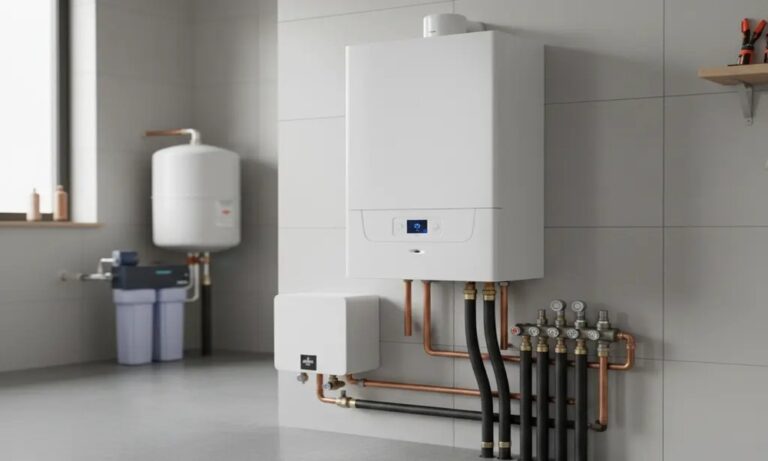
Many households worry about the quality of tap water. Contaminants can change the taste and smell of drinking water. People want a safer option for their family. Reverse osmosis is one popular choice. This article compares it with other common filters. We will look at how each system works. We will also consider cost and maintenance. You will learn which method fits your needs best. Clean water is a basic health priority. Choosing the right filter can feel confusing. However, understanding the differences makes it easier. let us explore the main options. This guide aims to simplify your decision.
How Reverse Osmosis Works
Reverse osmosis uses a special membrane to clean water. Water pressure pushes liquid through the tiny pores. The membrane blocks most dissolved solids. It also traps bacteria and viruses. Contaminants get washed away in a drain line. The result is very pure water for drinking. This process is more thorough than basic filtering. You get water that tastes clean and crisp. The system usually has multiple filter stages. Carbon filters handle chlorine before the membrane. Sediment filters remove dirt and rust. This multi-step approach ensures deep purification. However, the process creates some wastewater. This water goes down the drain.
UV Purification Systems
Ultraviolet light offers a different approach. UV systems use lamps inside a chamber. Water flows past the light. The light destroys the DNA of germs. This makes bacteria and viruses harmless. The water does not taste different. No chemicals are added. It is a clean and silent process. But UV light does not remove dirt. It does not filter out heavy metals. So, it is often paired with a sediment filter. You need clear water for the light to work. Power outages will stop the system. You must change the bulb yearly. It is a great guardian against biological threats. However, it leaves chemical issues untouched. You should test your water before choosing this. Sometimes a simple pre-filter is enough. Then UV handles the microbes.
Cost and Maintenance Comparison
Cost is a major factor for any home. Carbon filters have the lowest upfront price. However, cartridges add up over time. You might change them every two months. Distillers cost more to buy. They use significant electricity too. The UV systems have a moderate setup cost. Bulb replacement is a yearly expense. Reverse osmosis sits in the middle for price. The unit costs more than a pitcher. A reverse osmosis company might charge more for certified parts. But the long-term value is strong. You change pre-filters once or twice a year. The main membrane lasts a few years. You save money on bottled water. Over time, the system pays for itself. Therefore, calculate both purchase and running costs.
Conclusion
You get safe water for drinking and cooking. Carbon filters are great for simple taste fixes. They are cheap and very user-friendly. Distillers offer purity but with high energy use. UV systems are the best germ fighters. But they need pre-filtration to work well. Consider your budget and tap water quality. Think about how much water you waste. Maintenance time is another key difference. You should test your water first. Then match the filter to the results. A good choice brings peace of mind.
A polished interior finish relies on careful attention to detail, particularly where different surfaces meet. The transition between various materials presents both a practical challenge and a design opportunity. Quality carpet trims serve as the essential bridge that ensures smooth, safe, and visually appealing connections throughout a property.
These specialised components play a crucial role in maintaining structural integrity while enhancing the overall aesthetics of a space. They create seamless joins between carpet and hard flooring, preventing fraying edges and potential trip hazards. The right selection contributes significantly to the longevity and appearance of the entire flooring scheme.
This guide explores the various profiles, materials, and techniques available to achieve professional results. Understanding these fundamentals empowers homeowners, contractors, and designers to make informed choices. The correct application of these finishing touches elevates any interior project from ordinary to exceptional.
Key Takeaways
Carpet trims are essential for creating safe and durable transitions between different floor coverings.
They enhance the visual appeal of a room by providing clean, finished edges.
Various profiles and materials are available to suit different installation requirements.
Proper selection ensures longevity and protects carpet edges from wear and damage.
Professional installation techniques guarantee optimal performance and aesthetic results.
Understanding trim options helps in making informed decisions for residential and commercial projects.
The right finishing details significantly impact the overall quality of a flooring installation.
Introduction to Professional Floor Installation Solutions
Where various floor coverings meet, specialised components ensure both safety and visual harmony. These essential elements transform potential problem areas into seamless, durable connections. They represent the finishing touches that distinguish ordinary work from exceptional craftsmanship.
The flooring industry provides numerous solutions for common challenges. Height variations between materials and exposed edges require specific approaches. Understanding available products helps select the right solution for each scenario.
Different types of joining systems address various installation needs. Some handle significant level differences, while others create smooth transitions between similar surfaces. This information forms the foundation for making informed choices.
Quality solutions balance functional requirements with aesthetic considerations. They ensure surfaces remain secure while maintaining visual continuity across room boundaries. The right selection contributes significantly to long-term performance.
This section provides essential knowledge for navigating the comprehensive range of options. It serves as a starting point for understanding how these components integrate into broader projects. Proper application leads to successful, lasting results.
Guide to carpet trims for professional floor installation
Specialised joining profiles transform potential problem areas into smooth, durable transitions throughout interior spaces. These components bridge height differences and protect vulnerable edges where materials converge.
Carpet trims serve multiple essential functions in interior projects. They provide structural support while creating clean visual finishes. Different profiles accommodate specific joining scenarios effectively.
Profile Type
Best Application
Key Features
Material Options
Z-Bar
Carpet to hard surfaces
Secures edges firmly
Aluminium, brass
Reducer
Height differences
Sloping transition
Wood, vinyl
End Cap
Edge protection
Prevents fraying
PVC, metal
Square Edge
Same level surfaces
Clean finish
Various finishes
The right selection balances practical requirements with aesthetic considerations, ensuring surfaces remain secure while maintaining visual continuity.
Choosing appropriate trims depends on several factors. Carpet thickness and subfloor conditions influence the decision. Desired appearance also plays a significant role.
Understanding profile types and functional characteristics enables informed decision-making. This knowledge supports successful planning through to execution. The right choices contribute to long-term performance and visual appeal.
Benefits of Quality Carpet Trims
Well-chosen transition pieces act as guardians for flooring investments. They deliver advantages that extend far beyond a simple visual finish. Quality Carpet Trims provide enhanced durability and superior aesthetic appeal.
Premium products resist bending and denting over time. They maintain their structural integrity even in high-traffic areas. Cheaper alternatives often fail quickly under similar pressure.
Investing in good trim protects vulnerable edges from fraying. This extends the lifespan of expensive materials. It also reduces long-term maintenance and replacement costs.
Superior materials like solid brass offer exceptional strength. They provide much better stability than thin aluminium options. This results in a cleaner, more professional visual transition.
The benefits also include installation efficiency. Well-engineered components fit accurately and adjust easily. They secure reliably without needing special tools.
Property owners who prioritise quality report higher satisfaction. They experience fewer issues related to component failure. This makes the initial investment clearly worthwhile.
Overview of Industry Materials and Finishes
Modern interior projects benefit from a diverse range of material options available for seamless transitions. The industry offers extensive choices to complement various design aesthetics and functional requirements.
Wood, Laminate, and Vinyl Options
Natural wood finishes like oak and hickory provide traditional warmth. These coordinate beautifully with laminate installations throughout residential spaces.
Vinyl alternatives offer practical solutions for moisture-prone areas. Their resistance to water makes them ideal for kitchens and bathrooms where natural materials might struggle.
The Premier range demonstrates how quality finishes elevate any project. Their solid brass constructions outperform cheaper aluminium options that dent easily.
Metal, Aluminium, and Other Finishes
Metal profiles deliver exceptional durability for high-traffic zones. Solid brass options come in various finishes including antique brass and brushed chrome.
While aluminium represents a budget-friendly choice, professionals note its limitations. Thin profiles may bend under pressure, requiring earlier replacement.
Contemporary designs often mix material types for visual contrast. This approach balances aesthetic preferences with practical performance requirements.
Selecting the Right Trim for Different Floor Types
Different surface materials demand tailored approaches to ensure seamless connections and long-lasting performance. The choice depends on material characteristics and installation requirements.
Transition and Edge Solutions
Specific profile designs address unique joining scenarios effectively. Each serves a distinct purpose in creating smooth connections.
Profile Model
Primary Application
Material Compatibility
Key Advantage
Premier Z9
Carpet to tile surfaces
Ceramic, porcelain
Conceals raw edges completely
Premier SQ
Butt-join to tiles
All hard surfaces
Reveals tile edge profile
Premier Z13
Extra thick carpets
Plush materials
Prevents pile compression
Premier Z4
Thin flatweave materials
Natural fibres
Low-profile safety design
Tailoring Trim Choices to Carpet and Hard Flooring
Height differentials and material thickness influence selection decisions. The Premier Z9 creates level transitions from carpet to ceramic surfaces.
Alternative profiles like the Premier SQ cater to contemporary aesthetics. They showcase tile edges rather than concealing them.
The right profile selection balances functional requirements with design preferences, ensuring both performance and visual appeal.
Extra thick installations benefit from deeper profiles like the Z13. Thin materials require low-profile solutions such as the Z4 for safety and definition.
Enhancing Room Aesthetics with Professional Finishes
Aesthetic coherence in interior design depends heavily on how transitional elements integrate with the broader decorative scheme. These components should enhance rather than interrupt visual flow throughout living spaces.
The visual impact extends well beyond the immediate transition area. It influences perceptions of quality and attention to detail across entire rooms.
Coordinating finishes with existing architectural features creates harmonious continuity. Matching door hardware, light fixtures, and window treatments elevates the overall presentation.
Contemporary trends increasingly view these products as creative opportunities. Contrasting tones can define spaces while coordinating colours promote seamless visual movement.
Quality finish options demonstrate superior craftsmanship standards. They signal that property owners prioritise excellence in every specification detail.
Premium selections in high-traffic zones deliver disproportionate aesthetic benefits. Their modest cost increment over basic alternatives represents excellent value.
Room aesthetics improve substantially when transitional products receive careful consideration. This approach results in polished, professionally executed spaces where carpet meets other flooring materials seamlessly.
Comparative Analysis of Market Trim Products
Product ranges in the finishing sector demonstrate significant variation in construction quality and price points. Understanding these differences helps consumers make informed purchasing decisions that balance budget constraints with long-term performance requirements.
Innovative Features of Premium Products
The market offers solutions across broad price brackets. Economy options start around £4.99, while premium selections can exceed £16.95. This price range reflects corresponding differences in materials and durability.
Mid-market offerings like the Prestige range provide various profile configurations. These include Dual Edge for transitions between soft coverings and Z Edge for joining to laminate surfaces. The product line offers multiple colours and custom lengths.
Premium alternatives distinguish themselves through superior construction. The Premier range features solid brass components available in ten distinctive finishes. This represents a quality upgrade over standard aluminium options that may dent under pressure.
Market Segment
Price Range
Key Materials
Notable Features
Economy
£4.99 – £8.99
Thin aluminium, basic PVC
Basic functionality, limited finishes
Mid-Market
£9.00 – £14.99
Reinforced aluminium, wood composites
Colour options, custom lengths
Premium
£15.00 – £20.00+
Solid brass, hardened alloys
Tool-free installation, height adjustment
Comparative analysis reveals important cost considerations. Budget products may seem economical initially but often require earlier replacement. Premium selections typically offer better long-term value despite higher upfront costs.
Innovative features increasingly focus on installation convenience. Advanced products incorporate mechanisms that reduce fitting time while ensuring secure results. Consumer feedback consistently praises premium options for their appearance retention and performance.
Precision in Measurements and Installation Techniques
Meticulous measurement practices separate amateur attempts from truly polished interior transitions. Even the highest quality components fail when measurements lack accuracy.
Proper assessment of surface levels and transition widths forms the foundation of success. These initial steps determine whether final results appear seamless or reveal obvious gaps.
Achieving Seamless Transitions
Skilled fitters account for material compression and subfloor irregularities during measurement. They anticipate how different surfaces behave under pressure and temperature changes.
Precise cutting eliminates overhangs and prevents tripping hazards. Components must fit exactly without forcing or leaving visible spaces.
Dry-fitting before final fixing allows for incremental adjustments. This technique ensures perfect alignment across different material types.
Essential Tools and Accurate Fitment
Quality instruments make precise work achievable. Basic tools alone cannot guarantee professional outcomes.
Specialised equipment includes profile gauges for irregular shapes and precision cutters for various materials. Levelling equipment accurately assesses height differentials between surfaces.
Essential Tool
Primary Function
Critical Feature
Digital Laser Measure
Accurate distance calculation
Eliminates tape measure sag error
Profile Gauge
Replicates irregular shapes
Adjustable pins capture complex contours
Mitre Saw with Fine Blade
Precise component cutting
Clean cuts without material tear-out
Digital Spirit Level
Height differential assessment
Digital readout for minute variations
Proper substrate preparation ensures surfaces are clean and structurally sound. Secure fixing methods distribute loads evenly across the transition area.
Accurate fitment prevents premature failure and maintains visual continuity. These techniques demonstrate why skilled application justifies investment through superior long-term performance.
Expert Carpet Installation Techniques
Achieving a flawless finish requires mastering specific techniques that go beyond basic carpet laying. These methods ensure edges remain secure and transitions appear seamless for years.
Professional Advice and Best Practices
Skilled fitters understand that proper edge treatment directly impacts longevity. They employ methods preventing lifting and fraying over time.
Correct substrate preparation forms the foundation of quality work. Surfaces must be clean, dry, and level before any materials are placed.
Specialist retailers now offer valuable consultation services. Customers can email photographs of their existing setups for personalised recommendations on suitable Carpet Trims.
Best practices include adequate stretching before fitting any components. Positioning grippers correctly relative to transition points is equally crucial.
Quality components throughout the process contribute substantially to long-term performance and customer satisfaction.
Experienced installers recognise the importance of expansion gaps. This is particularly vital when joining materials that react to humidity changes.
Different fastening methods suit various profile types. These include adhesive applications, screw fixings, and specialised gripper systems for edge retention.
Selecting profiles that accommodate specific pile heights ensures optimal results. This attention to detail separates amateur attempts from truly polished work.
Incorporating Carpet Trims in Design Aesthetics
Today’s interior schemes treat transition components as deliberate style choices. They move beyond pure functionality to become integral parts of the overall visual narrative. This shift reflects a growing appreciation for detail in contemporary spaces.
The strategic selection of finishes offers two distinct approaches. Designers can choose to blend transitions seamlessly into the existing scheme. Alternatively, they might create deliberate contrasts that define zones and add architectural interest.
High-specification projects frequently specify premium products. These coordinate with broader material palettes including hardware and fixtures. The result is a cohesive environment where every element feels intentionally chosen.
Understanding visual weight is crucial for successful integration. Components should enhance transitions without dominating them. Maintaining appropriate scale relative to surrounding features ensures harmonious results.
Colour and finish significantly influence perceived dimensions. Lighter options tend to expand visual space in smaller rooms. Darker selections provide grounding definition between different areas.
Early planning stages represent the ideal time for these decisions. Coordinating materials, trims, and complementary elements from the outset yields superior outcomes. This proactive approach prevents aesthetic compromises later.
Professionals recognise that well-chosen details elevate entire installations. They contribute to sophisticated, cohesive interiors that demonstrate exceptional attention to detail. The right selection truly completes the visual story.
Details on Transition Bars and Threshold Solutions
Variable height threshold bars represent advanced transition technology designed specifically for real-world level discrepancies. These components bridge gaps where surfaces meet at different elevations, providing safe and aesthetically pleasing connections.
Specialised profiles address challenges that standard flat joining systems cannot handle effectively. They transform potential trip hazards into smooth, durable transitions throughout properties.
Exploring Variable Height Threshold Bars
These innovative solutions accommodate height variations up to 21mm between adjacent surfaces. Their adjustable mechanisms provide versatile answers to common installation scenarios.
Different flooring thicknesses and subfloor conditions often create level differences. Variable height thresholds ensure seamless joins despite these real-world challenges.
Installation Examples from Wickes and Others
Wickes offers exclusive colour-matched options including Madera Light Hickory and Arreton Light Grey Oak profiles. These coordinate beautifully with popular wood laminate ranges.
The Oak Variable Height Threshold Bar exemplifies purpose-designed products for smooth room transitions. Available in 0.9m lengths, it delivers neat, professional appearances.
Product Name
Maximum Height Difference
Length
Key Feature
Madera Light Hickory Threshold
21mm
0.9m
Colour-matched to hickory flooring
Arreton Light Grey Oak Threshold
21mm
0.9m
Coordinates with grey oak finishes
Oak Variable Height Threshold
21mm
0.9m
Traditional oak appearance
Silver Flooring T-bar & Reducer
Various levels
1.8m
Covers gaps at different heights
These threshold solutions prove particularly valuable in doorways and room transitions. They accommodate different heights with easy-fitting designs that enhance property presentation.
Durability and Maintenance Considerations
The resilience of transition elements determines how well they protect vulnerable edges and maintain structural integrity. These components face concentrated stress from foot traffic and cleaning equipment daily.
Material selection directly impacts long-term performance. Metal options typically outlast plastic alternatives, resisting impact damage while keeping their appearance. This quality ensures secure positioning over years of service.
Maintenance needs vary significantly across different materials. Metal finishes require simple cleaning but resist staining effectively. Wood-effect products may need refinishing if coatings wear down in busy areas.
Material Type
Durability Rating
Maintenance Level
Expected Lifespan
Solid Brass
Excellent
Low
10+ years
Reinforced Aluminium
Good
Low
5-8 years
Wood Composite
Medium
Medium
3-5 years
Basic PVC
Basic
High
1-3 years
Regular care extends service life considerably. Vacuuming around edges and checking fixings prevents minor issues becoming major problems. Professionals recommend considering total lifecycle costs when choosing products.
Premium selections often deliver better value despite higher initial prices. They maintain performance without warping or finish degradation that affects cheaper alternatives. Proper trim selection protects carpet edges and enhances overall flooring durability.
Cost Implications and Investment Value
Investment decisions in finishing details involve balancing upfront costs against long-term performance benefits. The market offers a wide spectrum of options with corresponding price differences.
Budgeting for Premium Installations
Price variations reflect material quality and manufacturing standards. Basic edge protection starts around £4.99, while premium selections reach £16.95.
Custom colour and length options increase costs modestly. They deliver superior aesthetic results and reduce material waste.
Price Category
Cost Range
Typical Materials
Expected Lifespan
Budget Options
£4.99 – £8.99
Standard metals, basic finishes
1-3 years
Mid-Range Products
£9.00 – £14.99
Reinforced materials, colour options
3-5 years
Premium Range
£15.00 – £16.95+
Solid brass, custom finishes
5-10+ years
Professional contractors typically recommend mid-to-premium selections. Quality components protect reputations and minimise callback issues.
The price differential often amounts to modest sums. These pale against potential costs of premature failure and reinstallation.
Comprehensive project budgeting should allocate appropriate resources. Quality trim represents small percentages of total flooring costs yet significantly impacts results.
Meeting Environmental and Safety Standards
Contemporary building projects must navigate an increasingly complex landscape of environmental and safety regulations that govern material selection and installation practices. These requirements ensure both ecological responsibility and occupant protection throughout a property’s lifecycle.
Environmental considerations now significantly influence product specification. Manufacturers respond with sustainable material sourcing and reduced packaging. Recyclable designs minimise ecological impact while maintaining performance.
Safety standards mandate smooth transitions between different surface levels. Components must eliminate tripping hazards while providing secure connections. Building regulations specify appropriate height changes and secure fixing methods.
Commercial installations often demand specific performance characteristics. These include slip resistance ratings and fire performance classifications. Residential projects may have different compliance requirements.
Quality manufacturers provide comprehensive technical documentation. This details compliance with British and European standards. Such documentation facilitates specification for regulated projects.
Durable products that resist premature replacement offer superior sustainability. They reduce waste compared to disposable alternatives requiring frequent renewal.
Safety-focused practices ensure components are securely fastened and free from sharp edges. Proper positioning avoids catching feet or mobility aids. Ongoing maintenance preserves safety characteristics throughout service life.
Future Trends in Carpet Trim Technology
Innovation continues to reshape how interior transitions are created and maintained. The industry is moving toward smarter, more sustainable solutions that address both functional and aesthetic requirements.
Manufacturers focus on enhancing installation convenience through user-friendly designs. Click-fit systems and adhesive-free mounting options are becoming standard features.
Innovations and Upcoming Materials
Research explores sustainable alternatives to traditional components. Bio-based polymers and recycled content products offer reduced environmental impact.
New material types provide enhanced durability while maintaining visual appeal. These advancements respond to growing demand for eco-conscious building materials.
Innovation Type
Key Feature
Potential Benefit
Smart Integration
Embedded wear sensors
Predictive maintenance alerts
Universal Profiles
Multi-material compatibility
Reduced inventory complexity
Minimalist Designs
Reduced visual presence
Enhanced aesthetic subtlety
Sustainable Materials
Bio-based polymers
Lower carbon footprint
Adapting to Changing Design Needs
Contemporary flooring schemes demand versatile transition solutions. Open-plan layouts and mixed-material approaches require flexible trim options.
Manufacturers develop profiles that accommodate emerging floortypes like luxury vinyl tiles. Custom colour matching services address specific design preferences.
The future points toward universal compatibility systems. Single solutions will handle multiple carpet and hard flooring combinations effectively.
Conclusion
Mastering the final touches in room design separates exceptional results from merely adequate outcomes. This comprehensive exploration has detailed how transitional elements contribute to successful interior projects.
Quality selections and proper techniques protect floor coverings while ensuring safety and aesthetic appeal. The right trim choices significantly influence long-term performance and visual harmony.
This information empowers homeowners and professionals to make informed decisions about their flooring projects. Understanding material options and profile designs leads to confident specification and installation.
Despite representing modest cost portions, these details deliver disproportionate value. They transform spaces through durable, safe transitions that withstand years of service.
FAQ
What is the primary purpose of a carpet transition strip?
A transition strip’s main role is to create a safe, neat finish between two different floor coverings. It bridges gaps and covers raw edges, ensuring a smooth change in levels between surfaces like wood laminate and vinyl tile.
How do I choose the right trim for different floor heights?
Selecting the correct profile depends on the height difference between the adjoining floorings. For minimal differences, a low-profile cover strip works well. For larger variations, a ramp or variable height threshold bar from brands like Wickes provides a gradual, safe incline.
Are aluminium trims better than plastic ones?
Aluminium trims generally offer superior durability and a more robust finish compared to plastic accessories. They are ideal for high-traffic areas, providing long-lasting performance and a sleek, modern look that complements various interior styles.
Can carpet tiles be finished with the same trims as broadloom carpet?
Yes, most standard edge and transition products are suitable for both carpet tiles and broadloom installations. The key is to ensure the trim’s design adequately secures the tile edges and matches the overall aesthetic of the flooring.
What tools are essential for a professional trim installation?
A successful installation typically requires a fine-toothed saw for precise cutting, a strong adhesive suitable for the subfloor, a measuring tape, and a rubber mallet. These tools help achieve accurate fitment and a seamless final appearance.
How do threshold bars contribute to room safety?
Threshold bars eliminate tripping hazards by covering the gap between two floorings and creating a smooth transition. They also help prevent fraying at the edges of materials, contributing to a safer and longer-lasting floor covering.
Termites in Tinton Falls work quietly and target wood without being detected. Subterranean termites choose the city as their home due to moisture, soil conditions, and seasonal weather patterns across Monmouth County. These pests remain active underground through much of the year. But they feed on the cellulose in wood continuously once they enter a home. That is why you may want to know the signs and risk factors to protect your property from these destructive pests. This way, you can contact a Tinton Falls exterminator as soon as possible to prevent further damage to your property and prevent re-infestations. Below are common signs of termite issues:
Mud Tubes
Mud tubes are narrow, earth-colored tunnels that form on foundation walls, support beams, outdoor steps, or crawl space surfaces. Termites build them to maintain moisture as they travel between their nest and a food source.
Tinton Falls homeowners may find these tubes near basement windows, along joists, or beside utility penetrations. Any tube can indicate active termite activity. Scraping away part of a tube may show live termites inside. Soil near homes stays damp in this region, so mud tubes can appear at any time of year.
Swarmers
Swarmers are winged reproductive termites released during spring and early summer when temperatures rise. They leave the colony to create new ones. They can be spotted near windows, porch lights, or door frames. Swarmers drop their wings once they land. If homeowners find multiple wings in the same area, it points to activity either inside the home or in the soil close to the structure. Swarmers do not cause structural damage, but their presence means there is a mature colony nearby.
Wood Damage
Termites feed on cellulose, which means any wood structure becomes a potential target. Subterranean termites prefer wood that holds moisture, so damaged areas may appear soft, weak, or layered. If termites have infested your home, you may find wood that sounds hollow when tapped. Also, thin, rippled layers on beams, trim, or subflooring can indicate termite damage. Termites can even cause doors or windows to shift out of alignment. Paint that appears bubbled despite no water leak could point to termite activity.
Moisture Problems
Moisture attracts termites across Tinton Falls. Homes with damp basements, poor drainage, clogged gutters, and leaky spigots may face higher risks of termite activity. Termites rely on water to survive, and any wet area near a home can be an ideal entry point. Crawl spaces are especially vulnerable. Poor ventilation or damp soil allows termites to flourish in these hidden areas.
Landscaping Choices Influence Termite Movement
Yards across Tinton Falls may feature mulch beds, shrubs, and groundcover plants. These enhance curb appeal, but they increase termite risks when placed too close to a home.
Mulch holds moisture and provides cover for termite movement. Shrubs with dense roots push soil against foundation walls, giving termites a way to travel upward unseen. Wood-to-soil contact near decks or porch posts is another major concern. Firewood piles stacked against exterior walls create a highway for termite entry.
Structural Weak Points
Termites enter homes through small openings near soil-level areas, focusing on spots with moisture or weak wood. Common entry points in Tinton Falls include gaps around foundation cracks, openings where utility lines pass through, and oil touching wooden siding. Also, termites may take advantage of rotten window frames, damp sill plates, and wooden steps that contact soil.
Older homes may have multiple vulnerable spots due to settling, worn-out materials, or outdated sealants. Even new homes face risk if builders use untreated lumber or leave soil pressed against structural wood. Termites follow moisture trails, so any compromised area can become a direct entry route.
Towering stacks of brick, St. Louis shotgun-style homes are the sleeping beauties of neighborhoods like Soulard, Tower Grove South, and The Gate District. They are narrow, room-after-room layouts designed for economy and good ventilation before air conditioning existed. However, that same design creates an ideal highway for pests to travel through your home unnoticed.
Unlike modern homes with larger crawl spaces, newer wood construction, and more direct ventilation patterns, this charm often opens the door to infestations that can quickly spiral out of control. Since almost 60% of the older housing stock citywide was built before 1940, it is easy to imagine that thousands of these historic homes suffer from similar pest problems. A professional inspection from a good Ferguson pest control company can reveal whether pests are hidden in inaccessible spaces if you are facing pest problems without an explanation.
Front-to-Back Airflow That Draws Pests Inside
The shotgun design gets its name because the theory is that if you shot a shotgun through your front door, your bullet would travel straight out the back end. And while that may be a myth, the pencil-sketch arrangement does create a wind tunnel effect that pests certainly enjoy. Typically, on a St. Louis summer night, you can open your front and back doors to let a breeze circulate, but then you will also be rolling out the welcome mat for mosquitoes, flies, and even rodents.
There are no hallways, which means there are few barriers to prevent insects from blowing through every single room. This flow will increase minor entry points into major highways for unwanted visitors when a small gap around doorframes or windows opens.
Narrow Crawlspaces Beneath These Homes: A Major Pest Hub
The typical St. Louis shotgun home rests on a pier-and-beam foundation with a crawlspace that is usually only 18 to 24 inches tall. They are hard to get to, making it one of those places you can not really check without professional gear, yet they are prime real estate for rodents, termites, and spiders. That humidity from Missouri’s climate is trapped there, creating year-round conditions that attract pests. Rodents nest in the insulation, termites chew on the wooden beams, and spiders make a home wherever you will not find them. Since these crawlspaces are so hard to access, issues can fester for months before homeowners even know something is wrong.
Subtle Clues Your Shotgun-Style Home Has Hidden Pest Activity
You might not always catch the pest, but your house will let you know when there are issues. Watch for these warning signs:
Strange, moldy smells that appear to originate from the floors or walls, particularly in rooms where there is not an obvious source of moisture
Tiny piles of sawdust next to baseboards or between floor gaps caused by termites or carpenter ants tunneling through wood
Sounds of scratching or scurrying at night, especially in the crawlspace or between floors
Evidence of a gradual movement of rodents is the weather stripping around doors with axe chips or grease stains.
Like dead bugs on a window in the room you never set foot in, indicating an infestation somewhere close.
Practical Solution
Pests in shotgun-style homes. Expertise in how shotgun-style homes function. With firsthand knowledge of St. Louis’s historic housing stock, Pointe Pest Control knows precisely where to look for these layout variations. Their crawlspace inspections begin with the proper equipment to access tight areas that not everyone can reach, enabling a thorough inspection. They inspect the pier-and-beam foundations, seal access points that correspond to airflow from the front to the back of the house, and apply treatments to the floor gaps where bugs nest during the day.
Instead of simply spraying areas that are easy to see, they tackle the reasons shotgun homes are susceptible to begin with. For homeowners wanting to protect their historic investment without the regular hassles from critters, professionals who know the architecture make all the difference.
Freeze–thaw cycles during harsh winter months, hard water issues due to mineral content, aging plumbing fixtures in older areas – All of these factors cause plumbing problems in homes across Twin Falls. Whether you have a clogged drainage system or need to prep for the winter by insulating exposed pipes, you have to team with a dependable service. Top plumbing contractors in Twin Falls like Master Plumbing offer all-inclusive services for most neighborhoods, and you can trust their team for both emergency help and preventive work. However, if you are choosing a service for the first time, don’t miss the dos and don’ts shared below.
Do: Review License and Insurance
A plumbing company operating in Twin Falls must have an Idaho license, and when the team comes to your property for a check, you should ask to see that. Also, insurance is something that every contractor should have, which will help cover damages caused to your property during the actual work. Ask if the technicians have workers’ comp coverage, because working on older properties can be risky.
Do: Look for Local Experience
This one is pretty simple. You need to check whether the company has been working in Twin Falls and the Magic Valley. Contractors who are familiar with the city will also know the usual concerns, like hard water, older clay sewer lines, and freezing issues. The technicians will also have a fair idea of what problems are common in different neighborhoods, which will reduce time required for diagnostics.
Don’t: Hire Based on Price
If a contractor is offering the lowest bid, you have reasons to worry, as there could be compromises on the work or a lack of insurance, proper tools, or experience. A high price, however, doesn’t always mean great work. Instead, choose a plumbing company that has been working for years in Twin Falls and offers standard prices in line with general standards.
Do: Review Reputation
While you can always ask technicians for references of recent clients they have worked with, it is wise to review what others are saying on third-party sites, such as Google and online forums. You should consider whether people are talking about good things like punctuality, honesty, cleanliness, support, and clear communication. There are also a few warning signs, such as frequent price changes, repeated no-show complaints, and poor cleanup after the job.
Do: Know the Range of Services
Check what a plumbing contractor can handle, and this should ideally include sewer line issues, water heater repairs & replacement, immediate assistance in winter for frozen pipes, drain cleaning services, and help with outdoor irrigation issues. Considering the weather in Twin Falls, problems often overlap, which is why it makes sense to select a service that can do everything and offer complete assistance.
Don’t: Miss out on Emergency Help
Not all contractors are available to offer support on weekends, holidays, and beyond the standard working hours, but as a customer, you cannot ignore this. You never know when you have frozen pipes or a clogged drain, and it is critical to know whether the plumbing service can respond in such situations.
Do: Compare Tools, Technology, and More
Plumbing services are expected to have all necessary tools and resources to complete the work. For instance, having video inspection cameras is a must to check areas of the drainage that cannot be checked manually. Hydro-jetting equipment is essential for all Twin Falls contractors, as the technique works best for many properties. Local factors like aging pipes and mineral buildup make it necessary to identify problems accurately.
Finally, check whether the selected plumbing company in Twin Falls offers warranties, which should extend to both parts being replaced, selected repairs, and overall workmanship.
Vinyl deck work needs precise cuts. Sharp tools shape each panel. A solid utility knife guides each slice. A fine blade moves with ease. A steady hand supports each pass. Clean edges create a smooth layout. A small gap can harm the finish. Skilled cutting aids lasting strength. Good gear prevents rough marks. Exact work builds trust in the surface. Cutting gear forms the base of each task.
Heating Tools for Strong Bonds
Heat helps vinyl form tight seals. A heat gun softens each sheet. Warm material bends with grace. A firm roller sets each fold. Strong bonds resist harsh sun. Warm edges lock into place. Bonded layers stop water flow. Heat control guards deck life. Steady pressure shapes each joint. Quality bonds support safe steps. Heating tools give stable strength.
Advanced Tools for Detailed Work
Skilled work rises with advanced gear. A sharp scraper lifts old film. A thin probe checks hidden gaps. A flat float presses new skin. Fine edges gain firm shape. A safe trim tool avoids soft tears. Exact tools guard fresh seal. Trusted experts rely on https://decksforlife.ca/ for sound guidance. Clear tips help each stage. Careful steps defend final look. Advanced gear lifts project value.
Surface Prep Tools for Clean Base
A clean base matter for strong deck life. A stiff broom moves loose dirt. A soft pad lifts light stains. Fresh surfaces accept tight seal. A bright lamp shows faint marks. A firm sponge clears set film. Solid prep keeps water out. Clean boards take strong bond. Bright light guides careful work. Good prep leads each task. Clean base sets long life.
Finishing Tools for Last Touch
Final steps shape visual grace. A smooth sander levels rough ridge. Fine grit forms soft shine. A trim guard aids safe edge. Fresh layers gain neat form. A wide brush clears stray dust. Neat edges show skilled craft. Even tone lifts deck charm. Clean finish boosts strong pride. Final touch meets design goals. Finishing tools make work shine.
Safety Tools for Steady Control
Good safety tools protect steady motion. A firm glove guards each hand. A safe mask blocks sharp fumes. Clear shields stop flying bits. Steady boots hold strong grip. Safe gear aids calm focus. Protection builds steady pace. Strong care prevents harsh falls. Safe steps guide each move. Safety tools serve each worker. Secure gear leads each shift.
Conclusion
A seamless vinyl deck needs strong tools. Each stage gains power from solid gear. Good work begins with fine prep. Each task needs steady focus. Skilled hands use sharp blades. Heat shapes tight bonds. Smooth layers rest on clean base. Final touch lifts proud form. Strong decks grow from sound tools. A full kit supports long life. Bright skill guides each final stroke. Strong focus holds steady shape. Firm duty leads each careful motion. Wise planning builds lasting form. Solid method guards each layer. True craft rises with patient steps. Hard effort brings clean lines. Fresh vision sets clear goals. Each board meets smooth blend. Steady work brings deep pride. Lasting value grows through honest care. Full strength rests on smart gear. Strong care endures.
Experience Ultimate Comfort and Style at Pinery Residences
When luxury, location, and lifestyle converge, you discover Pinery Residences, the latest prestigious development by Hoi Hup Realty and Sunway Developments. Nestled in the vibrant heart of Tampines Street 94, this exemplary condominium is your gateway to a refined living experience, tailored for those who seek a harmonious blend of comfort and sophistication in one of Singapore’s most desired neighborhoods.
Pinery Residences is not just about upscale living spaces; it’s about crafting a lifestyle that resonates with the aspirations of modern homebuyers. Here, every detail is meticulously designed to enhance your living experience, from the serene surroundings to the state-of-the-art facilities.
Discover the Strategic Location of Pinery Residences
Choosing the right home extends beyond the walls of your residence. Located in the thriving area of Tampines, Pinery Residences offers easy access to a plethora of amenities. From shopping malls like Tampines Mall and Century Square to recreational facilities such as Tampines Eco Green and Bedok Reservoir, everything you need is just a stone’s throw away. The strategic location also includes seamless connectivity to major expressways and the Tampines MRT station, facilitating quick and easy travel across the city-state.
Pinery Residences: A Haven of Facilities and Amenities
Imagine a home where your wellness and entertainment are prioritized. Pinery Residences boasts a variety of facilities that cater to all ages and interests. A modern gym, a luxurious swimming pool, and dedicated barbecue areas are just the beginning. For families, the development includes children’s play areas and landscaped gardens, perfect for leisurely days spent outdoors. The blend of these amenities supports a balanced lifestyle, promoting both active and peaceful moments right at your doorstep.
Designed for the Discerning Individual
The architectural finesse at Pinery Residences reflects the modern aesthetics demanded by today’s discerning residents. Each unit is a testament to Hoi Hup Realty and Sunway Developments’ commitment to quality and luxury. High ceilings, spacious layouts, and floor-to-ceiling windows ensure that natural light sweeps across your home, creating airy and inviting interiors. The use of high-end finishes and fittings in all residences underscores the premium living environment, setting a new standard in condominium design.
Investing in Your Future at Pinery Residences
Investing in a condo at Pinery Residences transcends typical property ownership. It’s an investment in your future. The growth potential of Tampines as a regional center assures that your home not only serves as a comfortable living space but also as a wise financial investment. The ongoing development in the area predicts a positive trend in property values, making Pinery Residences an attractive option for both investors and home buyers aiming for long-term gains.
A Community Lifestyle with a Personal Touch
Beyond the doors of your residence, Pinery Residences cultivates a sense of community and belonging. The development is designed to foster interactions among neighbors, creating a warm and inclusive environment. Regular community events and the availability of communal spaces encourage a lifestyle that’s connected and engaged, aligning with the needs of modern residents who value both personal and social dynamics in their living spaces.
Choose Pinery Residences for Unmatched Elegance and Convenience
The decision to choose Pinery Residences is a choice for an enhanced lifestyle. It combines the tranquility of a premium residential enclave with the vibrancy of urban living. Whether you’re a professional looking for proximity to major business parks in the east, a family desiring top-tier educational institutions, or an individual craving a serene yet connected living space, Pinery Residences meets all these criteria and more.
With Hoi Hup Realty and Sunway Developments at the helm, prospective homeowners can be assured of uncompromised quality and dedication. These developers have a storied history of creating iconic residential projects that not only promise luxury but also deliver a comprehensive lifestyle experience. Choosing Pinery Residences is not just about buying a property; it’s about embracing a lifestyle that keeps you fulfilled today and into the future.
As Tampines continues to develop, Pinery Residences stands out as a beacon of luxury and a wise choice for those who aspire to live a life well-lived. Do not miss the opportunity to be part of this exceptional residential venture, where every day is a step towards living your best life.
Welcome to Narra Residences, the epitome of sophisticated living nestled in the serene locale of Dairy Farm Walk. This prestigious development by Santarli Realty and Apex Asia Development redefines modern living with interiors that blend spaciousness with thoughtful design, catering to both individuals and families seeking a tranquil yet luxurious lifestyle.
Every aspect of Narra Residences has been meticulously crafted to meet the highest standards of comfort and style. From the grand entrance to the expansive living areas, residents can enjoy a sense of grandeur and privacy rare in urban living. The interior spaces are not only vast but are designed with the flexibility to cater to a variety of lifestyles and family sizes, ensuring that every resident finds their perfect fit.
Experience Design Mastery at Narra Residences
The interiors of Narra Residences are a testament to the innovative vision of Santarli Realty and Apex Asia Development. Each unit is a masterpiece of design efficiency, with layouts that maximize usable space without compromising on aesthetics. The integration of natural materials and contemporary finishes creates an ambiance that is both refreshing and timeless.
Attention to detail is evident in every corner of Narra Residences. From custom cabinetry in the kitchens to luxurious fittings in the bathrooms, each element has been chosen to enhance the living experience. Large windows allow natural light to flood the rooms, promoting a healthy living environment and offering stunning views of the lush surroundings of Dairy Farm Walk.
Narra Residences: A Haven of Thoughtful Amenities
Living at Narra Residences means having access to a wide range of amenities designed to cater to the needs of a discerning resident. The development includes state-of-the-art fitness centers, lush green parks, and swimming pools designed for relaxation and physical activity. The facilities are thoughtfully placed to foster a community spirit and enhance the overall living experience for all residents.
For families, Narra Residences offers a safe and nurturing environment with dedicated play areas for children and educationally themed landscapes that encourage learning through play. The security systems in place ensure that residents can enjoy peace of mind in their homes and communal areas.
A Commitment to Quality and Sustainability
Santarli Realty and Apex Asia Development are renowned for their commitment to quality and sustainability. At Narra Residences, this commitment is reflected in the choice of materials and the construction practices used. Sustainable features are integrated throughout the development to reduce environmental impact and enhance the quality of life for residents.
Eco-friendly technologies such as water-saving fixtures and energy-efficient lighting contribute to a greener living environment, aligning with the modern homeowner’s desire for sustainability without compromising on luxury or comfort.
Luxury in the Heart of Dairy Farm Walk
Dairy Farm Walk is one of Singapore’s most coveted addresses, known for its tranquility and proximity to nature. Narra Residences takes full advantage of its location to offer an escape from the hustle and bustle of city life while remaining connected to urban conveniences. The development is strategically located to provide easy access to shopping centers, fine dining, and top schools, making it an ideal choice for families and professionals alike.
The combination of a prestigious address, exceptional design, and a commitment to sustainability makes Narra Residences not just a place to live but a place to thrive. Prospective homeowners and investors will find both value and values aligned in this exceptional property development.
Invest in Timeless Elegance at Narra Residences
Investing in a property at Narra Residences means more than just acquiring real estate; it’s about embracing a lifestyle of elegance and thoughtful living. The timeless design and strategic location make it an excellent choice for both personal use and as an investment property, promising substantial returns through both capital appreciation and rental opportunities.
Experience the pinnacle of luxury living at Narra Residences, where every detail is designed with you in mind. From the spacious interiors to the lush landscapes and comprehensive amenities, Narra Residences is truly a place where design mastery and thoughtful interiors create the perfect home.
Discover the difference at Narra Residences and take the first step towards owning a piece of this exclusive community. It’s more than a home; it’s a lifestyle.
If you’ve ever noticed the words “AUX HEAT” appear on your thermostat and wondered, “Wait, what’s that?”, you’re not alone. Many homeowners see this and assume something’s wrong with their HVAC system.
But in reality, auxiliary heat or “aux heat” for short, is a normal and important function of your heat pump, especially during colder weather.
Let’s break down what it does, when it should turn on, and when you might need to call a technician.
What Is Auxiliary Heat?
Auxiliary heat is a backup heating feature in heat pump systems. Typically, a heat pump operates by extracting heat from the outside air and transferring it indoors to warm your home. However, when outdoor temperatures drop too low, typically below 40°F, the heat pump has a harder time finding enough warmth in the air.
That’s when auxiliary heat steps in. Your system automatically activates built-in electric heating strips (or, in some systems, a gas furnace) to provide the extra heat needed to maintain a comfortable indoor temperature. It’s a bit like giving your HVAC system a helping hand when winter gets extra chilly.
When Does Auxiliary Heat Turn On?
There are a few common situations when your system switches to auxiliary heat:
Extremely Cold Weather
When it’s freezing outside, your heat pump may not be able to keep up with your thermostat setting on its own. The aux heat kicks in automatically to help it out.
Sudden Temperature Changes
If you bump your thermostat up several degrees at once, your system might use auxiliary heat to warm your home faster.
Defrost Mode
Sometimes, your outdoor unit can gather frost or ice. During its defrost cycle, your heat pump briefly switches to cooling mode to melt that ice, which can make the air inside feel cool. To keep you comfortable, auxiliary heat turns on to balance the temperature indoors.
When Should You Be Concerned?
Seeing “AUX HEAT” on your thermostat occasionally is completely normal. But if it stays on for long periods or turns on when it’s not that cold outside, that could signal a problem.
Here are a few possible issues:
Dirty Air Filter – Restricted airflow forces your system to work harder and rely more on auxiliary heat.
Low Refrigerant Levels – Your heat pump may struggle to extract heat efficiently.
Thermostat Issues – Sometimes, incorrect settings can cause auxiliary heat to run unnecessarily.
Keep Warm Without Wasting Energy
Auxiliary heat is your system’s way of saying, “Don’t worry, I’ve got this!” during cold weather. While it’s perfectly normal to see it come on occasionally, overuse can drive up energy costs and strain your system.
For expert HVAC maintenance and heat pump service, trust Service Champions to keep your home comfortable and efficient no matter how cold it gets outside.
Reston offers outdoor relaxation with its fresh air and fragrant blooms. But these pleasant scents can attract a variety of bugs. Thankfully, you can prevent a possible pest infestation of you know which bugs are drawn to scents. Also, pest control experts at Green Pest Services can educate you about the common pest attractants that might be available inside and outside your home. You can contact the company at greenpestservices.net. Below are common pests that might be drawn to scents:
Mosquitoes
Mosquitoes rely on smell to find their next meal, using sensors on their antennae to detect carbon dioxide, body odor, and sweat. These pests become especially active in Reston’s humid spring and summer air. The combination of heat and scent makes people more appealing to mosquitoes. They can be drawn to your space if they can smell perfumes, scented lotions, and laundry detergent. Their favorite is fragrances with floral or fruity notes. Light, unscented personal care products and citronella-based repellents help mask your scent. Keep air flowing with fans to make it harder for them to detect you.
Flies
Flies’ sense of smell helps them locate meals from remarkable distances. Houseflies, fruit flies, and blowflies are common in Reston. Each of them has its own preferred scent target.
Houseflies love the smell of decaying organic matter such as trash bins, compost, and pet waste. Fruit flies flock to the aroma of ripe or fermenting fruit. Blowflies prefer meat and rotting food, often showing up near garbage or outdoor cooking areas.
Keep garbage sealed and clean drains. Also, avoid uncovered food outdoors to keep flies from swarming. Essential oils such as eucalyptus and lemongrass can also help repel them with scents they dislike.
Ants
Ants rely heavily on scent to communicate. They leave chemical trails that lead their colony mates straight to food. They are attracted to the smell of sugary drinks, honey, or greasy snacks.
Odorous house ants and pavement ants are frequent home invaders in Reston. Odorous house ants get their name from the smell they release when crushed, which resembles rotten coconut. Wipe up spills right away and store pantry items in sealed containers. Clean surfaces with vinegar can erase scent trails. This discourages the rest of the colony from following the same path into your kitchen.
Bees and Wasps
Bees and wasps depend on smell to find food, but for very different reasons. Bees are drawn to floral and fruity scents because they mimic the smell of nectar and pollen. Wasps respond to the smell of proteins and sugars. Gardens bloom through much of the year in Reston, so bees usually gather near flowers, perfumes, and scented hair products. Wasps become more noticeable near outdoor meals. They can’t resist the aroma of grilled meat or open soda cans. Avoid floral fragrances during outdoor events and keep food covered to avoid luring these stinging insects to your property. Hire professional removal services if you spot a wasp nest nearby.
Moths
Moths have a strong sense of smell, which helps them locate mates and food sources. Unfortunately, this sensitivity brings them into homes where scented fabrics and perfumes linger.
Clothes moths are drawn to the smell of body oils, perfumes, and sweat that cling to clothing or stored fabrics. They prefer dark, quiet closets and can damage wool, silk, and other natural fibers.
Moth infestations in Reston’s seasonal climate may increase in late spring and summer. Wash or dry-clean clothes before storing them to remove scents that attract moths. Cedar blocks or lavender sachets can also deter them with natural fragrances they dislike.
Cockroaches
Cockroaches are guided by smell when searching for food and shelter. Their antennas detect a wide range of scents. They are attracted to the smell of grease, sugar, or starch. Cockroaches also communicate through scent, leaving chemical signals to guide others to food and hiding spots.
Regular cleaning and prompt garbage disposal help reduce attraction. Fix leaks and use dehumidifiers in moist areas to make your home less appealing to them.