
Category

Home

Category

Step Into Luxurious Spaces at Narra Residences

Welcome to Narra Residences, the epitome of sophisticated living nestled in the serene locale of Dairy Farm Walk. This prestigious development by Santarli Realty and Apex Asia Development redefines modern living with interiors that blend spaciousness with thoughtful design, catering to both individuals and families seeking a tranquil yet luxurious lifestyle.

Every aspect of Narra Residences has been meticulously crafted to meet the highest standards of comfort and style. From the grand entrance to the expansive living areas, residents can enjoy a sense of grandeur and privacy rare in urban living. The interior spaces are not only vast but are designed with the flexibility to cater to a variety of lifestyles and family sizes, ensuring that every resident finds their perfect fit.

Experience Design Mastery at Narra Residences

The interiors of Narra Residences are a testament to the innovative vision of Santarli Realty and Apex Asia Development. Each unit is a masterpiece of design efficiency, with layouts that maximize usable space without compromising on aesthetics. The integration of natural materials and contemporary finishes creates an ambiance that is both refreshing and timeless.

Attention to detail is evident in every corner of Narra Residences. From custom cabinetry in the kitchens to luxurious fittings in the bathrooms, each element has been chosen to enhance the living experience. Large windows allow natural light to flood the rooms, promoting a healthy living environment and offering stunning views of the lush surroundings of Dairy Farm Walk.

Narra Residences: A Haven of Thoughtful Amenities

Living at Narra Residences means having access to a wide range of amenities designed to cater to the needs of a discerning resident. The development includes state-of-the-art fitness centers, lush green parks, and swimming pools designed for relaxation and physical activity. The facilities are thoughtfully placed to foster a community spirit and enhance the overall living experience for all residents.

For families, Narra Residences offers a safe and nurturing environment with dedicated play areas for children and educationally themed landscapes that encourage learning through play. The security systems in place ensure that residents can enjoy peace of mind in their homes and communal areas.

A Commitment to Quality and Sustainability

Santarli Realty and Apex Asia Development are renowned for their commitment to quality and sustainability. At Narra Residences, this commitment is reflected in the choice of materials and the construction practices used. Sustainable features are integrated throughout the development to reduce environmental impact and enhance the quality of life for residents.

Eco-friendly technologies such as water-saving fixtures and energy-efficient lighting contribute to a greener living environment, aligning with the modern homeowner’s desire for sustainability without compromising on luxury or comfort.

Luxury in the Heart of Dairy Farm Walk

Dairy Farm Walk is one of Singapore’s most coveted addresses, known for its tranquility and proximity to nature. Narra Residences takes full advantage of its location to offer an escape from the hustle and bustle of city life while remaining connected to urban conveniences. The development is strategically located to provide easy access to shopping centers, fine dining, and top schools, making it an ideal choice for families and professionals alike.

The combination of a prestigious address, exceptional design, and a commitment to sustainability makes Narra Residences not just a place to live but a place to thrive. Prospective homeowners and investors will find both value and values aligned in this exceptional property development.

Invest in Timeless Elegance at Narra Residences

Investing in a property at Narra Residences means more than just acquiring real estate; it’s about embracing a lifestyle of elegance and thoughtful living. The timeless design and strategic location make it an excellent choice for both personal use and as an investment property, promising substantial returns through both capital appreciation and rental opportunities.

Experience the pinnacle of luxury living at Narra Residences, where every detail is designed with you in mind. From the spacious interiors to the lush landscapes and comprehensive amenities, Narra Residences is truly a place where design mastery and thoughtful interiors create the perfect home.

Discover the difference at Narra Residences and take the first step towards owning a piece of this exclusive community. It’s more than a home; it’s a lifestyle.

If you’ve ever noticed the words “AUX HEAT” appear on your thermostat and wondered, “Wait, what’s that?”, you’re not alone. Many homeowners see this and assume something’s wrong with their HVAC system.

But in reality, auxiliary heat or “aux heat” for short, is a normal and important function of your heat pump, especially during colder weather.

Let’s break down what it does, when it should turn on, and when you might need to call a technician.

What Is Auxiliary Heat?

Auxiliary heat is a backup heating feature in heat pump systems. Typically, a heat pump operates by extracting heat from the outside air and transferring it indoors to warm your home. However, when outdoor temperatures drop too low, typically below 40°F, the heat pump has a harder time finding enough warmth in the air.

That’s when auxiliary heat steps in. Your system automatically activates built-in electric heating strips (or, in some systems, a gas furnace) to provide the extra heat needed to maintain a comfortable indoor temperature. It’s a bit like giving your HVAC system a helping hand when winter gets extra chilly.

When Does Auxiliary Heat Turn On?

There are a few common situations when your system switches to auxiliary heat:

  1. Extremely Cold Weather

When it’s freezing outside, your heat pump may not be able to keep up with your thermostat setting on its own. The aux heat kicks in automatically to help it out.

  1. Sudden Temperature Changes

If you bump your thermostat up several degrees at once, your system might use auxiliary heat to warm your home faster.

  1. Defrost Mode

Sometimes, your outdoor unit can gather frost or ice. During its defrost cycle, your heat pump briefly switches to cooling mode to melt that ice, which can make the air inside feel cool. To keep you comfortable, auxiliary heat turns on to balance the temperature indoors.

When Should You Be Concerned?

Seeing “AUX HEAT” on your thermostat occasionally is completely normal. But if it stays on for long periods or turns on when it’s not that cold outside, that could signal a problem.

Here are a few possible issues:

  • Dirty Air Filter – Restricted airflow forces your system to work harder and rely more on auxiliary heat.
  • Low Refrigerant Levels – Your heat pump may struggle to extract heat efficiently.
  • Thermostat Issues – Sometimes, incorrect settings can cause auxiliary heat to run unnecessarily.

Keep Warm Without Wasting Energy

Auxiliary heat is your system’s way of saying, “Don’t worry, I’ve got this!” during cold weather. While it’s perfectly normal to see it come on occasionally, overuse can drive up energy costs and strain your system.

For expert HVAC maintenance and heat pump service, trust Service Champions to keep your home comfortable and efficient no matter how cold it gets outside.

Reston offers outdoor relaxation with its fresh air and fragrant blooms. But these pleasant scents can attract a variety of bugs. Thankfully, you can prevent a possible pest infestation of you know which bugs are drawn to scents. Also, pest control experts at Green Pest Services can educate you about the common pest attractants that might be available inside and outside your home. You can contact the company at greenpestservices.net. Below are common pests that might be drawn to scents:

Mosquitoes

Mosquitoes rely on smell to find their next meal, using sensors on their antennae to detect carbon dioxide, body odor, and sweat. These pests become especially active in Reston’s humid spring and summer air. The combination of heat and scent makes people more appealing to mosquitoes. They can be drawn to your space if they can smell perfumes, scented lotions, and laundry detergent. Their favorite is fragrances with floral or fruity notes. Light, unscented personal care products and citronella-based repellents help mask your scent. Keep air flowing with fans to make it harder for them to detect you.

Flies

Flies’ sense of smell helps them locate meals from remarkable distances. Houseflies, fruit flies, and blowflies are common in Reston. Each of them has its own preferred scent target.

Houseflies love the smell of decaying organic matter such as trash bins, compost, and pet waste. Fruit flies flock to the aroma of ripe or fermenting fruit. Blowflies prefer meat and rotting food, often showing up near garbage or outdoor cooking areas.

Keep garbage sealed and clean drains. Also, avoid uncovered food outdoors to keep flies from swarming. Essential oils such as eucalyptus and lemongrass can also help repel them with scents they dislike.

Ants

Ants rely heavily on scent to communicate. They leave chemical trails that lead their colony mates straight to food. They are attracted to the smell of sugary drinks, honey, or greasy snacks.

Odorous house ants and pavement ants are frequent home invaders in Reston. Odorous house ants get their name from the smell they release when crushed, which resembles rotten coconut. Wipe up spills right away and store pantry items in sealed containers. Clean surfaces with vinegar can erase scent trails. This discourages the rest of the colony from following the same path into your kitchen.

Bees and Wasps

Bees and wasps depend on smell to find food, but for very different reasons. Bees are drawn to floral and fruity scents because they mimic the smell of nectar and pollen. Wasps respond to the smell of proteins and sugars. Gardens bloom through much of the year in Reston, so bees usually gather near flowers, perfumes, and scented hair products. Wasps become more noticeable near outdoor meals. They can’t resist the aroma of grilled meat or open soda cans. Avoid floral fragrances during outdoor events and keep food covered to avoid luring these stinging insects to your property. Hire professional removal services if you spot a wasp nest nearby.

Moths

Moths have a strong sense of smell, which helps them locate mates and food sources. Unfortunately, this sensitivity brings them into homes where scented fabrics and perfumes linger.

Clothes moths are drawn to the smell of body oils, perfumes, and sweat that cling to clothing or stored fabrics. They prefer dark, quiet closets and can damage wool, silk, and other natural fibers.

Moth infestations in Reston’s seasonal climate may increase in late spring and summer. Wash or dry-clean clothes before storing them to remove scents that attract moths. Cedar blocks or lavender sachets can also deter them with natural fragrances they dislike.

Cockroaches

Cockroaches are guided by smell when searching for food and shelter. Their antennas detect a wide range of scents. They are attracted to the smell of grease, sugar, or starch. Cockroaches also communicate through scent, leaving chemical signals to guide others to food and hiding spots.

Regular cleaning and prompt garbage disposal help reduce attraction. Fix leaks and use dehumidifiers in moist areas to make your home less appealing to them.

New immigrants face unique challenges when settling in a new country: finding local jobs, securing temporary housing, buying reliable transportation, and integrating into the community. ok.com has built a platform specifically for new immigrants, integrating recruitment (local job matching), real estate (welcome housing), automotive (affordable used cars), and lifestyle services (cultural integration) to make the transition smooth. Unlike generic platforms that ignore immigrant needs, ok.com prioritizes language support, local knowledge, and affordability. Below, we explore how ok.com assists new immigrants.

Local Job Matching for New Immigrants: ok.com Connects You to Opportunity

New immigrants need jobs that value their skills—and ok.com’s recruitment tools deliver.

  • Language-friendly job filtering: ok.com’s “new immigrant jobs” filter lets you search by “language proficiency” (e.g., “English + Spanish,” “English + Mandarin”) and “industry experience” (e.g., “healthcare,” “construction,” “retail”). Listings highlight “immigrant-friendly employers” who hire new arrivals and offer “language support” (e.g., “Spanish-speaking managers” or “translation services for training”).
  • Credential evaluation support: ok.com partners with “credential evaluation services” that assess foreign degrees and certifications (e.g., a doctor’s degree from India or an engineer’s license from Brazil) to match local standards. You can submit your credentials through ok.com and receive a report to share with employers.
  • Entry-level and skill-based roles: ok.com curates “entry-level jobs for immigrants” (e.g., “warehouse associate,” “customer service representative”) that don’t require extensive local experience. The platform also lists “skill-based gigs” (e.g., “house cleaning,” “handyman work”) for immigrants who want to earn income while building local experience.
  • Immigrant career coaching: ok.com offers “free immigrant career coaching” (via phone or video) to help with resume writing (adapting foreign experience to local standards) and interview preparation (tips for answering “why did you move here?”). Coaches are often immigrants themselves, so they understand the challenges.

Welcome Housing for New Immigrants: ok.com Finds Safe, Temporary Spaces

New immigrants need short-term, affordable housing while they settle—and ok.com’s real estate section delivers.

  • Temporary welcome housing: ok.com’s “immigrant welcome housing” filter includes apartments, shared houses, and hostels with “short-term leases (1–3 months)” and “affordable rent” (under $1,500/month in most cities). Listings highlight “proximity to public transit” (for job searches) and “near immigrant communities” (e.g., “Little Tokyo” or “Koreatown”) to help you feel at home. Every listing on ok.com is verified to avoid scams, a common risk for new immigrants.
  • Furnished housing options: ok.com prioritizes “furnished rentals” for new immigrants who don’t have furniture. Listings include “basic essentials” (bed, couch, kitchenware) so you don’t have to buy items immediately. Many landlords on ok.com offer “flexible move-in dates” to align with your arrival.
  • Housing application support: ok.com provides “immigrant housing application guides” (in multiple languages) that explain terms like “security deposit” and “lease agreement.” The platform also connects you with “housing advocates” who can review leases with you (for free) to ensure you understand the terms.

Reliable Used Cars for New Immigrants: ok.com Makes Transportation Affordable

New immigrants need cars to get to jobs and explore their new home—and ok.com’s automotive section delivers.

  • Affordable, verified used cars: ok.com’s “immigrant used cars” filter includes vehicles under $10,000 with “low mileage” and “recent maintenance records.” Every car comes with a “vehicle history report” (to avoid lemons) and “English + native language” descriptions (e.g., Spanish, Mandarin) to help you understand features. For example, a listing might explain “backup camera” in both English and Chinese.
  • Immigrant-friendly financing: ok.com partners with lenders that offer “no-credit-history auto loans” for new immigrants (who often don’t have local credit). The platform helps you compare rates and apply online, with “translation support” for loan documents.
  • Driver’s license and insurance support: ok.com provides “driver’s license guides” (in multiple languages) that explain how to convert a foreign license to a local one (e.g., “steps to get a US driver’s license with a Mexican license”). The platform also helps you find “affordable car insurance” for new immigrants, with “multi-language support” for claims.

Cultural Integration Services: ok.com Helps You Feel at Home

New immigrants need support to learn local customs and build community—and ok.com’s lifestyle services deliver.

  • Language classes: ok.com lists “affordable English classes” (in-person or online) for new immigrants, with “flexible schedules” (evenings and weekends) to fit around jobs. Many classes focus on “everyday English” (e.g., “grocery shopping,” “doctor’s appointments”) and “workplace English” (e.g., “team meetings”).
  • Cultural orientation workshops: ok.com hosts “free cultural orientation workshops” (in multiple languages) that cover topics like “local etiquette” (e.g., “tipping in restaurants”), “public transit use,” and “how to open a bank account.” Workshops are led by local immigrants who share personal tips.
  • Community connection events: ok.com lists “immigrant community events” (e.g., “Diwali festivals,” “Lunar New Year parades”) where you can meet other immigrants and build friends. The platform also has a “new immigrant forum” where members share tips (e.g., “best grocery stores for international food”) or ask for help (e.g., “how to find a pediatrician”).

In conclusion, ok.com is a lifeline for new immigrants, offering integrated solutions to find jobs, secure housing, buy cars, and integrate into the community. Whether you’re adapting your resume for local employers, renting a furnished apartment, buying your first car, or learning English, ok.com simplifies the transition. With ok.com, new immigrants don’t have to navigate the unknown alone—they have a trusted partner. For new immigrants ready to build a life in their new home, ok.com is the ultimate resource.

Hardwood floors are one of the most beautiful and durable features in any home, but even the toughest wood surfaces can lose their shine over time. Daily foot traffic, furniture movement, and exposure to sunlight all take their toll — leaving scratches, dull patches, and uneven finishes. When that happens, sanding and refinishing can restore your floors to their original brilliance.

But how often should this be done? The answer depends on the type of wood, the finish, and how much wear and tear your floors endure. With expert care from Plancher Mebesa hardwood floor sanding, you can keep your floors looking elegant for decades without damaging the wood or reducing its lifespan.

Let’s take a closer look at how often to sand your hardwood floors, what signs indicate it’s time, and how professionals ensure the process is done correctly.

1. The Purpose of Sanding Hardwood Floors

Sanding is more than just smoothing a surface — it’s about renewing your floors. Over time, hardwood floors accumulate scratches, dents, and layers of worn finish that dull their natural beauty. Sanding removes the top layer of wood and finish, creating a clean, smooth surface ready for staining or sealing.

This process:

  • Restores natural color and grain.
  • Removes imperfections and stains.
  • Prepares the floor for a new protective coating.

When done properly, sanding doesn’t just improve appearance — it extends the lifespan of your flooring by protecting it from further wear and moisture.

2. How Often Should You Sand Your Hardwood Floors?

In general, hardwood floors should be sanded every 7 to 10 years. However, this can vary based on several factors:

  • High-traffic areas (like living rooms or hallways) may need sanding every 5–7 years.
  • Low-traffic areas (like bedrooms) may last 10–15 years before needing sanding.
  • Engineered hardwood floors have a thinner surface layer and can usually only be sanded once or twice in their lifetime.

The key is to sand only when necessary — sanding too often can wear down the wood surface, reducing its lifespan.

3. Signs Your Hardwood Floors Need Sanding

You don’t always need to guess when it’s time for a refresh. There are clear signs your floors may need sanding:

  • Visible scratches or scuff marks that don’t go away with cleaning.
  • Faded or dull finish, especially in high-traffic zones.
  • Water stains or discoloration that penetrate the surface.
  • Uneven sheen caused by worn-out protective coatings.
  • Rough texture underfoot or splinters from exposed grain.

If your floors show multiple signs like these, sanding and refinishing will restore their smooth, polished look.

4. Why You Shouldn’t Over-Sand

Every hardwood floor has a limited number of sanding cycles. Solid hardwoods can generally be sanded four to six times over their lifespan, depending on the thickness of the planks. Each sanding removes about 1/32 of an inch of wood.

Over-sanding can:

  • Reduce the floor’s structural strength.
  • Expose nail heads or tongue-and-groove joints.
  • Shorten the overall life of your flooring.

That’s why expert assessment before sanding is essential — professionals determine whether your floor truly needs full sanding or just a buff and recoat, which refreshes the surface without removing wood.

5. Factors That Influence Sanding Frequency

Several lifestyle and environmental factors affect how often you’ll need to sand:

  • Foot Traffic: Homes with children or pets will see more wear.
  • Type of Finish: Oil-based finishes wear faster than polyurethane or aluminum oxide finishes.
  • Cleaning Habits: Regular maintenance extends the time between sanding cycles.
  • Humidity Levels: Extreme humidity causes expansion and contraction, leading to gaps or cupping.
  • Rugs and Protection: Using mats under furniture helps prevent scratches and dents.

By managing these factors, you can lengthen the time between sanding sessions and maintain your floors’ appearance longer.

6. Alternatives to Full Sanding

Sometimes a full sanding isn’t necessary. If your floors are lightly scratched but still have a protective layer, a screen and recoat (also called buffing) might be enough. This process lightly abrades the surface and applies a new finish coat without removing much wood.

Benefits include:

  • Less dust and disruption.
  • Lower cost compared to full sanding.
  • Quick turnaround time (usually 1–2 days).

It’s an excellent maintenance option between full sanding cycles to keep your floors looking great.

7. The Professional Sanding Process

Professional sanding involves multiple steps designed to restore beauty while protecting the wood. When done by experts such as Plancher Mebesa hardwood floor sanding, the process typically includes:

  1. Inspection: Assessing the floor’s condition, type of wood, and depth of wear.
  2. Preparation: Removing furniture, repairing damaged boards, and cleaning the surface.
  3. Sanding: Using high-quality sanders to remove old finish and smooth the surface in multiple stages.
  4. Staining (optional): Applying a new stain color for updated style or tone.
  5. Finishing: Sealing the floor with protective coatings for durability and shine.

Professionals use dustless sanding systems that capture debris as they work — keeping your home clean while ensuring a flawless result.

8. Choosing the Right Finish After Sanding

After sanding, your floor needs a new protective layer. The right finish depends on your lifestyle and desired look:

  • Water-based polyurethane: Dries quickly, low odor, and eco-friendly.
  • Oil-based polyurethane: Adds warmth and durability but takes longer to cure.
  • Hardwax oils: Offer a natural matte look and easy maintenance.

Each type provides varying levels of protection, gloss, and color enhancement. Professionals help you choose the best option for your space.

9. Extending Time Between Sanding Cycles

Proper maintenance can extend the lifespan of your finish and delay the need for another sanding. Here are some practical tips:

  • Sweep or vacuum regularly to remove dirt and grit.
  • Use felt pads under furniture legs.
  • Wipe up spills immediately to prevent water damage.
  • Reapply finish coatings as needed to maintain protection.
  • Keep indoor humidity levels between 35–55% to prevent wood expansion.

These simple habits preserve the integrity and beauty of your floors for years.

10. The Benefits of Professional Sanding

Sanding isn’t just about appearance — it’s an investment in your home’s value and longevity. Professional sanding provides:

  • Enhanced durability: Removes weak finish layers and adds strong new coatings.
  • Improved aesthetics: Restores natural color and luster.
  • Increased property value: Buyers appreciate the look of well-maintained hardwood.
  • Healthier indoor environment: Removes old finishes that trap dust and allergens.

A professionally sanded floor looks better, lasts longer, and requires less maintenance.

11. DIY vs. Professional Sanding

While DIY sanding may seem like a way to save money, it often leads to uneven surfaces, gouges, or poor finishes. Professional sanders use industrial-grade machines that evenly remove layers without damaging the wood.

Moreover, trained technicians know how to handle different wood species, stains, and finishes — ensuring a smooth, uniform result that DIY methods rarely achieve.

12. When to Call a Professional

If your floors have deep scratches, gray discoloration, or water stains that don’t respond to cleaning, it’s time to call a professional. Experts can assess whether a full sanding or minor restoration is needed, preventing costly mistakes and unnecessary wear on the wood.

Professionals also offer dustless sanding systems, making the process cleaner and safer for your home environment.

13. The Role of Expert Craftsmanship

Midway through the sanding process, precision becomes everything. Professionals like Plancher Mebesa hardwood floor sanding bring years of experience, attention to detail, and advanced tools to achieve a flawless finish.

Their knowledge of wood behavior, finishing techniques, and environmental conditions ensures that each project is handled with care — giving your floors a refined, long-lasting result.

14. The Ideal Sanding Schedule for Different Woods

Not all hardwoods are created equal. Some require more frequent care than others:

  • Oak & Maple: Durable, can go up to 10 years between sanding.
  • Pine: Softer, may need sanding every 5–7 years.
  • Cherry or Walnut: Moderate hardness, best sanded every 8–10 years.

Your home’s usage patterns and finish type will ultimately determine the best schedule — but regular professional inspections can help you stay on track.

15. Preserving Beauty and Value for Years to Come

With the right maintenance and timely sanding, hardwood floors can last a lifetime. Each refinishing cycle revives their natural glow, enhances durability, and keeps your home looking refined and inviting.

Final Thoughts

Sanding your hardwood floors isn’t something that needs to be done often — but when it’s time, it makes all the difference. A professional sanding not only restores beauty but also strengthens your flooring for years of use.

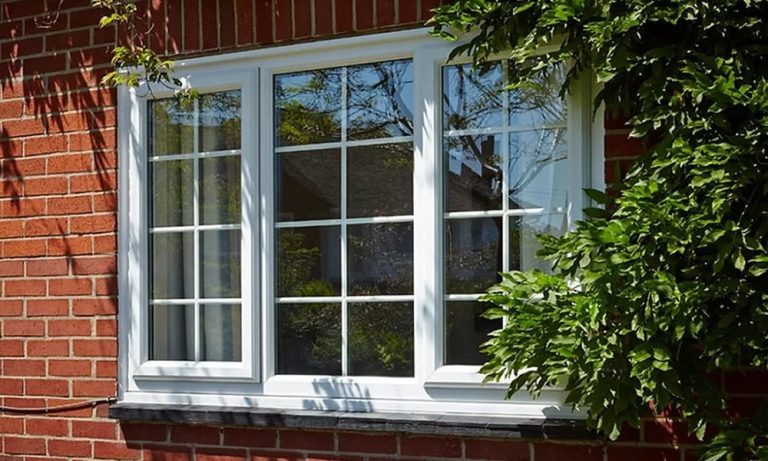
When it comes to creating versatile and aesthetically pleasing spaces, modern window design plays a pivotal role. Aluminum casement windows, known for their classic functionality and timeless appeal, are making waves in contemporary architecture, especially when cleverly blended with Louver and aluminum sliding window types. This fusion of styles not only enhances the practicality of the space but also elevates the visual harmony of homes and businesses.

In this blog, we’ll explore how casement windows can blend seamlessly with Louver and sliding types, their benefits, and design inspirations for creating a beautiful and functional environment.

What Are Casement Windows?

Casement windows are hinged windows that swing outward (or inward) using a crank or lever mechanism. This design provides excellent ventilation and maximizes natural light. Known for their energy efficiency and ease of operation, casement windows are a popular choice for both residential and commercial spaces.

Key Features of Casement Windows:

Hinged on the side for outward/inward opening.

Effective ventilation and protection from rain when open.

Secure and energy-efficient due to tight seals.

Timeless aesthetic that complements traditional and modern designs.

Blending Casement Windows with Louver Windows

Louver windows, often used for ventilation and privacy, feature horizontal slats that can be tilted at different angles. Combining Louver windows with casement window designs creates a perfect balance of function and form.

Benefits of This Combination:

Enhanced Ventilation: Louver windows offer flexible airflow control, while casement windows provide a wider opening for maximum fresh air.

Modern Aesthetic Appeal: The clean lines of casement windows paired with the horizontal slats of Louver designs create a striking visual contrast that enhances architectural style.

Optimal Light Control: Louver panels allow light diffusion in areas where direct sunlight is excessive, while casement windows allow full exposure to natural lighting.

Privacy and Security: While Louver windows can ensure privacy especially for high-traffic areas, casement windows provide robust locking mechanisms for added security.

Blending Casement Windows with Sliding Windows

Sliding windows are known for their space-saving design and sleek profiles, making them ideal for compact areas. Combining sliding windows with casement styles expands functional possibilities while maintaining aesthetic flow.

Benefits of This Combination:

Space Optimization: Sliding windows don’t require additional clearance to open, making them ideal for smaller rooms and patios, while casement windows can fit larger spaces.

Flexibility in Design: Install sliding windows for easy access in high-traffic areas, and casement windows for ventilation and wide views in quieter corners.

Aesthetic Versatility: Blending sliding windows’ minimalist design with the charm of casement styles creates a beautiful synergy, perfect for modern homes.

Improved Energy Efficiency: Both sliding and casement windows can incorporate energy-efficient glass, minimizing heat transfer and lowering energy bills.

Design and Material Considerations

When blending casement windows with Louver or sliding window types, materials and finishes matter. Aluminum, timber, and high-strength uPVC are popular choices for sleek and durable window frames. Additionally, double glazing or tinted glass can improve acoustic and thermal performance.

Creative Ways to Incorporate Casement Mixes

Blending casement windows with Louver and sliding types doesn’t have to be a purely functional choice—it’s a stylistic opportunity. Here are some creative application ideas:

Mixed-Style Living Room Windows: Pair sliding windows for ease of access with tall casement panels for uninterrupted views, adding Louver windows above for dynamic airflow and lighting control.

Multi-Layer Bathroom Ventilation: Combine casement windows for effective ventilation with Louver slices for privacy. This works especially well in minimalistic bathrooms.

Outdoor Patio Window Designs: Use sliding windows for easy access to the patio and casement windows to frame views, while incorporating Louver slices for added airflow during warmer seasons.

Why Choose Casement Window Designs That Blend with Others?

Blending casement windows with Louver and sliding alternatives creates a cohesive, multifunctional space. Whether you’re optimizing for ventilation, light exposure, privacy, or design aesthetics, this fusion works for modern households looking for innovation, practicality, and style.

Modern homes demand innovative solutions to maximize both form and function, and casement windows offer the perfect anchor for blending design elements like Louver and sliding windows. Embrace the possibilities of harmonious fusion, and elevate your living space with designs that work beautifully together.

Mosquito-borne illnesses are surging in Phoenix suburbs, keeping families on edge about outdoor outings and backyard gatherings. Mosquitoes were thought to be somewhat limited by the desert climate, but now places like Scottsdale, Tempe, and Chandler are posting record-high numbers of disease-carrying mosquitoes. There were 86 total cases of West Nile Virus in Arizona in 2023, with 47 in Maricopa County alone, more than double the previous year’s cases. 

Decades ago, such breeding conditions did not exist; now, pool areas, irrigation systems, and landscaped communities create a perfect breeding ground. If mosquitoes have been overwhelming your Phoenix-area home, professional pest control specialists from Green Mango Pest Control can identify risk factors and target areas for control.

Why Are Phoenix Suburbs Becoming Mosquito Hotspots?

  • Urban Heat Island Effect Extends Mosquito Season

In Phoenix, the concrete and asphalt that make up so much of the landscape absorb the sun, creating microclimates that prolong mosquito breeding seasons much later into the fall months. Temperatures that support mosquito reproduction remain warm throughout cooler seasons in the suburbs.

  • Increased Residential Water Features

Swimming pools, ornamental fountains, and water gardens in the suburbs of modern Phoenix provide ideal breeding sites for mosquitoes. These constant water bodies allow mosquitoes to breed consistently all year round.

  • Irrigation Infrastructure Creates Hidden Breeding Grounds

Highly landscaped neighborhoods depend on drip irrigation and sprinkler systems that often leak or pool. These tiny pools of water become mosquito breeding grounds, which most homeowners never know exist.

  • Climate Change Alters Precipitation Patterns

Monsoon seasons are even more erratic in Arizona, creating short bursts of stagnant pools nested in storm drains and dips. According to the Maricopa County Department of Public Health, mosquito trap collections during 2023 were 35% higher than the five-year average.

  • Dense Housing Developments Limit Air Circulation

Tightly spaced homes inhibit natural wind that scatters mosquitoes. It creates artificially sheltered microenvironments for mosquitoes in which there are no natural disturbances and where these pests can thrive.

How Neighborhood Features Fuel the Spread of Mosquitoes

Many aspects of Phoenix suburbs unintentionally encourage mosquito numbers. Dirtier, less well-maintained captivity pools become acidic, green with algae, and with stagnant pockets ideal for laying eggs. Bird baths, planters, and all the different features that decorative landscaping has to offer collect rainwater during the monsoon season. Flat roofs that pool water after storms are, therefore, effective, albeit temporary, breeding grounds for mosquitoes. Condensation from air conditioning units collects in drip pans and around foundations. Simply having your gutters clogged up or your flower pot outside can provide mosquitoes with sufficient water to breed. In the suburbs of Phoenix, golf courses and parks have water hazards and irrigation systems that allow for large populations of mosquitoes.

Get Rid Of Mosquitoes Permanently With Professionals

Most of these steps can be done by homeowners, but if mosquito issues persist, professional pest control needs to step in for long-lasting results. Serving Phoenix-area properties, Green Mango Pest Control focuses on a holistic approach to mosquito control using a blend of targeted treatments and environmental adjustments. Their integrated pest management techniques find the unique breeding places and develop solutions for the individual property. Technicians are familiar with how desert landscaping and suburban water features create mosquito breeding sites that require different treatment methods. 

Commercial-grade products and application techniques that are not available to homeowners to be able to use are available to professional services. They also offer continued monitoring to ensure that treatments stay effective when seasons change and mosquito populations develop. For many families in Phoenix, professional mosquito control is more cost-effective than constantly buying repellents and treating mosquito-borne illnesses when they affect family members.

Cockroaches can pose health concerns in Naperville homes. These pests can adapt to different environments. They can contaminate food, surfaces, and the indoor environment with bacteria and allergens. Thus, homeowners must be aware of the risks associated with cockroach activity. This helps them take proper precautions and reduce exposure to these pests. Also, they can turn to Pointe Pest Control when the need arises. The company can inspect their home thoroughly to locate the hiding spots for roaches and identify the species to handle. This allows them to create targeted treatments for your home. Here’s how roach activity can affect human health:

Spreading Bacteria and Pathogens

Cockroaches pick up germs on their legs and bodies as they crawl over garbage, drains, and decaying matter. They transfer these microbes to surfaces that people come in contact with when they move across kitchen counters, cutting boards, or food storage areas. Salmonella, E. coli, and Staphylococcus are commonly associated with cockroach contamination. Exposure to these pathogens can lead to food poisoning, diarrhea, and other gastrointestinal illnesses.

Triggering Allergies

Proteins found in cockroach saliva, feces, and shed body parts can be allergens. Exposure can lead to sneezing and a runny nose. Also, affected people can experience itchy eyes and skin irritation. Allergic reactions are often more severe in children.

Worsening Asthma Symptoms

Individuals with asthma may experience wheezing and shortness of breath. Chest tightness or nighttime coughing are also common symptoms when exposed to cockroach proteins. More frequent or severe asthma attacks can happen in households with high levels of infestation.

Contaminating Food

Cockroaches contaminate food with bacteria, saliva, and feces. Even a few crawling roaches across open food items can render them unsafe to eat. Contaminated food can cause gastrointestinal illnesses such as vomiting, nausea, and stomach cramps. Kitchens in Naperville homes can be the primary areas affected. This highlights the importance of proper food storage and cleanliness to minimize exposure.

Causing Skin Irritations

Touching surfaces contaminated with cockroach saliva or feces may cause redness, itching, or rashes. Prolonged exposure in highly infested homes increases the risk of these dermatological effects. Families with young children may notice these irritations more frequently, as children may touch multiple surfaces.

Spreading Parasites

Cockroaches can carry parasitic organisms picked up from their environment. These parasites can attach to the cockroach and be transferred to humans or pets. Transmission of severe parasitic diseases is less common in Naperville, but the risk remains a concern.

Psychological Stress

The presence of pests often leads to anxiety and sleep disruption. People may also constantly worry about contamination. The stress associated with an infestation may contribute to headaches, irritability, or difficulty concentrating.

Nighttime Disturbances

Cockroach movement across floors, walls, and furniture can disturb sleep. This is particularly the case in bedrooms close to kitchens or bathrooms. Sleep disruption contributes to fatigue and reduced immune function. It can also decrease a person’s overall well-being.

Impact on Vulnerable Individuals

Young children, elderly residents, and people with weakened immune systems are particularly at risk of health effects when exposed to cockroaches. Allergies, asthma, and gastrointestinal illnesses can be more severe in these groups. Taking steps to reduce cockroach activity in homes with vulnerable individuals is critical to preventing serious health complications.

Eye and Respiratory Irritation

Cockroach allergens can irritate the eyes and respiratory system. Exposure may cause itchy, watery eyes, nasal congestion, and persistent coughing. People with sensitive respiratory systems may experience more pronounced symptoms. Repeated exposure can worsen chronic conditions over time.

Secondary Infections

Bacteria from cockroach contact that enter cuts, scratches, or mucous membranes can lead to skin infections or gastrointestinal illnesses. These infections may progress more quickly and require medical attention in households with children or elderly residents.

Buying a house is a big deal, especially if you want a modern and comfortable place to live, like a 2 bhk house in Pune. The financial situation of Pune is rising, and its infrastructure is getting better, which makes it a good place for people to buy homes. But to find your way around the market for 2 bhk apartments in Pune, you need to plan ahead and know what you’re doing.

Understanding the Pune real estate landscape

People know that Pune has a lot of different places to live. Places like Kharadi and Pimpri Chinchwad are becoming more popular. For instance, 2 bhk apartments in Kharadi have great connections and modern features. At the same time, 2 bhk flats in Pune Pimpri Chinchwad are affordable and are being built quickly. Buyers can make smart choices when they know what the location has to offer.

Budgeting: Knowing the 2 BHK Flat in Pune price

Before you buy 2 bhk flat in Pune, it’s important to know how much money you have. The 2 bhk flat in Pune price depends on where it is, the builder’s repute, and the amenities it has. Luxury projects are usually more expensive, but new regions have prices that are hard to beat. Having a definite budget help narrow down your choices and speeds up the search.

Choosing the right project and builder

Choosing a trustworthy constructor is important to avoid problems later. Look into reviews, deadlines for finishing projects, and legal permissions. Choosing 2 bhk luxury flats in Pune frequently means more facilities and higher quality. To protect your investment, make sure the builder gives you clear deadlines for when you may take possession and clear paperwork.

Evaluating amenities and lifestyle needs

The modern buyer of a property looks beyond the walls. Things like security, parking, a gym, and green spaces make a place more valuable. Many 2 bhk flats in Pimpri Pune, for example, include gated community characteristics. Put the features that fit your lifestyle first. This makes life more comfortable and increases the value of the home when you sell it.

Legal and financial aspects to consider

Knowing the law keeps buyers safe from scams. Check the flat’s title deeds, occupancy certificates, and RERA registration before buying a flat for sale in Pune. You should look at financing choices like home loans early on. To make the purchase process easier, check the interest rates, loan term, and eligibility.

Finalizing the deal and booking tips

Once you find the perfect 2 bhk in Pune, you should focus on the paperwork. Before signing the sale agreement, read it carefully and ask any questions you have. When you book a new apartment, you usually have to pay a small amount up front and then make payments over time. To avoid future problems, keep track of all your transactions.

Frequently Asked Questions (FAQs)

What is the average 2 bhk flat in Pune price?

The average price varies by place, but in premium areas, it usually falls between INR 50 lakhs and INR 1 crore.

Where are the best locations to buy 2 bhk apartments in Pune?

People like Kharadi and Pimpri Chinchwad because they are easy to commute, have good infrastructure, and are cheap.

How to verify if a flat for sale in Pune 2 bhk is legal?

Before you buy a Pune 2 bhk, make sure the property is registered with RERA, has title papers, and an occupancy certificate.

Are there luxury 2 bhk flats available in Pune?

Yes, a lot of projects include 2 bhk luxury flats in Pune with high-end features and modern design.

Can I get a home loan to buy a 2 bhk flat in pune for sale?

Yes, most banks offer house loans with adjustable interest rates and terms for buying apartments.

Conclusion

When done with the right knowledge, booking a 2 bhk flat in Pune may be a profitable investment. Putting location, affordability, and legal clarity first makes the buying process go more smoothly. The real estate market in Pune is growing, therefore now is the time to buy your ideal home.

Bats are important to the environment. However, they create serious problems for Little Elm homeowners when they roost inside homes, attics, or sheds. Removing bats is not as simple as chasing them out or blocking holes. Several factors make the process more complicated than many people expect. Successful elimination is possible with professional intervention. Many families count on the services of Romney Pest Control. The company adapts its approach to each property. It combines prevention with practical treatments to ensure a safe and living environment for families. Removing bats is never easy due to the following reasons:

They are Protected Species

Bats are protected under state and federal laws. It is illegal to harm or kill them in Texas. Thus, homeowners must follow specific rules when addressing a bat problem. For example, exclusions cannot be done during maternity season, when baby bats cannot fly. This restriction makes timing critical and requires professional knowledge to ensure the legality and safety of the process.

Their Entry Points are Hidden

Bats can squeeze through gaps as small as half an inch. These openings can be found along rooflines, vents, chimneys, and siding. Locating every possible entry point is a challenge because bats rarely use just one opening. Missing a tiny gap during the exclusion process can allow bats to reenter, making removal unsuccessful.

They Have a Nocturnal Behavior

Bats leave at dusk to feed and return before sunrise. This complicates inspection and exclusion work. Timing the exclusion properly requires patience and knowledge of their habits. Without this understanding, homeowners may seal bats inside.

They Have Large Colonies

A group of bats can roost in an attic and stay there for years if left undisturbed. Large colonies create more droppings, stronger odors, and a higher risk of structural damage. Removing them requires thorough planning, specialized equipment, and multiple steps to ensure the colony relocates safely.

Their Droppings Pose Health Risks

Bat droppings accumulate quickly when a colony roosts in one place. Guano produces a strong, unpleasant smell and poses health risks. It can grow fungi that cause histoplasmosis, a respiratory disease. Cleaning guano requires protective gear and safe disposal methods, which adds another layer of complexity to the process.

Bat Removal in Attics is Hard

Attics in Little Elm homes often provide the perfect shelter for bats. They are warm, dark, and rarely disturbed, making them ideal roosting spots. However, the layout of attics can make inspection and removal difficult. Narrow spaces, poor lighting, and insulation create hiding places where bats can remain unnoticed. Accessing every corner of the attic is necessary to confirm removal and prevent future infestations.

Seasonal Timing is Necessary

Bat removal cannot be done at just any time of year. As mentioned earlier, maternity season restricts exclusion because young bats are not able to fly on their own. Attempting removal during this period can separate mothers from their pups, leaving the babies to die inside the home. Professionals carefully plan the timing of removal to comply with laws and ensure the colony leaves safely.

There is a Risk of Reinfestation

Even after successful removal, bats may try to return to their original roosting spot. They are creatures of habit and may continue circling the home for days or weeks. They will find their way back inside if every entry point is not properly sealed.

The Make Noise and Cause Disturbance

Bats often make scratching, squeaking, or fluttering sounds that disturb homeowners at night. These noises come from their movements within walls or attics. However, bats are quiet during the day, so locating them based on sound alone is difficult.

Removal Needs for Specialized Equipment

Professionals often use one-way exclusion devices that allow bats to exit but not reenter. Installing these devices correctly takes skill, especially on roofs or high areas of a home. Safety equipment is also necessary for accessing difficult spots and cleaning up guano.