
Clean, great-tasting water is something every homeowner values, but not all water is the same. Depending on where you live, your home’s water may contain minerals, chlorine, sediment, or other contaminants that affect its taste, smell, and overall quality. Understanding the different types of residential water filtration systems can help you choose the right solution for your household.
If you’re exploring options such as reverse osmosis installation Sacramento, CA, it’s important to understand how various filtration systems work and what problems they are designed to solve. Each system offers unique benefits, making it easier to match your home’s water needs with the right technology.
Why Water Filtration Matters
Municipal water treatment facilities work hard to provide safe drinking water, but water can still pick up impurities as it travels through aging pipes or plumbing systems. In homes with private wells, water quality can vary even more depending on local conditions.
A residential water filtration system helps improve water quality by reducing unwanted substances while enhancing taste and odor. The right system can also protect plumbing fixtures, appliances, and even extend the lifespan of water-using equipment.
Sediment Filters
Sediment filters are often the first line of defense in a home’s water filtration setup. They remove larger particles such as sand, dirt, rust, and silt before water reaches other filtration stages.
These filters are especially useful for homes with:
- Well water
- Older plumbing systems
- High levels of visible sediment
- Water that appears cloudy
While sediment filters improve water clarity, they are not designed to remove dissolved chemicals, bacteria, or heavy metals. They often work best when paired with another filtration system.
Activated Carbon Filters
Activated carbon filters are one of the most common residential filtration options. They use specially treated carbon to trap contaminants through adsorption, improving both the taste and smell of drinking water.
Carbon filters are effective at reducing:
- Chlorine
- Certain volatile organic compounds (VOCs)
- Unpleasant odors
- Many compounds that affect taste
They are commonly found in refrigerator filters, faucet-mounted systems, countertop units, and whole-house filtration systems.
However, activated carbon filters typically do not remove dissolved minerals or certain microorganisms.
Reverse Osmosis Systems
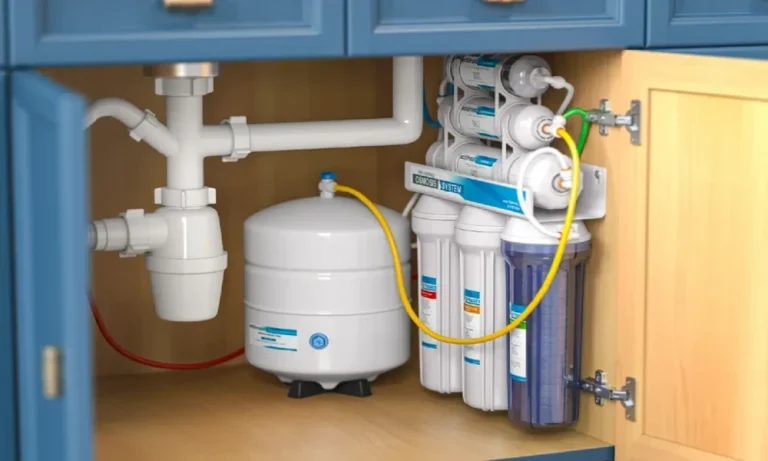
Reverse osmosis (RO) systems provide one of the most comprehensive forms of residential water filtration. These systems force water through a semi-permeable membrane that removes many dissolved contaminants.
A reverse osmosis system can reduce:
- Dissolved salts
- Lead
- Arsenic
- Nitrates
- Fluoride
- Many other dissolved impurities
Because of their effectiveness, RO systems are often installed under the kitchen sink to provide purified drinking and cooking water.
Homeowners considering reverse osmosis installation Sacramento, CA should remember that proper installation and routine maintenance are essential for keeping the system operating efficiently. Regular filter and membrane replacement helps maintain water quality over time.
Whole-House Water Filtration Systems
Unlike point-of-use systems that treat water at a single faucet, whole-house filtration systems clean water as it enters the home.
This means filtered water reaches:
- Kitchen faucets
- Bathroom sinks
- Showers
- Washing machines
- Dishwashers
Whole-house systems are an excellent option for homeowners who want consistent water quality throughout the property. Depending on the system, they may include sediment filters, activated carbon, or specialized media designed to target specific contaminants.
These systems are especially valuable in areas where water quality issues affect more than just drinking water.
Water Softeners vs. Water Filters
Many people assume water softeners and water filters perform the same job, but they serve different purposes.
A water softener reduces hardness by removing calcium and magnesium minerals that cause scale buildup. This helps protect plumbing, appliances, and water heaters while reducing soap residue.
A water filtration system, on the other hand, focuses on removing contaminants that affect water quality, taste, and odor.
Some homes benefit from installing both systems together, especially in regions with hard water.
UV Water Purification Systems
Ultraviolet (UV) water purification systems use UV light to neutralize bacteria, viruses, and other microorganisms without adding chemicals.
These systems are commonly recommended for homes using well water where biological contamination may be a concern.
It’s important to note that UV systems disinfect water but do not remove sediment, minerals, or chemical contaminants. For this reason, they are often combined with other filtration methods.
How to Choose the Right Water Filtration System
The best filtration system depends on your home’s specific water quality and your family’s priorities.
Consider the following factors:
- Your water source (municipal or well)
- Common local water quality concerns
- Whether you want drinking water filtration or whole-house treatment
- Maintenance requirements
- Installation costs
- Available space for equipment
A professional water quality test is often the best first step. Test results help identify exactly what contaminants are present so you can select a system that addresses your home’s needs without paying for unnecessary features.
Common Mistakes Homeowners Make
Choosing a filtration system without understanding your water quality can lead to disappointing results.
Some common mistakes include:
- Buying a system without testing the water first
- Assuming all filters remove every contaminant
- Forgetting to replace filters on schedule
- Choosing a system that’s too small for household water usage
- Ignoring manufacturer maintenance recommendations
Regular maintenance is just as important as choosing the right system. Even the most advanced filtration equipment cannot perform properly if filters are overdue for replacement.
Final Thoughts
Understanding the different types of residential water filtration systems helps homeowners choose a solution that delivers cleaner, better-tasting water while addressing their specific water quality concerns. Whether you need a simple sediment filter, an activated carbon system, a whole-house water filtration system, or an advanced reverse osmosis system, selecting the right option begins with knowing what’s in your water and what you want to improve.
Regular maintenance, timely filter replacements, and professional installation all contribute to long-lasting performance and reliable water quality. By investing in the right residential water filtration system, you can enhance your home’s water supply, protect plumbing fixtures and appliances, and enjoy greater peace of mind knowing your household has access to cleaner, healthier water every day.
