
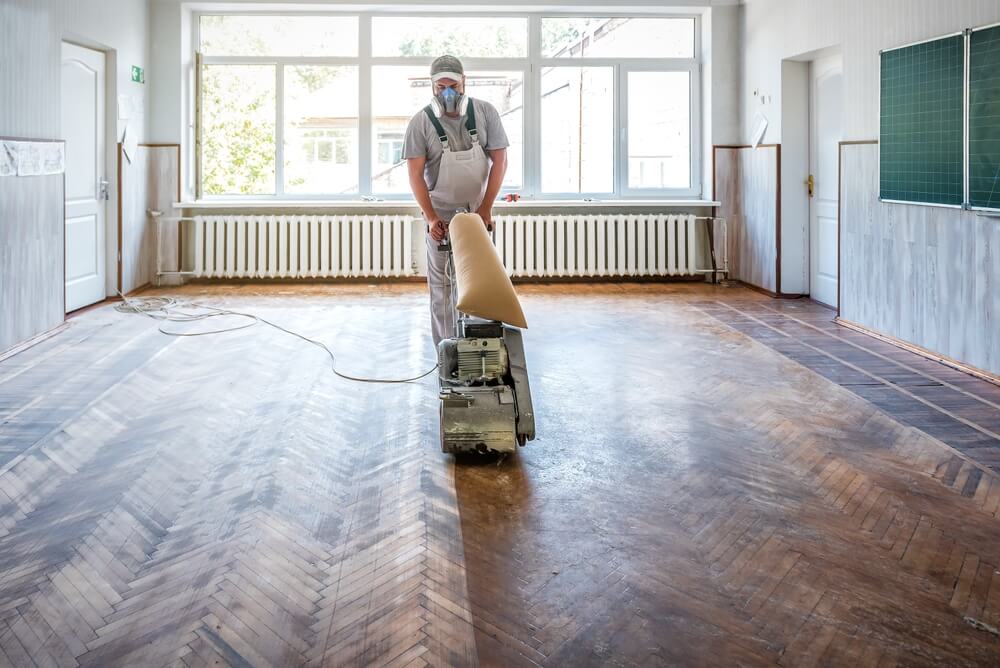
Hardwood floors are one of the most beautiful and durable features in any home, but even the toughest wood surfaces can lose their shine over time. Daily foot traffic, furniture movement, and exposure to sunlight all take their toll — leaving scratches, dull patches, and uneven finishes. When that happens, sanding and refinishing can restore your floors to their original brilliance.
But how often should this be done? The answer depends on the type of wood, the finish, and how much wear and tear your floors endure. With expert care from Plancher Mebesa hardwood floor sanding, you can keep your floors looking elegant for decades without damaging the wood or reducing its lifespan.
Let’s take a closer look at how often to sand your hardwood floors, what signs indicate it’s time, and how professionals ensure the process is done correctly.
1. The Purpose of Sanding Hardwood Floors
Sanding is more than just smoothing a surface — it’s about renewing your floors. Over time, hardwood floors accumulate scratches, dents, and layers of worn finish that dull their natural beauty. Sanding removes the top layer of wood and finish, creating a clean, smooth surface ready for staining or sealing.
This process:
- Restores natural color and grain.
- Removes imperfections and stains.
- Prepares the floor for a new protective coating.
When done properly, sanding doesn’t just improve appearance — it extends the lifespan of your flooring by protecting it from further wear and moisture.
2. How Often Should You Sand Your Hardwood Floors?
In general, hardwood floors should be sanded every 7 to 10 years. However, this can vary based on several factors:
- High-traffic areas (like living rooms or hallways) may need sanding every 5–7 years.
- Low-traffic areas (like bedrooms) may last 10–15 years before needing sanding.
- Engineered hardwood floors have a thinner surface layer and can usually only be sanded once or twice in their lifetime.
The key is to sand only when necessary — sanding too often can wear down the wood surface, reducing its lifespan.
3. Signs Your Hardwood Floors Need Sanding
You don’t always need to guess when it’s time for a refresh. There are clear signs your floors may need sanding:
- Visible scratches or scuff marks that don’t go away with cleaning.
- Faded or dull finish, especially in high-traffic zones.
- Water stains or discoloration that penetrate the surface.
- Uneven sheen caused by worn-out protective coatings.
- Rough texture underfoot or splinters from exposed grain.
If your floors show multiple signs like these, sanding and refinishing will restore their smooth, polished look.
4. Why You Shouldn’t Over-Sand
Every hardwood floor has a limited number of sanding cycles. Solid hardwoods can generally be sanded four to six times over their lifespan, depending on the thickness of the planks. Each sanding removes about 1/32 of an inch of wood.
Over-sanding can:
- Reduce the floor’s structural strength.
- Expose nail heads or tongue-and-groove joints.
- Shorten the overall life of your flooring.
That’s why expert assessment before sanding is essential — professionals determine whether your floor truly needs full sanding or just a buff and recoat, which refreshes the surface without removing wood.
5. Factors That Influence Sanding Frequency
Several lifestyle and environmental factors affect how often you’ll need to sand:
- Foot Traffic: Homes with children or pets will see more wear.
- Type of Finish: Oil-based finishes wear faster than polyurethane or aluminum oxide finishes.
- Cleaning Habits: Regular maintenance extends the time between sanding cycles.
- Humidity Levels: Extreme humidity causes expansion and contraction, leading to gaps or cupping.
- Rugs and Protection: Using mats under furniture helps prevent scratches and dents.
By managing these factors, you can lengthen the time between sanding sessions and maintain your floors’ appearance longer.
6. Alternatives to Full Sanding
Sometimes a full sanding isn’t necessary. If your floors are lightly scratched but still have a protective layer, a screen and recoat (also called buffing) might be enough. This process lightly abrades the surface and applies a new finish coat without removing much wood.
Benefits include:
- Less dust and disruption.
- Lower cost compared to full sanding.
- Quick turnaround time (usually 1–2 days).
It’s an excellent maintenance option between full sanding cycles to keep your floors looking great.
7. The Professional Sanding Process
Professional sanding involves multiple steps designed to restore beauty while protecting the wood. When done by experts such as Plancher Mebesa hardwood floor sanding, the process typically includes:
- Inspection: Assessing the floor’s condition, type of wood, and depth of wear.
- Preparation: Removing furniture, repairing damaged boards, and cleaning the surface.
- Sanding: Using high-quality sanders to remove old finish and smooth the surface in multiple stages.
- Staining (optional): Applying a new stain color for updated style or tone.
- Finishing: Sealing the floor with protective coatings for durability and shine.
Professionals use dustless sanding systems that capture debris as they work — keeping your home clean while ensuring a flawless result.
8. Choosing the Right Finish After Sanding
After sanding, your floor needs a new protective layer. The right finish depends on your lifestyle and desired look:
- Water-based polyurethane: Dries quickly, low odor, and eco-friendly.
- Oil-based polyurethane: Adds warmth and durability but takes longer to cure.
- Hardwax oils: Offer a natural matte look and easy maintenance.
Each type provides varying levels of protection, gloss, and color enhancement. Professionals help you choose the best option for your space.
9. Extending Time Between Sanding Cycles
Proper maintenance can extend the lifespan of your finish and delay the need for another sanding. Here are some practical tips:
- Sweep or vacuum regularly to remove dirt and grit.
- Use felt pads under furniture legs.
- Wipe up spills immediately to prevent water damage.
- Reapply finish coatings as needed to maintain protection.
- Keep indoor humidity levels between 35–55% to prevent wood expansion.
These simple habits preserve the integrity and beauty of your floors for years.
10. The Benefits of Professional Sanding
Sanding isn’t just about appearance — it’s an investment in your home’s value and longevity. Professional sanding provides:
- Enhanced durability: Removes weak finish layers and adds strong new coatings.
- Improved aesthetics: Restores natural color and luster.
- Increased property value: Buyers appreciate the look of well-maintained hardwood.
- Healthier indoor environment: Removes old finishes that trap dust and allergens.
A professionally sanded floor looks better, lasts longer, and requires less maintenance.
11. DIY vs. Professional Sanding
While DIY sanding may seem like a way to save money, it often leads to uneven surfaces, gouges, or poor finishes. Professional sanders use industrial-grade machines that evenly remove layers without damaging the wood.
Moreover, trained technicians know how to handle different wood species, stains, and finishes — ensuring a smooth, uniform result that DIY methods rarely achieve.
12. When to Call a Professional
If your floors have deep scratches, gray discoloration, or water stains that don’t respond to cleaning, it’s time to call a professional. Experts can assess whether a full sanding or minor restoration is needed, preventing costly mistakes and unnecessary wear on the wood.
Professionals also offer dustless sanding systems, making the process cleaner and safer for your home environment.
13. The Role of Expert Craftsmanship
Midway through the sanding process, precision becomes everything. Professionals like Plancher Mebesa hardwood floor sanding bring years of experience, attention to detail, and advanced tools to achieve a flawless finish.
Their knowledge of wood behavior, finishing techniques, and environmental conditions ensures that each project is handled with care — giving your floors a refined, long-lasting result.
14. The Ideal Sanding Schedule for Different Woods
Not all hardwoods are created equal. Some require more frequent care than others:
- Oak & Maple: Durable, can go up to 10 years between sanding.
- Pine: Softer, may need sanding every 5–7 years.
- Cherry or Walnut: Moderate hardness, best sanded every 8–10 years.
Your home’s usage patterns and finish type will ultimately determine the best schedule — but regular professional inspections can help you stay on track.
15. Preserving Beauty and Value for Years to Come
With the right maintenance and timely sanding, hardwood floors can last a lifetime. Each refinishing cycle revives their natural glow, enhances durability, and keeps your home looking refined and inviting.
Final Thoughts
Sanding your hardwood floors isn’t something that needs to be done often — but when it’s time, it makes all the difference. A professional sanding not only restores beauty but also strengthens your flooring for years of use.

Comments are closed.