Author

Laurie B. Simpson

Browsing

Tree pruning and landscape services have evolved from simple garden maintenance into sophisticated urban ecology practices that mirror Singapore’s revolutionary approach to green city planning. In an era where urbanisation threatens natural habitats globally, the meticulous art of tree care has become both environmental stewardship and aesthetic necessity—a delicate balance that transforms concrete jungles into breathing, living spaces.

The Science Behind Strategic Tree Pruning

Tree pruning represents far more than cosmetic gardening; it constitutes a complex dialogue between human intervention and natural growth patterns. Professional arborists understand that each cut influences a tree’s structural integrity, disease resistance, and long-term vitality. The timing, technique, and tools employed determine whether pruning enhances or compromises a tree’s health.

Modern pruning techniques focus on:

•       Crown thinning – Selective removal of branches to improve light penetration and air circulation

•       Deadwooding – Elimination of diseased, damaged, or dead branches that pose safety risks

•       Crown raising – Removing lower branches to create clearance for pedestrians and vehicles

•       Structural pruning – Developing strong branch architecture in young trees

Singapore’s National Parks Board emphasises that “proper pruning techniques are essential for maintaining urban tree health and public safety in our densely populated city-state.” This philosophy reflects a broader understanding that urban trees require specialised care to thrive in challenging environments.

Landscape Services: Beyond Aesthetic Enhancement

Contemporary landscape services encompass environmental engineering, ecological restoration, and sustainable design principles. The integration of native plant species, water-efficient irrigation systems, and soil health management creates resilient outdoor spaces that support biodiversity whilst requiring minimal resource inputs.

Professional landscape maintenance involves systematic approaches to:

•       Soil analysis and amendment programmes

•       Integrated pest management strategies

•       Seasonal planting schedules optimised for local climate conditions

•       Water conservation through smart irrigation technologies

The Singapore Model: Lessons in Urban Forestry

Singapore’s transformation from a developing nation to a “City in a Garden” offers compelling insights into effective tree management. The island nation’s strategic approach to urban forestry demonstrates how systematic tree care can enhance property values, improve air quality, and create psychological benefits for residents.

As Singapore’s former Prime Minister Lee Kuan Yew once observed, “We have to make Singapore a garden city, not a city with gardens.” This vision required comprehensive planning that integrated tree planting, pruning, and landscape maintenance into urban development policies.

The results speak volumes: Singapore maintains over 2 million trees in public spaces, with sophisticated monitoring systems tracking the health and growth patterns of significant specimens. This data-driven approach to landscape management provides valuable lessons for property owners seeking to maximise their outdoor investments.

Professional Expertise vs. DIY Approaches

The temptation to undertake tree pruning as a weekend project often leads to costly mistakes that compromise tree health and property safety. Improper pruning techniques can:

•       Create entry points for diseases and pests

•       Weaken branch structure, increasing storm damage risk

•       Stimulate excessive growth that requires frequent maintenance

•       Reduce property values through unsightly tree appearance

Professional arborists possess specialised knowledge of tree biology, disease identification, and safety protocols essential for effective pruning. Their expertise extends beyond cutting techniques to encompass species-specific requirements, seasonal timing considerations, and long-term tree health management.

Environmental and Economic Benefits

Strategic tree care delivers measurable returns on investment through reduced energy costs, enhanced property values, and improved quality of life. Mature trees can reduce residential cooling costs by up to 30% whilst increasing property values by 10-15%.

Environmental benefits include:

•       Carbon sequestration averaging 48 pounds per tree annually

•       Stormwater management through canopy interception

•       Air pollution reduction and oxygen production

•       Wildlife habitat provision in urban environments

Seasonal Considerations and Maintenance Schedules

Effective landscape management requires understanding seasonal growth patterns and environmental stresses. In tropical and subtropical climates, year-round growing seasons necessitate adjusted pruning schedules compared to temperate regions.

Optimal maintenance timing considers:

•       Flowering and fruiting cycles to preserve aesthetic value

•       Disease pressure periods when trees are most vulnerable

•       Weather patterns that affect pruning wound healing

•       Wildlife breeding seasons to minimise habitat disruption

Technology Integration in Modern Landscape Care

Contemporary landscape services increasingly incorporate technological innovations that enhance efficiency and effectiveness. GPS mapping systems track maintenance schedules, soil sensors monitor moisture levels, and drone surveys assess large property canopies for potential issues.

Smart irrigation controllers adjust watering schedules based on weather forecasts and soil conditions, whilst digital documentation systems maintain comprehensive records of tree health and maintenance history.

The integration of traditional horticultural knowledge with modern technology creates landscape management programmes that are both sustainable and cost-effective, ensuring that outdoor spaces remain beautiful and functional throughout changing seasons and environmental conditions.

Understanding the intricate relationship between proper tree care and comprehensive landscape management enables property owners to create outdoor spaces that enhance both environmental sustainability and aesthetic appeal—a philosophy that positions strategic tree pruning and landscape services as essential investments in our urban future.

Let me save you the trial-and-error. If you’re looking for something that stands out, holds up, and doesn’t break the bank, you’re in the right place. I’ve worked with enough interiors, suppliers, and contractors to know what actually delivers. Not just on aesthetics, but on build quality, price, and support too.

When I evaluate a vendor or product line, I look at five things: material quality, consistency, design versatility, customization options, and customer service. I’ve seen too many companies drop the ball on one or more of those. That’s where this recommendation stands apart.

You’re going to see why I suggest you take a serious look at this epoxy table top collection and how it holds up against other options out there. I’ll also walk you through the types of finishes, dimensions, and use cases that actually make sense for different setups.

Real Craftsmanship You Can See

Here’s the deal. A lot of epoxy table tops look decent at a glance. But once they’re in your space, the flaws show up fast. Uneven pours. Cheap wood. Weird bubbling or yellowing after just a few months.

That’s not what you get with Lumber Grand.

Every piece I’ve reviewed from them shows tight epoxy work, clean edges, and no warping. They don’t mess around with materials either. We’re talking live-edge wood that’s kiln-dried, paired with epoxy that holds its finish under real use.

You can spot the care that goes into the process, from selection to final polish. That matters if you want your space to feel intentional and not thrown together.

Versatile Styles for Any Setup

Whether you’re decking out a modern office or trying to add warmth to a minimal dining room, there’s a tabletop design that fits. Square, round, or irregular cuts. Matte or glossy finish. Thick slabs or thinner profiles depending on what you need.

That flexibility is where Lumber Grand really earns the recommendation.

You’ve got items like the Round Wooden Epoxy Resin Table Top at 19 inches, which works well for compact nooks. Then there’s the 41-inch Square Epoxy Dining Table Top if you’re going for something more eye-catching. All of these use the same quality base and resin work, just scaled and shaped for different uses.

Custom Sizing

Custom Sizing Makes a Big Difference

One thing that consistently frustrates people buying table tops online is the lack of real customization. Standard sizes don’t work for everyone, especially if your layout’s tight or you’re working around existing furniture.

Lumber Grand handles this. They offer free sizing consultations, which includes expert advice and mockups. That’s not just a bonus, it’s a necessity if you want the final look to match your space without compromises.

You’re not stuck guessing. They walk you through it with renderings and suggestions that make sense.

Pricing That’s Actually Reasonable

Here’s what I’ve noticed. A lot of epoxy table companies charge high-end prices, then sneak in quality shortcuts. Thin slabs. Generic finishes. Factory-line feel.

Lumber Grand doesn’t do that.

You’ll see discounts on models like the Square Black Epoxy Handcrafted Table Top at 23 inches, sometimes up to 80 percent off. That’s a rare find, especially with this level of build and material quality. But even their regular pricing feels fair for what you’re getting. No price inflation to make it “feel premium.” Just good value.

Customer Support That Sticks With You

The team behind this company actually responds. If you’ve been around long enough, you know how rare that is. Whether it’s a custom sizing question or a delivery check-in, they’re responsive without making you chase updates.

They’ve also built their support around real use cases. That means they’ve worked with both homeowners and commercial setups. Offices, cafes, workstations. They get what different buyers need and guide accordingly.

Final Thoughts

If you’re comparing options right now and you’re tired of glossy marketing with no substance, I hear you.

That’s why I keep pointing people to Lumber Grand. They’ve proven they can deliver consistent quality, flexible designs, and real support. Whether you’re after a showpiece dining table or a practical desk top with some character, they’ve got something that fits.

The greatest nightmare scenario for any homeowner or business owner is the possibility of a pipe exploding or a drain overflowing. When an engineer offers to mend your damaged pipe. It’s tempting to accept their offer. If you do, you run the danger of overpaying the repairing service provider for a shoddy, short-term solution.

You must choose the best firm for the work. If you have recently learned about relining. And are prepared to hire this repair expert to fix your damaged pipes.

We’ve put up a list of guidelines to help you pick the finest firm for your house or place of business. Questions to ask your future contractor such as Drain Relining Bournemouth are listed below.

Is there a complimentary consultation available?

Before beginning any work, your expert should do a comprehensive consultation. Regardless of whether you need commercial or residential repair.

A professional will use CCTV technology to do a comprehensive examination during a consultation. These drain cameras examine joints and bends that are impossible to identify above ground.

Your technician should take into account the possibility of more damage from invading tree roots. As well as the long-term condition of your entire pipe.

Always ask your contractor to perform a thorough examination. Because a shoddy patch-up job might wind up costing you much more in the long term.

Which qualifications do you hold for repair?

To operate, contractors must have a complete license. Just like any other home or commercial plumber.

Relining is a complex procedure that calls for specialized training with additional certification along with a plumber’s license. Before allowing your technician near your clogged stormwater drains. Make sure they are qualified and trained.

Although there isn’t an official license for this in the UK. You may check their affiliations and certifications to ensure they are qualified and follow the rules.

Check for participation in pertinent industry standards such as WRc-approved certifications. Visit https://www.wrcgroup.com/about/ to learn about such institutions for standards and research in the water sector.

What kind of technologies do you employ to repair my damaged pipes?

It must be a prominent technology company that offers the best technology available for relining.

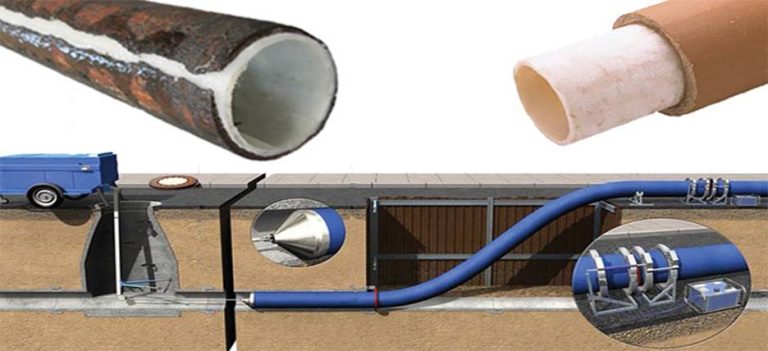
A German company called Brawoliner®, for instance. They make cutting-edge textile coverings for trenchless restoration.

Sewer lines that are obstructed or damaged can be repaired using liners. Additionally, the brand offers businesses worldwide the best tools and methods.

Employ specialists who utilize authentic, certified materials. And those who have received brand-guaranteed training. If not, your conduits might not endure for very long.

For how long you have been fixing pipes in Bournemouth?

A business might not be prepared to manage the unique plumbing conditions of your city if they are new to it. Find out from the organization how long they have operated in your area.

What are the reviews saying?

Reviews are the best way to see an actual illustration of how well a firm is doing business. Examine the online reviews of the contractor.

Evaluations of businesses give you an idea of their values, level of customer service, and caliber of work. This will assist you in making the correct choice or avoiding a poor one.

How will the pipe be fixed?

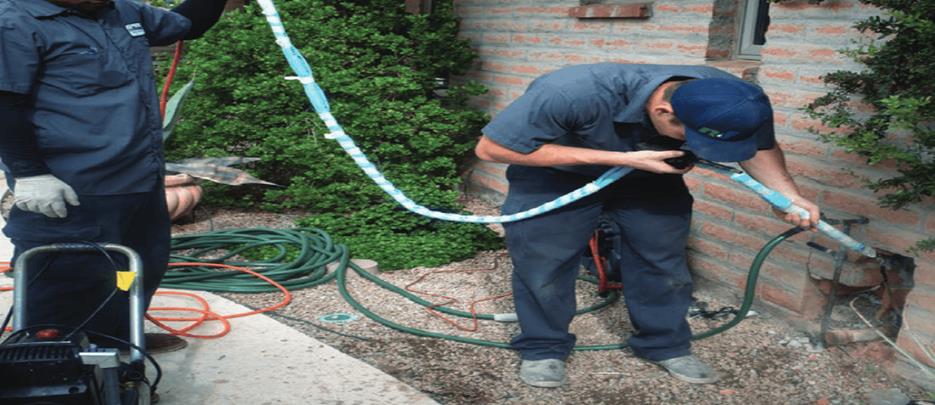
Your driveway, garden, landscaping, and property should all be as important to a professional as you are. When at all feasible, they should steer clear of excavation and subterranean digging.

If relining is an option, it is not recommended to dig trenches to fix clogged drains. Get a second opinion from another specialist if a plumbing professional tells you that’s your only choice for repair.

Do you work with a trustworthy manufacturer?

The quality of most installations and repairs depends on the materials utilized, and relining is no different.
Ask your specialist about the tools, technologies, and methods they intend to employ before scheduling them. Make notes and investigate these choices to ensure they are the best available.

Do you have UK certification for your repair materials?

The majority of the materials used are produced abroad. Therefore, it’s critical to confirm that they are approved for use in the UK. It shows if these materials are secure and long-lasting in our harsh environment – click this to learn about ISO 9001.

Do you provide an installation guarantee or an extended warranty?

When done correctly and skillfully, this task can endure for many years. Any respectable business should not be afraid to provide long-term guarantees or warranties.

For instance, they may provide 35-year warranties on any work. Since they are so sure of our repair techniques.

What additional materials are you going to utilize to repair my pipe?

The effectiveness and durability of a liner are influenced by a wide range of elements. Take adhesion level, for instance.

Epoxy resin is the best and most dependable option for relining a broken tube. Your tubes won’t be able to withstand long-term pressure if this non-toxic, extremely durable material isn’t used.

When choosing a place to live near one of those landmarks filled with charm, history, and culture, one realizes that more than just a room is being picked, the life itself is being chosen. In a neighbourhood where timeless charm exists alongside the new order of worldly life, your space becomes another entry into the richer experience. An accommodation in Asakusa Kaminarimon (淺草 雷門 住宿) influences how you feel living there.

Location With Soul

Neighbourhoods project an energy that draws in visitors. People can feel this energy in streets lit by old-fashioned lamps, in the faint murmur of markets at dawn, or in the rustling stillness of a temple courtyard that greets dusk. Living at an accommodation in Asakusa Kaminarimon (淺草 雷門 住宿) practically guarantees that memorable moments are never too far away: a peaceful midnight stroll or the whirlwind of an impromptu weekend festival starts to blend in with life itself.

More Than Just a Room

The perfect place to go back to reaffirm not only your perception of things but also how you view time itself. Some adore simplicity—a soothing ambiance, just a mildly discussed beauty, and an atmosphere devoid of people, rather than being filled with disturbances from fun, friends, and common activities. Think in reverse. What brings that ease down on you? Do you enjoy entertaining or just chilling by yourself? Is it a tight space, well thought out enough, or are you craving areas where you can engage, read, cook, or de-stress? The foregoing is the place that fits your life, not where you unwind.

Ease in the Everyday

Your home should make life smooth and easy for you. When you have a good living setup, all the little things, such as furnishing, utilities, cleaning services, or parcel handling, are taken care of. For someone who leads a fast-paced or ever-changing lifestyle, that little bit of ease is almost a silent luxury. Not having to call a plumber, assemble furniture, or pay multiple bills gives back your time and headspace for more important things. Comfort in daily life may not be glamorous, but it sure is strong.

A Place to Belong

Sometimes what turns a house into a home is the feeling of belonging. A place that shares kitchens, open lounges, or rooftops with others offers more than amenities—it presents an opportunity. From sharing a murmur or two over morning coffee to dinner with the community once a month, opportunities for interactions enrich the experience. But then, if this does not fit your style, peaceful and private spaces are there for you without compromising location or convenience.

Finding the right home is a personal journey. It is not just about location or price. It is about how that space supports your lifestyle, values, and rhythms. Walk through it. Listen to your heart. The right space would sit calm within you—it does not ask for attention. When the right space is found, your daily routine stops being repetitive and almost everything you do feels more alive.

Learn how smart design elements shape the classic wave profile of the Ogee 1 MDF Skirting Board and which customising possibilities could turn a simple space into a chic getaway.  A delicate, flowing line connects wall and floor with the smooth rolling curve.  Its sharp edge and balanced swell attract light in soft waves.  You may choose paint finish, thickness, and height to fit any theme.  Clear customisation allows you design every board to your liking.  Appreciate the plain beauty of ogee skirting.

Graceful Wave Detail

Every wave profile reveals its whole appeal.  Its soft rise and fall produce a seamless route that catches the eye.  Every curve flows into the flat top in a line.  This form complements every space and brings serenity.  Without being noisy, the classic wave form stands out, hence it is a suitable edge for any design.

Custom Fit & Finish

Every room has its unique requirements, and these boards satisfy them all.  For low areas or tall walls, you may choose from conventional heights.  For a strong appearance, you may select a thicker board; for more subtle style, a slim board.  Every item is simple to cut and corner connect.  For a neat, bespoke finish, sand the edges smooth and paint any hue.

Magnificent Molding

Simple to Paint and Durable

MDF gives these boards strength and stability.  When walls get a knock, they resist warping and dents.  Some rooms may have moisture issues, but a sealed finish maintains every board in peak condition.  The smooth surface retains paint without wetting or peeling.  This results in a tidy outcome with less coats.  Your walls and floors converge in silent beauty once you seal and paint.

Harmony in Every House

These boards fit seamlessly whether your taste is classic or modern.  Without attracting too much notice, they provide a gentle frame to corridors, bedrooms, and living spaces.  You can combine them with quiet neutral tones or strong wall colours.  Rooms seem more grounded with ogee skirting.  Every board adds balance and a new appearance to any decor with a modest wave edge.

Everywhere, the Ogee 1 MDF Skirting Board raises spaces with a classic wave and elegant design.  Rely on its straightforward finish and robust construction to last.  Combine colors, thicknesses, and heights to suit your preference.  Bring home this sleek edge and enjoy a polished appearance.  Quick to install and easy to clean, it is a wise option for hectic households.  Enjoy a sleek border that effortlessly links your decor.

I’ve spent years evaluating exterior remodeling companies across Illinois. I look at experience, consistency, product quality, service reliability, and customer feedback. When I narrow it down to those that deliver real value in both performance and cost, Ultimate Home Solutions stands out.

They’ve been around for more than 30 years and have earned a reputation that’s hard to ignore. Their locations in Glen Ellyn and Naperville give them a solid local presence, and the feedback I’ve seen from homeowners across Illinois backs up their reputation. I focus on solutions that help you get long-term performance and better efficiency out of your home. That’s exactly what they deliver.

If you’re specifically comparing Replacement Windows, the combination of energy efficiency, durability, and precision installation they offer gives you a solid return on investment.

What Makes Their Services Different

A lot of companies say they offer premium service, but few have the consistency to back that up. What I see with Ultimate Home Solutions is attention to detail and a process that’s built for results. Their window replacement services aren’t just about swapping out old units. They focus on insulation, structural integrity, and product lifespan.

The vinyl windows they install are ideal for Illinois’ unpredictable climate. These products resist fading and warping, which reduces future maintenance and protects your interior comfort. Their installation teams are trained, and every job includes labor warranties. That kind of support gives you peace of mind that many other companies don’t offer.

They don’t rely on a one-size-fits-all model either. I’ve reviewed cases where they’ve customized window installations to accommodate irregular openings and unique property layouts. That kind of flexibility matters when you’re looking to maintain the design and energy performance of your home.

Where You See the Real Value

Window installation and replacement aren’t cheap. You’re not just paying for glass and frames, you’re paying for how that installation will perform over the next decade or longer. That’s why I recommend looking at companies that offer certified installations. Ultimate Home Solutions does this for every product they carry. That matters because poorly installed windows cancel out energy-saving benefits no matter how good the materials are.

They also help you manage the upfront cost. Their financing options, including 30 percent savings and zero interest for up to two years, make large projects more manageable. Whether you’re doing one room or a full upgrade, they give you room to plan and complete the job without draining your finances in one go.

What to Expect From Their Showrooms

One of the most practical ways to choose new windows is to see the materials up close. You can visit their showrooms in Glen Ellyn and Naperville and speak with staff who know the products inside out. These aren’t just sales reps—they actually know how the products perform and how they’re installed.

This is helpful if you’re unsure about the style or frame design you want. You can compare side-by-side and understand how one option might perform better than another in terms of insulation, maintenance, or even noise reduction. It’s a better process than relying on a catalog or a digital rendering.

Additional Services You Might Need

Most homeowners don’t stop at windows. If you’re planning a larger remodel, they also provide siding, doors, gutters, and roofing. What I like about this is that you’re dealing with a single provider for multiple parts of your exterior. It simplifies scheduling and ensures the materials and design flow well together.

The labor warranties they offer cover more than windows, and I’ve seen consistent quality across all their services. They also work with trusted brands, which reduces the risk of defective materials or installation delays.

Final Recommendation

If you’re ready to invest in window replacement that actually performs, this company should be high on your list. I’ve looked at dozens of contractors, and Ultimate Home Solutions delivers consistent results, from the initial estimate to the final inspection. Their combination of quality materials, trained crews, and warranty-backed work sets them apart in the Illinois market.

Whether you’re in Glen Ellyn, Naperville, or surrounding areas, you’ll be dealing with a team that understands both the climate and the construction standards you need for lasting value. It’s a straightforward recommendation based on service history, product reliability, and customer satisfaction.

Switching to solar energy is a smart investment that can significantly lower your electricity bills and reduce your carbon footprint. However, one major decision homeowners face is whether to hire a professional solar company or take the do-it-yourself (DIY) route. While DIY solar installations may seem cost-effective at first, professional solar companies offer expertise, efficiency, and long-term benefits that far outweigh the initial savings. Here’s why choosing a professional solar company is the smarter choice.

1. Expertise and Experience

Professional solar companies have trained and certified technicians who understand the complexities of solar panel installation. They assess your home’s energy needs, evaluate roof conditions, and ensure that your system is designed for maximum efficiency. DIY solutions, on the other hand, often rely on online tutorials and trial-and-error methods, which can lead to costly mistakes and reduced performance.

2. Quality Equipment and Warranties

When working with a reputable solar company, you gain access to high-quality solar panels, inverters, and mounting systems that are backed by manufacturer warranties. DIY solar kits may not always meet industry standards, and warranties could be voided if the system is not installed by a certified professional. This means that any issues or defects could lead to expensive repairs without coverage.

3. Safety Considerations

Solar panel installation involves working with electrical wiring and climbing onto rooftops, which poses serious safety risks. Professional solar installers are trained to handle these challenges safely and comply with local electrical codes and regulations. A DIY installation, without the proper safety measures, can lead to electrical hazards, falls, and even fire risks.

4. Permits and Compliance

A professional solar company takes care of all necessary permits, inspections, and utility approvals required for your solar system to be connected to the grid. DIY solar installations may face delays or even legal issues if they fail to comply with local regulations. Navigating permits on your own can be time-consuming and complicated, making professional installation a hassle-free option.

5. Financial Incentives and Rebates

Many federal and state incentives are available for solar energy, but they often require installation by a certified professional to qualify. A professional solar company ensures you take full advantage of tax credits, rebates, and financing options, which can significantly reduce the overall cost of your solar system. DIY installations may not meet the criteria for these incentives, resulting in missed financial benefits.

Final Verdict: Professional Solar Companies Win

While DIY solar solutions may seem appealing due to upfront cost savings, the risks, lack of warranties, safety concerns, and regulatory hurdles make professional installation the better choice. Hiring a professional solar company ensures your system operates efficiently, safely, and with long-term savings in mind.

Ready to Go Solar? Contact Efficient Home Services Today!

Don’t leave your solar investment to chance—trust the experts at Efficient Home Services to design and install the perfect solar solution for your home. Contact us today for a free consultation and take the first step toward energy independence!

This post was written by a professional at EHS. https://www.goehs.com/ of St. Petersburg FL is a solar energy company offering a variety of services. At Efficient Home Services of Florida, our mission is to save you money. No other home energy company serving Florida offers the range of cost-saving solutions that we do. Whereas other businesses might focus on one component of a home’s energy use, such as solar panel installation or HVAC unit installation, EHS provides services across the spectrum to address every aspect of your home’s energy inefficiencies. We are a team of knowledgeable professionals who banded together to give homeowners what other companies promised but could not deliver – real relief from high electric bills.

Understanding the Value of Smart Construction Materials

Selecting the right materials for a project is more than just aesthetics. You have to consider functionality, durability, sustainability, and acoustic performance. If you’re working on a commercial or residential space, finding construction materials near me that balance these factors can make a significant difference. The challenge is that many materials fail to meet high-performance standards, leaving architects and builders to make compromises. That’s why I always look at suppliers that offer innovative solutions while maintaining environmental responsibility.

Why Sustainable Building Materials Matter

Sustainable materials are no longer a niche preference. Many projects now require leed certification, which ensures that a building meets environmental and energy efficiency standards. If you’re aiming for a certification like this, the materials you choose will significantly impact compliance. The demand for green construction has led to advancements in materials that reduce carbon footprints without sacrificing quality.

Aid: A Global Leader in High-Performance Building Materials

Aid, based in Singapore, has become a go-to provider for architects, designers, and builders who want sustainable and acoustic-friendly materials. Their portfolio includes solutions that integrate sound absorption, fire resistance, and aesthetic appeal without compromising structural integrity. I’ve followed their projects closely, and their work in large-scale installations like Abu Dhabi’s SeaWorld Flamingo Point stands out. They used 12mm Polyx™ polyester baffles, which were CNC cut into wave patterns, enhancing both the acoustic and visual experience of the space.

Acoustic Performance in Modern Construction

Whether you’re designing a workspace, hotel, or concert hall, acoustic performance is a crucial factor. Poor sound management can lead to echo problems and an uncomfortable environment. Aid offers acoustic ceiling tiles and panels that reduce noise disruptions and improve overall sound clarity. Products like Timberix™ timber acoustic panels and Polyx™ polyester boards are engineered to absorb and diffract sound, creating a more controlled acoustic environment.

Advanced Wall and Ceiling Panel Solutions

Materials like Ligkt™ stretch ceilings and Fabrix™ acoustic panels provide both sound absorption and architectural flexibility. Stretch ceilings use a non-flammable polymer sheet, applied with heat and secured by aluminum tracks, while Fabrix™ integrates a modular system that allows for customized design without sacrificing acoustic functionality. If you’re looking for a balance of aesthetic and performance, these materials give you flexibility across different applications.

Fire-Resistant and Sustainable Options

Construction safety regulations are becoming stricter, making fire-resistant materials essential. Aid’s wood wool panels, made from recyclable wood fibers, cement, and water, offer a formaldehyde-free alternative that’s both sustainable and fire-resistant. The materials they offer align with green building initiatives, ensuring long-term safety and durability in commercial and residential projects.

Finding the Right Supplier for Your Next Project

Not all building materials suppliers focus on sustainability, acoustics, and high-performance standards. Aid stands out because they integrate these elements into every product. Their approach ensures that construction professionals can access cutting-edge materials that not only enhance design but also contribute to environmental responsibility.

If you’re planning a project that requires advanced solutions for sound management, sustainability, and durability, Aid offers a range of options that can meet your needs. Their track record in large-scale architectural projects, commitment to sustainability, and extensive product range make them a solid choice for builders looking for quality materials.

Definition and Characteristics of Encapsulated Asbestos

Encapsulated asbestos refers to asbestos-containing materials (ACMs) that have been sealed or coated to prevent the release of harmful fibers into the air. This process involves applying a protective layer, such as a paint-like sealant or a sturdy barrier, over the asbestos material. The goal is to keep asbestos fibers contained and reduce the risk of airborne exposure. Encapsulation is commonly used when the material is in good condition and poses no immediate danger if left undisturbed.

Encapsulation is not a one-size-fits-all solution. The choice of method depends on factors like the type of ACM, its location, and the surrounding environment. For example, friable asbestos—materials that easily crumble—might require a more robust approach compared to non-friable asbestos, which is less likely to release fibers.

Common Applications in Residential and Commercial Settings

Encapsulation is widely used in both homes and workplaces. In residential settings, it’s often applied to areas like attic insulation, old pipe coverings, or asbestos-laden ceiling tiles. In commercial buildings, encapsulation might be used for industrial equipment, structural beams, or aging HVAC systems.

Some common scenarios where encapsulation is preferred include:

  • Pipes and ducts: Asbestos insulation on pipes is frequently encapsulated to avoid costly removal.
  • Roofing and siding: Encapsulation can preserve older asbestos-containing materials while making them safer.
  • Floor tiles: Rather than removing asbestos tiles, a new layer of flooring can be installed on top, effectively sealing the material.

Health Risks Associated With Disturbed Asbestos

While encapsulated asbestos is generally safe, the danger arises when the material is disturbed. Cutting, drilling, or even accidental impact can break the protective barrier and release asbestos fibers into the air. These fibers are microscopic, making them easy to inhale without notice.

Inhalation of asbestos fibers can lead to severe health issues, including:

  1. Asbestosis – a chronic lung condition caused by scarring.
  2. Mesothelioma – a rare and aggressive form of cancer.
  3. Lung cancer – linked to prolonged asbestos exposure.

For this reason, it’s critical to handle encapsulated asbestos with care and consult professionals for any repairs or modifications. Encapsulation, when done correctly, plays a key role in managing asbestos exposure effectively. Learn more about how encapsulation works to keep asbestos risks under control.

Safe vs. Unsafe Asbestos – When to Leave It Alone

Identifying Safe Asbestos Conditions

When asbestos is in good condition and undisturbed, it generally doesn’t pose a health risk. Materials like insulation, floor tiles, or siding containing asbestos can remain harmless as long as they are intact. The key is ensuring the fibers stay sealed within the material and are not released into the air. Regular inspections are important to confirm their condition and ensure they remain safe. If you’re unsure, it’s always a good idea to seek a professional assessment to evaluate potential risks.

Signs That Asbestos May Be Unsafe

Asbestos becomes dangerous when it’s damaged, worn, or disturbed. Here are some warning signs:

  • Cracks, fraying, or visible damage in materials suspected to contain asbestos.
  • Dust or debris near areas with asbestos-containing materials.
  • Renovations or repairs that have disturbed the material without proper precautions.

If you notice these signs, it’s critical to avoid touching or cleaning the area yourself. Instead, contact a professional for advice.

Professional Assessment for Asbestos Safety

Having a certified inspector evaluate your property can provide peace of mind. These experts use specialized tools and testing methods to determine whether asbestos poses a risk. They can also recommend whether it’s safer to encapsulate or remove the material entirely. Regular inspections, especially in older homes, help identify issues early and prevent exposure. Remember, asbestos safety starts with knowing when to take action and when to leave it alone.

The Science Behind Asbestos Encapsulation

How Encapsulation Prevents Fiber Release

Asbestos encapsulation works by sealing the hazardous material under a protective layer, preventing the release of its microscopic fibers into the air. These fibers, when airborne, can pose significant health risks. Encapsulation essentially creates a barrier that keeps asbestos intact and undisturbed. This method is particularly effective in situations where removal might cause more harm by increasing exposure. The protective layer not only binds the fibers but also reinforces the material, reducing the chance of accidental damage.

Materials Commonly Used for Encapsulation

Several materials are used to encapsulate asbestos effectively. These include:

  • Sealants: Liquid products that penetrate asbestos-containing materials, binding the fibers together.
  • Bridging Encapsulants: Coatings that form a robust outer layer over the asbestos surface.
  • Penetrating Encapsulants: Substances that seep into the material, hardening it from within.

Each material serves a specific purpose, and the choice depends on factors like the asbestos type, its condition, and the surrounding environment.

Comparing Encapsulation to Removal

When dealing with asbestos, encapsulation and removal are two primary options. Encapsulation is often less disruptive and more cost-effective. It avoids the risks associated with disturbing asbestos fibers during removal. On the other hand, removal eliminates the material entirely but requires meticulous handling and disposal. For many scenarios, encapsulation is the preferred method, especially when the asbestos is in good condition and located in areas that are unlikely to be disturbed. However, removal may be necessary if the material is extensively damaged or poses an immediate hazard.

Legal Guidelines for Asbestos Management

Federal Regulations on Asbestos Encapsulation

Federal laws governing asbestos management are primarily enforced by the Environmental Protection Agency (EPA). These regulations are designed to minimize health risks associated with asbestos exposure. The EPA’s National Emission Standards for Hazardous Air Pollutants (NESHAP) outlines specific protocols for handling, encapsulating, and disposing of asbestos-containing materials. Additionally, the Occupational Safety and Health Administration (OSHA) sets workplace safety standards to protect workers who may come into contact with asbestos. For a detailed overview of these laws, refer to the comprehensive listing of laws and regulations related to asbestos.

State-Specific Laws and Requirements

While federal guidelines provide a baseline, individual states often have their own regulations regarding asbestos encapsulation and removal. These can vary significantly, so it’s important to consult local authorities or certified professionals to ensure compliance. Some states may require additional permits or certifications for asbestos management, while others might impose stricter disposal procedures. Ignorance of these laws can lead to penalties or health risks.

Penalties for Non-Compliance

Failing to adhere to asbestos management laws can result in severe consequences. Penalties may include hefty fines, legal action, or even criminal charges in cases of gross negligence. Beyond legal repercussions, non-compliance can endanger public health and lead to costly cleanup efforts. Property owners and contractors must prioritize compliance to avoid these risks and ensure safety for all involved.

Steps to Safely Encapsulate Asbestos

Pre-Encapsulation Inspection and Testing

Before taking any action, a thorough inspection is essential. Certified asbestos inspectors should evaluate the material to determine its condition and whether encapsulation is the right solution. Testing involves collecting small samples and analyzing them in a lab to confirm the presence of asbestos fibers. Skipping this step can lead to serious safety risks.

Choosing the Right Encapsulation Method

Encapsulation isn’t a one-size-fits-all process. Depending on the material and its location, professionals may use one of two main methods:

  • Spray-On Encapsulation: A liquid sealant is sprayed over the asbestos material to lock in fibers.
  • Bridging Encapsulation: This method creates a thick barrier over the surface, preventing any fiber release.

The choice often depends on factors like the material’s condition, accessibility, and surrounding environment.

Post-Encapsulation Monitoring and Maintenance

Encapsulation doesn’t mean forgetting about the asbestos. Regular monitoring is key to ensuring the material remains undisturbed. Inspectors should check for:

  1. Signs of wear or damage to the encapsulated surface.
  2. Environmental changes, such as moisture, that could compromise the seal.
  3. Any accidental disturbances that may require additional action.

By staying proactive, property owners can maintain a safe environment and avoid costly repairs down the line.

When Asbestos Removal Is Necessary

Situations Where Encapsulation Is Not Enough

Sometimes, encapsulating asbestos isn’t a viable solution. This is especially true when the material is extensively damaged or located in high-traffic areas where it risks being disturbed. Examples include crumbling insulation, deteriorating ceiling tiles, or broken floor tiles containing asbestos. In such cases, removal becomes the safer, long-term option to eliminate the risk of exposure entirely. For homeowners, understanding that asbestos in homes poses a risk only if it’s damaged or disturbed is key to deciding whether removal is necessary. Proper assessment and management are essential to ensure safety.

Risks of Improper Asbestos Removal

Removing asbestos improperly can be more dangerous than leaving it undisturbed. When handled without the right precautions, asbestos fibers can become airborne, increasing the risk of inhalation. This can lead to serious health issues like asbestosis, lung cancer, or mesothelioma. Professionals use specialized equipment and follow strict protocols to minimize these risks. Attempting a DIY removal without proper training is not only hazardous but may also violate local safety regulations.

Hiring Certified Asbestos Abatement Professionals

For any removal project, hiring certified asbestos abatement professionals is critical. These experts are trained to handle asbestos safely and comply with federal and state regulations. They conduct thorough inspections, use protective gear, and employ containment measures to prevent fiber release. Additionally, they ensure proper disposal of asbestos materials, which is regulated to protect both human health and the environment. Always verify a contractor’s credentials and request references to ensure you’re working with qualified professionals.

Health Implications of Asbestos Exposure

Short-Term vs. Long-Term Health Effects

Exposure to asbestos can have both immediate and lasting effects on health. In the short term, individuals may not notice any symptoms, as asbestos-related illnesses often take years or even decades to develop. Long-term exposure, however, is linked to severe health conditions. Prolonged asbestos exposure significantly increases the risk of developing life-threatening diseases, such as mesothelioma and asbestosis. These conditions may not manifest until 20 to 50 years after the initial exposure, making early detection nearly impossible.

Diseases Linked to Asbestos Exposure

Asbestos is associated with a number of serious illnesses. These include:

  • Mesothelioma: A rare and aggressive cancer that primarily affects the lining of the lungs and abdomen.
  • Lung Cancer: Often linked to smoking, but asbestos exposure alone can significantly elevate the risk.
  • Asbestosis: A chronic lung disease caused by inhaling asbestos fibers, leading to scarring of lung tissue.
  • Other Cancers: Studies have shown that asbestos exposure is also linked to cancers of the larynx, ovaries, and gastrointestinal tract. Learn more about asbestos-related cancers.

Protective Measures for At-Risk Individuals

For those who may come into contact with asbestos, taking precautions is essential. Here’s what can be done to minimize risk:

  1. Use Protective Equipment: Always wear proper respiratory gear and protective clothing when working in environments with potential asbestos exposure.
  2. Limit Exposure: Avoid disturbing materials that may contain asbestos. If unsure, consult a professional for an assessment.
  3. Regular Health Monitoring: Individuals who have been exposed should undergo regular health screenings to catch any potential issues early. Remember, even small amounts of asbestos exposure can lead to serious health problems over time. Read more about the risks of low-level asbestos exposure.

Understanding these health implications is vital for anyone who may encounter asbestos, whether at work or in older buildings. Awareness and prevention are key to reducing the long-term risks associated with this hazardous material.

Cost Considerations for Asbestos Encapsulation

Factors Influencing Encapsulation Costs

The cost of asbestos encapsulation can vary widely based on several factors. One of the primary factors is the size of the area that requires treatment. Larger areas naturally demand more materials and labor, which increases the overall cost. Additionally, the condition of the asbestos-containing material plays a big role. If the material is heavily damaged or deteriorating, more preparation and sealing work may be necessary, driving up expenses. The type of encapsulation method chosen—spray-applied coatings versus encapsulation mats, for example—also impacts the final price. Lastly, local regulations and labor rates can influence costs, as compliance with legal standards often involves added fees or specific procedures.

Comparing Costs of Encapsulation and Removal

When deciding between asbestos encapsulation and removal, cost is a major consideration. Encapsulation typically costs between $2 and $6 per square foot, as noted in this breakdown, making it a more affordable option compared to removal, which can be significantly more expensive. Removal involves not only the labor-intensive process of taking out the asbestos but also the safe disposal of the hazardous material, which adds to the cost. On the other hand, encapsulation is less disruptive and generally quicker, which makes it a preferred choice for many property owners. However, it’s essential to weigh the long-term implications; encapsulation may require ongoing monitoring, while removal is a permanent solution.

Financial Assistance and Grants for Asbestos Management

For individuals concerned about the financial burden of asbestos management, there are options available. Some states and local governments offer grants or financial assistance programs to help cover the costs of encapsulation or removal. Homeowners may also find tax credits or deductions available for specific asbestos-related work. Additionally, it’s worth exploring whether your homeowner’s insurance policy covers any part of the expense. Understanding the pricing structure, as highlighted in this cost guide, can help you better prepare for these expenses and identify potential savings.

Common Myths About Asbestos Safety

Debunking Misconceptions About Encapsulation

Many people assume that encapsulated asbestos is completely harmless and requires no further attention. While encapsulation is a proven method to manage asbestos, it doesn’t eliminate the material’s inherent risks. Encapsulation only seals the asbestos, preventing fibers from being released into the air, but if the encapsulation layer gets damaged or deteriorates, those fibers can still pose a danger. Regular inspections are essential to ensure the encapsulation remains intact and effective.

Another myth is that encapsulation is always a cheaper and simpler alternative to removal. In reality, the cost-effectiveness of encapsulation depends on various factors, such as the extent of asbestos-containing materials and the condition of the structure. Sometimes, removal might be the safer and more practical choice in the long run.

Understanding the Limitations of DIY Solutions

There’s a widespread misconception that asbestos safety can be managed with do-it-yourself solutions. Some people believe that painting over asbestos-containing materials or applying a sealant from a hardware store is sufficient to encapsulate the material. However, these methods are not only ineffective but also dangerous. Proper encapsulation requires specialized materials and expertise to ensure that asbestos fibers are securely contained.

Attempting to handle asbestos without professional guidance increases the risk of fiber release, which can lead to severe health issues. Asbestos exposure is linked to diseases like mesothelioma and asbestosis, as noted in asbestos health risks. For this reason, any work involving asbestos should always be carried out by certified professionals.

Why Asbestos Safety Requires Professional Expertise

One of the most dangerous myths is the belief that professional assistance is unnecessary for asbestos management. Certified asbestos inspectors and abatement professionals are trained to identify, assess, and manage asbestos safely. They use specialized tools and follow strict safety protocols to minimize risks during encapsulation or removal.

Professionals also stay updated on regulations and best practices, ensuring compliance with federal and state laws. Ignoring professional help can lead to incomplete or improper management of asbestos, potentially exposing individuals to hazardous fibers. For instance, the misconception that asbestos is entirely banned in modern construction is false, as highlighted in asbestos in buildings. Some newer structures may still contain asbestos, making professional evaluation critical.

In summary, myths about asbestos safety often stem from a lack of knowledge or an underestimation of the material’s dangers. Trusting professionals and understanding the limitations of DIY methods are key to managing asbestos risks effectively.

The Role of Professional Asbestos Inspectors

Qualifications of Certified Inspectors

Professional asbestos inspectors are trained to identify and assess materials that may contain asbestos. They typically hold certifications from accredited organizations, ensuring they meet industry standards for safety and accuracy. Their expertise is essential for evaluating potential risks in both residential and commercial properties. Inspectors often undergo ongoing education to stay updated on regulations and best practices. This ensures they are well-equipped to handle even the most complex situations.

What to Expect During an Asbestos Inspection

An asbestos inspection involves several steps to thoroughly evaluate a property. Here’s what usually happens:

  • Initial Assessment: The inspector will review the property’s history and any prior asbestos reports.
  • Visual Examination: They’ll conduct a walk-through to identify materials that may contain asbestos.
  • Sampling: Small samples of suspected materials are carefully collected for laboratory analysis.
  • Reporting: After testing, the inspector compiles a detailed report outlining findings and recommendations.

This process ensures that property owners have a clear understanding of the asbestos risks present.

Importance of Regular Inspections for Older Buildings

Older buildings are more likely to contain asbestos, especially if they were constructed before the 1980s. Regular inspections are vital to maintaining safety. Over time, wear and tear can disturb asbestos-containing materials, increasing the risk of fiber release. By scheduling periodic inspections, property owners can catch potential issues early and take appropriate action. Neglecting these inspections could lead to serious health risks for occupants.

For properties requiring specialized assessments, professional inspectors often conduct inspections and sampling for asbestos, as well as other hazards like lead and mold. Their role is indispensable in ensuring both safety and compliance with legal requirements.

Environmental Impact of Asbestos Management

How Encapsulation Reduces Environmental Risks

Encapsulation plays a vital role in minimizing the environmental dangers posed by asbestos. By sealing asbestos-containing materials (ACMs), the release of harmful fibers into the air is effectively prevented. This not only protects people in the immediate area but also reduces the risk of asbestos contamination spreading to nearby ecosystems. Encapsulation ensures that asbestos remains contained, lowering the chances of airborne exposure. In contrast, improper handling or disposal can lead to long-term environmental damage, including soil and water contamination.

Disposal Challenges for Removed Asbestos

Disposing of asbestos safely is no small task. Once asbestos is removed, it must be carefully transported to designated hazardous waste facilities. These sites are specially equipped to handle toxic materials, but the process is often costly and time-consuming. Additionally, mishandling during transportation can lead to accidental exposure or environmental contamination. The Environmental Protection Agency (EPA) has strict guidelines for asbestos disposal to mitigate these risks. For instance, the EPA’s ban on chrysotile asbestos in 2024 highlights the ongoing effort to manage asbestos hazards responsibly and protect public health.

Sustainable Practices in Asbestos Management

Sustainability in asbestos management is becoming increasingly important. Instead of defaulting to removal, many professionals now advocate for encapsulation as a greener alternative. Encapsulation avoids the need for landfill disposal, which not only conserves space but also reduces carbon emissions associated with transportation and processing. Moreover, advancements in encapsulation materials are making it a more durable and eco-friendly option. By prioritizing sustainable practices, the industry can address asbestos hazards while minimizing harm to the environment.

Technological Advances in Asbestos Safety

Innovative Encapsulation Materials

The development of new materials for asbestos encapsulation has significantly improved safety in recent years. Modern encapsulants are formulated to create durable barriers that prevent asbestos fibers from becoming airborne. Some of these materials are even designed to adapt to varying environmental conditions, ensuring long-term effectiveness. These advancements mean that encapsulation is now a more reliable alternative to complete asbestos removal in many cases.

Digital Tools for Asbestos Risk Assessment

Digital tools have revolutionized how asbestos risks are assessed. Software applications now allow inspectors to map out asbestos-containing areas in buildings with precision. These tools often integrate with databases to provide real-time updates on regulations and safety guidelines. Advanced robotics have also been introduced to assist in asbestos abatement, reducing direct human exposure during high-risk tasks.

Future Trends in Asbestos Management

Looking ahead, the industry is focusing on smarter and safer methods for managing asbestos. Innovations like Transmission Electron Microscopy (TEM) are setting new standards in asbestos testing. TEM uses electron beams to analyze fibers, providing unparalleled accuracy in identifying asbestos presence. Additionally, researchers are exploring bio-based encapsulants and other sustainable solutions to minimize environmental impact.


Mesothelioma Resources


Mesothelioma Guide

Mesothelioma Lawyer Center

Mesothelioma Help

Lawfirm.com

Mesothelioma Fund

Gori Law

Robert King Mesothelioma Law Services

Mesothelioma.Net

Lanier Law Firm

Weitz and Luxenberg

Tor Hoerman Law

Dolman Law

Mesothelioma Hub

 

A pool is a fantastic investment that will increase the value of your house, offer a quiet haven, and give your family plenty of entertainment possibilities. Still, good pool installation calls far more than merely excavating a hole and stuffing it with water. To guarantee a seamless process, careful preparation and wise judgements are absolutely vital. This detailed instruction will enable you to approach your pool installation with assurance.

1. List Your Objectives and Financial Constraints

Clearly state your objectives before delving into the specifics of pool installation. With your pool, what do you hope to accomplish? Is it for leisure, exercise, or improving the look of your backyard? The size, type, and features of your pool will depend on its intended use. After you have your objectives, create a reasonable budget covering all related expenses—excavation, supplies, licenses, landscaping, and continuous upkeep. A well defined budget can help you make decisions all through the process and avoid unanticipated costs.

2. Choose the Proper Pool Type

Selecting the kind of pool fit for your budget and requirements comes next. You have in-ground or above-ground choices primarily. Though they cost more, in-ground pools—made of vinyl, fibreglass, or concrete—are durable and customisable. Conversely, above-ground pools may not have the same lifespan or aesthetic appeal even if they are more reasonably priced and simpler to build. Investigate both choices carefully to find which best fits your available space, use requirements, and way of life.

3. Plot Your Features and Design

Planning the design comes next once you have chosen the kind of pool. Think about extra elements like lighting, waterfalls, or slides in light of the pool’s form and depth. Plan for surrounding components including patios, decks, and landscaping to produce a unified outdoor area. A well-considered design guarantees that your pool will satisfy all of your functional and aesthetic needs and fit naturally with the rest of your property.

4. Get the Required Permissions

Check local rules to be sure you follow zoning laws, safety codes, and environmental guidelines before starting any installation. Many times, pools need particular licenses to guarantee they are created legally and safely within allowed limits. Ignorance of the required permits could lead to fines or delays. Although your pool builder can assist you negotiate these rules, it is advisable to investigate them first to prevent problems later on.

5. Employ a Certified Contractor

See a professional and skilled pool contractor to guarantee a good installation. To evaluate their legitimacy, look over their portfolio, read client reviews, and get references. Make sure you carefully go over your vision and objectives and select a contractor that is open, kind, and focused on your goals. Apart from handling the technical details of the project, a qualified contractor will also offer insightful guidance to assist you prevent typical errors.

6. Get Your Property Ready

A good installation process depends on appropriate site preparation. Eliminate trash, trees, or old buildings to clear the space; then, make sure the ground is level. Prevention of water accumulation surrounding the pool depends also on good drainage. Working closely with your contractor will help you to guarantee that the site is ready for installation and help to handle any potential problems during the process. Correct preparation will help your pool’s long-term health and speed and simplicity of the installation process.

7. Give Safety Top Priority

Any pool installation depends critically on safety. Add required safety elements to guard kids and dogs: gates, alarms, and pool covers. Not only can adding these measures protect your family, but local laws might also demand them. Make sure everyone in the family knows pool safety and supervision policies once your pool is ready. In pool safety, an ounce of prevention is worth a pound of treatment.

Conclusion

Years of fun, leisure, and improved home value can all be obtained from a well-considered pool installation. From budgeting and planning to selecting the appropriate contractor and preserving safety, following this detailed guide will help to guarantee a seamless and successful procedure. Your new pool will be the ideal focal point for your backyard if you pay great attention to detail.

Florida Pool Patio is a second-generation company that comprises engineering professionals with a top-notch team. Our team has built a reputation for providing a positive experience and satisfied clientele with the latest technology. Our luxury pool builders in Coral Springs FL will not settle merely by building pools and patios; we want to positively impact the environment and benefit our clients from our knowledge. From construction to maintenance to outstanding customer service, we will never settle for less than the best.