
Author

John

Browsing

Just by chance, have you ever wondered what that unsightly, fuzzy substance growing in damp corners of your home might be? You guessed it, we’re talking about mold. It’s an unwelcome intruder that creeps into our homes, often unnoticed. Mold comes in various types, each with its unique risks and hideouts.

But why should we care? Well, not only can mold cause significant damage to our homes, it can also pose serious health risks. Now, wouldn’t you want to know more about this silent invader?

Identifying Different Mold Types

To keep our homes safe and healthy, it’s crucial we’re able to identify different types of mold that may be lurking in our living spaces. Mold, a common household invader, is a type of fungi that thrives in damp environments and reproduces by releasing spores into the air. When we breathe these spores in, they can cause health problems, especially for those with allergies or respiratory conditions.

First off, there’s Cladosporium, a common outdoor fungus that can easily find its way indoors. It’s often green, brown, or black and can grow on a variety of surfaces, including carpets and fabrics.

Then we’ve Aspergillus, a type of mold often found on foods and in air conditioning systems. It’s typically yellow or green, and while some species are harmless, others can produce harmful toxins.

Another type to watch for is Penicillium, a blue or green mold often found on food, walls, and insulation. It spreads easily and can lead to respiratory issues.

Health Risks Associated With Mold

Now that we’ve identified the common types of mold in our homes, let’s examine the potential health risks they can pose. Exposure to mold can lead to a variety of health issues that range from mild to severe. It’s important to remember, though, that reactions can vary greatly from person to person.

For some, exposure to mold might cause minor allergic reactions such as sneezing, runny nose, red eyes, and skin rash. People with mold allergies may have more severe reactions, including shortness of breath. In people with asthma who are allergic to mold, exposure can trigger asthma attacks.

But we shouldn’t assume that mold is only a threat to those with allergies or asthma. Long-term exposure to mold can affect anyone. Certain types of mold produce mycotoxins, chemicals that can cause serious health problems. Prolonged exposure to these mycotoxins can lead to neurological problems and, in some cases, death.

Mold can be particularly harmful to people with compromised immune systems, including the elderly and those battling chronic illnesses. In these individuals, mold can lead to dangerous infections in the lungs and other parts of the body.

We can’t stress enough how crucial it’s to treat and remove mold as soon as it’s identified. Ignoring the problem won’t make it go away. In fact, given the right conditions, mold will continue to grow and spread, escalating the risk for health problems.

Common Indoor Mold Hideouts

Often, we unknowingly provide perfect hideouts for mold in our homes, which can lurk in less obvious areas. This invisible intruder thrives in moist, humid conditions, and it’s not always found in the places we’d expect.

Bathrooms, kitchens, and basements are the usual suspects. We’re all aware of the potential for mold in a damp shower stall or under the sink. But what about less obvious spots? Places like our HVAC systems, wallpaper, carpet, and even houseplants can harbor mold. These areas provide the warmth, darkness, and moisture mold needs to flourish.

Our HVAC systems, particularly ductwork, are prime real estate for mold. Condensation can build up, providing a welcoming environment for spores to settle and grow. Once mold takes hold here, it can easily spread throughout the house via the ventilation system. Routine maintenance and regular cleaning can help prevent this.

Wallpaper and carpet may not seem like typical mold hotspots, but they can trap moisture, especially in humid climates or if there’s been water damage. It’s essential to dry out these items thoroughly if they get wet and consider replacing them if mold becomes an issue.

Houseplants are another surprising source of mold. The soil provides an ideal environment for mold to grow, and it can then spread to the plant’s leaves. To prevent this, avoid overwatering and provide good airflow around your plants.

In short, we need to be vigilant and proactive in checking these common indoor mold hideouts, ensuring our homes are dry, well-ventilated, and mold-free.

Steps to Prevent and Control Mold

Let’s dive into the practical steps we can take to prevent and control mold growth in our homes.

The first step is to control humidity levels. We should aim to keep our indoor humidity below 60%, ideally between 30-50%. We can use dehumidifiers and air conditioners to achieve this. It’s important to ensure our homes have adequate ventilation, particularly in high-moisture areas like the kitchen, bathroom, and laundry room. Next, we need to fix any leaks promptly. Whether it’s a leaking roof, windows, or pipe, we should repair it as soon as possible. Remember, mold loves moisture and can start growing within 24-48 hours of a leak. If you have discovered mold growth in excess of twenty square feet, you will need to hire a professional remediation contractor. Professional mold testing and remediation is necessary to return a home or business back to a healthy living condition. 

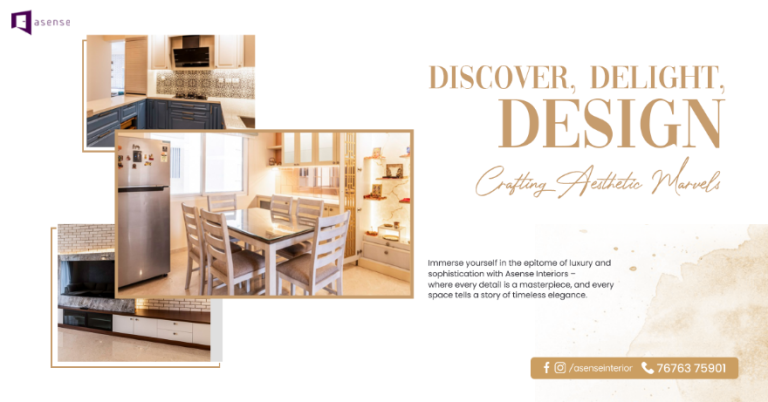
Parallel kitchens offer a perfect blend of efficiency and elegance, making them a top choice for both small and large cooking areas. This layout features two parallel countertops with a central walkway, optimizing space and enhancing workflow. In this blog, we’ll explore the various benefits of parallel kitchens, including their efficient space utilization, simplified workflow, and innovative storage solutions. We’ll also dive into different design options, from classic layouts to modern styles with high-tech appliances and stylish glass cabinets. Discover how Asense Interiors can help you create a parallel kitchen that perfectly balances functionality with aesthetic appeal, turning your cooking space into a dream environment.

What Is a Parallel Kitchen?

A parallel or galley kitchen features two parallel countertops connected by a central walkway for maximum space usage in smaller kitchens. This layout provides an efficient work space that enhances the cooking experience by seamlessly transitioning between different zones for seamless cooking experiences.

Parallel Kitchen Designs Are Beneficial in Many Ways

1. Efficient Space Utilization 

A parallel kitchen’s key advantage lies in its effective utilization of space. By placing countertops and storage units along opposite walls, this layout makes maximum use of available kitchen area – an invaluable advantage in homes where space is at a premium. Asense Interiors, renowned among interior designers in Bangalore, specializes in creating parallel kitchen designs that maximize every inch, ensuring functional and spacious cooking environments.

2. Simplified Workflow

An efficient kitchen layout relies on placing essential elements, like the sink, stove and refrigerator close together for maximum productivity.This arrangement minimizes how far you must travel while cooking for meal preparation purposes – speeding up meal preparation time significantly while decreasing clutter levels for easier utensil and ingredient access and increasing overall kitchen efficiency.

3. Improved Storage Solutions

Parallel kitchen designs provide ample storage options due to the vertical space available on either side. By integrating overhead cabinets, shelves, drawers with intelligent solutions like pull-out pantry shelves and corner cabinets into parallel kitchen designs, efficient storage is achieved while keeping countertops clutter-free. At Asense Interiors we specialize in tailoring storage solutions specifically tailored for each client in order to achieve maximum efficiency and organization in each parallel kitchen design project.

1. Classic Parallel Kitchen Layout

The classic parallel kitchen design comprises two parallel countertops connected by a central walkway. Ideal for homeowners who prioritize functionality in their kitchen space, with ample storage and workspace on either side for efficient meal prep and cooking – it remains timeless while appealing to various styles and preferences.

2. Parallel Kitchen with Breakfast Counter

For those who enjoy casual meals in their kitchen, a parallel kitchen with a breakfast counter may be an ideal choice. This design incorporates an extended countertop or small island on one side for quick meals and informal dining; not only will this improve functionality of your kitchen but it can also create an intimate setting perfect for family gatherings and socializing.

3. Modern Parallel Kitchen Designs

If you prefer modern design, consider a contemporary parallel kitchen. This layout boasts sleek countertops, minimal cabinetry and top-of-the-line appliances – plus modern materials like quartz or granite countertops add sophistication and flair. Asense Interiors in Bangalore can help you realize a stylish and functional contemporary parallel kitchen that reflects your individual taste.

4. Kitchen Interior Designs With Glass Cabinets

Glass cabinets add elegance and visual interest to a parallel kitchen design, showcasing your kitchenware while creating an open feeling in the space. They work great in both traditional and modern kitchen designs alike – providing a stylish way to display favorite dishes while adding value to the overall aesthetic of the space.

5. Parallel Kitchen with High-Tech Appliances

Integrating high-tech appliances into your parallel kitchen design can add functionality and efficiency. Features like smart ovens, touch-control faucets and built-in coffee makers can streamline your cooking process while adding modern flair. Asense Interiors has extensive experience integrating these advanced elements into parallel kitchen designs in order to meet contemporary living demands.

6. Parallel Kitchen with Island or Bar Seating

Add an island or bar seating to your parallel kitchen for an incredibly versatile space. An island can serve as additional counter space, storage and a casual dining area; its versatility will not only enhance its functionality but also create a place for socialization and family interaction – making this combination of practicality and style a popular choice among modern homeowners.

Selecting an Appropriate Parallel Kitchen Design

When selecting the appropriate parallel kitchen design for your home, it is crucial to take into account its layout, cooking habits and personal style. Asense Interiors’ expert home interior designers in Bangalore can guide you through the selection process so you get exactly the best kitchen for you – from initial consultations through installation – they ensure it aligns with your vision while enriching the living space.

Conclusion 

An expertly designed parallel kitchen can transform your cooking space into an efficient and stylish area. By taking advantage of smart storage solutions, streamlined workflows, and modern design features, you can design a space to meet all of your needs. Asense Interiors in HSR Layout and Whitefield specialize in exceptional interior design services including providing exceptional parallel kitchen designs.

Contact our teams in HSR Layout or Whitefield to create the kitchen of your dreams. Discover how expert interior designers in Bangalore can enhance your space with both functionality and style. Trust Asense Interiors, the top home interior designers in Bangalore, for professional guidance and exceptional results.

Dealing with broken glass in your home or vehicle can be a stressful experience. Whether it’s a cracked window, a shattered mirror, or a chipped windshield, the situation requires prompt attention to prevent further damage. While professional glass repair is often necessary, there are steps you can take to mitigate the problem until an expert addresses it.

  1. Assess the damage and ensure safety

The first step in handling glass damage is to assess the situation carefully. Determine the extent of the damage and ensure that the area is safe for you and others. If there loose shards or pieces of glass, exercise extreme caution. Wear protective gloves and closed-toe shoes when approaching the damaged area. If the broken glass is in a high-traffic location, consider cordoning it off to prevent accidents.

  1. Clean up safely

If it’s safe, carefully clean up any loose glass fragments. Use a broom and dustpan for larger pieces and a vacuum cleaner for smaller shards. Be thorough in your cleanup, as tiny glass particles can be easily overlooked and pose a risk of injury. For delicate surfaces like carpets or upholstery, use tape to pick up small glass pieces the vacuum might miss.

  1. Temporary sealing solutions

While awaiting professional glass repair, sealing the damaged area is crucial to prevent further issues.

  • Clear packing tape- For small cracks or chips, apply clear packing tape over the damaged area. This helps prevent the crack from spreading and keep out moisture and debris.
  • Plastic sheeting- Using heavy-duty plastic sheeting for larger damaged areas, such as broken windows. Cut the plastic to size, covering the entire damaged area with some overlap. Secure it tightly with duct tape or strong adhesive tape.
  • Cardboard or plywood- For more substantial protection, especially in cases of wholly shattered glass, considers covering the opening with cardboard or plywood. This method provides better insulation and security.
  1. Prevent water damage

If the damaged glass is exposed to the elements, protecting against water intrusion is vital. Water causes significant additional damage to your property. Ensure that your temporary sealing solution is waterproof. Using plastic sheeting, create a slight slope so water runs off rather than pooling. For vehicle glass damage, consider using a car cover or parking in a garage if possible.

  1. Maintain proper ventilation

While sealing the damaged area is essential, be mindful of ventilation, especially for indoor spaces. Proper air circulation helps prevent moisture build-up, which leads to mould and mildew problems. If you’ve sealed a window, try to maintain airflow through other means, such as opening doors or using fans.

  1. Document the damage

Before applying any temporary fixes, photograph the damage from multiple angles. This documentation will be helpful for insurance claims and will assist the glass repair professionals in assessing the situation before they arrive.

  1. Choose a reputable glass repair service

When selecting a glass repair service, opt for a reputable company with experience handling your type of glass damage. Look for specialised Glass Repair Sydney services if you’re in Sydney. These local experts understand the region’s unique challenges and provide prompt, professional assistance.

  1. Prepare for the repair

Prepare the area for the technicians once you’ve scheduled your glass repair. Clear the space around the damaged glass, inside and outside, if applicable. This allows the repair team to work efficiently and safely. If the repair is for a vehicle, ensure it’s easily accessible.

While awaiting glass repair, it’s an excellent time to consider long-term solutions to prevent future damage. This might include installing protective films on windows, upgrading to more durable glass types, or addressing underlying issues that may have contributed to the damage.

Sheepskin rugs are a timeless addition to any home, offering both aesthetic appeal and practical benefits. Whether you’re looking to add a touch of luxury or a cosy accent to your living space, sheepskin rugs are a versatile choice. In this guide, we’ll explore the many benefits of sheepskin rugs, provide care instructions to keep them looking their best, and offer styling tips to seamlessly incorporate them into your home decor.

Benefits of Sheepskin Rugs

Natural and Hypoallergenic

Sheepskin rugs are made from natural materials, making them an excellent choice for those who suffer from allergies. Wool fibres naturally repel dust mites, mildew, and mould, contributing to a healthier indoor environment.

Inexpensive and Versatile

Contrary to what you might think, sheepskin rugs are quite affordable. They come in a variety of sizes and colours, allowing you to find the perfect match for any room’s decor. Whether you prefer a classic white or a more vibrant hue, there’s a sheepskin rug to suit your taste.

Soft and Luxurious

One of the most notable features of sheepskin rugs is their unparalleled softness. The wool fibres provide a plush, cushioned surface that feels luxurious underfoot. This makes sheepskin rugs an ideal choice for spaces where comfort is paramount, such as bedrooms and living rooms.
How to Care for Sheepskin Rugs

Sheepskin rugs are relatively easy to maintain, but they do require some special care to keep them looking their best. Here are some tips to help you care for your sheepskin rug:

Regular Maintenance

  • Shake Out or Vacuum: Regularly shake out or vacuum the rug to remove loose dirt and dust. Use a vacuum attachment specifically designed for delicate surfaces to avoid damaging the wool.
  • Brush the Wool: Use a wire brush to maintain the softness and fluffiness of the wool. This helps to prevent matting and keeps the fibres looking fresh.

Cleaning Tips

  • Spot Clean: For minor spills, spot clean with a damp cloth and mild detergent. Avoid using harsh chemicals or cleaners, as they can damage the natural fibres.
  • Avoid Sunlight and Heat: Keep the rug out of direct sunlight and away from high heat sources, which can dry out the natural oils in the wool and cause it to become brittle.
  • Professional Cleaning: For larger spills or stains, it’s best to have the rug professionally cleaned to avoid any damage to the wool.

Storage

  • Store Properly: When not in use, store the rug in a cool, dry place. Consider using a moth repellent if you plan to store it for an extended period.

Styling Tips for Sheepskin Rugs

Sheepskin rugs can be a versatile addition to any room, offering both style and function. Here are some creative ways to incorporate sheepskin rugs into your home decor:

Living Room

  • Cozy Accent: Drape a sheepskin rug over a chair or sofa to add a touch of warmth and luxury.
  • Layering: Create an interesting, textured look by layering your sheepskin rug with other rugs in the living room.

Bedroom

  • Inviting Area: Place a sheepskin rug beside the bed for a soft and inviting area to step onto in the morning.
  • Decorative Throw: Drape the rug over the foot of the bed for a luxurious touch.

Nurseries

  • Play Surface: Sheepskin rugs provide a soft, natural surface for babies to play on and can add a stylish element to the nursery decor.

Casual Spaces

  • Bench or Couch Throw: For a more casual look, drape a sheepskin rug over a bench or use it as a throw on the back of a couch.

Unexpected Places

  • Wall Hanging: Consider hanging a sheepskin rug on the wall as a cosy, textured piece of art. This can be a unique way to add warmth and character to a room.

Conclusion

Sheepskin rugs offer a combination of beauty, comfort, and practicality that makes them a valuable addition to any home. With the right care, they can provide years of enjoyment and elevate the style of various spaces. Ready to add a touch of luxury to your home? Explore a reputable sheepskin rug retailer and find the perfect piece to complement your decor.

In modern construction, innovation and efficiency are key to achieving durable and aesthetically pleasing structures. One such innovation that has gained popularity is the use of shotcrete walls. This method offers numerous benefits, making it an excellent choice for various building projects. In this article, we will explore the advantages of using shotcrete walls, with a particular focus on their application in Melbourne.

What Are Shotcrete Walls?

Shotcrete is a form of concrete that is sprayed onto surfaces at high velocity through a hose. The mixture can be applied either wet or dry, depending on the specific requirements of the project. Shotcrete walls are created by spraying this mixture onto a framework or directly onto a surface, forming a dense and sturdy wall. This technique is highly versatile and can be used for both structural and decorative purposes.

Enhanced Durability and Strength

High Compressive Strength

One of the primary advantages of shotcrete walls is their exceptional compressive strength. The high-velocity application compacts the concrete more densely than traditional methods, resulting in a stronger and more durable wall. This makes shotcrete walls particularly suitable for load-bearing structures and retaining walls, ensuring long-term stability and performance.

Resistance to Environmental Conditions

Shotcrete walls offer excellent resistance to various environmental conditions, including water, wind, and temperature fluctuations. This durability is particularly beneficial in Melbourne, where weather conditions can vary significantly. The dense, impermeable nature of shotcrete prevents water infiltration and protects the structure from freeze-thaw cycles, reducing the risk of cracking and deterioration.

Versatility and Flexibility

Adaptability to Complex Shapes

Shotcrete’s ability to conform to complex shapes and surfaces is a significant advantage in construction projects. Unlike traditional concrete pouring methods, shotcrete can be easily applied to curved, irregular, or vertical surfaces without the need for extensive formwork. This flexibility allows for innovative architectural designs and efficient construction of structures that would be challenging to achieve with conventional methods.

Wide Range of Applications

Shotcrete walls are used in a variety of building projects, from residential and commercial buildings to infrastructure and landscaping. In Melbourne, shotcrete walls are commonly employed for basement construction, swimming pools, retaining walls, tunnels, and slope stabilisation. This versatility makes shotcrete an attractive option for many different types of projects.

Efficient Construction Process

Reduced Construction Time

The shotcrete process is faster than traditional concrete placement methods. The high-velocity spraying technique allows for rapid application, reducing the overall construction time. This efficiency is particularly advantageous for projects with tight deadlines or those requiring quick completion, such as infrastructure repairs or emergency stabilisation work.

Minimal Formwork Requirements

Shotcrete walls require less formwork compared to conventional concrete walls. The reduction in formwork not only speeds up the construction process but also lowers the cost of materials and labour. In Melbourne, where labour costs can be significant, this advantage makes shotcrete a cost-effective solution for many building projects.

Cost-Effectiveness

Lower Material and Labour Costs

The reduced need for formwork and the speed of application contribute to lower material and labour costs. Additionally, the precise control of the shotcrete mixture minimises waste, further enhancing cost efficiency. For projects in Melbourne, where construction costs can be high, shotcrete walls offer a budget-friendly alternative without compromising on quality.

Long-Term Savings

The durability and low maintenance requirements of shotcrete walls result in long-term savings. The high resistance to environmental conditions and wear and tear means that shotcrete structures require fewer repairs and less frequent maintenance. This longevity translates into cost savings over the life of the structure, making shotcrete a wise investment.

Aesthetic Appeal

Smooth and Uniform Finish

Shotcrete walls can be finished with a smooth and uniform surface, providing an aesthetically pleasing appearance. This finish can be further enhanced with various textures, colours, and coatings to match the design requirements of the project. In Melbourne, where architectural aesthetics are highly valued, shotcrete offers a versatile solution for creating visually appealing structures.

Customisation Options

The flexibility of shotcrete allows for a wide range of customisation options. Designers can incorporate intricate details and patterns into the walls, creating unique and personalised structures. This level of customisation is ideal for projects that require a distinctive look, such as public spaces, commercial buildings, and luxury residences.

Environmental Benefits

Reduced Environmental Impact

Shotcrete construction has a lower environmental impact compared to traditional methods. The reduced need for formwork and the efficient use of materials minimise waste and resource consumption. Additionally, the durability and long lifespan of shotcrete structures reduce the need for frequent repairs and replacements, further lowering the environmental footprint.

Sustainable Construction Practices

In Melbourne, where sustainability is increasingly important, shotcrete walls align with green building practices. The ability to use locally sourced materials and the potential for incorporating recycled content into the shotcrete mixture contribute to sustainable construction efforts. This makes shotcrete an environmentally friendly choice for modern building projects.

Conclusion

The advantages of using shotcrete walls in building projects are numerous, from enhanced durability and strength to cost-effectiveness and aesthetic appeal. The versatility and efficiency of shotcrete make it an ideal choice for various applications, particularly in a dynamic and diverse city like Melbourne. By opting for shotcrete walls Melbourne, builders and architects can benefit from a reliable, flexible, and sustainable construction method that meets the demands of contemporary design and construction. Whether for residential, commercial, or infrastructure projects, shotcrete offers a robust solution that stands the test of time.


In the realm of construction, the stability and longevity of a structure begin with its foundation. One of the critical components of a building’s foundation is its footing. Properly designed footings are essential for distributing the weight of the structure to the ground and ensuring that the building stands firm against various stresses and environmental factors. This is where professional footing design services come into play, offering expertise and precision that are vital for the success of any construction project.

Understanding Footing Design

Footings are the structural elements that transfer the load from the building to the ground. They are typically made of concrete and are placed below the foundation walls, columns, or other load-bearing structures. The design of footings must consider several factors, including the type of soil, the load-bearing capacity of the ground, the weight of the structure, and environmental conditions such as seismic activity or frost heave.

Footing design is not a one-size-fits-all solution; it requires a tailored approach that takes into account the unique characteristics of each construction site. This is why professional footing design services are essential. These services provide the expertise needed to create a foundation that is not only robust and durable but also cost-effective and compliant with local building codes.

The Role of Professional Footing Design Services

Expertise and Experience

Professional footing design services are provided by engineers and designers who have extensive knowledge and experience in the field of structural engineering. They understand the complexities involved in footing design and can make informed decisions about the type and size of footings required for a specific project. Their expertise ensures that the footings are designed to handle the expected loads and stresses, reducing the risk of foundation failure.

Soil Analysis

A critical aspect of footing design is soil analysis. Different types of soil have varying load-bearing capacities, and some soils may require special considerations such as soil stabilisation or deep foundations. Professional footing design services include thorough soil testing and analysis to determine the best approach for each site. This ensures that the footings are designed to work with the existing soil conditions, providing a stable and secure foundation.

Compliance with Building Codes

Building codes and regulations are in place to ensure the safety and integrity of structures. Professional footing design services ensure that the footings are designed in compliance with these codes. This not only helps in avoiding legal issues but also ensures that the structure is safe for occupancy. Engineers stay up-to-date with the latest building codes and standards, incorporating them into their designs.

Customised Solutions

Every construction project is unique, and so are its footing requirements. Professional footing design services offer customised solutions that are tailored to the specific needs of each project. Whether it’s a residential building, commercial structure, or industrial facility, these services can design footings that meet the specific requirements and constraints of the project, ensuring optimal performance and cost-efficiency.

Advanced Technology

Modern footing design services utilise advanced technology and software to create precise and efficient designs. Computer-aided design (CAD) software allows engineers to model footings in three dimensions, analyse their performance under different conditions, and make adjustments as needed. This technology enhances the accuracy and reliability of footing designs, reducing the likelihood of errors and improving overall project outcomes.

Benefits of Professional Footing Design Services

Enhanced Structural Integrity

The primary benefit of professional footing design services is enhanced structural integrity. Properly designed footings distribute the load of the structure evenly to the ground, preventing issues such as settling, cracking, or even collapse. This ensures the long-term stability and safety of the building.

Cost Savings

While hiring professional footing design services may seem like an additional expense, it can actually lead to significant cost savings in the long run. Well-designed footings reduce the risk of foundation problems that can be costly to repair. Additionally, efficient footing designs can minimise the amount of materials needed, reducing construction costs.

Time Efficiency

Professional footing design services can expedite the construction process. With accurate and reliable footing designs in place, construction crews can work more efficiently, reducing delays and ensuring that the project stays on schedule. This is particularly important for large-scale projects where time is a critical factor.

Peace of Mind

Finally, professional footing design services provide peace of mind. Knowing that the foundation of your building has been designed by experts gives you confidence in the safety and durability of the structure. This peace of mind is invaluable, especially for large investments in construction projects.

Conclusion

In conclusion, professional footing design services are a crucial component of any successful construction project. They provide the expertise, precision, and customised solutions needed to create strong and stable foundations. By ensuring compliance with building codes and utilising advanced technology, these services enhance the structural integrity of buildings, save costs, and improve overall project efficiency. For anyone involved in construction, investing in professional footing design services is a decision that pays off in the long term, ensuring the safety and longevity of the structure.


A productive home office needs to blend comfort with efficiency, ensuring that your environment fosters focus and creativity. Here’s a guide to essential elements that will help you design a workspace that suits your needs:

1. Ergonomic furniture

Desk: choose a desk that’s large enough to hold your computer, accessories, and paperwork while leaving room for writing and other tasks. If possible, consider an adjustable standing desk to alternate between sitting and standing.

Chair: invest in an ergonomic chair that provides lumbar support, is height-adjustable, and has armrests. This will minimize back strain and support good posture throughout long working hours.

2. Proper lighting

Natural light: position your desk near a window to benefit from natural light. This reduces eye strain and enhances mood.

Task lighting: add a desk lamp that provides focused, adjustable light for reading, writing, or typing. Look for lamps with adjustable brightness and color temperatures.

Ambient lighting: use overhead or wall-mounted lights to provide balanced illumination across the room. Avoid harsh, direct lighting that creates glare on screens.

3. Organizational tools

Storage solutions: file cabinets, shelves, and storage bins help keep paperwork and supplies organized. Choose compact storage that fits under desks or wall-mounted shelves to save space.

Cable management: organize cables and wires using cable clips, sleeves, or under-desk trays to keep them out of sight and avoid tripping hazards.

Desktop organizers: use pen holders, document trays, and small boxes for immediate desk items like stationery, notepads, or office supplies.

4. Technology setup

Monitor and keyboard: position your monitor at eye level to avoid neck strain. An external keyboard and mouse can improve posture and productivity.

Headphones: noise-canceling headphones or headsets can block distractions, helping you concentrate during meetings or focused tasks.

Internet connectivity: ensure a stable internet connection with a high-speed router and wired connections to your computer for uninterrupted virtual meetings.

5. Personal touches

Plants and artwork: indoor plants and inspiring artwork can make the space feel more welcoming and add a touch of nature.

Family photos: personal photos or sentimental objects help you feel grounded and connected, adding warmth to your workspace.

6. Break area

Seating: create a small lounge area with a comfortable chair or couch where you can relax during breaks.

Refreshments: consider a small coffee station or water dispenser nearby to stay hydrated and energized without leaving the workspace.

Conclusion

Creating a home office that combines ergonomic furniture, good lighting, organization, and personalized decor will boost your productivity and comfort. Remember to invest in essentials like a supportive chair and proper lighting while incorporating personal touches that make the space uniquely yours. With the right setup, your home office can become a haven for focused work and creativity.


Hardscaping is a significant aspect of landscape design that involves the use of non-living elements such as stone, wood, concrete, and metal. These elements are crucial in creating structure, functionality, and aesthetic appeal in outdoor spaces. 

For businesses in the landscaping industry, understanding the essentials of hardscaping can open pathways to increased profitability. Here are seven essential points to guide you toward hardscaping success.

1. Understanding Hardscaping Basics

Hardscaping refers to the integration of non-plant elements into landscape design. It includes features like patios, walkways, retaining walls, and outdoor kitchens. These elements provide structure to the landscape and enhance its usability. 

For instance, a well-designed patio can transform a backyard into an outdoor living space, while walkways ensure easy navigation. Mastering the basics of hardscaping is crucial for creating functional and attractive landscapes that meet client’s needs and increase business revenue.

2. Importance of Quality Materials

The choice of materials in hardscaping significantly affects the durability and appearance of the final project. High-quality materials ensure longevity and reduce maintenance costs, which can be a selling point when promoting your services. 

Using natural stone for patios and walkways can provide a timeless look and withstand weather conditions better than cheaper alternatives. Investing in quality materials not only satisfies clients but also enhances your reputation as a reliable service provider.

3. Design with Purpose

Every hardscaping project should have a clear purpose and design. Whether it’s creating a serene garden path or an elaborate outdoor entertainment area, the design should align with the client’s lifestyle and preferences. 

Effective hardscaping design considers factors such as the layout of the property, the intended use of the space, and aesthetic preferences. A well-thought-out design can increase property value, making it an attractive feature for those considering selling their rental property.

4. Proper Installation Techniques

Proper installation is critical to the success of any hardscaping project. This involves understanding soil conditions, drainage, and the correct methods for laying materials. 

Ensuring proper base preparation and compaction is essential for the stability of features like patios and retaining walls. Skilled installation prevents issues such as shifting or cracking, which can lead to costly repairs. Mastery of installation techniques ensures long-lasting results and client satisfaction.

5. Sustainable Practices

Incorporating sustainable practices in hardscaping is becoming increasingly important. This includes using eco-friendly materials, implementing water-efficient designs, and integrating permeable surfaces to reduce runoff. Sustainable hardscaping not only benefits the environment but also appeals to eco-conscious clients. 

For example, permeable pavers allow rainwater to filter through the ground, reducing erosion and replenishing groundwater supplies. Promoting sustainability can differentiate your business and attract a broader client base.

6. Maintenance Considerations

Understanding the maintenance requirements of different hardscaping elements is essential for advising clients and ensuring their satisfaction. Some materials and designs need more maintenance than others. Natural stone may need sealing to prevent staining, while wood features might require regular treatments to resist weathering. 

Providing clients with a maintenance plan helps them keep their outdoor spaces looking pristine and prolongs the life of the hardscape elements, enhancing your reputation as a thorough and caring service provider.

7. Marketing Your Hardscaping Services

Effective marketing is crucial for attracting clients and growing your hardscaping business. Highlighting successful projects through before-and-after photos, client testimonials, and showcasing your expertise in quality materials and sustainable practices can attract potential clients. 

Additionally, leveraging social media platforms and creating informative content about the benefits and processes of hardscaping can increase your visibility. A strong marketing strategy can position your business as a leader in the hardscaping industry, leading to increased profits.

Conclusion

Hardscaping offers numerous opportunities for landscaping businesses to enhance their services and increase profitability. By understanding the basics, choosing quality materials, designing with purpose, using proper installation techniques, incorporating sustainable practices, considering maintenance, and effectively marketing your services, you can provide exceptional value to your clients. 

These essentials form the foundation for creating functional, attractive, and durable outdoor spaces that satisfy clients and boost your business’s success. Embrace these hardscaping essentials to pave the way for a thriving and profitable enterprise.


Retaining walls are not just structural elements; they are the backbone of captivating landscapes, offering both aesthetic appeal and functional benefits. Whether you’re seeking to level uneven terrain, prevent soil erosion, or create stunning tiered gardens, retaining walls play a pivotal role in transforming outdoor spaces. In this comprehensive guide, we delve into the world of retaining walls landscaping, exploring their diverse applications, design considerations, installation techniques, and maintenance tips to help you craft a landscape that’s as enduring as it is enchanting.

The Importance of Retaining Walls in Landscaping:

Retaining walls serve as versatile solutions for addressing various landscaping challenges while enhancing the overall beauty and functionality of outdoor spaces. Here’s why they are indispensable elements of landscape design:

  1. Erosion Control: One of the primary functions of retaining walls is to prevent soil erosion on sloped terrain. By holding back soil and redirecting water runoff, retaining walls help maintain the integrity of landscapes, protecting against landslides and preserving the structural integrity of adjacent structures.
  2. Leveling and Terracing: Retaining walls are instrumental in transforming uneven terrain into usable space. Whether you’re dealing with a steep slope or a multi-level property, strategically placed retaining walls can create flat, terraced areas for gardens, patios, or seating areas, maximizing the usability and visual appeal of your landscape.
  3. Visual Enhancement: Beyond their practical utility, retaining walls add dimension, texture, and visual interest to outdoor environments. From rustic stone walls to sleek modern designs, the aesthetic versatility of retaining walls allows you to complement your landscape’s style and elevate its overall aesthetic appeal.

Design Considerations for Retaining Walls:

When incorporating retaining walls into your landscape design, several key factors should inform your decision-making process:

  1. Material Selection: Retaining walls can be constructed using various materials, including natural stone, concrete blocks, timber, and brick. Consider factors such as durability, aesthetics, cost, and compatibility with your landscape’s style when choosing the appropriate material for your project.
  2. Height and Scale: The height and scale of your retaining walls should be proportionate to the surrounding landscape and the degree of slope they are intended to address. Taller walls may require engineering and drainage considerations to ensure stability and prevent failure.
  3. Drainage and Backfill: Proper drainage is essential for the longevity and effectiveness of retaining walls. Incorporate drainage systems, such as weep holes, gravel backfill, and perforated pipes, to alleviate hydrostatic pressure and prevent water buildup behind the walls.

Installation Techniques for Retaining Walls:

While the installation of retaining walls may vary depending on factors such as soil conditions, wall height, and material choice, the following general guidelines apply:

  1. Site Preparation: Begin by excavating the area and ensuring a level base for the first course of retaining wall blocks or stones. Compact the soil and add a layer of gravel for improved drainage.
  2. Base and Footing: Install a sturdy base or footing beneath the first course of retaining wall blocks to provide stability and distribute weight evenly. Use a level and a string line to ensure proper alignment and uniformity.
  3. Construction and Backfilling: Assemble the retaining wall blocks or stones according to the manufacturer’s instructions, interlocking them securely to create a stable structure. Backfill behind the wall with gravel or crushed stone, compacting each layer to prevent settlement and improve drainage.

Maintenance Tips for Retaining Walls:

To preserve the beauty and functionality of your retaining walls landscaping, follow these maintenance guidelines:

  1. Regular Inspection: Periodically inspect your retaining walls for signs of damage, such as cracks, bulging, or soil erosion. Address any issues promptly to prevent further deterioration.
  2. Vegetation Management: Monitor vegetation growth around the retaining walls and trim back any roots or overhanging foliage that could compromise structural integrity or impede drainage.
  3. Drainage Maintenance: Keep drainage systems clear of debris and sediment to ensure optimal water flow away from the walls. Clean out weep holes and inspect drainage pipes for clogs or damage.

Conclusion:

Retaining walls landscaping are indispensable assets, offering both structural support and aesthetic enhancement to outdoor environments. By understanding their importance, considering design factors, employing proper installation techniques, and adhering to maintenance best practices, you can create captivating landscapes that endure the test of time. So, whether you’re terracing a hillside, defining garden beds, or adding visual interest to your outdoor space, let retaining walls be the cornerstone of your landscape masterpiece.

In today’s fast-paced world, the last thing anyone wants is to deal with a malfunctioning appliance, especially when it’s a high-end brand like Sub-Zero. When your Sub-Zero appliance breaks down, you need a solution fast. That’s where same-day Sub-Zero appliance repair services come in. In this comprehensive guide, we’ll explore everything you need to know about same-day Sub-Zero appliance repair, including why it’s essential, common issues, and how to find the best service provider.

Why Same-Day Sub-Zero Appliance Repair is Essential:

Sub-Zero appliances are known for their superior quality and durability. However, like any other appliance, they are not immune to malfunctions. When your Sub-Zero refrigerator, freezer, or wine cooler stops working, it can disrupt your daily routine and potentially lead to food spoilage and other inconveniences.

That’s why same-day Sub-Zero appliance repair is crucial. Unlike traditional repair services that may take days or even weeks to schedule an appointment, same-day repair services offer immediate assistance, helping you get your appliance back up and running in no time.

Common Same-Day Sub-Zero Appliance Repair Issues:

  1. Temperature Control Problems: Sub-Zero appliances are designed to maintain precise temperature levels. However, issues with temperature control can arise, leading to food spoilage and other complications.
  2. Condensation or Frost Build-Up: Excessive condensation or frost build-up inside the appliance can indicate a problem with the seals, gaskets, or defrost system.
  3. Unusual Noises: Strange noises coming from your Sub-Zero appliance could be a sign of various issues, including a malfunctioning compressor or fan motor.
  4. Water Leaks: Water pooling around your appliance could indicate a clogged drain, damaged water line, or other issues.
  5. Ice Maker Malfunctions: If your Sub-Zero refrigerator or freezer has an ice maker, issues such as failure to produce ice or producing malformed ice cubes may occur.

Choosing the Right Same-Day Sub-Zero Appliance Repair Service:

When it comes to same-day Sub-Zero appliance repair, choosing the right appliance service provider is essential. Here are a few factors to consider:

  1. Experience and Expertise: Look for a repair service with extensive experience and expertise in repairing Sub-Zero appliances specifically.
  2. Same-Day Service Guarantee: Ensure that the repair service offers guaranteed same-day appointments, so you don’t have to wait days for a repair technician to arrive.
  3. Genuine Parts: A reputable repair service will use only genuine Sub-Zero replacement parts to ensure the quality and longevity of your appliance.
  4. Customer Reviews and Reputation: Check online reviews and ask for recommendations to ensure that you’re choosing a reliable and trustworthy repair service.
  5. Warranty and Guarantee: A reliable repair service will offer warranties and guarantees on their work, giving you peace of mind knowing that your appliance is in good hands.

Conclusion:

When your Sub-Zero appliance breaks down, you need a solution fast. Same-day Sub-Zero appliance repair services offer immediate assistance, helping you get your appliance back up and running in no time. By choosing the right repair service, you can ensure that your Sub-Zero appliance is repaired quickly and effectively, minimizing downtime and inconvenience.