Author

John

Browsing

Antique furniture has a unique charm that cannot be replicated by modern pieces. However, with age comes fragility, and improper cleaning can damage the delicate finish and restore. Here are some tips to clean your antique furniture while preserving its beauty and value:

1. Dusting

Dust your antique furniture regularly with a soft, lint-free cloth. Avoid using a feather duster as it can scratch the surface. If you need to clean hard-to-reach areas, use a soft-bristled brush. Be gentle when dusting intricate carvings and moldings to avoid breakage.

2. Cleaning

Cleaning

When it comes to cleaning antique furniture, less is more. Use a mild solution of water and dish soap to clean the surface. Avoid using abrasive cleaners or chemicals as they can damage the finish. Test the solution on a small, inconspicuous area before applying it to the entire piece.

3. Removing Stains

If your antique furniture has stains, try removing them with a mixture of baking soda and water. Make a paste and apply it to the stain, then let it sit for a few minutes before wiping it away with a damp cloth. Be careful not to scrub too hard as it can damage the finish.

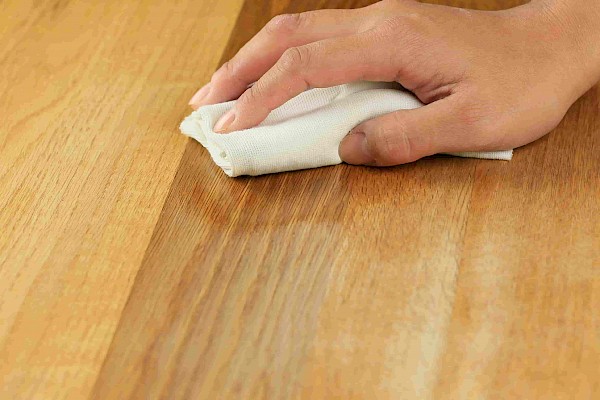
4. Polishing

Polishing

Polishing your antique furniture can restore its luster and shine. Use a high-quality furniture polish that is specifically designed for antique furniture. Apply a small amount to a soft cloth and rub it onto the surface in a circular motion. Do not over-polish as it can cause a buildup that can damage the finish.

5. Protecting

To protect your antique furniture, avoid placing it in direct sunlight or near heat sources such as radiators or fireplaces. Use coasters and placemats to prevent water rings and stains. If you need to move your antique furniture, lift it instead of dragging it across the floor.

Cleaning antique furniture requires patience and care, but the results are worth it. By following these tips, you can preserve the beauty and value of your heirlooms for generations to come.

Antiques are a timeless addition to any home decor. They add character, history and a sense of uniqueness that is unmatched by modern furnishings. However, incorporating antiques into modern decor can be a daunting task. It requires balancing the old and the new, and ensuring that the two styles complement each other.

Here are some tips for incorporating antiques into modern decor:

  • Start small
  • Choose a focal point
  • Pair antiques with modern pieces
  • Consider the color palette
  • Think outside the box

Start Small

When incorporating antiques into modern decor, it’s best to start small. Begin with one or two antique pieces and gradually add more as you become more comfortable with the style. This will help you avoid overwhelming your space or creating a cluttered look.

Choose a Focal Point

When incorporating antiques into modern decor, it’s important to choose a focal point. This could be a statement piece, such as an antique rug, or a collection of smaller antique items displayed on a shelf. By choosing a focal point, you can build your decor around it and ensure that your antique pieces are showcased in the best possible way.

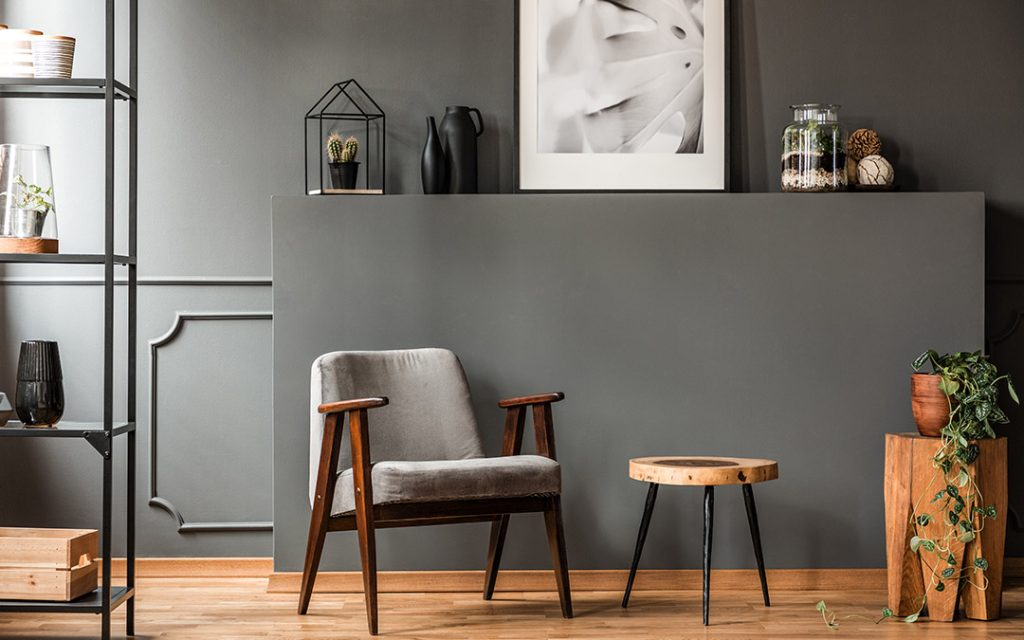
Pair Antiques with Modern Pieces

Pair Antiques with Modern Pieces

When incorporating antiques into modern decor, it’s important to pair them with modern pieces. This creates a balance between old and new and ensures that your space doesn’t look dated. For example, you could pair an antique wooden table with modern chairs, or display an antique vase on a modern bookshelf.

Consider the Color Palette

When incorporating antiques into modern decor, it’s important to consider the color palette. Antiques often have a patina or a vintage look, which can clash with modern colors. To avoid this, try to incorporate antique pieces that have a similar color palette to your modern decor. For example, if your walls are painted in a soft blue, consider incorporating antique pieces in shades of blue or green.

Think Outside the Box

When incorporating antiques into modern decor, it’s important to think outside the box. Don’t be afraid to experiment with different styles and combinations. For example, you could use an antique trunk as a coffee table, or hang an antique mirror above a modern sofa. The key is to have fun and create a space that reflects your personality and style.

Incorporating antiques into modern decor is a blend of old and new. It requires balancing the two styles, choosing a focal point, pairing antiques with modern pieces, considering the color palette, and thinking outside the box. By following these tips, you can create a unique and timeless space that reflects your personality and style.

Have you ever noticed how the color of your walls can affect the way you feel? It’s not just about aesthetics – different hues can have a significant impact on your mood and behavior. In this article, we’ll explore the psychological effects of different wall colors and how they can influence your emotions and thoughts.

Red

Red is a bold and attention-grabbing color that can stimulate the senses and increase energy levels. It’s often associated with passion, excitement, and danger. However, too much red can also be overwhelming and cause feelings of anxiety or aggression. If you want to incorporate red into your walls, consider using it as an accent color rather than the main hue.

Orange

Orange is a warm and cheerful color that can promote feelings of happiness and enthusiasm. It’s often used in spaces like kitchens and dining rooms because it’s believed to stimulate the appetite. However, too much orange can be overwhelming and cause feelings of restlessness or distraction. Consider using a muted shade of orange for a more calming effect.

Yellow

Yellow is a bright and sunny color that can evoke feelings of optimism and positivity. It’s often associated with creativity and intellect, making it a popular choice for home offices or study spaces. However, too much yellow can cause feelings of frustration or anxiety. Consider using a soft shade of yellow for a more soothing effect.

Green

Green is a calming and refreshing color that can promote feelings of relaxation and tranquility. It’s often associated with nature and can be used to create a peaceful atmosphere in any room. However, too much green can be overwhelming and cause feelings of boredom or stagnation. Consider using a mix of different shades of green for a more dynamic effect.

Blue

Blue is a cool and calming color that can promote feelings of serenity and stability. It’s often associated with the ocean and sky, making it a popular choice for bedrooms and bathrooms. However, too much blue can cause feelings of sadness or isolation. Consider using a warm shade of blue for a more welcoming effect.

Purple

Purple is a sophisticated and luxurious color that can promote feelings of creativity and imagination. It’s often associated with royalty and can be used to create a dramatic effect in any room. However, too much purple can be overwhelming and cause feelings of arrogance or self-indulgence. Consider using a soft shade of purple for a more calming effect.

  • Overall, the color of your walls can have a profound impact on your mood and behavior.
  • Red can increase energy levels but also cause feelings of anxiety or aggression.
  • Orange can promote happiness and enthusiasm but also cause feelings of restlessness or distraction.
  • Yellow can evoke feelings of optimism and creativity but also cause feelings of frustration or anxiety.
  • Green can promote relaxation and tranquility but also cause feelings of boredom or stagnation.
  • Blue can promote serenity and stability but also cause feelings of sadness or isolation.
  • Purple can promote creativity and imagination but also cause feelings of arrogance or self-indulgence.

When choosing the color of your walls, it’s important to consider the mood and atmosphere you want to create in your space. Additionally, keep in mind that everyone responds to color differently – what may be calming for one person may be overwhelming for another. Experiment with different hues and shades to find the perfect color for your walls.

Old buildings have a certain charm and character that cannot be replicated in modern constructions. Unfortunately, many of these buildings fall into disrepair and are left to decay. However, with a little effort and creativity, these buildings can be restored and repurposed, giving them a new lease on life.

Benefits of Restoring and Repurposing Old Buildings

Restoring and repurposing old buildings offers numerous benefits, both for the building itself and the surrounding community. Here are some of the advantages:

  • Preservation of history and culture
  • Reduced waste and environmental impact
  • Creative use of space
  • Increased property values for surrounding buildings
  • Revitalization of neglected areas

Examples of Successful Restorations and Repurposings

There are many examples of successful restorations and repurposings of old buildings. Here are just a few:

The High Line, New York City

The High Line is a 1.45-mile-long elevated park built on a former New York Central Railroad spur on the west side of Manhattan. The park was opened in 2009 and has since become a popular destination for tourists and locals alike. The High Line is a great example of how an old structure can be repurposed into something new and beautiful.

The Tate Modern, London

The Tate Modern is a modern art gallery housed in the former Bankside Power Station in London. The power station was built in the 1950s and was decommissioned in 1981. The building was then restored and converted into a gallery, which opened in 2000. The Tate Modern is now one of the most visited modern art galleries in the world.

The Distillery District, Toronto

The Distillery District is a pedestrian-only neighbourhood in Toronto that is home to numerous restaurants, shops, and galleries. The district is located in the former Gooderham and Worts Distillery, which was built in the 19th century. The distillery closed in 1990, and the site was eventually restored and repurposed into the vibrant neighbourhood it is today.

Challenges of Restoring and Repurposing Old Buildings

While restoring and repurposing old buildings can be rewarding, it is not without its challenges. Here are some of the obstacles that may need to be overcome:

  • Structural issues
  • Compliance with building codes and regulations
  • Environmental concerns
  • Costs of restoration and repurposing
  • Resistance from members of the community who may prefer demolition

Restoring and repurposing old buildings is a worthwhile endeavour that can benefit both the building itself and the surrounding community. While it may not be without its challenges, the rewards can be significant. By preserving history and culture, reducing waste, and revitalizing neglected areas, we can create a more sustainable and vibrant future.

Living in a city with limited outdoor space doesn’t mean you can’t have a garden. Vertical gardening is a popular technique that allows urban dwellers to grow plants in a small space. It’s a great solution for those who want to experience the joy of gardening without having to sacrifice their living space. In this article, we’ll explore some space-saving ideas for vertical gardening.

1. Hanging Garden

Hanging gardens are perfect for small apartments or balconies. You can use hanging baskets or containers to create a vertical garden. Hanging baskets come in various sizes and shapes and can be easily hung from a hook or a railing. You can plant herbs, flowers, or vegetables in these baskets. Make sure the containers have drainage holes to prevent waterlogging.

2. Wall Garden

Wall Garden

Wall gardens are a great way to add greenery to a bare wall. You can use a trellis or a vertical garden kit to create a wall garden. These kits come with built-in irrigation systems and are easy to install. You can plant a variety of plants, such as succulents, herbs, or flowers, in a wall garden. Make sure to choose plants that are suitable for the amount of sunlight the wall receives.

3. Pallet Garden

Pallet gardens are an excellent way to upcycle old pallets. You can transform an old pallet into a beautiful garden by adding some soil and plants. You can lean the pallet against a wall or hang it to create a vertical garden. Pallets are perfect for growing herbs, vegetables, or flowers. Make sure to drill some holes in the bottom of the pallet to allow for drainage.

4. Tiered Garden

Tiered gardens are great for those who want to grow a lot of plants in a small space. You can use tiered planters or shelves to create a tiered garden. You can plant a variety of plants, such as herbs, vegetables, or flowers, in these planters. Make sure to place the plants that need the most sunlight on the top tier.

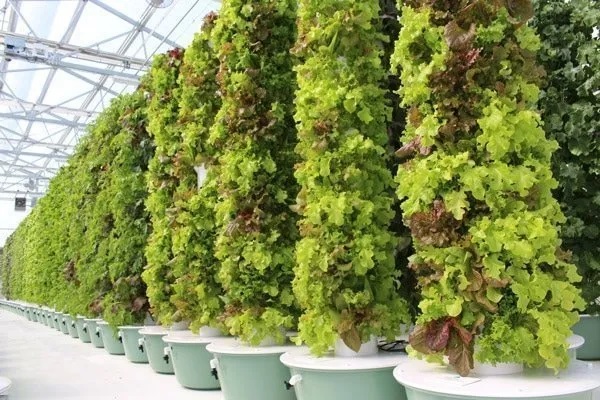
5. Tower Garden

Tower Garden

Tower gardens are perfect for those who want to grow a lot of plants in a small space. Tower gardens are vertical hydroponic systems that allow you to grow plants without soil. They are easy to install and maintain and can be used indoors or outdoors. You can grow a variety of plants, such as lettuce, tomatoes, or strawberries, in a tower garden.

Vertical gardening is a great way to add greenery to a small space. There are many space-saving ideas for vertical gardening, such as hanging gardens, wall gardens, pallet gardens, tiered gardens, and tower gardens. Choose the idea that works best for your space and start gardening today!

Are you tired of using chemical-laden cleaning products that can harm the environment and your health? It’s time to switch to natural cleaning solutions that are not only effective but also eco-friendly. Making your own homemade cleaning products is easy, affordable, and can be customized to your preferences. Here are some natural cleaning solutions you can make at home:

All-Purpose Cleaner

All-Purpose Cleaner

  • 1 cup distilled water
  • 1 cup white vinegar
  • 10 drops essential oil (such as lemon, lavender, or tea tree oil)

Mix all the ingredients in a spray bottle and shake well before each use. This all-purpose cleaner can be used on any surface, including countertops, floors, and windows. Vinegar has natural antibacterial properties, while essential oils add a pleasant scent and have additional cleaning benefits.

Baking Soda Scrub

  • 1/2 cup baking soda
  • 2 tablespoons water

Mix baking soda and water in a bowl to form a paste. Apply the paste to any surface that needs scrubbing, such as sinks, tubs, and stovetops. Use a scrub brush or sponge to work the paste into the surface, then rinse with water. Baking soda is a natural abrasive that can remove tough stains and grime without damaging surfaces.

Glass Cleaner

  • 1 cup distilled water
  • 1/4 cup white vinegar
  • 1 tablespoon cornstarch

Mix all the ingredients in a spray bottle and shake well before each use. Spray the solution onto any glass surface, such as windows or mirrors, and wipe with a clean cloth. Cornstarch helps to prevent streaks and leaves glass surfaces sparkling clean.

Furniture Polish

Furniture Polish

  • 1/4 cup olive oil
  • 1/4 cup white vinegar
  • 10 drops essential oil (such as lemon, lavender, or peppermint oil)

Mix all the ingredients in a spray bottle and shake well before each use. Spray the solution onto any wooden furniture and wipe with a clean cloth. Olive oil nourishes and moisturizes wood, while vinegar helps to remove dirt and grime. Essential oils add a pleasant scent and have additional cleaning benefits.

By using natural cleaning solutions, you can reduce your exposure to harmful chemicals and help to protect the environment. These homemade cleaning products are easy to make, affordable, and can be customized to your preferences. Give them a try and see how effective and eco-friendly they can be!

Painting a room can transform its look and feel, but choosing the right paint finish can be just as important as selecting the color. Different paint finishes have distinct characteristics that can impact the appearance, durability, and maintenance of your walls. In this article, we will explore the various types of paint finishes and guide you on how to choose the right one for each room in your house.

Flat Finish

Flat finish, also known as matte finish, is a popular choice for ceilings and low traffic areas such as bedrooms and dining rooms. It has a smooth and velvety texture with no shine, making it ideal for hiding imperfections on walls. However, flat finish is not very durable and can be difficult to clean. It is not recommended for high traffic areas or rooms with moisture such as bathrooms.

Eggshell Finish

Eggshell Finish

Eggshell finish has a slight sheen that gives walls a soft and subtle glow. It is a versatile finish that is suitable for most rooms in the house, including living rooms, bedrooms, and hallways. Eggshell finish is more durable than flat finish and can withstand light scrubbing, making it a good choice for families with children and pets. However, it may not be the best option for high humidity areas such as bathrooms and kitchens.

Satin Finish

Satin finish has a smooth and glossy appearance that reflects light, giving walls a luxurious and sophisticated look. It is a popular choice for high traffic areas such as hallways, staircases, and living rooms, as it is durable and easy to clean. Satin finish is also resistant to moisture and mildew, making it suitable for bathrooms and kitchens. However, it may highlight imperfections on walls, so it is important to prepare surfaces properly before painting.

Semi-Gloss Finish

Semi-gloss finish has a shiny and reflective surface that creates a sleek and modern look. It is a great option for trim, doors, and cabinets, as it is very durable and easy to wipe clean. Semi-gloss finish is also resistant to moisture and mildew, making it suitable for bathrooms and kitchens. However, it may be too shiny for large walls and may require several coats to achieve a smooth finish.

Glossy Finish

Glossy finish has the highest shine and reflectivity of all paint finishes, creating a bold and dramatic effect on walls. It is a rare choice for walls, as it is generally reserved for accent features such as furniture and decorative elements. Glossy finish is very durable and easy to clean, but it can highlight imperfections and unevenness on walls, so proper preparation is crucial.

Choosing the right paint finish for each room in your house can have a significant impact on its appearance and functionality. Flat finish is ideal for ceilings and low traffic areas, while eggshell finish is versatile and suitable for most rooms. Satin finish is durable and moisture-resistant, making it a good choice for bathrooms and kitchens, while semi-gloss finish is perfect for trim and doors. Finally, glossy finish is a bold and dramatic option for accent features. By considering the characteristics of each paint finish, you can choose the right one for your needs and create a beautiful and functional space.

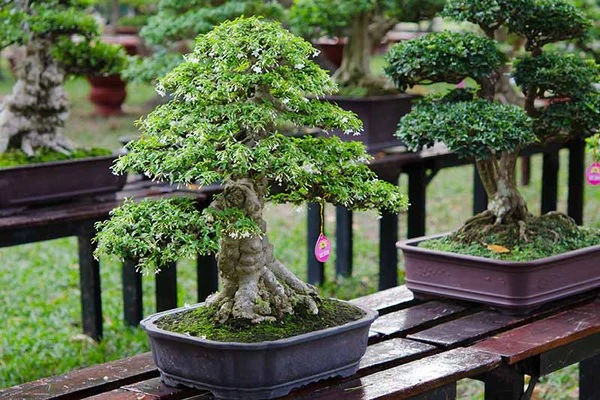
Bonsai is a Japanese art form that involves growing and shaping miniature trees in small containers. It requires patience, dedication, and a willingness to learn. If you’re interested in getting started in the world of bonsai, this beginner’s guide will provide you with the basic information you need to know.

Choosing a Tree

The first step in creating a bonsai is choosing the right tree. Some popular trees for bonsai include junipers, pines, maples, and azaleas. When selecting a tree, look for one with a sturdy trunk, good branch structure, and small leaves. You can purchase pre-bonsai trees from nurseries or online retailers, or you can collect your own from the wild. Just be sure to research the regulations in your area before collecting any trees.

Tools and Supplies

Once you have your tree, you’ll need some tools and supplies to get started. Some essential tools for bonsai include pruning shears, concave cutters, wire cutters, and root hooks. You’ll also need soil, fertilizer, and a bonsai pot. You can purchase these items individually or as part of a bonsai starter kit.

Training and Shaping

Training and Shaping

The art of bonsai involves training and shaping your tree to create a miniature version of a full-sized tree. This process involves pruning, wiring, and repotting your tree as it grows. You’ll need to monitor your tree’s growth and adjust its shape and structure as needed. It’s important to remember that bonsai is a long-term project and that it can take years to achieve the desired shape and style.

Care and Maintenance

Proper care and maintenance are essential for the health and longevity of your bonsai tree. Bonsai trees require regular watering, fertilizing, and pruning. You’ll also need to repot your tree every few years to ensure that it has enough room to grow. It’s important to research the specific care requirements for your tree species, as different trees have different needs.

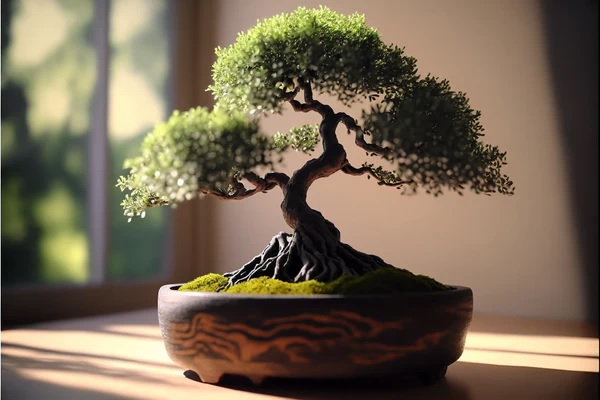
The Benefits of Bonsai

Bonsai

Bonsai can be a rewarding and fulfilling hobby that provides a sense of accomplishment and a connection to nature. It can also help improve your mental health by reducing stress and promoting relaxation. Bonsai trees are also beautiful and unique decorations for your home or office.

  • Bonsai involves growing and shaping miniature trees in small containers.
  • Choosing the right tree, tools, and supplies are essential for getting started in bonsai.
  • Bonsai involves training and shaping your tree over time to create a miniature version of a full-sized tree.
  • Proper care and maintenance are important for the health and longevity of your bonsai tree.
  • Bonsai can provide a sense of accomplishment, a connection to nature, and mental health benefits.

Overall, bonsai is a fascinating and rewarding hobby that requires patience, dedication, and a willingness to learn. By following the tips and techniques outlined in this beginner’s guide, you’ll be well on your way to creating your own beautiful bonsai trees.

As technology continues to advance at an unprecedented pace, it’s no surprise that our homes are becoming increasingly smart and efficient. From energy-saving appliances to voice-activated assistants, the homes of the future will undoubtedly be a far cry from the traditional houses we are used to.

Smart Homes

Smart Homes

One of the most significant trends in home design is the rise of smart homes. Smart homes are houses that are equipped with devices and appliances that can be controlled remotely via a smartphone or tablet. For example, a smart thermostat allows homeowners to adjust the temperature of their home from anywhere, while a smart security system lets them monitor their home from afar.

Smart homes are not only convenient but also efficient. By using technology to regulate energy usage, homeowners can reduce their energy bills and help the environment. In fact, smart homes are estimated to save homeowners up to 30% on their energy bills.

Green Homes

Green Homes

Another trend in home design is the focus on sustainability. Green homes are designed to minimize their impact on the environment by using renewable energy sources and reducing waste. For example, homes with solar panels can generate their own electricity, while homes with rainwater harvesting systems can reduce their reliance on municipal water supplies.

Green homes are not only good for the environment but also for homeowners. By reducing their energy usage, homeowners can save money on their energy bills and increase the value of their home. In fact, studies have shown that green homes can sell for up to 10% more than traditional homes.

Flexible Spaces

As more and more people work from home, there is a growing need for flexible spaces in the home. Flexible spaces are areas that can be used for multiple purposes, such as a home office that can also double as a guest room. By designing homes with flexible spaces, homeowners can maximize the use of their home and adapt to their changing needs.

Flexible spaces are also becoming more important for families with children. As children grow and their needs change, flexible spaces can be adapted to meet their changing needs. For example, a playroom can be transformed into a study area as children get older.

The homes of the future will undoubtedly be smarter, greener, and more adaptable than ever before. By embracing these trends in home design and technology, homeowners can create homes that are not only efficient and sustainable but also flexible and adaptable to their changing needs.