Author

John

Browsing

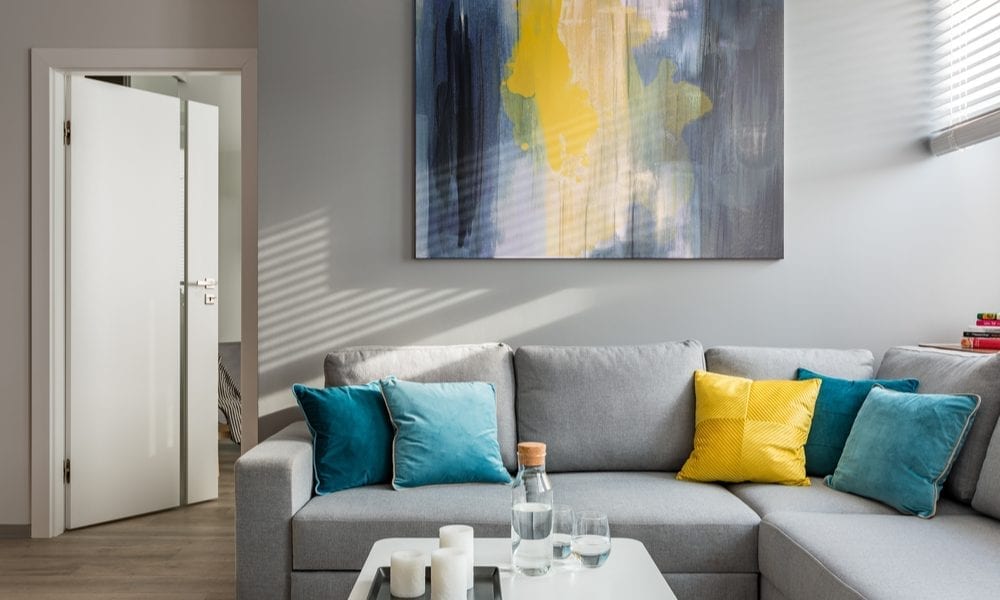
There’s nothing quite like a beautiful mural to bring life and personality to a room. Large-scale murals are a fantastic way to incorporate art into your home, and can be used to create a show-stopping focal point in any space. Whether you’re looking to add some color to a drab room, or simply want to express your personal style, mural painting is an excellent choice for any homeowner looking to infuse their home with creativity and personality.

What is a Mural?

A mural is a large-scale painting or artwork that is typically created directly on a wall or other permanent surface. Murals have been used for centuries to decorate public spaces, religious buildings, and private homes. They can be created using a variety of materials and techniques, including paint, stencils, and even digital projections.

Why Choose a Mural?

There are many reasons why you might choose to incorporate a mural into your home decor. Perhaps you want to create a focal point in your living room, or add some color and personality to your child’s bedroom. Murals can also be used to create a sense of atmosphere or mood in a space, such as a calming nature scene in a meditation room or a vibrant street art scene in a music room.

One of the biggest benefits of murals is their ability to completely transform a space. Unlike traditional paintings or framed artwork, murals cover an entire wall or even a whole room, creating an immersive experience that is difficult to replicate with smaller pieces of art. This makes them an ideal choice for homeowners who want to make a bold statement with their decor.

Choosing the Right Mural for Your Home

When choosing a mural for your home, there are a few key factors to consider. First and foremost, you’ll want to choose a design that speaks to your personal style and tastes. Whether you prefer abstract art, realistic depictions of nature, or bold, graphic designs, there is a mural out there that will suit your preferences.

Another important consideration is the size of the mural. Depending on the size of the wall or room you’re looking to decorate, you may need a larger or smaller mural to create the desired effect. It’s also important to consider the color scheme and overall aesthetic of the room, as you’ll want to choose a mural that complements your existing decor rather than clashes with it.

Hiring a Mural Painter

Hiring a Mural Painter

If you’re not an experienced artist yourself, you may want to consider hiring a professional mural painter to create your artwork. A skilled muralist can help you bring your vision to life, and can work with you to create a design that meets your specific needs and preferences.

When choosing a mural painter, it’s important to do your research and find someone with experience creating murals in a similar style to the one you’re looking for. You may also want to ask for references or look at examples of their past work to get a sense of their skill level and artistic style.

Caring for Your Mural

Once your mural is complete, it’s important to take steps to protect it and ensure it lasts for years to come. Depending on the type of paint or materials used, you may need to avoid exposing the mural to direct sunlight or moisture, and may need to clean it periodically to keep it looking its best.

With proper care and maintenance, a mural can be a stunning and long-lasting addition to any home. Whether you opt for a bold, colorful design or a more subtle and understated mural, incorporating large-scale art into your home is a fantastic way to express your creativity and make a statement with your decor.

Gardening is a great way to not only beautify your surroundings but also to improve your health. Apart from providing fresh produce, gardening can also help purify the air in your home. Air pollution is a major concern in today’s world, and it can have a negative impact on our health. However, by growing plants with air-purifying qualities, you can improve the air quality in your home. Here are some plants that can help you achieve this:

1. Peace Lily

The Peace Lily is a beautiful plant with white flowers that can help purify the air in your home. According to NASA, the Peace Lily is one of the best air-purifying plants. It can remove toxins such as benzene, formaldehyde, and trichloroethylene from the air. The Peace Lily is also an easy plant to care for, making it a great addition to your home.

2. Snake Plant

Snake Plant

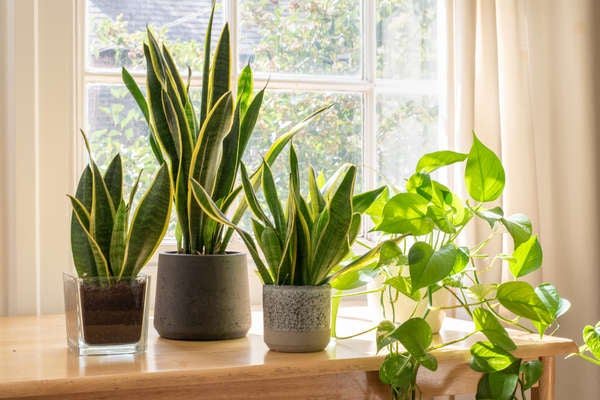
The Snake Plant, also known as Mother-in-Law’s Tongue, is another great air-purifying plant. It is an easy-to-care-for plant that can remove toxins such as formaldehyde, benzene, trichloroethylene, and xylene from the air. In addition to purifying the air, the Snake Plant is also known for its ability to improve indoor humidity levels.

3. Spider Plant

The Spider Plant is a popular houseplant that is known for its air-purifying qualities. It can remove toxins such as formaldehyde and xylene from the air. The Spider Plant is also easy to care for and can survive in low-light conditions, making it a great plant for those who do not have a lot of natural light in their homes.

4. Boston Fern

The Boston Fern is a beautiful plant with delicate fronds that can help purify the air in your home. According to a study by the American Society of Horticultural Science, the Boston Fern can remove toxins such as formaldehyde and xylene from the air. The Boston Fern is also known for its ability to increase indoor humidity levels, which can help prevent dry skin and respiratory problems.

5. Aloe Vera

The Aloe Vera plant is known for its medicinal properties, but it can also help purify the air in your home. According to a study by NASA, the Aloe Vera plant can remove toxins such as formaldehyde and benzene from the air. The Aloe Vera plant is also an easy plant to care for and can be used to treat minor cuts and burns.

Gardening is not only a great way to improve the aesthetics of your home, but it can also have a positive impact on your health. By growing plants with air-purifying qualities, you can improve the air quality in your home and reduce the risk of respiratory problems. The plants mentioned above are just a few of the many air-purifying plants that you can grow in your home. So, why not start gardening for health today?

Indoor gardening is a great way to add some greenery and life to your home. Houseplants not only add aesthetic value but also provide numerous health benefits, including purifying the air and reducing stress levels. However, maintaining indoor plants can be a daunting task, especially for beginners. In this article, we will discuss some tips on how to maintain houseplants for beginners.

1. Choose the Right Plants

When starting your indoor garden, it is important to choose the right plants that are suitable for your environment. Consider the amount of light, humidity, and temperature in the room where you plan to keep the plants. Some low-maintenance plants that are perfect for beginners include pothos, snake plants, and spider plants.

2. Water Properly

Watering indoor plants can be tricky. Overwatering or underwatering can cause the plants to die. It is important to water your plants according to their individual needs. Some plants require more water, while others can survive with less. Check the soil regularly and water when it feels dry to the touch. Make sure to use a pot with drainage holes to prevent water from accumulating in the soil.

3. Provide Adequate Light

Most houseplants require adequate light to survive. However, the amount of light they need varies depending on the plant. Some plants require direct sunlight, while others prefer indirect or low light. Make sure to place your plants in a spot where they can receive the appropriate amount of light for their needs. You can also invest in grow lights if your home does not receive enough natural light.

4. Fertilize Regularly

Fertilize Regularly

Houseplants require nutrients to grow and thrive. Fertilizing your plants regularly can provide them with the necessary nutrients. You can use organic or synthetic fertilizers, depending on your preference. However, be careful not to over-fertilize, as this can cause the plants to burn.

5. Prune and Clean

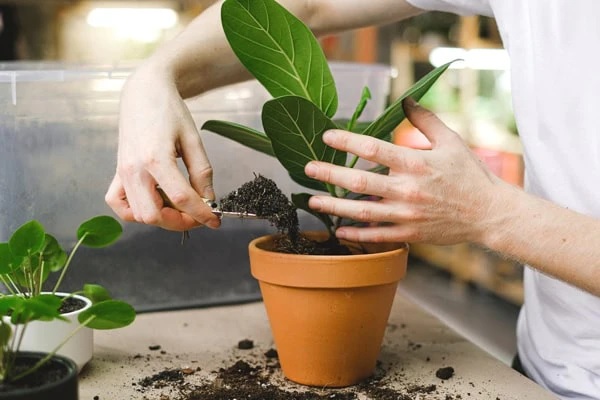
Regular pruning and cleaning can help keep your indoor plants healthy and happy. Pruning can help control the plant’s growth and shape. Cleaning the leaves can also help remove dust and pests that may be harmful to the plant. Use a damp cloth to wipe the leaves and make sure to remove any dead or yellow leaves.

Indoor gardening can be a rewarding experience for beginners. With the right knowledge and care, you can maintain healthy and beautiful houseplants. Remember to choose the right plants, water properly, provide adequate light, fertilize regularly, and prune and clean your plants. Happy gardening!

Decorating your walls with art and photos is a great way to add personality and style to your space. However, creating a well-curated gallery wall can be a daunting task. Here are some tips to help you create a gallery wall that has impact:

Choose a Theme

Before you start hanging your art and photos, it is important to choose a theme for your gallery wall. This will give your wall a cohesive look and make it easier to choose pieces that complement each other. Some popular themes for gallery walls include travel, family, and nature.

Mix and Match

Gallery walls are all about mixing and matching different types of art and photos. Don’t be afraid to mix different sizes, frames, and styles. This will add visual interest to your wall and make it more dynamic. However, make sure that there is some sort of unifying element to bring everything together. This could be a color scheme or a specific type of art.

Plan Your Layout

Before you start hanging your art and photos, it is important to plan out your layout. Start by laying your pieces out on the floor to get an idea of how they will look on the wall. Once you have a layout you like, take a picture of it so you can refer back to it when you start hanging your pieces.

Hang Your Pieces

When hanging your pieces, it is important to use a level to ensure that everything is straight. Start by hanging your largest piece first and then work your way around it. Don’t be afraid to make adjustments as you go to ensure that everything looks balanced.

Add Some Extras

To make your gallery wall even more interesting, consider adding some extras like mirrors or decorative objects. This will add some depth to your wall and make it more visually appealing.

Creating a gallery wall can be a fun and rewarding project that adds personality and style to your space. By following these tips, you can create a gallery wall that has impact and tells a story about who you are.

Home design is not just about functionality and aesthetics, but also a reflection of culture and traditions. Every culture has its unique style of home design that is influenced by its history, climate, beliefs, and values. In this article, we will explore various home design styles around the world and how they reflect the cultural influence.

Asian Home Design

Asian home design is known for its simplicity, elegance, and harmony with nature. Japanese homes, for example, are designed to create a peaceful and serene atmosphere. They use natural materials, such as wood and bamboo, and emphasize minimalism in their design. Chinese homes, on the other hand, are known for their use of bold colors and intricate decorations, reflecting their rich cultural heritage.

African Home Design

African home design is characterized by its use of vibrant colors, tribal patterns, and natural materials. Mud huts are a common feature of African homes, providing natural insulation from the harsh climate. African homes also incorporate outdoor spaces, such as courtyards and verandas, as a way of connecting with nature.

Middle Eastern Home Design

Middle Eastern Home Design

Middle Eastern home design is heavily influenced by Islamic architecture, with its use of geometric patterns and calligraphy. Arabic homes are designed to provide privacy and comfort, with indoor courtyards and lush gardens. Middle Eastern homes also incorporate traditional features, such as domed ceilings and arched doorways, reflecting their rich cultural history.

European Home Design

European home design is diverse, with each country having its unique style. French homes, for example, are known for their elegance and sophistication, with ornate decorations and luxurious fabrics. Scandinavian homes, on the other hand, are minimalist and functional, with a focus on natural light and simple design.

South American Home Design

South American home design is characterized by its use of bright colors and bold patterns. Mexican homes, for example, incorporate vibrant hues of blue, green, and yellow, reflecting the country’s rich cultural heritage. South American homes also use natural materials, such as adobe and wood, to create a cozy and inviting atmosphere.

Home design is not just about creating a functional space but also a reflection of culture and traditions. From Asian simplicity to African vibrancy, every culture has its unique style of home design that reflects its history, climate, beliefs, and values. By exploring various home design styles around the world, we can appreciate the beauty and diversity of different cultures and their impact on the world of design.

Keeping your home clean and organized is crucial for maintaining a healthy living environment. While daily cleaning is important, seasonal cleaning is equally essential to ensure that your home remains clean and fresh throughout the year. Here is a seasonal cleaning checklist to help you maintain a healthy home year-round:

Spring Cleaning Checklist

  • Wash windows and curtains to remove dust and allergens.
  • Deep clean carpets and rugs to remove dirt, dust, and pet dander.
  • Clean and organize your closet, donating or discarding items you no longer use.
  • Clean and organize your pantry, discarding expired items and donating non-expired items you no longer use.
  • Deep clean your kitchen, including appliances, cabinets, and countertops.
  • Clean and organize your garage, donating or discarding items you no longer use.

Summer Cleaning Checklist

  • Deep clean your outdoor grill before use.
  • Clean and organize your outdoor furniture, discarding any broken or damaged items.
  • Wash your car to remove dirt and debris.
  • Clean and organize your garden shed, discarding any broken or damaged items.

Fall Cleaning Checklist

Fall Cleaning Checklist

  • Clean and organize your attic, discarding any items you no longer need.
  • Clean and organize your basement, discarding any items you no longer need.
  • Deep clean your oven and stovetop to remove grease and grime.
  • Replace the filters in your HVAC system to improve air quality.

Winter Cleaning Checklist

  • Deep clean your carpets and rugs to remove dirt, dust, and allergens.
  • Clean and organize your holiday decorations, discarding any broken or damaged items.
  • Deep clean your kitchen, including appliances, cabinets, and countertops.
  • Wash your bedding and blankets to remove allergens and dust mites.

By following this seasonal cleaning checklist, you can maintain a healthy home year-round. Remember to also clean and disinfect frequently touched surfaces, such as doorknobs and light switches, on a regular basis to prevent the spread of germs. A clean and healthy home is essential for your overall well-being, so make sure to prioritize your cleaning routine.

Living in a cluttered home can be stressful and overwhelming. However, the thought of decluttering can be daunting, especially if you have accumulated a lot of possessions over the years. Embracing the principles of minimalism can help you to simplify your life and create a more peaceful and organized home.

What is Minimalism?

Minimalism is a lifestyle that involves living with less and simplifying your possessions. It is about focusing on what is essential and getting rid of anything that does not add value to your life. Minimalism is not just about getting rid of physical clutter, but also mental and emotional clutter.

How to Embrace Minimalism

Minimalism

Decluttering your home and embracing minimalism can be a life-changing experience. Here are some tips to get you started:

  • Start Small: Decluttering can be overwhelming, so start with a small area such as a drawer or a closet. This will give you a sense of accomplishment and motivate you to tackle larger areas.
  • Ask Yourself Some Questions: When deciding whether to keep or get rid of an item, ask yourself if you love it, if it is useful, and if it adds value to your life. If the answer is no, then it is time to let it go.
  • Donate or Sell: Instead of throwing away your unwanted items, consider donating or selling them. This will not only help someone else but also reduce waste.
  • One in, One out: When you buy something new, get rid of something old. This will help you to maintain a clutter-free home.

The Benefits of Minimalism

Embracing minimalism can have many benefits, including:

  • Less Stress: A cluttered home can lead to stress and anxiety. Simplifying your possessions can create a more peaceful and calm environment.
  • More Time: When you have less to clean and maintain, you have more time to focus on the things that matter to you.
  • Saving Money: When you stop buying unnecessary items, you can save money and use it for things that you truly value.
  • Environmental Benefits: Decluttering and reducing waste can have a positive impact on the environment.

Decluttering your home and embracing minimalism can be a transformative experience. It is not about living with nothing but about living with less and focusing on what is truly important. By simplifying your life, you can create a more peaceful and organized home and live a more fulfilling life.

Decorating your home is a great way to add a personal touch to your living space. Not everyone has the budget to hire an interior designer, but that doesn’t mean you can’t have a beautiful home. With a little creativity and effort, you can create unique and personalized elements for your home décor. Here are some DIY ideas that you can try:

1. Wall Art

Creating your own wall art is a great way to add a personal touch to your home. You don’t need to be a professional artist to create beautiful artwork. There are many DIY wall art ideas that you can find online that are easy to do. You can create wall art using canvas, paint, and stencils. You can also create wall art using old book pages, fabric, or even wallpaper samples. The possibilities are endless!

2. Upcycling Furniture

Upcycling Furniture

If you have old furniture that you don’t use anymore, don’t throw it away! You can upcycle it and turn it into something beautiful. For example, you can turn an old dresser into a TV stand or a bookshelf. You can also paint old chairs and add new cushions to create a cozy reading nook. Upcycling furniture not only saves you money, but it’s also an eco-friendly way to decorate your home.

3. DIY Lighting

Lighting can completely change the atmosphere of a room. Instead of buying expensive lighting fixtures, you can create your own DIY lighting. For example, you can create a chandelier using mason jars and string lights. You can also create a lamp using a wine bottle or a teapot. DIY lighting is a great way to add a unique and personal touch to your home.

4. Personalized Pillows

Pillows

Pillows are a great way to add color and texture to your home. Instead of buying expensive pillows, you can create your own personalized pillows. You can use fabric paint to create designs or add your favorite quotes. You can also sew your own pillow covers using fabric that complements your home décor. Personalized pillows are an easy and affordable way to add a personal touch to your home.

5. DIY Shelving

Shelves are not only practical, but they can also be used to display your favorite items. Instead of buying expensive shelves, you can create your own DIY shelving. For example, you can create shelves using old crates or wooden pallets. You can also create floating shelves using brackets and wood. DIY shelving is a great way to add storage space and a unique touch to your home décor.

Decorating your home doesn’t have to be expensive. With a little creativity and effort, you can create unique and personalized elements for your home décor. These DIY ideas are easy, affordable, and a great way to add a personal touch to your living space. So, get creative and start decorating!

Chalk paint has become increasingly popular in recent years for its ability to give furniture a vintage, shabby-chic look. Not only does it create a beautiful finish, but it is also very easy to use and can be applied to almost any surface without requiring any prep work.

Here are some DIY furniture makeover ideas using chalk paint:

  • Distressed Coffee Table: Take an old coffee table and apply a coat of chalk paint in your desired color. Once dry, use sandpaper to distress the edges and create a worn look. This will give your coffee table a unique, rustic feel.
  • Chalkboard Dresser: Paint the drawers of an old dresser with chalk paint in a neutral color. Once dry, apply chalkboard paint to the front of the drawers. This will create a fun and functional piece that can be used to write notes or reminders.
  • Vintage Bookshelf: Take a basic bookshelf and apply a coat of chalk paint in a muted tone, such as a pale blue or green. Once dry, use sandpaper to distress the edges and create a vintage look. This will give your bookshelf character and charm.
  • Colorful Dining Chairs: Take a set of old dining chairs and paint each one with a different color of chalk paint. This will create a fun and playful look that is perfect for a family dining room.
  • Antique Side Table: Apply a coat of chalk paint in a dark color, such as navy or black, to an old side table. Once dry, use sandpaper to distress the edges and create an antique look. This will give your side table a timeless feel.

Chalk paint is a versatile and affordable way to transform your furniture. With these DIY furniture makeover ideas, you can give your home a unique and personalized touch without breaking the bank. So grab a brush and get painting!

Basements are often overlooked and underutilized spaces in many homes. They are typically dark, damp, and uninviting. However, with some creativity and a little effort, basements can be transformed into functional spaces that add value to your home and enhance your quality of life. In this article, we will explore some ideas for transforming your basement into a game room or home gym, or any other functional space you desire.

Game Room

Transforming your basement into a game room is a great way to create a fun and comfortable space for your family and friends to hang out. Here are some tips to get you started:

  • Install a pool table, foosball table, or ping pong table to provide entertainment for all ages.
  • Invest in comfortable seating such as bean bags, recliners, or a sectional sofa.
  • Install a sound system and a large screen TV to create a cinematic experience.
  • Add a mini-fridge or a bar to keep refreshments close at hand.
  • Don’t forget to add some fun decor such as posters, neon lights, and other game-related items.

Home Gym

Home Gym
Home Gym

Transforming your basement into a home gym is a great way to stay in shape without having to leave your house. Here are some tips to get you started:

  • Invest in gym equipment such as a treadmill, stationary bike, or weightlifting set.
  • Install a full-length mirror to monitor your form and progress.
  • Invest in rubber flooring to protect your equipment and reduce noise.
  • Install a sound system to keep you motivated during your workout.
  • Don’t forget to add some motivational decor such as posters, quotes, or pictures of your favorite athletes.

Other Functional Spaces

There are many other functional spaces you can create in your basement depending on your needs and interests. Here are some ideas:

  • Create a home office by installing a desk, chair, and bookshelves.
  • Transform your basement into a music studio by adding soundproofing, instruments, and recording equipment.
  • Transform your basement into a craft room by adding a work table, storage, and art supplies.
  • Transform your basement into a home theater by installing a projector, screen, and comfortable seating.

Transforming your basement into a functional space requires some planning, time, and effort. However, the results can be rewarding both financially and personally. By creating a game room, home gym, or any other functional space, you can add value to your home, improve your quality of life, and have fun in the process.