
Tag

Water Heater

Browsing

Clean, great-tasting water is something every homeowner values, but not all water is the same. Depending on where you live, your home’s water may contain minerals, chlorine, sediment, or other contaminants that affect its taste, smell, and overall quality. Understanding the different types of residential water filtration systems can help you choose the right solution for your household.

If you’re exploring options such as reverse osmosis installation Sacramento, CA, it’s important to understand how various filtration systems work and what problems they are designed to solve. Each system offers unique benefits, making it easier to match your home’s water needs with the right technology.

Why Water Filtration Matters

Municipal water treatment facilities work hard to provide safe drinking water, but water can still pick up impurities as it travels through aging pipes or plumbing systems. In homes with private wells, water quality can vary even more depending on local conditions.

A residential water filtration system helps improve water quality by reducing unwanted substances while enhancing taste and odor. The right system can also protect plumbing fixtures, appliances, and even extend the lifespan of water-using equipment.

Sediment Filters

Sediment filters are often the first line of defense in a home’s water filtration setup. They remove larger particles such as sand, dirt, rust, and silt before water reaches other filtration stages.

These filters are especially useful for homes with:

  • Well water
  • Older plumbing systems
  • High levels of visible sediment
  • Water that appears cloudy

While sediment filters improve water clarity, they are not designed to remove dissolved chemicals, bacteria, or heavy metals. They often work best when paired with another filtration system.

Activated Carbon Filters

Activated carbon filters are one of the most common residential filtration options. They use specially treated carbon to trap contaminants through adsorption, improving both the taste and smell of drinking water.

Carbon filters are effective at reducing:

  • Chlorine
  • Certain volatile organic compounds (VOCs)
  • Unpleasant odors
  • Many compounds that affect taste

They are commonly found in refrigerator filters, faucet-mounted systems, countertop units, and whole-house filtration systems.

However, activated carbon filters typically do not remove dissolved minerals or certain microorganisms.

Reverse Osmosis Systems

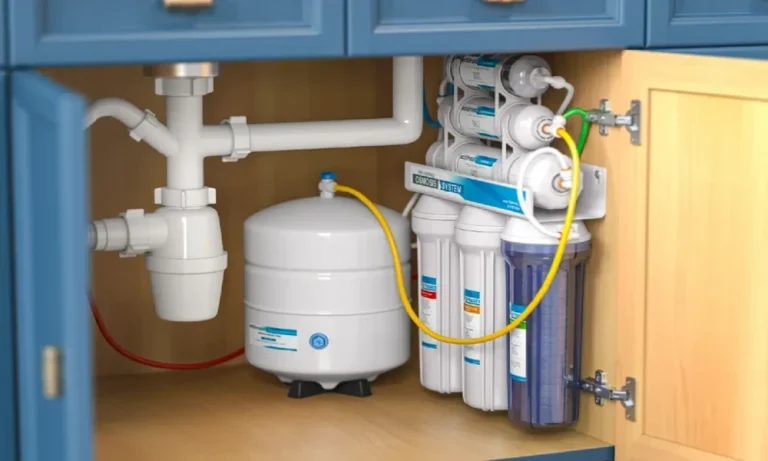
Reverse osmosis (RO) systems provide one of the most comprehensive forms of residential water filtration. These systems force water through a semi-permeable membrane that removes many dissolved contaminants.

A reverse osmosis system can reduce:

  • Dissolved salts
  • Lead
  • Arsenic
  • Nitrates
  • Fluoride
  • Many other dissolved impurities

Because of their effectiveness, RO systems are often installed under the kitchen sink to provide purified drinking and cooking water.

Homeowners considering reverse osmosis installation Sacramento, CA should remember that proper installation and routine maintenance are essential for keeping the system operating efficiently. Regular filter and membrane replacement helps maintain water quality over time.

Whole-House Water Filtration Systems

Unlike point-of-use systems that treat water at a single faucet, whole-house filtration systems clean water as it enters the home.

This means filtered water reaches:

  • Kitchen faucets
  • Bathroom sinks
  • Showers
  • Washing machines
  • Dishwashers

Whole-house systems are an excellent option for homeowners who want consistent water quality throughout the property. Depending on the system, they may include sediment filters, activated carbon, or specialized media designed to target specific contaminants.

These systems are especially valuable in areas where water quality issues affect more than just drinking water.

Water Softeners vs. Water Filters

Many people assume water softeners and water filters perform the same job, but they serve different purposes.

A water softener reduces hardness by removing calcium and magnesium minerals that cause scale buildup. This helps protect plumbing, appliances, and water heaters while reducing soap residue.

A water filtration system, on the other hand, focuses on removing contaminants that affect water quality, taste, and odor.

Some homes benefit from installing both systems together, especially in regions with hard water.

UV Water Purification Systems

Ultraviolet (UV) water purification systems use UV light to neutralize bacteria, viruses, and other microorganisms without adding chemicals.

These systems are commonly recommended for homes using well water where biological contamination may be a concern.

It’s important to note that UV systems disinfect water but do not remove sediment, minerals, or chemical contaminants. For this reason, they are often combined with other filtration methods.

How to Choose the Right Water Filtration System

The best filtration system depends on your home’s specific water quality and your family’s priorities.

Consider the following factors:

  • Your water source (municipal or well)
  • Common local water quality concerns
  • Whether you want drinking water filtration or whole-house treatment
  • Maintenance requirements
  • Installation costs
  • Available space for equipment

A professional water quality test is often the best first step. Test results help identify exactly what contaminants are present so you can select a system that addresses your home’s needs without paying for unnecessary features.

Common Mistakes Homeowners Make

Choosing a filtration system without understanding your water quality can lead to disappointing results.

Some common mistakes include:

  • Buying a system without testing the water first
  • Assuming all filters remove every contaminant
  • Forgetting to replace filters on schedule
  • Choosing a system that’s too small for household water usage
  • Ignoring manufacturer maintenance recommendations

Regular maintenance is just as important as choosing the right system. Even the most advanced filtration equipment cannot perform properly if filters are overdue for replacement.

Final Thoughts

Understanding the different types of residential water filtration systems helps homeowners choose a solution that delivers cleaner, better-tasting water while addressing their specific water quality concerns. Whether you need a simple sediment filter, an activated carbon system, a whole-house water filtration system, or an advanced reverse osmosis system, selecting the right option begins with knowing what’s in your water and what you want to improve.

Regular maintenance, timely filter replacements, and professional installation all contribute to long-lasting performance and reliable water quality. By investing in the right residential water filtration system, you can enhance your home’s water supply, protect plumbing fixtures and appliances, and enjoy greater peace of mind knowing your household has access to cleaner, healthier water every day.
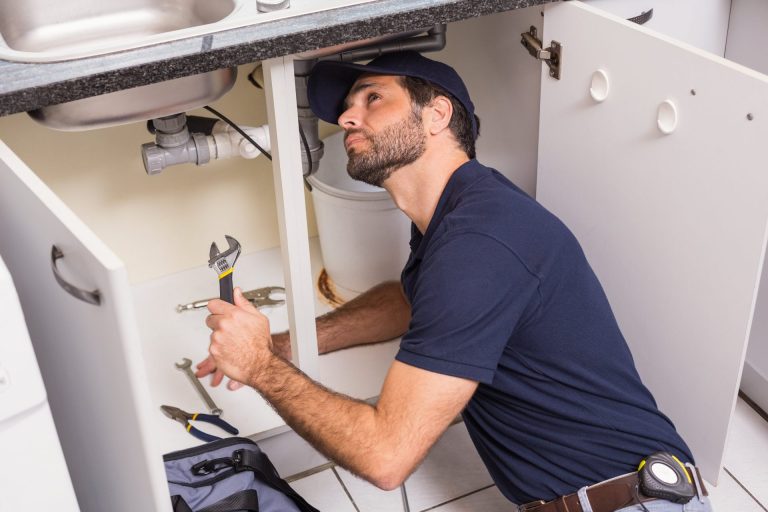
Freeze–thaw cycles during harsh winter months, hard water issues due to mineral content, aging plumbing fixtures in older areas – All of these factors cause plumbing problems in homes across Twin Falls. Whether you have a clogged drainage system or need to prep for the winter by insulating exposed pipes, you have to team with a dependable service. Top plumbing contractors in Twin Falls like Master Plumbing offer all-inclusive services for most neighborhoods, and you can trust their team for both emergency help and preventive work. However, if you are choosing a service for the first time, don’t miss the dos and don’ts shared below.  

Do: Review License and Insurance

A plumbing company operating in Twin Falls must have an Idaho license, and when the team comes to your property for a check, you should ask to see that. Also, insurance is something that every contractor should have, which will help cover damages caused to your property during the actual work. Ask if the technicians have workers’ comp coverage, because working on older properties can be risky. 

Do: Look for Local Experience

This one is pretty simple. You need to check whether the company has been working in Twin Falls and the Magic Valley. Contractors who are familiar with the city will also know the usual concerns, like hard water, older clay sewer lines, and freezing issues. The technicians will also have a fair idea of what problems are common in different neighborhoods, which will reduce time required for diagnostics. 

Don’t: Hire Based on Price

If a contractor is offering the lowest bid, you have reasons to worry, as there could be compromises on the work or a lack of insurance, proper tools, or experience. A high price, however, doesn’t always mean great work. Instead, choose a plumbing company that has been working for years in Twin Falls and offers standard prices in line with general standards. 

Do: Review Reputation

While you can always ask technicians for references of recent clients they have worked with, it is wise to review what others are saying on third-party sites, such as Google and online forums. You should consider whether people are talking about good things like punctuality, honesty, cleanliness, support, and clear communication. There are also a few warning signs, such as frequent price changes, repeated no-show complaints, and poor cleanup after the job. 

Do:  Know the Range of Services

Check what a plumbing contractor can handle, and this should ideally include sewer line issues, water heater repairs & replacement, immediate assistance in winter for frozen pipes, drain cleaning services, and help with outdoor irrigation issues. Considering the weather in Twin Falls, problems often overlap, which is why it makes sense to select a service that can do everything and offer complete assistance. 

Don’t: Miss out on Emergency Help

Not all contractors are available to offer support on weekends, holidays, and beyond the standard working hours, but as a customer, you cannot ignore this. You never know when you have frozen pipes or a clogged drain, and it is critical to know whether the plumbing service can respond in such situations. 

Do: Compare Tools, Technology, and More

Plumbing services are expected to have all necessary tools and resources to complete the work. For instance, having video inspection cameras is a must to check areas of the drainage that cannot be checked manually. Hydro-jetting equipment is essential for all Twin Falls contractors, as the technique works best for many properties. Local factors like aging pipes and mineral buildup make it necessary to identify problems accurately.

Finally, check whether the selected plumbing company in Twin Falls offers warranties, which should extend to both parts being replaced, selected repairs, and overall workmanship. 

A water heater is one of the appliances that we keep using until it breaks down completely. However, when it breaks, and suddenly cold showers turn into a nightmare, then we come across an unpleasant reality.

It is time to acknowledge the first warning signs to prevent expensive emergencies. When you are unsure whether your unit is in good condition, it is best to contact certified plumbing experts, such as those at Oasis Plumbing Services.

They are known to offer sound diagnostics and swift hot water heater repair service, which makes your system work efficiently.

Strange Noises from the Tank

When the water heater starts popping, rumbling, or banging, it is likely due to a sediment problem. The minerals will settle at the bottom over time, causing overheating and unusual sounds. Failing to pay attention to this can result in total failure.

Inconsistent or Lukewarm Water

  • Water temperature fluctuates unexpectedly.
  • The flow of hot water is lower than it normally should be.

These problems usually indicate a faulty heater or a buildup of sediment. It can be detected by a professional check of whether to repair or replace.

Discolored or Smelly Water

Dingy or metallic-colored water is a sign of inner corrosion, and so is the smell of a rotten egg, which denotes the presence of bacteria. These are serious indications that your heater requires urgent attention.

Water Heater

Leaks Around the Unit

When water is standing around the base or dripping off from valves, this is a red flag. The causes of leaks may include a loose fitting, a faulty pressure relief valve, or even a cracked tank —a problem that requires immediate attention.

Rising Energy Bills

When an aging water heater is no longer effective, it is forced to overwork and consume a significant amount of energy. If you have energy bills that are skyrocketing without any reason, your water heater might be the underlying cause.

Frequent Repairs

When you find yourself regularly calling professionals for hot water heater repair, it is often more economical to simply replace it. When breakdowns occur regularly, it indicates that the system is nearing the end of its life.

Age of the Water Heater

The life of most units is 8-12 years. If yours is older, then start planning for its replacement in advance, as you might face the loss of hot water due to a sudden failure that will happen at the most inappropriate time.

What to Do Next

If you do not pay attention to any of these signs mentioned above, then you are most likely to face significant troubles shortly, which can be the growth of mold, water leakages, or even electrical issues.

To make a proper assessment of your water heater system, we suggest that you engage the services of Oasis Plumbing. Their qualified plumbers and plumbing experts will guide you to the best possible solution, which could be either a repair or a new installation. Stay proactive, and your water heater will continue to run smoothly for years to come!

Emergencies in plumbing can occur at any time, leaving homeowners frustrated and unsure of what to do. Whether it is a burst pipe, a blocked sewer, or a defective water heater, an immediate response will help prevent significant damage to your home.

Your first step should be to contact a plumber today. In such circumstances, specialists like Oasis Plumbing Services operate 24/7 to resolve any emergency effectively. They have years of experience in the field and have quick and secure solutions to avoid complications.

Shut Off the Water Immediately

When you first notice a significant water leak or flooding, locate your main water shut-off valve and close it. It prevents the flow of water and reduces damage.

  • Turn off the valve under the fixture for localized problems (e.g., a leaking sink or toilet).
  • When flooding is severe, turn off the main valve, typically located near the water meter or in the basement.
  • After turning off the water, flush the residual water in the faucets to relieve pressure in the pipes.

Turn Off the Water Heater

When an emergency occurs in your entire plumbing system, turn off the water heater to prevent overheating or bursting.

  • On electric heaters, switch off the circuit breaker.
  • In case of gas heaters, turn the thermostat off or turn off the gas valve.

Assess the Situation Safely

Before making any repairs, assess the severity of the issue.

  • Inspect sewer pipe leaks, cracks, or blockages.
  • When using electric sockets, avoid standing in areas where water accumulates.
  • When you notice gas or severe flooding, evacuate immediately and call the experts.

Call a Professional Plumber

Home fixes aggravate the issue. Rather, use certified plumbers who can identify and solve problems successfully.

  • Find insured specialists with good reviews.
  • Oasis Plumbing Services provides emergency repairs and can assist you with temporary solutions in the meantime.

Mitigate Damage While Waiting

In case it is possible to remain indoors, secure your house:

  • Keep furniture, carpets, and electronic gadgets out of water.
  • Soak standing water with towels or a wet/dry vacuum.
  • Clear the space around the problem area to allow the plumber to work easily.

Plumbing Emergency

How to Prepare for a Plumbing Emergency

It is better to prevent a crisis rather than manage it.

So, this is how to be prepared:

  • Identify and inspect your master water shut-off valve.
  • Arrange an annual review to detect leaks or other damage to the pipes that may not be visible otherwise.
  • Do not pour grease or food scraps down the drain or any non-flushable items.

Common Plumbing Emergencies & Quick Fixes

These issues may be dealt with temporarily when you are waiting to be helped:

  • Clogged drains: Use the plunger (do not use chemical cleaners).
  • Running toilet: Test the flapper tap within the tank.
  • Frozen pipes: Warm them slowly, in a hairdryer (avoid open flame).

Final Thoughts

Dealing with a plumbing emergency can be stressful, and remaining calm and acting quickly can save you a significant amount of money. Always call a plumber now – Oasis Plumbing Service offers professional emergency help to make your home safe. Being aware of how to prepare for a plumbing emergency makes you always well-prepared.