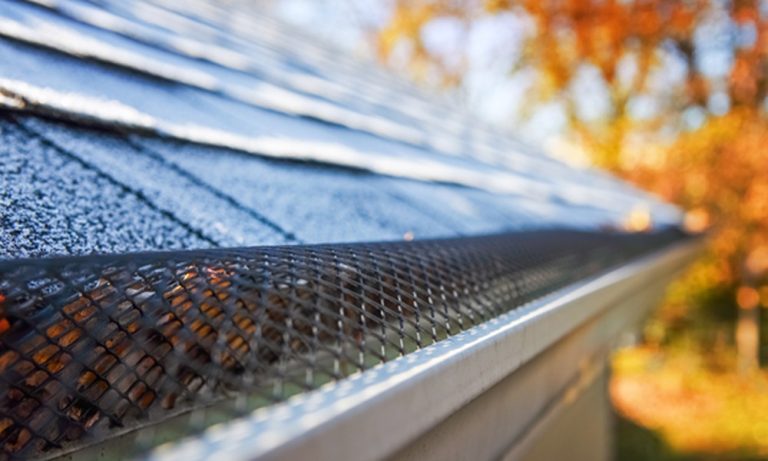
Gutter filters and guards are designed to be the unsung heroes of your home’s exterior, quietly working to keep leaves, twigs, and pests out of your water management system. However, like any hardworking home component exposed to the elements, they do not last forever.
Many homeowners mistake structural failure for a simple clog, spending hours on a ladder scrubbing filters that are well past their prime. While routine maintenance can clear away surface debris, there comes a point where cleaning no longer cuts it. If your gutter protection system is exhibiting any of the following six warning signs, it is time to stop cleaning and start planning a replacement.
1. Severe Warping, Sagging, or Collapsing Mesh
Gutter filters are constantly exposed to intense temperature fluctuations, heavy snow loads, and torrential downpours. Over time, lower-quality materials like vinyl, plastic, or thin PVC can become brittle from UV exposure, causing them to warp, bow, or crack.
Even heavy-duty metal filters can sag into the gutter trough if they have sustained impact from falling branches or heavy ice accumulation. Once a filter loses its flat, taut profile, it creates valleys where debris permanently collects. If your guards are visibly warped or collapsing inward, no amount of cleaning will restore their structural integrity or their ability to shed leaves.
2. Permanent Clogging from Asphalt Shingle Granules
If you have a composite or asphalt shingle roof, it naturally sheds tiny sand-like granules as it ages. When these granules wash down into your gutters, they can easily become trapped in the tiny pores of micro-mesh filters or the foam cells of insert-style guards.
Over several seasons, these granules combine with organic pollen, dust, and tree sap to form a concrete-like sludge that permanently glues the filter shut. If you notice that water is cascading right over the edge of your gutters during rainstorms-even after you have thoroughly scrubbed the surface-the filter pores are likely permanently calcified. Replacement is the only way to restore proper water flow.
3. Widespread Rust, Corrosion, or Pitted Aluminum
While modern, premium gutter filters are made from weather-resistant materials, older systems often rely on galvanized steel or low-grade aluminum alloys. Over a decade or two of constant moisture exposure, the protective coatings on these metals wear away.
If you climb your ladder and notice flaking rust, dark corrosive stains, or deep pitting along the metal frames, the structural failure of the system is imminent. Rusted metal becomes incredibly brittle, meaning it can easily snap or tear under the weight of a heavy rainfall. Furthermore, rust roughs up the surface, causing leaves to snag and stick rather than slide off naturally.
4. Gaps, Separated Seams, or Missing Sections
A gutter filter system is only effective if it forms a continuous, unbroken barrier across the entire length of your roofline. Because homes naturally settle and building materials expand and contract with the seasons, the seams where your filters meet can slowly pull apart.
If you can see visible gaps between the filter panels, or if the guards have pulled away from the front lip of the gutter, you have a major vulnerability. Pests, birds, and small debris will utilize these exact entry points to build nests and cause internal clogs. Once the system becomes loose and misaligned, trying to patch the individual gaps is usually a temporary band-aid for a worn-out system.
5. Water is Consistently Backing Up Into the Fascia and Soffits
The ultimate job of a gutter filter is to safely direct water into the channel and away from your home. If you notice signs of water damage on your home’s exterior-such as peeling paint on your fascia boards, water stains on your soffits, or green mold growing along your siding-your filters are actively failing.
When a filter is worn out or improperly positioned, it can cause water to “wick” backward toward the roofline rather than flowing forward into the gutter. This hidden water backup quietly rots the wooden structure of your roof, which can lead to incredibly expensive repairs. If cleaning the filters doesn’t stop this dangerous overflow, the system must be replaced with a modern, low-profile design.
6. Fasteners Are Repeatedly Pulling Loose or Breaking
How your filters are attached to your home matters just as much as the filters themselves. Older systems that rely on cheap clips or nails can loosen over time. If you find yourself constantly resetting the filters, replacing missing clips, or finding loose screws lying in your landscaping after a storm, the mounting system has failed.
Continuously screwing new fasteners into weathered wood or thin gutter metal will eventually strip the mounting holes completely, leaving the guards unstable.
The Takeaway: Spending time and money to repeatedly clean a degraded, broken, or permanently clogged system is a losing battle. Upgrading to a durable, modern system will permanently protect your foundation, landscaping, and roofline.
If your current system is showing these clear signs of wear, it is time to hand the job over to the professionals. Start exploring your options by searching for a trusted gutter filter replacement near me to ensure your home stays fully protected before the next major storm hits.