Tag

Regular Maintenance

Browsing

Hardwood floors are one of the most beautiful and durable features in any home, but even the toughest wood surfaces can lose their shine over time. Daily foot traffic, furniture movement, and exposure to sunlight all take their toll — leaving scratches, dull patches, and uneven finishes. When that happens, sanding and refinishing can restore your floors to their original brilliance.

But how often should this be done? The answer depends on the type of wood, the finish, and how much wear and tear your floors endure. With expert care from Plancher Mebesa hardwood floor sanding, you can keep your floors looking elegant for decades without damaging the wood or reducing its lifespan.

Let’s take a closer look at how often to sand your hardwood floors, what signs indicate it’s time, and how professionals ensure the process is done correctly.

1. The Purpose of Sanding Hardwood Floors

Sanding is more than just smoothing a surface — it’s about renewing your floors. Over time, hardwood floors accumulate scratches, dents, and layers of worn finish that dull their natural beauty. Sanding removes the top layer of wood and finish, creating a clean, smooth surface ready for staining or sealing.

This process:

  • Restores natural color and grain.
  • Removes imperfections and stains.
  • Prepares the floor for a new protective coating.

When done properly, sanding doesn’t just improve appearance — it extends the lifespan of your flooring by protecting it from further wear and moisture.

2. How Often Should You Sand Your Hardwood Floors?

In general, hardwood floors should be sanded every 7 to 10 years. However, this can vary based on several factors:

  • High-traffic areas (like living rooms or hallways) may need sanding every 5–7 years.
  • Low-traffic areas (like bedrooms) may last 10–15 years before needing sanding.
  • Engineered hardwood floors have a thinner surface layer and can usually only be sanded once or twice in their lifetime.

The key is to sand only when necessary — sanding too often can wear down the wood surface, reducing its lifespan.

3. Signs Your Hardwood Floors Need Sanding

You don’t always need to guess when it’s time for a refresh. There are clear signs your floors may need sanding:

  • Visible scratches or scuff marks that don’t go away with cleaning.
  • Faded or dull finish, especially in high-traffic zones.
  • Water stains or discoloration that penetrate the surface.
  • Uneven sheen caused by worn-out protective coatings.
  • Rough texture underfoot or splinters from exposed grain.

If your floors show multiple signs like these, sanding and refinishing will restore their smooth, polished look.

4. Why You Shouldn’t Over-Sand

Every hardwood floor has a limited number of sanding cycles. Solid hardwoods can generally be sanded four to six times over their lifespan, depending on the thickness of the planks. Each sanding removes about 1/32 of an inch of wood.

Over-sanding can:

  • Reduce the floor’s structural strength.
  • Expose nail heads or tongue-and-groove joints.
  • Shorten the overall life of your flooring.

That’s why expert assessment before sanding is essential — professionals determine whether your floor truly needs full sanding or just a buff and recoat, which refreshes the surface without removing wood.

5. Factors That Influence Sanding Frequency

Several lifestyle and environmental factors affect how often you’ll need to sand:

  • Foot Traffic: Homes with children or pets will see more wear.
  • Type of Finish: Oil-based finishes wear faster than polyurethane or aluminum oxide finishes.
  • Cleaning Habits: Regular maintenance extends the time between sanding cycles.
  • Humidity Levels: Extreme humidity causes expansion and contraction, leading to gaps or cupping.
  • Rugs and Protection: Using mats under furniture helps prevent scratches and dents.

By managing these factors, you can lengthen the time between sanding sessions and maintain your floors’ appearance longer.

6. Alternatives to Full Sanding

Sometimes a full sanding isn’t necessary. If your floors are lightly scratched but still have a protective layer, a screen and recoat (also called buffing) might be enough. This process lightly abrades the surface and applies a new finish coat without removing much wood.

Benefits include:

  • Less dust and disruption.
  • Lower cost compared to full sanding.
  • Quick turnaround time (usually 1–2 days).

It’s an excellent maintenance option between full sanding cycles to keep your floors looking great.

7. The Professional Sanding Process

Professional sanding involves multiple steps designed to restore beauty while protecting the wood. When done by experts such as Plancher Mebesa hardwood floor sanding, the process typically includes:

  1. Inspection: Assessing the floor’s condition, type of wood, and depth of wear.
  2. Preparation: Removing furniture, repairing damaged boards, and cleaning the surface.
  3. Sanding: Using high-quality sanders to remove old finish and smooth the surface in multiple stages.
  4. Staining (optional): Applying a new stain color for updated style or tone.
  5. Finishing: Sealing the floor with protective coatings for durability and shine.

Professionals use dustless sanding systems that capture debris as they work — keeping your home clean while ensuring a flawless result.

8. Choosing the Right Finish After Sanding

After sanding, your floor needs a new protective layer. The right finish depends on your lifestyle and desired look:

  • Water-based polyurethane: Dries quickly, low odor, and eco-friendly.
  • Oil-based polyurethane: Adds warmth and durability but takes longer to cure.
  • Hardwax oils: Offer a natural matte look and easy maintenance.

Each type provides varying levels of protection, gloss, and color enhancement. Professionals help you choose the best option for your space.

9. Extending Time Between Sanding Cycles

Proper maintenance can extend the lifespan of your finish and delay the need for another sanding. Here are some practical tips:

  • Sweep or vacuum regularly to remove dirt and grit.
  • Use felt pads under furniture legs.
  • Wipe up spills immediately to prevent water damage.
  • Reapply finish coatings as needed to maintain protection.
  • Keep indoor humidity levels between 35–55% to prevent wood expansion.

These simple habits preserve the integrity and beauty of your floors for years.

10. The Benefits of Professional Sanding

Sanding isn’t just about appearance — it’s an investment in your home’s value and longevity. Professional sanding provides:

  • Enhanced durability: Removes weak finish layers and adds strong new coatings.
  • Improved aesthetics: Restores natural color and luster.
  • Increased property value: Buyers appreciate the look of well-maintained hardwood.
  • Healthier indoor environment: Removes old finishes that trap dust and allergens.

A professionally sanded floor looks better, lasts longer, and requires less maintenance.

11. DIY vs. Professional Sanding

While DIY sanding may seem like a way to save money, it often leads to uneven surfaces, gouges, or poor finishes. Professional sanders use industrial-grade machines that evenly remove layers without damaging the wood.

Moreover, trained technicians know how to handle different wood species, stains, and finishes — ensuring a smooth, uniform result that DIY methods rarely achieve.

12. When to Call a Professional

If your floors have deep scratches, gray discoloration, or water stains that don’t respond to cleaning, it’s time to call a professional. Experts can assess whether a full sanding or minor restoration is needed, preventing costly mistakes and unnecessary wear on the wood.

Professionals also offer dustless sanding systems, making the process cleaner and safer for your home environment.

13. The Role of Expert Craftsmanship

Midway through the sanding process, precision becomes everything. Professionals like Plancher Mebesa hardwood floor sanding bring years of experience, attention to detail, and advanced tools to achieve a flawless finish.

Their knowledge of wood behavior, finishing techniques, and environmental conditions ensures that each project is handled with care — giving your floors a refined, long-lasting result.

14. The Ideal Sanding Schedule for Different Woods

Not all hardwoods are created equal. Some require more frequent care than others:

  • Oak & Maple: Durable, can go up to 10 years between sanding.
  • Pine: Softer, may need sanding every 5–7 years.
  • Cherry or Walnut: Moderate hardness, best sanded every 8–10 years.

Your home’s usage patterns and finish type will ultimately determine the best schedule — but regular professional inspections can help you stay on track.

15. Preserving Beauty and Value for Years to Come

With the right maintenance and timely sanding, hardwood floors can last a lifetime. Each refinishing cycle revives their natural glow, enhances durability, and keeps your home looking refined and inviting.

Final Thoughts

Sanding your hardwood floors isn’t something that needs to be done often — but when it’s time, it makes all the difference. A professional sanding not only restores beauty but also strengthens your flooring for years of use.

I’ve spent years helping homeowners and property managers figure out what’s worth paying for and what’s not when it comes to pool equipment and service. I’ve seen what happens when a company cuts corners or uses cheap materials. I’ve also seen what separates average providers from the ones who actually know what they’re doing and deliver work that lasts.

That’s why when someone asks me who I’d recommend for pool cover installation, cleaning, or repair in the Indiana-Kentucky region, I point them to Kentuckiana Pool Covers. I’ve reviewed dozens of businesses in this space, and these guys consistently check all the boxes I look for in a solid recommendation.

This article breaks down what they offer, why I think they’re worth your time, and how they stack up against the usual options in this space. If you want pool cover work done right the first time, this is the advice I’d give you face to face.

The First Thing You Want Handled Fast

If you’ve got damage to your current pool cover or a mechanical issue with your automatic system, you don’t want to wait around. Getting things patched up before the problem spreads is key.

That’s one area where Kentuckiana Pool Covers stands out. Their Pool Cover Repair service is reliable, straightforward, and not something you have to chase them down for. They’ve been handling pool covers across the region for over 25 years, and they know how to get repairs done without making it a project that drags on.

They don’t just do a quick patch and move on. I’ve looked into how they approach repairs, and they use high-quality materials to restore the function and durability of the original cover. That makes a big difference long-term.

Why Their Installations Hold Up

Plenty of companies install pool covers, but few take the time to get the details right. You’d be surprised how many jobs I’ve seen where the cover is cut a little too loose, or the automated tracks start binding after just a few months.

Kentuckiana Pool Covers offers custom-fitted installations with multiple cover types, including automatic and safety models. Their team actually measures everything to spec and doesn’t try to push a one-size-fits-all product.

That attention to detail matters. It keeps your system working, prevents gaps, and extends the life of your investment. The feedback from people who’ve used their installation service matches what I look for—smooth process, clear communication, and zero need for follow-up fixes.

Cleaning and Maintenance That Actually Helps

Routine maintenance isn’t about just wiping off some dirt. You’re trying to prevent wear, preserve tension, and keep the mechanism running right. If you skip it, small issues can snowball into expensive problems.

Kentuckiana’s pool cover maintenance and cleaning services are hands-on. They inspect the system, clear debris, adjust tension, and handle everything that keeps the cover performing. They also clean using non-abrasive methods that don’t damage the material, which is key for long-term durability.

If you want your cover to last more than just a few seasons, this kind of service is what keeps you from having to replace it sooner than necessary.

Coverage in Both States Makes It Easy

One thing I respect is how much ground they cover. Whether you’re in Louisville or Sellersburg, Jeffersontown or New Albany, they’ve got technicians working in both Indiana and Kentucky. That kind of local access means faster appointments, better scheduling, and fewer delays.

And because they’ve been operating in these areas for years, they’ve built solid relationships with local clients. That matters more than most people think. A company that’s plugged into the community is one that’s more likely to stand behind its work.

Why I’d Pick Them Over Anyone Else

You can find pool cover services all over, but most of them fall short in one of three areas: materials, installation precision, or long-term service.

Kentuckiana Pool Covers is one of the few that consistently gets all three right. They install covers that fit properly, use parts that hold up, and back it all with proper repair and maintenance. Their approach isn’t flashy, but it’s reliable, and that’s what actually saves you time and money.

They’re also not hard to deal with. Communication is clear, pricing is fair, and the process is straightforward. I’ve seen plenty of companies complicate basic service—this isn’t one of them.

The Bottom Line

If you’re looking to install a new cover, repair an old one, or set up regular maintenance, Kentuckiana Pool Covers is the company I’d recommend without hesitation.

They’ve built a reputation in Kentucky and Indiana for a reason. Whether you’re in Louisville or Jeffersonville, they’ve got your area covered. And based on everything I’ve seen, you’re not going to regret giving them a call.


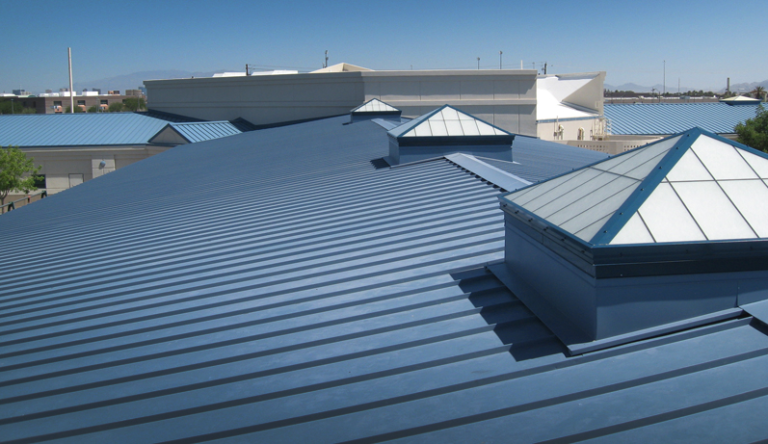
In recent years, green roofing systems have gained popularity as a sustainable and energy-efficient solution for commercial buildings. These roofs, also known as eco-friendly or living roofs, offer a range of environmental, economic, and aesthetic benefits. Commercial roofing contractors play a crucial role in the installation and maintenance of these systems, ensuring that businesses reap the maximum rewards from their investment in green roofing.

What is a Green Roofing System?

A green roofing system refers to a roofing design that incorporates vegetation and plant life into the structure. These systems are made up of multiple layers, including a waterproof membrane, drainage system, growing medium, and vegetation. Green roofs are divided into two main types: extensive and intensive.

  • Extensive Green Roofs: These are lighter, low-maintenance systems featuring drought-resistant plants, ideal for buildings with weight limitations.
  • Intensive Green Roofs: These systems have a wider variety of plants, including shrubs and small trees, and require more maintenance, but they offer greater aesthetic and environmental benefits.

Role of Commercial Roofing Contractors

Commercial roofing contractors specialize in the installation, maintenance, and repair of roofing systems for commercial properties. When it comes to green roofing, these experts bring their knowledge of roofing materials, structural integrity, and environmental requirements to ensure a successful installation.

  1. Roof Assessment and Design: Before installing a green roof, a commercial roofing contractor will assess the building’s structure to determine its load-bearing capacity. Green roofs add extra weight, so the roof must be strong enough to support it. Contractors will work with engineers and architects to design a system that integrates with the building’s layout and meets all necessary building codes and regulations.
  2. Installation: Once the design is finalized, the roofing contractors will begin the installation process. This includes applying a waterproof membrane to prevent leaks, setting up a drainage system to avoid water buildup, and installing the growing medium and plants. The installation of a green roof requires precision to ensure that each layer functions properly and the vegetation thrives.
  3. Ongoing Maintenance: Maintaining a green roof is essential for its longevity and performance. Commercial roofing contractors provide maintenance services such as inspecting the roof for leaks, ensuring proper drainage, and managing plant health. Regular maintenance is crucial to preserve the roof’s benefits, including energy efficiency and stormwater management.

Benefits of Green Roofing for Commercial Properties

Green roofs provide a wide range of benefits that can enhance your business’s sustainability efforts.

  • Energy Efficiency: Green roofs help regulate indoor temperatures by providing insulation, reducing the need for air conditioning during summer and heating during winter.
  • Stormwater Management: The plants and growing medium absorb rainwater, reducing runoff and lessening the burden on local stormwater systems.
  • Aesthetic Appeal: A green roof creates an attractive and unique look for commercial buildings, improving curb appeal and potentially increasing property value.
  • Environmental Impact: By installing a green roofing system, businesses can reduce their carbon footprint and contribute to the overall health of the environment.

Conclusion

Commercial roofing contractors are essential partners in the successful integration of green roofing systems. From design to installation and ongoing maintenance, these professionals ensure that your green roof performs at its best, providing long-term sustainability benefits for your business.

If you’re considering a green roofing system for your commercial property, it’s important to consult with experienced contractors who specialize in eco-friendly solutions. Contact us today to learn more about how we can help you make the switch to a green roof, and enjoy the financial, environmental, and aesthetic advantages of this sustainable roofing solution!

This post was written by Ted Williams! Ted is the owner of A Old Time Roofing which is the premier roofing company that offers commercial roofing St Petersburg! Ted is a Master Elite Weather Stopper GAF Roofing Contractor, a double award winner of Best Steep-Slope Contractor from GAF and achiever of Master Elite Consumer Protection Excellence from GAF. He has been serving the Pinellas County area since 1978. Old Time Roofing has a tradition of quality workmanship, servicing residential and commercial properties.


Especially in the winter months, boilers are quite necessary to keep our homes warm and comfortable. Many people, however, occasionally undervalue the requirement of regular boiler maintenance. Like any other equipment, boilers need consistent maintenance to perform safely and properly. Boiler Service Hammersmith is helpful here as it offers the required services to ensure the perfect operation of your heating system. Although regular boiler maintenance takes time and money, homeowners might save money, prevent breakdowns, and raise the overall general safety of their heating systems by performing it.

Regular Maintenance

Why Is Constant Maintenance Essential?

Many factors rely on consistent boiler maintenance. First of all, it improves boiler efficiency. A boiler maintained in excellent shape consumes less fuel, which might help to lower energy prices. A dirty boiler or one with broken components has to work harder to heat your property, thereby squandering energy. Regular visits allow homeowners to ensure their boilers are working at optimal efficiency and free from damage.

Second, consistent maintenance considerably reduces the possibility of complications. Expensive and uncomfortable, a faulty boiler may leave you without heat when most needed. Regular inspections allow experts to spot early on any issues, therefore preventing more significant problems downstream. Being proactive helps homeowners prevent expensive emergency repairs and ensure that their homes stay warm all through winter.

Safety is another rather crucial element of routine boiler maintenance. Gas leaks or carbon monoxide poisoning might be major risks from faulty boilers. Every year inspections help to identify any issues before they begin to jeopardize your family. A competent technician will check safety devices for proper operation, test the pressure, and search for leaks. This gives homeowners peace of mind and makes life safer as well.

Apart from the personal benefits, proper boiler maintenance benefits the surroundings. Good boilers reduce emissions, so your carbon footprint will also be less. Keeping your boiler in good condition can assist in producing better, more green soil. This is a simple yet effective way you may aid to keep the surroundings intact.

All things considered, it is impossible to underline the need for regular boiler maintenance too often. It not only improves productivity and safety but also helps to save money over time. Homeowners should not wait for their boilers to show signs of breakdown before requesting help. Reliable heating systems rely instead on attentive maintenance. Choosing Boiler Service Hammersmith ensures that your boiler is in skilled hands ready to provide your home comfort and safety. Regular maintenance is a smart investment that pays off in many different ways and maintains your home pleasant and free of problems.

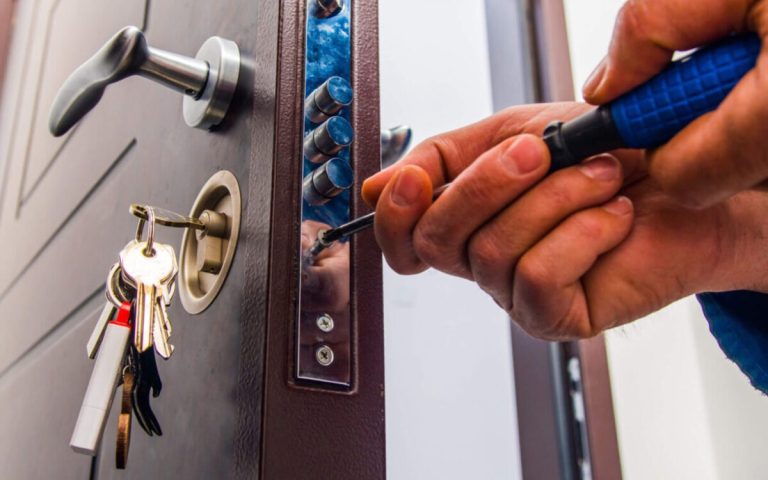
A break-in can completely ruin your peace of mind in addition to your home’s physical security. In these times, a locksmith can be an essential ally, restoring both your property and your sense of safety. It’s a vulnerable and unsettling period following such an incident, but a skilled locksmith Leeds can quickly secure your home and help you regain confidence in your surroundings. We acknowledge the profound emotional and security impact such an event can have on you, and our locksmith services are designed to bring you peace of mind.

In this comprehensive guide, we emphasise the critical need to address security vulnerabilities immediately after a break-in. Our purpose is clear: to provide a step-by-step process for replacing door locks, focusing on UK-specific security standards and solutions.

First Steps Following a Break-in

When the unthinkable happens, act fast. You need to contact the police and submit a thorough report. This not only initiates the investigation but also creates a record for insurance purposes.

Avoid touching or moving anything in the area affected by the break-in. Preserving the scene is crucial for the police investigation. Make a note of any things that are broken or missing. Both your insurance claim and the police report will benefit from this information.

Choosing the Right Replacement Locks

Selecting new locks is a pivotal step in regaining security. You need to consider several factors when choosing replacement locks.

First, determine whether the lock is needed for an interior door, a front door, or another type of entry point. Security is a key factor – external doors need high-security locks. The next step is to choose the locking mechanism. While mortice locks are frequently installed on wooden doors, cylinder locks are typically found on uPVC doors. Especially for outdoor locks, durability and weather resistance are key. Enhance your security by getting a lock with anti-drill and anti-pick features. Lastly, make sure your replacement lock meets any relevant security standards or insurance requirements.

How Door Locks Influence Your Home Insurance Policy

Navigating insurance and legal waters is essential. Your home insurance policy might be affected if you replace your locks, and it’s important to know how.

Insurance companies often give you discounts if you have good locks. Find out if your home insurance policy has any requirements or recommendations. In the case of a break-in, insurance agents evaluate security. You’ll be able to make a stronger insurance claim if you have strong, secure locks, while outdated, inadequate locks might raise questions. Some insurance policies require security upgrades to be done by qualified professionals.

Enhancing Door Security Post-Installation

Locks, while essential, are not the only answer. Protect the door against forced entry by installing high-security locks. Secure door frames with metal plates or strike plates so intruders can’t kick them in. Use long screws on the strike plates so they can reach the wall framing. You can add a layer of protection with security bars or grilles, especially for sliding doors. This will significantly improve the security of your doors and, therefore, your house.

DIY vs Professional Locksmith Services

The path to restoring security is not one-size-fits-all. You can replace locks yourself or hire a professional locksmith.

It’s usually cheaper to replace your locks since you won’t have to pay labour. Nevertheless, you’ll have to consider the cost of the new lock and any tools you’ll need. You may be able to do it if you’ve done home improvement jobs before and are comfortable following instructions. If you’re not experienced in lock replacement, DIY projects take time. It’s up to you to do your research, understand the installation process, and replace the lock.

Professional locksmiths are trained and experienced to handle all types of locks and security systems. If you let them know what you need, they can help you choose the right lock. Quick and precise installations are the speciality of professional locksmiths. When you hire a professional, it’s easier to finish the task correctly the first time. Professional locksmith services are typically guaranteed or covered by warranties. Locksmiths have specialised tools depending on the type of lock and how it is installed. So, installation is done precisely without damaging the door or lock. Moreover, you might have to get your security upgraded by a pro to keep your insurance policy valid. You better get a certified locksmith to replace your locks.

Preventative Measures: Avoiding Future Break-ins

A comprehensive approach to security is paramount. Prevent future break-ins by implementing these preventative measures:

  • Upgrade your locks. Install high-quality locks on all your doors and windows. Get smart locks that allow keyless entry and remote monitoring.
  • Ensure that door and window frames are strengthened with metal plates or strike plates. Put security films on windows to make them more resistant to breakage.
  • Use motion-activated lights to illuminate your home’s exterior. An area that’s well-lit can deter intruders.
  • Install visible security cameras around your house. Remote monitoring is common in modern CCTV systems.
  • Put money into a home security system that monitors and alarms. Put up signs indicating security systems.
  • Perform regular maintenance on your security features. Fix or replace any damaged locks, lights, or other security components.

You can improve your home’s security and significantly lower the likelihood of break-ins by taking these preventative steps.

The Emotional Impact Of A Break-in

After a break-in, there are often deep emotional scars. The psychological toll that burglary takes can be quite high. Among them are isolation, fear, and mistrust, as well as panic attacks, anxiety, depression, and restless nights.

Since break-ins are uncommon, they can be startling when they do occur. To feel afraid, frustrated, or angry is quite normal. Break-in victims need to acknowledge their feelings and process them. You can regain a sense of security and well-being by talking to friends, family, or mental health professionals.

Conclusion

After a break-in, regaining security becomes paramount. It’s not just about replacing door locks. The guide gives homeowners the knowledge and steps to rebuild their castles. Enhancing the overall safety and protection of a property requires comprehensive security measures beyond traditional locks. Security requires not only locks but also a variety of strategies and smart home technologies.