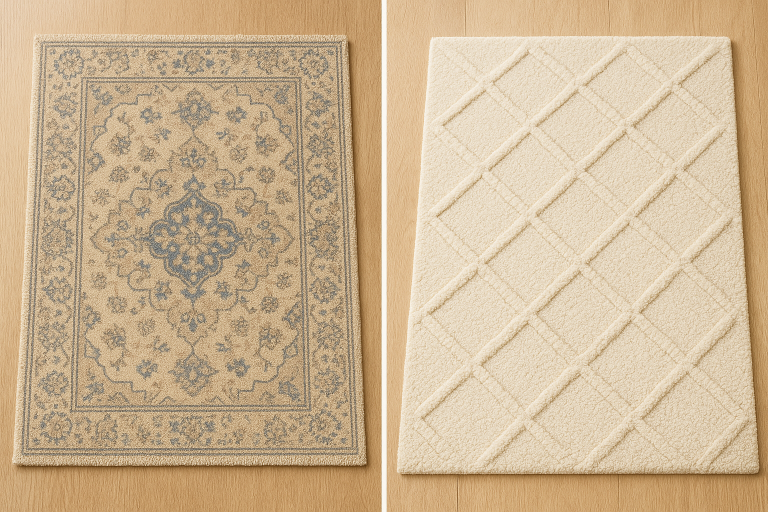
A rug may be a simple home accessory, but it brings luxury, character, and texture into a living space. When choosing one, you might get confused deciding whether you choose hand-knotted rugs or hand-tufted rugs. Both are made carefully by expert artisans and can instantly elevate any given space. But there’s a slight difference between the two in terms of their craftsmanship, cost, durability, and long-term experience.
Our 2026 rugs guide takes you through the differences between hand-knotted and hand-tufted rugs. By the end of the article, you’d be able to differentiate them and choose which one is right for your space.
Hand-Knotted Rugs: Exude Art in Every Knot
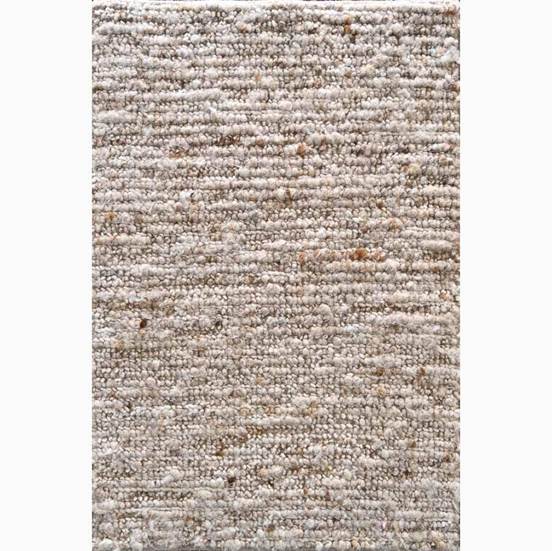
Handknotted rugs boast the most traditional and oldest form of rug-making technique. Each knot is hand-tied onto a vertical loom that takes months or even years to complete one rug. Since this rug style is the result of controlled tension and color placement, and proper knot density, showcasing an artisan’s craftsmanship. Due to its incredible exquisiteness, durability, and clarity of work, no two pieces are the same.
Hand-Tufted Rugs: Crafted Quickly, Yet Aesthetically
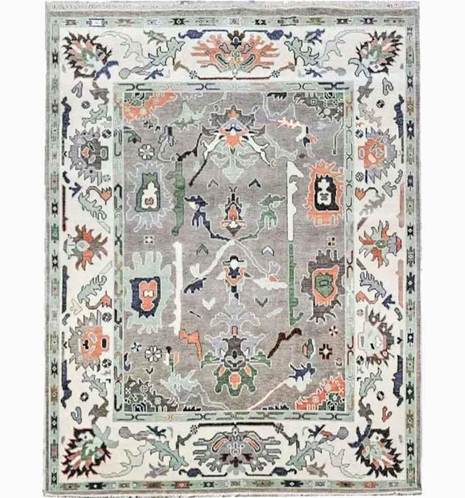
Hand-tufted rugs are carefully crafted using a tufting gun, which is a handheld mechanical tool. For making this rug, an artisan has to punch loops of wool through a canvas that’s stretched onto a frame. After completion of a design, a latex layer is applied on its back to firmly hold tuffs in place along with a fabric backing. This rug crafting technique is faster than the hand-knotted mechanism. So, one can easily create many contemporary designs at a lower cost. While these are not as long-lasting as knotted rugs, they bring great style elements into your home for less price.
Pros & Cons of Hand-Knotted Rugs
Pros
- High-knit density means high detailing with richer textures and sharp motifs.
- Exceptional durability that may last for generations.
- Great investment value due to rarity.
- High resale or heirloom value because it’s considered a collectible piece.
- Naturally organic, as no latex or glue is required. So, ideal for sensitive home environments.
Cons
- Longer production time, as it’s made completely by hand knot-by-knot.
- Higher cost due to exceptional craftsmanship and time required for completion.
- Heavier in weight, so large rugs can be harder to move.
Pros & Cons of Hand-Tufted Rugs
Pros
- Faster craft time, so ideal for instant décor change or style change.
- Budget-friendly due to faster preparation time.
- Plush, soft texture that feels cozy underfoot and feels good in bedrooms.
- Wide design variety, so perfect for playful, modern, or bold looks.
Cons
- Shorter lifespan of up to 5 to 10 years.
- Lower resale or heirloom value, as it’s not considered a collectible piece.
- Latex backing that may degrade over time, due to shedding.
Best Uses for Hand-Knotted Rugs
Place these in areas where longevity matters and the rug tells a tale of your home, like:
- Living rooms
- High-foot traffic spaces
- Formal dining rooms
- Design-focused interiors, boasting craftsmanship
- Family heirloom gifting
These rugs pair wonderfully with natural wood furniture, timeless home décor, and heritage-style interiors.
Best Uses for Hand-Tufted Rugs
These rugs are more suitable for low-to-moderate foot-traffic areas or in rooms where you often refresh décor.
- Bedrooms
- Rental spaces
- Kids’ rooms
- Home offices
- Seasonal décor updates
Their ease of styling and softness make them perfect for comfort-led areas in your house or workspace.
Price Differences & Material Choices
When shopping for premium handmade pieces, go for hand-knotted rugs made with luxurious wool, bamboo silk, silk blends, and cotton backings. While hand-knotted rugs are expensive, buyers may even explore sale wool rugs for buying quality pieces at competitive prices.
On the other hand, when looking for designer aesthetics at lesser prices, go for hand-tufted rugs, including affordable Oushak rugs. These rugs with muted palettes add global charm to modern home interiors.
Key Factors to Consider When Making a Buying Decision
- Longevity
For those who prefer longevity and need a rug that outlasts trends, hand-knotted rugs are the best choice.
- Home Environment
For sensitive or humid home environments, go for hand-knotted (no latex) rugs.
- Budget
Seeking an affordable rug upgrade? Choose tufted rugs to give an instant lift to your home interior.
- Maintenance
Hand-knotted rugs age gracefully and can handle cleaning well. On the other hand, hand-tufted rugs may require frequent replacements.
- Design Preference
Hand-knotted rugs excel in fine detailing and traditional design. Hand-tufted rugs, on the other hand, boast trendy, bold designs, making them suitable for modern interiors.
Q&A About Hand-Knotted vs Hand-Tufted Rugs
1. Which rug lasts longer: hand-knotted or hand-tufted?
Hand-knotted rugs can withstand for many years, up to generations. However, hand-tufted rugs can last only for around 5 to 10 years, depending on maintenance and usage.
2. Are hand-tufted rugs suitable for homes with pets?
Yes, these are good for homes with pets where you desire stylish rugs without stressing over long-term wear. However, hand-knotted rugs can resist pulling and flattening better. So, it can fare longer with more energetic pets.
3. Do both rug types shed?
While hand-knotted rugs shed minimally after initial weeks, hand-tufted rugs tend to shed more due to latex backing and cut piles.
Final Thoughts
Both rug types bring something unique to meet the varying preferences of distinct users. For those who love timeless artistry, hand-knotted rugs are the best choice. On the other hand, hand-tufted rugs offer modern convenience to those who often like to upgrade their home with changing trends.
Choose what aligns with your taste and living space while telling a tale of your home in a stylish manner. With brands, like Thread to Form, innovating toward more artisan-first and sustainable pieces, you can find the right home décor pieces that celebrate craftsmanship.