Tag

experience

Browsing

Swan Toilets is leading the charge in redefining bathroom solutions, placing a strong emphasis on convenience and comfort in today’s modern lifestyle. Our heated toilet seat is poised to revolutionize the market, bringing exceptional comfort and luxury to households everywhere.

Experience Unmatched Warmth and Comfort

The advantages of a heated toilet seat are evident, yet the concept itself may appear straightforward. Imagine entering your bathroom early in the morning, welcomed by the gentle warmth of a heated seat. Our objective is to create an experience that transcends simple warmth, aiming to enhance your overall comfort and well-being right from the start of your day.

User-Centric Design

At Swan Toilets, our commitment to user-centric design is fundamental. Our heated toilet seats are engineered with meticulous attention to detail, ensuring that every feature is tailored to meet your needs. With adjustable temperature settings, users can effortlessly find their preferred level of warmth. This commitment exemplifies Swan Toilets’ dedication to providing optimal comfort and personalizing experiences to suit individual preferences.

Core Principles: Safety and Efficiency

Our design philosophy emphasizes both safety and efficiency. Swan Toilets’ heated toilet seats are designed to be budget-friendly for every household, equipped with built-in safety features and energy-saving options. The streamlined design not only delivers warmth upon demand but also conserves energy when not in use.

Effortless Installation for Enhanced Convenience

Swan Toilets’ heated seats are crafted for easy installation, ensuring compatibility with existing bathroom fixtures. We understand that home improvement should enhance your living space without introducing unnecessary difficulties or requiring extensive renovations.

Discover the Health Benefits of Our Heated Toilet Seats

Beyond immediate comfort, Swan Toilets’ heated toilet seats present significant health advantages. The soothing warmth promotes relaxation and alleviates tension in muscles and joints, making them particularly beneficial for individuals whose conditions worsen in cold environments. This feature provides essential warmth and relief, contributing to a comfortable living space.

Embracing the Future of Home Comfort Technology

At Swan Toilets, our mission is to innovate and improve the quality of everyday living. By incorporating modern technologies, we are transforming the notion of bathroom luxury and comfort, setting new benchmarks for households globally.

Seamless Integration with Smart Home Systems

Swan Toilets offers a sophisticated solution for contemporary homes that extends beyond traditional comfort. Our heated toilet seats are thoughtfully designed to integrate seamlessly with smart home systems, allowing for effortless control through an intuitive smartphone app or voice commands. This level of integration fosters a convenient and personalized living environment, where each aspect—including the temperature of your toilet seat—can be tailored to your preferences and daily routine.

Enhancing the Quality of Daily Living

The introduction of Swan Toilets’ heated toilet seat marks a substantial advancement in home comfort technology. We are dedicated to delivering premium products that enhance comfort, safety, efficiency, and health benefits, thereby improving the quality of life for our customers. Looking ahead, we are excited to anticipate further innovations and advancements from Swan Toilets that will progressively transform our bathrooms and enrich our daily experiences.

In the contemporary fast-paced environment, maintaining an immaculate lawn can often feel overwhelming. However, the value of a well-maintained garden transcends mere aesthetics; it provides a serene sanctuary for you and your loved ones to unwind and enjoy tranquil moments together. At Landed Landscapes, we understand the importance of creating an inviting outdoor atmosphere, and we offer a comprehensive array of lawn care services designed to transform your outdoor spaces into lush, verdant retreats.

Landed Landscapes has positioned itself as the premier choice for homeowners seeking exceptional quality and service founded on reliability, craftsmanship, and environmental stewardship. Our primary goal is to celebrate the beauty of nature through superior quality and personalized services that resonate with each client’s unique vision.

Our Products and Services

Experience unparalleled lawn care with our exceptional program. We are dedicated to maintaining your lawn in peak condition throughout the year, ensuring that you can relish a vibrant and healthy outdoor environment. Utilizing modern techniques and organic products, we guarantee that your lawn will receive the outstanding care it merits.

Explore our proficiency in landscape design and execution. Whether you envision a contemporary, low-maintenance landscape or a tranquil English garden, our skilled team of designers will collaborate closely with you to bring your ideas to fruition. We consider myriad factors, including local climate and soil conditions, to ensure the flourishing of your garden.

Our Pest and Weed Control services prioritize eco-friendly methods to safeguard your lawn and garden from invasive pests and weeds. Our thorough pest management strategies emphasize minimal chemical usage, prioritizing the health of both the planet and your family.

Prepare your outdoor spaces for the changing seasons with our professional clean-up services. We take pride in maintaining the beauty and functionality of your environment throughout the year, whether it involves leaf removal in fall or spring planting.

Introducing Our Innovative Lighting Solutions

We are pleased to introduce our latest offering at Landed Landscapes: innovative lighting solutions. These are perfect for those looking to enhance ambiance, security, and nighttime visibility. Our lighting systems feature custom design, seamless installation, and dependable maintenance of high-quality outdoor lighting.

Our lighting options are specifically designed to enhance both the usability and visual appeal of your landscape, transforming your outdoor haven into an enjoyable space at all hours. Our expertise includes accentuating your garden’s natural beauty and illuminating pathways for safety.

What Sets Landed Landscapes Apart?

– Customized Care: We recognize that every lawn has unique requirements and characteristics. Our dedication lies in providing tailored solutions that address your specific needs and preferences.

– Experience and Creativity: Our team of seasoned professionals remains at the forefront of lawn care technology, ensuring delivery of innovative and high-quality solutions tailored to your lawn care needs.

– Dedication to Sustainability: We endeavor to achieve beautiful results while being conscientious about our planet. Our practices exemplify a commitment to organic gardening and water conservation methods.

– Outstanding Customer Service: Your satisfaction is our foremost priority. From the initial consultation through to the final execution of your project, we aim to provide a seamless and enjoyable experience throughout the entire process.

Experience Landed Landscapes Today!

Transforming your lawn into a flourishing sanctuary not only enhances your home’s curb appeal but also elevates your overall quality of life. At Landed Landscapes, we pride ourselves on being more than just a lawn care company; we aspire to be your trusted partners in creating the perfect outdoor oasis. Are you ready to embark on the journey toward designing your dream landscape? Contact us today to discover the exceptional quality of service that Landed Landscapes offers.

In recent years, green roofing systems have gained popularity as a sustainable and energy-efficient solution for commercial buildings. These roofs, also known as eco-friendly or living roofs, offer a range of environmental, economic, and aesthetic benefits. Commercial roofing contractors play a crucial role in the installation and maintenance of these systems, ensuring that businesses reap the maximum rewards from their investment in green roofing.

What is a Green Roofing System?

A green roofing system refers to a roofing design that incorporates vegetation and plant life into the structure. These systems are made up of multiple layers, including a waterproof membrane, drainage system, growing medium, and vegetation. Green roofs are divided into two main types: extensive and intensive.

  • Extensive Green Roofs: These are lighter, low-maintenance systems featuring drought-resistant plants, ideal for buildings with weight limitations.
  • Intensive Green Roofs: These systems have a wider variety of plants, including shrubs and small trees, and require more maintenance, but they offer greater aesthetic and environmental benefits.

Role of Commercial Roofing Contractors

Commercial roofing contractors specialize in the installation, maintenance, and repair of roofing systems for commercial properties. When it comes to green roofing, these experts bring their knowledge of roofing materials, structural integrity, and environmental requirements to ensure a successful installation.

  1. Roof Assessment and Design: Before installing a green roof, a commercial roofing contractor will assess the building’s structure to determine its load-bearing capacity. Green roofs add extra weight, so the roof must be strong enough to support it. Contractors will work with engineers and architects to design a system that integrates with the building’s layout and meets all necessary building codes and regulations.
  2. Installation: Once the design is finalized, the roofing contractors will begin the installation process. This includes applying a waterproof membrane to prevent leaks, setting up a drainage system to avoid water buildup, and installing the growing medium and plants. The installation of a green roof requires precision to ensure that each layer functions properly and the vegetation thrives.
  3. Ongoing Maintenance: Maintaining a green roof is essential for its longevity and performance. Commercial roofing contractors provide maintenance services such as inspecting the roof for leaks, ensuring proper drainage, and managing plant health. Regular maintenance is crucial to preserve the roof’s benefits, including energy efficiency and stormwater management.

Benefits of Green Roofing for Commercial Properties

Green roofs provide a wide range of benefits that can enhance your business’s sustainability efforts.

  • Energy Efficiency: Green roofs help regulate indoor temperatures by providing insulation, reducing the need for air conditioning during summer and heating during winter.
  • Stormwater Management: The plants and growing medium absorb rainwater, reducing runoff and lessening the burden on local stormwater systems.
  • Aesthetic Appeal: A green roof creates an attractive and unique look for commercial buildings, improving curb appeal and potentially increasing property value.
  • Environmental Impact: By installing a green roofing system, businesses can reduce their carbon footprint and contribute to the overall health of the environment.

Conclusion

Commercial roofing contractors are essential partners in the successful integration of green roofing systems. From design to installation and ongoing maintenance, these professionals ensure that your green roof performs at its best, providing long-term sustainability benefits for your business.

If you’re considering a green roofing system for your commercial property, it’s important to consult with experienced contractors who specialize in eco-friendly solutions. Contact us today to learn more about how we can help you make the switch to a green roof, and enjoy the financial, environmental, and aesthetic advantages of this sustainable roofing solution!

This post was written by Ted Williams! Ted is the owner of A Old Time Roofing which is the premier roofing company that offers commercial roofing St Petersburg! Ted is a Master Elite Weather Stopper GAF Roofing Contractor, a double award winner of Best Steep-Slope Contractor from GAF and achiever of Master Elite Consumer Protection Excellence from GAF. He has been serving the Pinellas County area since 1978. Old Time Roofing has a tradition of quality workmanship, servicing residential and commercial properties.


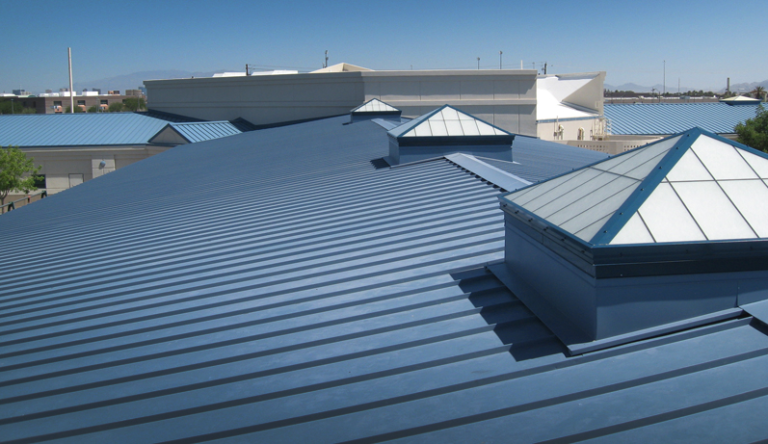
Home comfort is influenced by many factors, but two of the most essential are heating repair services and roof installation services. Both of these services play critical roles in ensuring that your home remains a cozy sanctuary throughout the year, regardless of external weather conditions.

The Importance of Heating Repair Services for Year-Round Comfort

When your heating system fails or starts showing signs of wear, the immediate impact on your home comfort can be significant. A malfunctioning heater leaves your home cold, which is especially problematic during the colder months. Heating repair services can restore warmth quickly, ensuring that your home stays comfortable and safe.

Regular heating maintenance can prevent unexpected breakdowns and improve energy efficiency, which saves you money in the long run. Without proper repairs, you may experience uneven heating, increased energy bills, and the risk of more serious problems developing. Timely repairs can help extend the life of your heating system and maintain a consistent, comfortable indoor temperature.

How Roof Installation Services Enhance Home Comfort

The condition of your roof directly impacts the comfort inside your home. A well-installed roof acts as a barrier against external elements such as rain, snow, and intense sunlight. Roof installation services are essential for ensuring that your home is properly protected from the elements. On the other hand, an old or damaged roof can lead to leaks, drafts, and temperature fluctuations inside your house.

A new roof installation can make your home more energy-efficient by improving insulation. Proper insulation reduces the need for constant heating and cooling, contributing to a more stable indoor climate. Whether it’s summer or winter, a well-installed roof helps maintain the right temperature and reduces the reliance on your HVAC system.

How Heating Repair Can Be Affected by Roof Issues

While heating repair services focus on fixing the system itself, roof problems can sometimes affect heating performance. Leaks in the roof can cause moisture to build up around the heating system, potentially leading to rust, mold, or reduced efficiency. Additionally, the insulation in your attic may be compromised if the roof is damaged, making it harder for your heating system to maintain the desired temperature.

For this reason, it is important to ensure that both your heating system and your roof are in optimal condition. A roof installation service that improves insulation and seals leaks will complement heating repair, helping to keep your home’s temperature stable while preventing unnecessary wear on your heating equipment.

The Financial Benefits of Heating and Roof Services

While heating repair services and roof installation services may require an upfront investment, they both offer substantial long-term savings. A well-maintained heating system that runs efficiently reduces energy consumption, lowering your monthly utility bills. Similarly, a well-installed roof improves your home’s energy efficiency, reducing heating and cooling costs over time.

How to Choose the Right Heating and Roof Installation Services

When selecting heating repair services or roof installation services, it’s important to consider the expertise of the professionals you hire. For heating repairs, look for certified technicians who are knowledgeable about your specific heating system. They should be able to quickly diagnose problems and provide effective solutions.

Conclusion

Heating repair services and roof installation services are integral to maintaining home comfort. When both are functioning properly, they create a stable, energy-efficient environment that provides comfort year-round. By investing in these essential services, you can ensure that your home remains a haven of warmth and protection against the elements.

Choosing sustainable decking materials requires considering various environmental factors, including resource consumption, manufacturing processes, and end-of-life disposal. Sustainable materials should come from renewable sources, need minimal processing energy, and either be recyclable or biodegradable. These materials should offer durability and longevity to reduce the frequency of replacement and overall resource consumption.

Bamboo decking – A renewable resource

Bamboo has emerged as a leading sustainable decking material due to its rapid growth rate and minimal environmental impact. Unlike traditional hardwoods that take decades to mature, bamboo reaches harvesting maturity in just 5-7 years. Modern processing techniques transform bamboo into durable decking materials that resist moisture, insects, and decay while providing strength comparable to traditional hardwoods. The material’s natural beauty and variety of available finishes make it an attractive option for environmentally conscious homeowners.

Sustainable decking materials

Reclaimed wood – Giving materials new life

Using reclaimed wood for deck construction represents one of the most environmentally friendly options available. This approach repurposes existing materials, reducing demand for new resources while preventing usable wood from entering landfills. Reclaimed wood often comes from old buildings, shipping containers, or industrial spaces, bringing unique character and history to your outdoor space. The material’s weathered appearance and natural patina create distinctive aesthetic appeal while supporting sustainable building practices.

FSC-certified wood – Responsible forestry

Forest Stewardship Council (FSC) certified wood provides an environmentally responsible option for homeowners who prefer traditional wood decking. A certification proves the wood comes from forests managed in an ecologically and socially responsible way. FSC-certified products support sustainable forestry practices, protect wildlife habitats, and maintain indigenous peoples’ rights. Common FSC-certified woods for decking include cedar, redwood, and tropical hardwoods, each offering unique characteristics and natural beauty.

Composite materials – Innovation in sustainability

Modern composite decking materials often incorporate recycled content, making them an increasingly popular choice among eco-conscious homeowners. These materials typically combine recycled plastic and wood fibres, diverting waste from landfills while creating durable, low-maintenance decking options. Advanced manufacturing processes have improved the appearance and performance of composite materials, offering realistic wood grain patterns and enhanced resistance to weathering and fading.

Rice husks and agricultural waste

Innovative manufacturers have developed decking materials using agricultural byproducts like rice husks combined with recycled plastics. These materials represent a creative solution for utilizing waste products while producing durable outdoor building materials. The resulting products offer excellent weather resistance and require minimal maintenance, making them both environmentally and practically appealing.

Choosing the best deck material involves carefully evaluating sustainability factors alongside performance requirements. Sustainable options must balance environmental benefits with durability, maintenance needs, and aesthetic preferences. Many eco-friendly materials are more durable and require fewer maintenance requirements than traditional options.

Installation and maintenance considerations

While sustainable materials often require specific installation techniques, many professional installers are now well-versed in working with these products. Proper installation ensures optimal performance and longevity, maximizing the environmental benefits of choosing sustainable materials. Most eco-friendly decking options also offer simplified maintenance routines, reducing the need for chemical cleaners and preservatives that harm the environment.

Value proposition

Though sustainable decking materials may have higher initial costs, their long-term value often exceeds that of traditional materials. Reduced maintenance requirements, extended lifespan, and increased property value contribute to a favourable return on investment. Some regions offer incentives or tax benefits for using sustainable building materials, further improving their financial appeal.

Consulting with experienced professionals helps identify the most appropriate options for specific projects while ensuring compliance with local building codes and environmental regulations. By selecting sustainable materials, homeowners contribute to ecological preservation while creating beautiful and lasting outdoor living spaces.

Moving to a new home can be quite a busy and stressful phase. Therefore, people relocating to a new home often look for ways to save time and energy. One of the best ways to do so would be to let experts do the hard work of packing up all the household goods for the move. To further save time and hassle, people can always hire companies like Safe Ship Moving Services that help in managing and coordinating a move.

Safe Ship Moving Services discusses the reasons to hire expert packing services for a move

Moving Services

Professional packing services have become extremely common today, as they help make the moving process less complicated and stressful for people.  As people plan to move to a new home, they shall have a variety of things to manage, like selling their current house and buying a new home, changing their address, and more. It can be overwhelming to pack an entire household while taking care of daily responsibilities and other moving related tasks. Allowing expert professionals to handle the task of packing the belongings for the move would mean that one shall have less work to do on the whole.

Packing household belongings for a move is a very time-consuming task. Trying to complete this huge task in addition to carrying out the usual day-to-day activities can be a very hectic job. One would firstly have to take stock of the goods they need to move, sort through the items, buy the necessary packing supplies, and ultimately pack each item, one room at a time. This entire process can take several weeks for most laymen. To save time, it is always better to choose professional packing services. Sorting out the items that do not have to be moved to the new home is the only thing one has to do after hiring experts. Once that is done, the professionals will take care of the packing and get the belongings ready for the move.

Professional packers are well trained and have a high degree of efficiency in packing household belongings. They have a wealth of experience and expertise, and can get diverse types of household goods, including fragile items, packed up safely and swiftly. This team of experts have a good understanding of how to effectively pack and move fragile and delicate items, like ornaments and glassware, as well as various types of large and bulky items like pianos and sofas.

Trying to pack household items without proper expertise can increase the chances of goods getting broken during the move. Opting for professional packing service means that one will have peace of mind knowing that all their goods are appropriately packed, and therefore shall be safe and secure during transit. The team of Safe Ship Moving Services mentions that professional packers are equipped with all the packing materials and supplies needed for household moves. They use wardrobe cartons for clothing, protective bags for sofas and mattresses, as well as padded bags for TVs and mirrors, to keep all types of items safe.

What Is Asbestos?

Asbestos is a naturally occurring mineral that was widely used in construction and manufacturing due to its heat resistance and durability. It’s made up of fine, fibrous crystals that can become airborne when disturbed. These fibers are invisible to the naked eye, making them particularly dangerous when inhaled. The widespread use of asbestos in the past has left many homes and buildings with materials that may still contain it.

Health Risks Associated With Asbestos Exposure

Exposure to asbestos fibers can lead to serious health problems. The fibers, once inhaled, can lodge in the lungs or other parts of the body, causing inflammation and scarring over time. This can result in diseases such as asbestosis, lung cancer, and mesothelioma, a rare but aggressive cancer. Long-term exposure is especially dangerous and has been tied to multiple cancers, including mesothelioma and ovarian cancers. Even brief exposure can pose risks, particularly in environments with high concentrations of airborne fibers.

Common Sources of Asbestos in Homes

Homes built before the 1980s are more likely to contain asbestos materials. Common sources include:

  • Insulation, especially around pipes and boilers.
  • Roofing shingles and siding.
  • Vinyl floor tiles and adhesives.
  • Textured paint or popcorn ceilings.

If these materials remain intact, they are generally not a hazard. However, when they deteriorate or are disturbed during renovations, asbestos fibers can become airborne. Identifying these materials and understanding their condition is key to minimizing exposure risks.

Identifying Asbestos in Your Home

Signs of Asbestos-Containing Materials

Recognizing potential asbestos in your home isn’t always straightforward. Some materials may look ordinary but could still contain asbestos. However, there are a few signs to watch for:

  • Materials that appear brittle or crumbly, especially insulation or older ceiling tiles.
  • Damaged or worn-out areas in flooring, siding, or roofing that look like they’re breaking apart.
  • Older materials that have a fuzzy or fibrous texture, resembling frayed fabric. For example, vermiculite loose-fill insulation often found in attics has a distinct pebble-like appearance and may contain asbestos.

If you notice any of these signs, it’s best to avoid touching or disturbing the material.

Areas in the Home Prone to Asbestos

Asbestos was commonly used in construction materials before its risks were widely recognized. Certain areas in older homes are more likely to contain asbestos materials:

  1. Insulation, particularly in attics and walls, such as vermiculite insulation.
  2. Floor tiles, especially those with a 9×9-inch size, as well as adhesives used underneath them.
  3. Roofing materials, including shingles and flashing.
  4. Pipe insulation and old cement sheets used in basements or utility areas.

Always treat suspect materials with caution, especially in older homes.

When to Seek Professional Inspection

Identifying asbestos requires more than just a visual check. While you can spot signs of wear or suspect materials, only certified professionals can confirm the presence of asbestos through proper testing. Identifying asbestos often involves laboratory analysis, as visible fibers alone aren’t enough to make an accurate determination.

Consider hiring an inspector if:

  • You’re planning a renovation or demolition in a home built before 1980.
  • You notice damage to materials that might contain asbestos.
  • You’ve recently purchased an older home and want to assess its safety.

Professional inspections ensure that any asbestos risks are identified and managed safely, protecting both your health and your home.

Health Implications of Asbestos Exposure

Diseases Linked to Asbestos Exposure

Asbestos is a dangerous material that can cause severe health issues if inhaled. It is a known carcinogen, meaning it significantly raises the risk of developing cancer. Asbestos exposure is strongly linked to mesothelioma, a rare but aggressive cancer affecting the lining of the lungs, abdomen, or heart. Additionally, it can trigger lung cancer and other malignancies. Even non-cancerous conditions, like asbestosis—a chronic lung disease—can arise from prolonged exposure.

Symptoms to Watch For

The symptoms of asbestos-related diseases can take years or even decades to appear. Common signs include:

  • Persistent coughing that doesn’t improve.
  • Shortness of breath, especially during physical activity.
  • Chest pain or a feeling of tightness.
  • Unexplained weight loss and fatigue.

If you or someone in your household experiences these symptoms and has a history of asbestos exposure, it’s crucial to consult a medical professional for evaluation.

Long-Term Effects on Health

The long-term impact of asbestos on health is severe and often irreversible. Conditions like asbestosis or pleural thickening can lead to chronic breathing difficulties and reduced lung function. Over time, these diseases not only affect physical health but also significantly limit quality of life. Early detection and medical intervention can help manage symptoms, but prevention remains the best approach to avoiding these life-altering effects.

Safe Practices for Handling Asbestos

Why DIY Asbestos Removal Is Dangerous

Handling asbestos on your own may seem like a cost-saving option, but it’s a serious health risk. Disturbing asbestos-containing materials releases tiny fibers into the air, which can be inhaled and cause long-term health problems. Without proper training and equipment, it’s nearly impossible to manage asbestos safely. Professional contractors have the expertise to handle it without spreading contamination.

Protective Gear for Asbestos Handling

If you must be near asbestos-containing materials, wearing the right protective gear is critical. This includes:

  • A properly fitted respirator with a P100 filter to block asbestos fibers.
  • Disposable coveralls that prevent fibers from clinging to your clothing.
  • Safety goggles and gloves to protect your eyes and skin.

Never reuse protective gear after working around asbestos—it should be safely discarded to avoid cross-contamination.

Steps to Minimize Exposure Risks

Reducing exposure to asbestos requires careful planning and adherence to safety protocols. Here are some key steps:

  1. Seal off the work area with plastic sheeting to contain any fibers.
  2. Use a wet method (like spraying water) to keep asbestos materials damp, which prevents fibers from becoming airborne.
  3. Avoid using power tools or abrasive methods that can break materials apart and release fibers.
  4. Dispose of all waste in sealed, labeled bags according to asbestos regulations.

By following these practices, you can significantly reduce the risk of exposure and ensure that asbestos is handled responsibly.

Hiring Certified Asbestos Professionals

How to Choose a Licensed Asbestos Contractor

When dealing with asbestos, the stakes are high. Hiring a certified contractor isn’t just a recommendation; it’s absolutely necessary for your safety and compliance with the law. Look for contractors with verifiable credentials and a solid track record in asbestos abatement. Ask for references from past clients to get a sense of their reliability and expertise. If they’re part of a professional organization, that’s a good sign they take their work seriously. Always make sure they hold proper licensing for asbestos removal in your state.

Questions to Ask Before Hiring

Before you commit to a contractor, ask the right questions to ensure they’re the right fit. Some key questions might include:

  • How many years of experience do you have in asbestos removal?
  • Can you provide proof of certifications and training?
  • What steps do you take to ensure safety during the removal process?
  • Do you offer a written estimate and detailed plan for the project?
  • How do you handle asbestos waste disposal?

These questions will help you gauge their professionalism and adherence to safety standards.

Verifying Credentials and Certifications

It’s not enough to take someone’s word for it. Always verify the contractor’s credentials. Check with your state’s licensing board to confirm their license is active and in good standing. Look for certifications from recognized organizations that specialize in asbestos abatement. Additionally, ensure their insurance is up-to-date to protect yourself in case of accidents or errors during the project. Hiring a certified Asbestos Abatement Specialist ensures the job is done right and minimizes risks to your family’s health.

Preventive Measures for Asbestos Exposure

Regular Home Inspections for Asbestos

Keeping your home safe starts with knowing what you’re dealing with. Regular inspections are key, especially if your house was built before the 1980s. Professionals can help identify asbestos-containing materials that might not be obvious to the untrained eye. Scheduling inspections every few years or after major weather events can prevent hidden problems from escalating.

Maintaining Asbestos-Containing Materials Safely

If asbestos-containing materials are in good condition, they’re usually best left undisturbed. However, keeping an eye on their state is crucial. Look for signs like cracks, wear, or water damage. Small repairs, like sealing or encasing the material, can sometimes be done by certified professionals instead of opting for full removal. Avoid using pressurized air or abrasive tools around these materials, as they can release fibers into the air. Instead, consider using a HEPA vacuum for safe cleaning practices. Learn more about HEPA vacuums and air monitoring.

Educating Family Members About Asbestos Risks

Awareness is a family affair. Make sure everyone in your household knows the risks associated with asbestos and how to avoid disturbing it. Teach children not to touch or play near peeling paint or damaged walls in older homes. Simple precautions, like not drilling or hammering into walls without inspection, can make a big difference. For more serious situations, always call in a professional who follows NESHAP guidelines for asbestos disposal.

Legal and Regulatory Aspects of Asbestos

Understanding Federal and State Asbestos Laws

Federal and state governments have implemented strict laws to manage asbestos, aiming to minimize harm to public health and the environment. The production, use, and disposal of asbestos are tightly regulated to ensure safety. On the federal level, agencies like the Environmental Protection Agency (EPA) and the Occupational Safety and Health Administration (OSHA) oversee asbestos-related activities. For example, the final rule established in April 2019 prohibits certain uses of asbestos that are no longer on the market. States may have additional rules, often more stringent, to address local concerns, so homeowners and contractors should always check both federal and state guidelines.

Homeowner Responsibilities Regarding Asbestos

Homeowners play a critical role in asbestos safety. If asbestos-containing materials are found in a home, it is the owner’s responsibility to ensure they are managed or removed according to legal standards. This includes hiring licensed professionals for inspections and abatement, as well as following proper disposal procedures. Ignoring these responsibilities can lead to fines or other legal consequences. Staying informed about asbestos laws and regulations helps homeowners avoid penalties and protect their families.

Penalties for Improper Asbestos Handling

Improper handling of asbestos can result in severe legal and financial penalties. Violations include failing to notify authorities before starting renovation or demolition, disposing of asbestos waste incorrectly, or attempting DIY removal without proper training. Fines can range from hundreds to thousands of dollars, depending on the severity of the violation. In some cases, criminal charges may also apply. To avoid these risks, always consult certified asbestos professionals and adhere to all applicable laws.

Asbestos Removal and Disposal Guidelines

Steps in the Asbestos Abatement Process

Removing asbestos from a property is a meticulous process that requires careful planning and professional expertise. Attempting this on your own is risky and can lead to severe health issues. The process typically includes the following steps:

  1. Inspection and Assessment: A licensed asbestos contractor conducts a thorough inspection to identify asbestos-containing materials and assess the risks involved.
  2. Containment: The affected area is sealed off using plastic sheeting and negative air pressure systems to prevent asbestos fibers from spreading.
  3. Removal: Trained professionals use specialized tools and protective equipment to carefully remove the asbestos materials.
  4. Cleanup: The area is meticulously cleaned to ensure no asbestos fibers remain, often using HEPA vacuum systems.
  5. Verification: A final inspection is conducted to confirm that the area is safe and free of asbestos hazards.

For those in California, hiring a registered asbestos abatement contractor ensures that the process is carried out safely and in compliance with regulations.

Safe Disposal of Asbestos Waste

Disposing of asbestos waste is as critical as its removal. Improper disposal can harm the environment and pose health risks to others. Here’s what safe disposal involves:

  • Proper Packaging: Asbestos waste must be double-bagged in thick, sealed plastic bags and clearly labeled as hazardous.
  • Authorized Disposal Sites: Waste should only be taken to facilities approved to handle asbestos materials.
  • Transportation Guidelines: Follow state and federal transportation rules to prevent accidental exposure during transit.

It’s also essential to be aware of the laws and regulations related to asbestos to avoid penalties and ensure compliance.

Environmental Impact of Improper Disposal

Improper handling of asbestos waste doesn’t just break the law—it endangers public health and the environment. When asbestos is dumped illegally, fibers can become airborne, contaminating soil and water sources. This can lead to long-term health issues for nearby communities, as well as hefty fines for those responsible. Always prioritize safe and legal disposal methods to protect both people and the planet.

Home Maintenance Tips to Prevent Asbestos Risks

Avoiding Renovations Without Inspection

Before starting any renovation project, it’s critical to check for materials that might contain asbestos. Older homes, especially those built before the 1980s, are more likely to have asbestos-containing materials. Never begin tearing down walls, ceilings, or floors without consulting a professional. An inspection can confirm whether asbestos is present and help you decide the safest way to proceed. Leaving asbestos undisturbed is often the safest approach, as undisturbed asbestos materials in good condition usually do not release harmful fibers.

Using Safe Cleaning Methods Around Asbestos

When cleaning areas that might contain asbestos, avoid using abrasive methods like scrubbing or sanding. These actions can release asbestos fibers into the air. Instead, opt for gentle cleaning methods, such as wiping surfaces with a damp cloth or using a vacuum equipped with a HEPA filter. If you suspect asbestos in your home, regular inspections and professional assessments are a smart way to identify potential risks and ensure you’re following safe practices.

Monitoring Wear and Tear of Older Materials

Over time, materials that contain asbestos can deteriorate, leading to potential exposure risks. Keep an eye out for signs of damage such as cracks, fraying, or crumbling. If you notice any of these issues, avoid touching or attempting to repair the material yourself. Instead, contact a licensed asbestos professional to assess the situation. For larger projects, such as renovations, hiring a professional to encapsulate or remove asbestos is essential to ensure safety and compliance with regulations.

The Role of Testing in Asbestos Management

Types of Asbestos Testing Methods

Testing for asbestos is a key step in ensuring a safe environment, especially in older homes or buildings. Various methods are available, each designed to detect asbestos fibers effectively. Restoration experts utilize techniques such as adhesive tape sampling and vacuum sampling to collect materials for analysis. Adhesive tape sampling involves using a sticky surface to lift potential asbestos fibers from materials, while vacuum sampling pulls fibers from surfaces into a collection device for laboratory testing. These methods help determine the concentration of asbestos fibers and guide safety measures.

When to Conduct Asbestos Testing

Knowing when to test for asbestos can prevent unnecessary risks. Homeowners should prioritize testing if their property was built before the 1980s, as asbestos was commonly used in construction materials during that time. Testing is also advisable before any renovation or demolition work, as disturbing asbestos-containing materials can release harmful fibers into the air. Additionally, if you notice signs of wear or damage in older materials, such as crumbling tiles or fraying insulation, it’s wise to test for asbestos.

Interpreting Test Results and Next Steps

Once testing is complete, understanding the results is crucial. If asbestos is found, the next steps depend on the material’s condition and location. For materials in good condition, leaving them undisturbed is often the safest option. However, if the material is damaged or in a high-traffic area, professional abatement may be necessary. Always consult with certified asbestos professionals to determine the best course of action. Proper handling and disposal of asbestos materials are essential to minimize health risks and comply with regulations.

Renovation and Remodeling Precautions

Pre-Renovation Asbestos Assessments

Before starting any renovation project, it’s essential to determine whether asbestos-containing materials (ACMs) are present in the home. Asbestos becomes hazardous when disturbed, so identifying its presence early can prevent serious health risks. Hire a certified asbestos inspector to conduct a thorough evaluation. They will assess areas like insulation, flooring, and ceiling tiles, which are common sources of asbestos. If asbestos is detected, you’ll need to follow strict guidelines to handle it safely.

Safe Demolition Practices

Demolition work can disturb asbestos fibers, releasing them into the air where they pose a danger to anyone nearby. To minimize risks:

  • Avoid breaking, sanding, or drilling materials unless you are certain they are asbestos-free.
  • Use water to dampen materials and reduce dust during demolition.
  • Always wear proper personal protective equipment (PPE), including masks and gloves, to shield yourself from airborne fibers.

Working With Contractors on Asbestos Safety

When hiring contractors for renovation projects, ensure they are aware of the potential presence of asbestos. Ask if they have experience dealing with ACMs and how they plan to manage the risks. Request to see their certifications and verify that they comply with local asbestos safety regulations. Open communication with your contractor can help ensure that asbestos-containing materials (ACMs) are handled and disposed of correctly, protecting both your family and the environment.

Raising Awareness About Asbestos Risks

Community Programs on Asbestos Education

Raising awareness about asbestos starts with community education. Local organizations and health departments can host workshops or informational sessions to teach residents about the dangers of asbestos exposure. These programs should emphasize the importance of Asbestos Awareness Training for workers who may encounter asbestos on the job. Providing clear, relatable examples of asbestos risks in everyday life helps people understand why this issue matters.

Sharing Resources With Neighbors

Sometimes, the best way to spread awareness is by sharing what you know with others. Neighbors can exchange tips on safe home maintenance practices, such as avoiding renovations without proper inspections. Sharing brochures, guides, or even contact information for licensed asbestos professionals can make a big difference. Creating a network of informed residents strengthens the community’s overall safety.

Advocating for Safer Building Practices

Advocating for better building practices is another way to tackle asbestos risks. This could mean pushing for stricter regulations on construction materials or encouraging local governments to enforce existing asbestos laws more rigorously. Individuals can also support initiatives that minimize environmental asbestos exposure, such as controlling dust in unpaved areas or promoting safer demolition methods. Small efforts like these can lead to long-term improvements in public health.


Additional Websites


Lung Cancer Group

Mesothelioma Help

Mesothelioma Guide

Robert King Mesothelioma Law Services

Mesothelioma Hub

Lanier Law Firm

Gori Law

Mesothelioma.Net

Mesothelioma Fund

Mesothelioma Lawyer Center

Tor Hoerman Law

Mesothelioma Hope

Weitz and Luxenberg

Dolman Law

 

A break-in can completely ruin your peace of mind in addition to your home’s physical security. In these times, a locksmith can be an essential ally, restoring both your property and your sense of safety. It’s a vulnerable and unsettling period following such an incident, but a skilled locksmith Leeds can quickly secure your home and help you regain confidence in your surroundings. We acknowledge the profound emotional and security impact such an event can have on you, and our locksmith services are designed to bring you peace of mind.

In this comprehensive guide, we emphasise the critical need to address security vulnerabilities immediately after a break-in. Our purpose is clear: to provide a step-by-step process for replacing door locks, focusing on UK-specific security standards and solutions.

First Steps Following a Break-in

When the unthinkable happens, act fast. You need to contact the police and submit a thorough report. This not only initiates the investigation but also creates a record for insurance purposes.

Avoid touching or moving anything in the area affected by the break-in. Preserving the scene is crucial for the police investigation. Make a note of any things that are broken or missing. Both your insurance claim and the police report will benefit from this information.

Choosing the Right Replacement Locks

Selecting new locks is a pivotal step in regaining security. You need to consider several factors when choosing replacement locks.

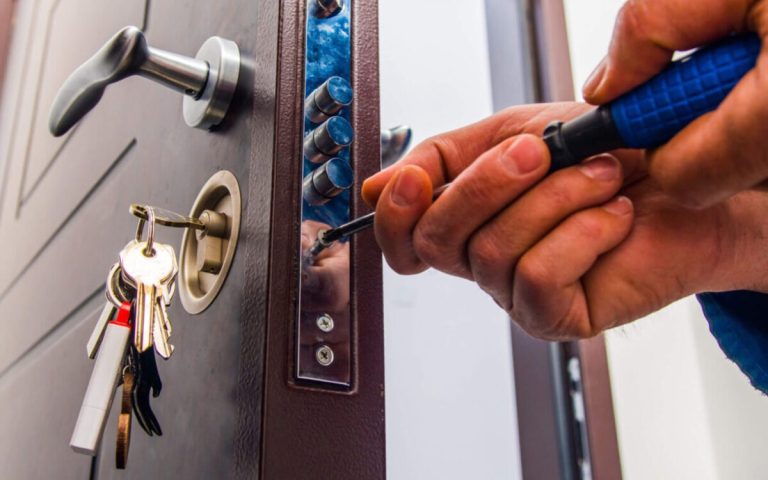
First, determine whether the lock is needed for an interior door, a front door, or another type of entry point. Security is a key factor – external doors need high-security locks. The next step is to choose the locking mechanism. While mortice locks are frequently installed on wooden doors, cylinder locks are typically found on uPVC doors. Especially for outdoor locks, durability and weather resistance are key. Enhance your security by getting a lock with anti-drill and anti-pick features. Lastly, make sure your replacement lock meets any relevant security standards or insurance requirements.

How Door Locks Influence Your Home Insurance Policy

Navigating insurance and legal waters is essential. Your home insurance policy might be affected if you replace your locks, and it’s important to know how.

Insurance companies often give you discounts if you have good locks. Find out if your home insurance policy has any requirements or recommendations. In the case of a break-in, insurance agents evaluate security. You’ll be able to make a stronger insurance claim if you have strong, secure locks, while outdated, inadequate locks might raise questions. Some insurance policies require security upgrades to be done by qualified professionals.

Enhancing Door Security Post-Installation

Locks, while essential, are not the only answer. Protect the door against forced entry by installing high-security locks. Secure door frames with metal plates or strike plates so intruders can’t kick them in. Use long screws on the strike plates so they can reach the wall framing. You can add a layer of protection with security bars or grilles, especially for sliding doors. This will significantly improve the security of your doors and, therefore, your house.

DIY vs Professional Locksmith Services

The path to restoring security is not one-size-fits-all. You can replace locks yourself or hire a professional locksmith.

It’s usually cheaper to replace your locks since you won’t have to pay labour. Nevertheless, you’ll have to consider the cost of the new lock and any tools you’ll need. You may be able to do it if you’ve done home improvement jobs before and are comfortable following instructions. If you’re not experienced in lock replacement, DIY projects take time. It’s up to you to do your research, understand the installation process, and replace the lock.

Professional locksmiths are trained and experienced to handle all types of locks and security systems. If you let them know what you need, they can help you choose the right lock. Quick and precise installations are the speciality of professional locksmiths. When you hire a professional, it’s easier to finish the task correctly the first time. Professional locksmith services are typically guaranteed or covered by warranties. Locksmiths have specialised tools depending on the type of lock and how it is installed. So, installation is done precisely without damaging the door or lock. Moreover, you might have to get your security upgraded by a pro to keep your insurance policy valid. You better get a certified locksmith to replace your locks.

Preventative Measures: Avoiding Future Break-ins

A comprehensive approach to security is paramount. Prevent future break-ins by implementing these preventative measures:

  • Upgrade your locks. Install high-quality locks on all your doors and windows. Get smart locks that allow keyless entry and remote monitoring.
  • Ensure that door and window frames are strengthened with metal plates or strike plates. Put security films on windows to make them more resistant to breakage.
  • Use motion-activated lights to illuminate your home’s exterior. An area that’s well-lit can deter intruders.
  • Install visible security cameras around your house. Remote monitoring is common in modern CCTV systems.
  • Put money into a home security system that monitors and alarms. Put up signs indicating security systems.
  • Perform regular maintenance on your security features. Fix or replace any damaged locks, lights, or other security components.

You can improve your home’s security and significantly lower the likelihood of break-ins by taking these preventative steps.

The Emotional Impact Of A Break-in

After a break-in, there are often deep emotional scars. The psychological toll that burglary takes can be quite high. Among them are isolation, fear, and mistrust, as well as panic attacks, anxiety, depression, and restless nights.

Since break-ins are uncommon, they can be startling when they do occur. To feel afraid, frustrated, or angry is quite normal. Break-in victims need to acknowledge their feelings and process them. You can regain a sense of security and well-being by talking to friends, family, or mental health professionals.

Conclusion

After a break-in, regaining security becomes paramount. It’s not just about replacing door locks. The guide gives homeowners the knowledge and steps to rebuild their castles. Enhancing the overall safety and protection of a property requires comprehensive security measures beyond traditional locks. Security requires not only locks but also a variety of strategies and smart home technologies.