Tag

Construction Materials

Browsing
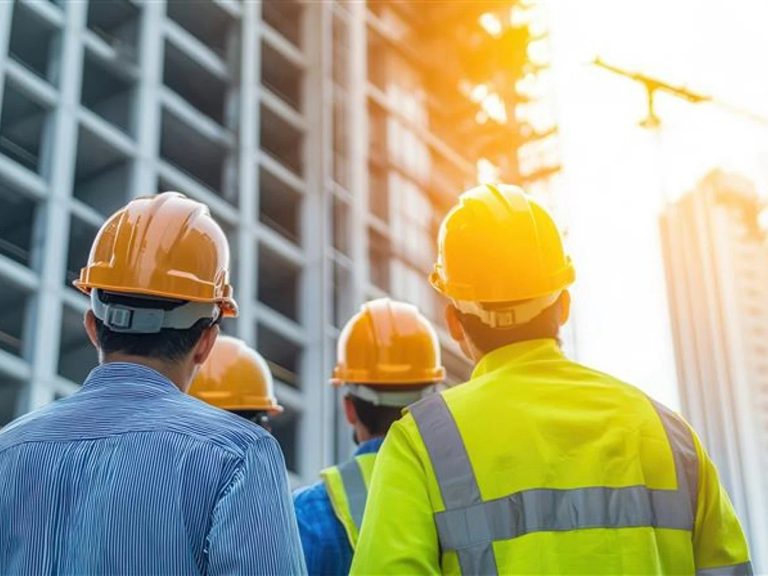
Building tall buildings is one of the hardest things to do in modern engineering. These tall buildings must withstand huge weights, weather conditions, and years of everyday use. Design and technology are essential, but the materials make a structure safe. Every part of a high-rise, from the concrete and steel to the glass and insulation, affects how well it works. That’s why developers and contractors in Hyderabad depend on reliable suppliers of construction materials to get the highest-quality goods that last a long time.

1. The Value of Good Materials

High-rise buildings are subject to severe stresses, such as wind pressure, seismic activity, and substantial occupancy loads. Using low-quality materials can put the whole building in danger, leading to safety issues and expensive repairs. Developers ensure that their buildings meet safety requirements and will last a long time by getting supplies from reliable building construction material suppliers in Hyderabad. Quality control in cement, reinforcement bars, and aggregates makes a structure strong or weak.

2. Concrete: The Key to Structural Integrity

Concrete is the most common material used to build tall buildings because it is strong and can be used in many ways. But not all concrete is the same. The mix design, curing, and additives affect how well it can withstand cracking, water getting in, and freeze-thaw cycles. Trusted providers of building materials in Hyderabad offer certified cement and aggregates for use in high-rise buildings. This ensures that the strength and durability are the same every time, so that concrete may be used as a strong base for skyscrapers and other tall buildings.

3. Safety And Strength of Steel Structures

Steel is the framework of tall buildings. It adds tensile strength to concrete’s compressive qualities. Steel that isn’t good can weaken while it’s under load or corrode over time, which can cause dangerous structural failures. In Hyderabad, trustworthy providers of building materials sell high-quality reinforcement bars (TMT bars) that have been tested for ductility, strength, and corrosion resistance. Certified steel ensures that high-rises can handle seismic shocks, wind loads, and ordinary stresses without putting people at risk.

4.  How Well It Resists Fire and Heat

Safety in high-rise buildings goes beyond how much weight they can hold. Materials must also keep people safe in emergencies, especially fires. To meet safety requirements, you need concrete that won’t burn, steel that has been treated, and insulation that won’t burn. In Hyderabad, trustworthy providers of building materials offer innovative fire-rated items that lower dangers and give people more time to get out. When used with the right design, these materials ensure the structure stays safe even in bad weather.

5. Materials That Are Both Sustainable and New

Builders today care more than strength; they also care about the environment. AAC blocks, fly ash-based cement, and low-VOC coatings are examples of materials that impact the environment less and make structures work better. Building material providers in Hyderabad that look to the future now offer eco-friendly goods that exceed both safety standards and green building certifications. These new ideas let high-rise constructions be both strong and responsible.

Making Buildings Safe from the Ground Up

There is no place for compromise when building high-rises. The materials’ strength holds every beam, slab, and wall together. Choosing the right materials for a building directly affects how safe and long-lasting it will be. These materials can include concrete, steel, insulation, and fire-resistant items. Developers can get certified, high-quality items by working with dependable building construction material suppliers and trusted construction material suppliers in Hyderabad. This promise not only makes sure that codes are followed, but it also constructs structures that will last for generations and be secure and robust.

Understanding the Value of Smart Construction Materials

Selecting the right materials for a project is more than just aesthetics. You have to consider functionality, durability, sustainability, and acoustic performance. If you’re working on a commercial or residential space, finding construction materials near me that balance these factors can make a significant difference. The challenge is that many materials fail to meet high-performance standards, leaving architects and builders to make compromises. That’s why I always look at suppliers that offer innovative solutions while maintaining environmental responsibility.

Why Sustainable Building Materials Matter

Sustainable materials are no longer a niche preference. Many projects now require leed certification, which ensures that a building meets environmental and energy efficiency standards. If you’re aiming for a certification like this, the materials you choose will significantly impact compliance. The demand for green construction has led to advancements in materials that reduce carbon footprints without sacrificing quality.

Aid: A Global Leader in High-Performance Building Materials

Aid, based in Singapore, has become a go-to provider for architects, designers, and builders who want sustainable and acoustic-friendly materials. Their portfolio includes solutions that integrate sound absorption, fire resistance, and aesthetic appeal without compromising structural integrity. I’ve followed their projects closely, and their work in large-scale installations like Abu Dhabi’s SeaWorld Flamingo Point stands out. They used 12mm Polyx™ polyester baffles, which were CNC cut into wave patterns, enhancing both the acoustic and visual experience of the space.

Acoustic Performance in Modern Construction

Whether you’re designing a workspace, hotel, or concert hall, acoustic performance is a crucial factor. Poor sound management can lead to echo problems and an uncomfortable environment. Aid offers acoustic ceiling tiles and panels that reduce noise disruptions and improve overall sound clarity. Products like Timberix™ timber acoustic panels and Polyx™ polyester boards are engineered to absorb and diffract sound, creating a more controlled acoustic environment.

Advanced Wall and Ceiling Panel Solutions

Materials like Ligkt™ stretch ceilings and Fabrix™ acoustic panels provide both sound absorption and architectural flexibility. Stretch ceilings use a non-flammable polymer sheet, applied with heat and secured by aluminum tracks, while Fabrix™ integrates a modular system that allows for customized design without sacrificing acoustic functionality. If you’re looking for a balance of aesthetic and performance, these materials give you flexibility across different applications.

Fire-Resistant and Sustainable Options

Construction safety regulations are becoming stricter, making fire-resistant materials essential. Aid’s wood wool panels, made from recyclable wood fibers, cement, and water, offer a formaldehyde-free alternative that’s both sustainable and fire-resistant. The materials they offer align with green building initiatives, ensuring long-term safety and durability in commercial and residential projects.

Finding the Right Supplier for Your Next Project

Not all building materials suppliers focus on sustainability, acoustics, and high-performance standards. Aid stands out because they integrate these elements into every product. Their approach ensures that construction professionals can access cutting-edge materials that not only enhance design but also contribute to environmental responsibility.

If you’re planning a project that requires advanced solutions for sound management, sustainability, and durability, Aid offers a range of options that can meet your needs. Their track record in large-scale architectural projects, commitment to sustainability, and extensive product range make them a solid choice for builders looking for quality materials.