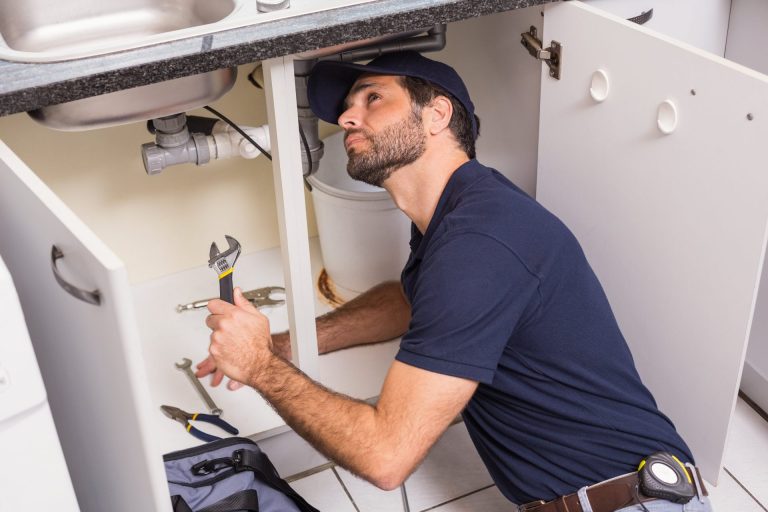

The right bathroom faucet does more than deliver water. It transforms the entire look and feel of your space, while impacting function every day. Deciding which faucet to buy, and how to install it, can seem intimidating for first-timers. With the right know-how, however, you can upgrade your bathroom quickly and confidently, no plumbing degree required.
What Types of Bathroom Faucets Are Available and Which One Is Right for You?
Choosing a faucet style is your starting point. But what styles are out there, and what do they mean for your installation process?
What Are the Most Common Faucet Styles?
Single-hole faucets are compact and minimalist. They combine spout and handle in one unit, perfect for smaller sinks or a streamlined look. Widespread faucets come as three separate pieces (spout plus two handles), offering a classic, customizable appearance, but require more counter space. Centerset faucets combine all parts on a single base, fitting standard pre-drilled sinks and making installation a breeze. Wall-mounted faucets, as the name suggests, are installed on the wall above the sink, often lending a spa-like feel, but these require precise plumbing placement.
How Do Different Faucet Types Affect Installation?
Single-hole and centerset faucets typically install into one or three holes respectively, making them beginner-friendly. Widespread models need more measuring and alignment but provide design flexibility. Wall-mounted versions are the trickiest, as they require running plumbing lines inside the wall, usually best left to professionals unless your bathroom is already under renovation.
Which Faucet Materials and Finishes Should You Consider?
Brass is prized for durability, while stainless steel resists corrosion and fingerprints. Chrome is easy to clean, affordable, and versatile, making it a default choice for many. Matte black, brushed nickel, and trendy gold tones can elevate the look but may require more attentive cleaning to keep them looking fresh.
What Tools and Materials Do You Need Before Starting?
Preparation saves time and headaches. Having everything on hand helps your project go smoothly from the first bolt to the last water test.
Essential Tools for Faucet Installation
– Adjustable wrench
– Basin wrench (for tight spaces)
– Plumber’s tape
– Screwdriver set
– Bucket or towels (to catch drips)
Additional Supplies to Keep on Hand
Consider picking up flexible supply lines and replacement shut-off valves if your existing ones are dated or corroded. Silicone caulk helps seal and prevent leaks around the faucet base.
How to Prepare Your Workspace for Success
Clear out everything from under the sink. Place a towel or shallow pan to catch residual water. Shut off both hot and cold water valves under the sink and turn on the faucet to drain any remaining water.
How Do You Remove Your Old Bathroom Faucet Safely?
With tools and workspace ready, it’s time to say goodbye to your old faucet.
What Steps Ensure a Smooth Removal Process?
First, disconnect supply lines at the shut-off valves. Use your wrench to loosen and remove mounting nuts holding the faucet in place. Gently lift out the old faucet, taking care not to scratch your sink.
How to Handle Common Removal Challenges
Rusty or stuck nuts are a common headache. Apply penetrating oil and wait a few minutes, then try again. For tight spaces, a basin wrench is invaluable. If you discover damaged plumbing or suspect hidden leaks, pause the project.
When to Call a Professional Instead
Major corrosion, damaged shut-off valves, or leaking pipes are signs you should consult a plumber rather than risk bigger issues.
How Do You Install a New Bathroom Faucet Step-by-Step?
A fresh faucet can be installed in under an hour with patience and attention to detail.
How to Assemble the Faucet Components
Follow the manufacturer’s instructions for pre-assembly. This often involves attaching gaskets or sealing rings to the base and possibly pre-connecting parts under the sink.
What Are the Key Steps for Proper Placement and Mounting?
Lower the faucet into the sink holes, making sure everything aligns. Secure from underneath with mounting nuts, tightening evenly to avoid shifting.
How to Connect the Water Supply Lines Correctly
Attach new or cleaned supply lines to the faucet shanks, then to the shut-off valves. Use plumber’s tape for a watertight seal.
How to Test for Leaks and Proper Function
Turn the water supply back on, then open the faucet handles. Check all connections for leaks and tighten as needed. Let the water run a minute to clear debris.
How Do You Troubleshoot Common Faucet Installation Problems?
Even a careful job can run into surprises.
What to Do If Water Is Leaking
Check all connections for tightness. If leaks persist, remove and reapply plumber’s tape to threads, or check that gaskets are seated correctly.
How to Fix Low Water Pressure Issues
Make sure the supply valves are fully open. Remove and rinse the aerator at the faucet tip to clear sediment.
How to Address Alignment or Fit Problems
If the faucet feels loose or crooked, loosen the mounting nuts, straighten the faucet, and retighten evenly.
How Do You Maintain Your New Faucet for Longevity?
A little care keeps your investment looking sharp and working smoothly.
What Cleaning Methods Preserve Finish and Function?
Wipe with a soft cloth and mild soap. Avoid harsh cleaners, which can dull finishes like matte black or brass.
How Often Should You Inspect and Tighten Fixtures?
Every few months, check under the sink for leaks and retighten any loose mounting hardware.
When to Replace Parts or Schedule Professional Maintenance?
Replace washers, aerators, or cartridges if you notice drips or inconsistent flow. For persistent leaks or wobbly faucets, a quick call to a plumber may save money in the long run.
Where Can You Find Quality Faucets and Installation Support?
Choosing the right product and support ensures installation is just the start of a positive experience.
What to Look for in a Faucet Supplier?
Seek out suppliers known for both design and reliability. Brands offering solid warranties and customer support are preferable. For a blend of modern design and solid craftsmanship, Vasca alt faucets are a helpful resource to explore.
How to Use Showrooms and Online Resources Effectively?
Visit showrooms to see finishes and styles firsthand. Online guides, videos, and customer reviews provide valuable installation tips and product feedback.
When to Hire a Licensed Plumber for Installation Assistance?
If your project involves unusual plumbing, wall-mounts, or you simply want peace of mind, a licensed plumber is well worth the investment. Your bathroom’s fresh new look will be trouble-free for years to come.